How to Vet Art Shipping Partners: A Guide to Choosing Secure Carriers and Couriers
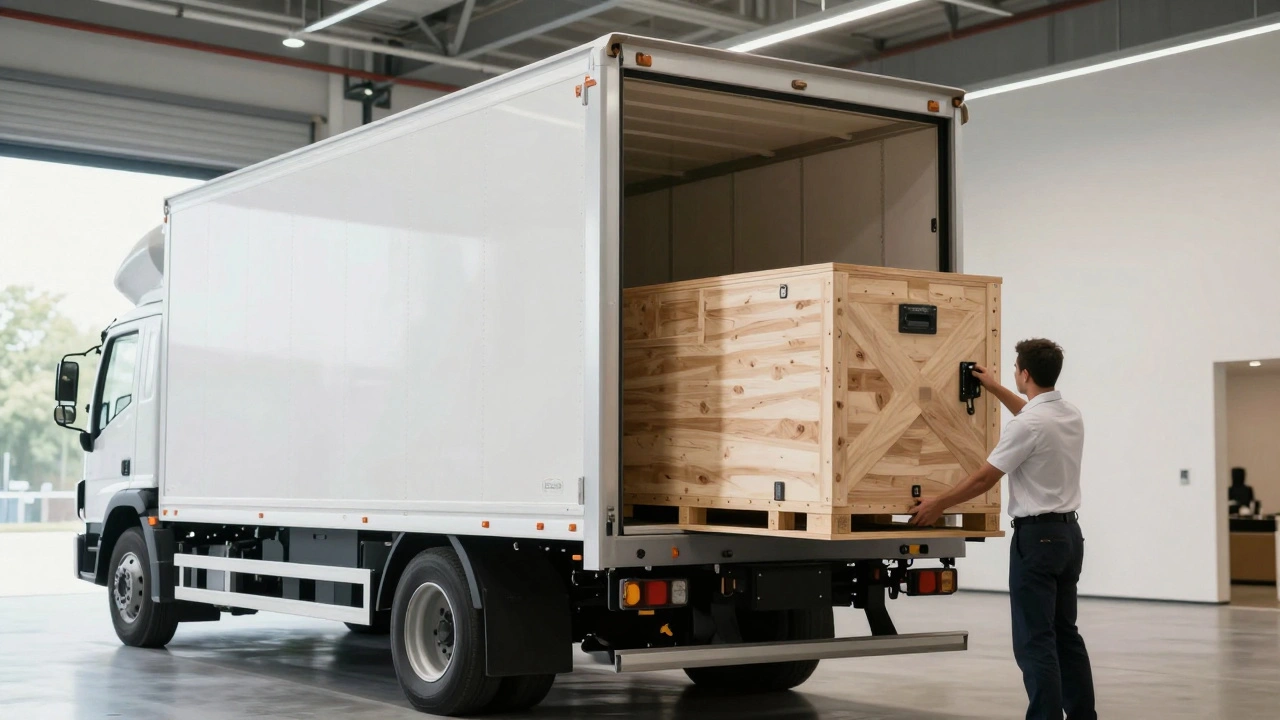
Shipping a piece of art isn't like sending a package via standard mail. One wrong turn, a sudden bump in the road, or a humid cargo hold can turn a masterpiece into a total loss. When you're dealing with high-value assets, the biggest risk isn't just the road-it's who you trust to drive the truck. Finding reliable art shipping partners means moving beyond a simple quote and digging into the operational guts of how a carrier actually handles freight.
Quick Guide to Vetting Art Carriers
- Climate Control: Verify active HVAC systems, not just "insulated" walls.
- Insurance: Distinguish between carrier liability and full nail-to-nail coverage.
- Experience: Look for a track record with specific mediums (e.g., oversized sculptures vs. fragile oils).
- Security: Confirm GPS tracking and air-ride suspension systems.
- References: Get contacts from galleries or museums, not just testimonials on a website.
Understanding the Logistics Hierarchy
Before you start calling companies, you need to know who you're talking to. In the world of fine art logistics, not all "shipping companies" are equal. Fine Art Logistics is a specialized branch of transportation focused on the safe movement of high-value, fragile, and climate-sensitive artworks. Unlike general freight, these partners prioritize preservation over speed.
You'll generally encounter three types of partners. First, there are the specialized art couriers who handle small, high-value items with a white-glove approach. Then you have the art carriers, who operate fleets of climate-controlled trucks for larger shipments. Finally, there are the global logistics firms that manage complex international movements involving Customs Brokerage, which handles the legal paperwork required to move art across international borders without it getting stuck in a warehouse for three weeks.
The Non-Negotiables: Equipment and Infrastructure
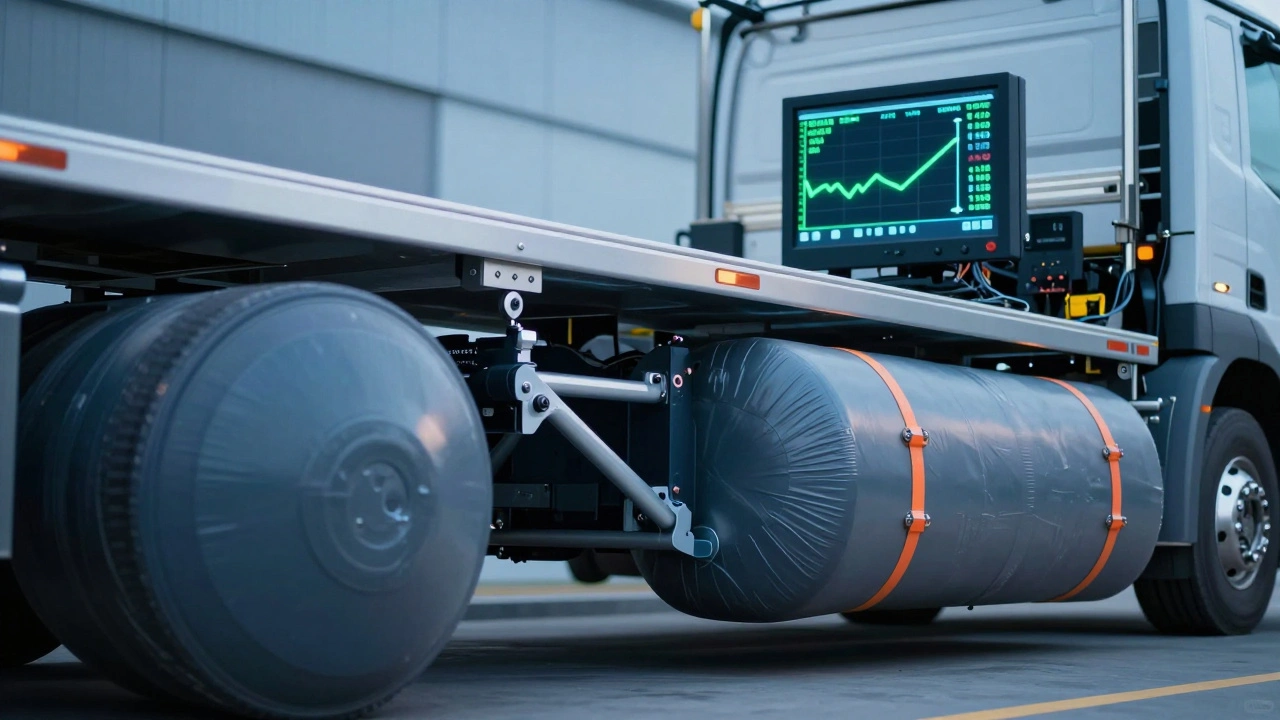
When you vet a carrier, ask for a detailed list of their fleet's specs. If they say "we have great trucks," that's a red flag. You want specific values. A professional art carrier should use Air-Ride Suspension, which uses compressed air bags instead of traditional steel springs to dampen road vibrations. Without this, a painting can suffer microscopic cracks in the paint layer due to constant jarring.
Next, talk about climate control. True Climate-Controlled Transport involves maintaining a consistent temperature (usually around 70°F) and relative humidity (around 50%). Ask them how they monitor these levels. If they don't use digital data loggers that can be audited after the trip, they aren't truly controlling the environment; they're just guessing.
| Feature | Standard Courier | Specialized Art Carrier | White-Glove Courier |
|---|---|---|---|
| Suspension | Standard Spring | Air-Ride | Air-Ride / Hand-Carry |
| Climate Control | None / Basic | Active HVAC | Strictly Regulated |
| Handling | General Cargo | Specialized Art Teams | Single-Person Dedicated |
| Security | Standard Lock | GPS & Alarm | Constant Supervision |
Insurance: Liability vs. Coverage
This is where most people get burned. There is a massive difference between a carrier's "cargo insurance" and a true fine art policy. Most carriers have a basic liability limit-say, $50,000-which covers them if the truck flips over. But if a courier accidentally knocks over a sculpture while unloading, the carrier's basic policy might not cover "negligent handling."
You need to verify if the partner offers Nail-to-Nail Insurance, which is a comprehensive policy that covers the art from the moment it's taken off the wall at the origin to the moment it's hung at the destination. Ask to see their certificate of insurance and check the "exclusions" section. If "acts of God" or "improper packing by the client" are listed as loopholes, you need to bring your own third-party insurance policy.
Vetting the Human Element
The best truck in the world is useless if the driver doesn't know how to handle a crate. Ask about their staffing. Do they use third-party contractors or full-time employees? Dedicated employees are usually better trained in Art Handling techniques, such as how to properly use a pallet jack without tilting a crate or how to navigate a narrow gallery doorway without scratching the walls.
Ask for their protocol on "unforeseen delays." What happens if the truck breaks down in a desert? Does the driver have a protocol for keeping the temperature stable? Do they have a backup vehicle ready to deploy? A company that can give you a step-by-step contingency plan is a partner you can trust. A company that says "we've never had a breakdown" is lying or hasn't been in business long enough.
The Paperwork Trail and Compliance
For those moving work internationally, the vetting process shifts toward legal compliance. You need a partner who understands the CITES Treaty (Convention on International Trade in Endangered Species). If your artwork contains ivory, certain rosewoods, or tortoiseshell, and your carrier doesn't know how to file a CITES permit, your art will be seized by customs and potentially destroyed.
Verify their experience with "Temporary Importation under Bond" (TIB). This allows art to enter a country for an exhibition without paying massive import duties, provided it leaves within a certain timeframe. If a carrier isn't familiar with the 1-year or 3-year TIB windows, they aren't an expert in art logistics-they're just a shipping company that happens to carry art.
Red Flags to Watch For
During your interviews with potential partners, keep an eye out for these warning signs:
- Vague Pricing: If a quote doesn't specify whether "crating," "fuel surcharges," and "residential delivery fees" are included, expect a 30% increase in the final bill.
- Lack of Specificity: If you ask about the humidity control and they say "the truck is air conditioned," that's not the same thing. AC cools the air; it doesn't necessarily control the moisture level.
- Pressure to Hurry: Art shipping is slow. If a company promises a cross-country delivery in a timeframe that seems "too good to be true," they are likely cutting corners on security or climate stability.
What is the difference between a courier and a carrier?
A courier typically handles smaller, high-value shipments, often accompanying the piece personally or using a small van for a direct point-to-point move. A carrier operates larger fleets of trucks and manages the logistics of moving multiple pieces of art across regions, often using specialized warehouses for consolidation.
How do I know if a truck is actually climate-controlled?
Ask the company for a "temperature log" from a previous shipment. Professional art carriers use digital sensors that record the internal temperature every few minutes. If they cannot provide a digital report showing a steady line, the truck may only have basic AC rather than a true climate-control system.
Is it better to use the gallery's recommended shipper?
Usually, yes, because galleries have established relationships and volume discounts. However, you should still verify the insurance coverage. Sometimes a gallery's recommendation is based on a long-term partnership rather than the absolute highest level of security for your specific piece.
What should I do if the artwork arrives damaged?
Do not sign the delivery receipt until you have inspected the crate. If you see a hole in the crate or a tilt sensor that has been triggered, note "Subject to Inspection" or "Damaged" on the bill of lading. Take photos of the packaging before opening it and notify the insurance provider and carrier immediately.
Does every piece of art need air-ride suspension?
Not necessarily, but it's highly recommended for any work with a fragile surface (like oil paint) or complex structural elements. For a sturdy bronze sculpture, standard suspension might be okay, but for a canvas or a glass piece, the vibrations from a standard truck can cause structural fatigue over long distances.
Next Steps for Your Logistics Plan
If you're just starting the process, begin by creating a detailed manifest. List the dimensions, weight, material, and insurance value of every piece. This prevents "surprise" surcharges later. If you are shipping internationally, your first call should be to a customs broker to check for any restricted materials in the destination country.
For those managing a large collection, consider a "Master Service Agreement" (MSA) with one partner. This locks in your rates and ensures that the team handling your art remains consistent over time, which reduces the risk of handling errors caused by new, inexperienced staff.