How to Source Gallery Fixtures and Display Systems on Budget
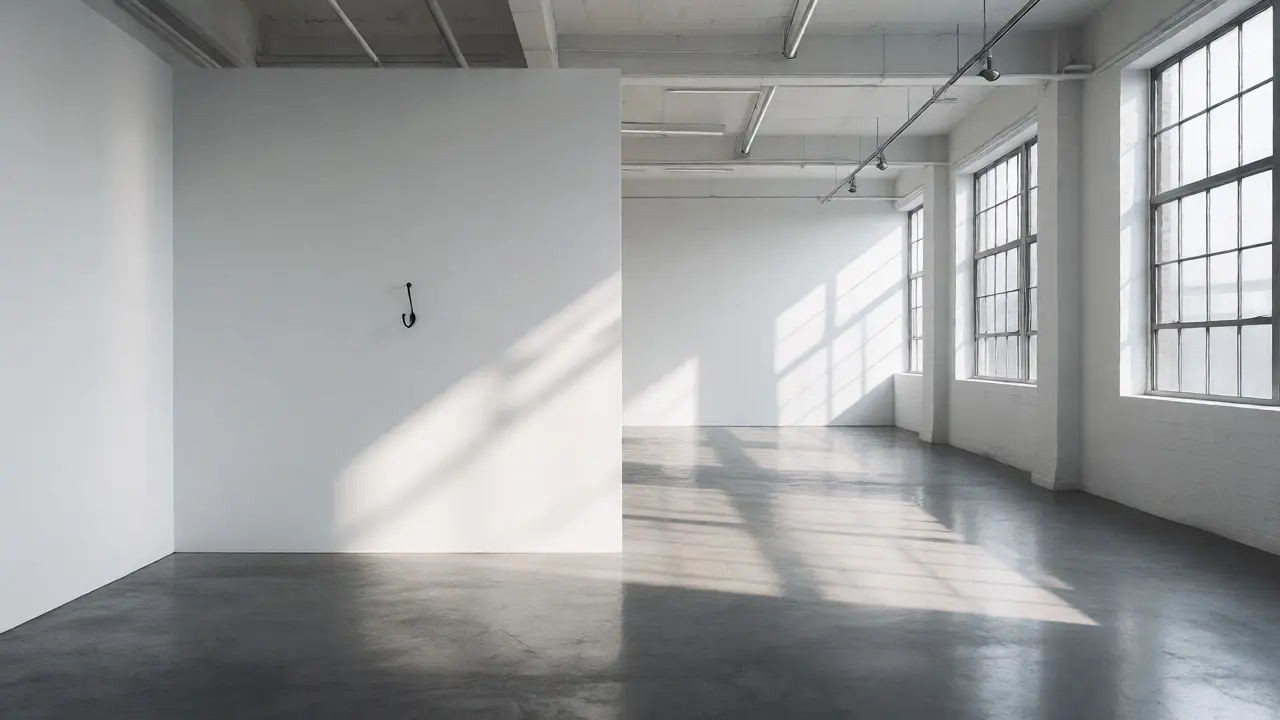
You just signed the lease. The walls are painted a crisp, neutral white. Your first exhibition is three weeks away. Then you walk into the supply closet of your new space and realize you have absolutely nothing to hang the work with. No tracks, no cases, not even enough hooks for a single show. You check your bank account, then check the price of a standard commercial gallery track system, and suddenly that dream of running an independent art gallery feels like it might bankrupt you before opening night.
Here is the reality: most new gallery owners blow their entire operating budget on build-out costs they didn't anticipate. They buy brand-new, high-end fixtures because they think it looks professional. But here is the secret the big institutions won't tell you: nobody cares if your picture rail is second-hand from a closed bookstore in Brooklyn, as long as the light hits the canvas correctly. Sourcing gallery fixtures is less about buying things and more about knowing where to look for them.
The Hidden Costs of New Equipment
Let's talk numbers. A linear foot of high-quality, adjustable track lighting can cost between $15 and $40. If you have a 2,000-square-foot space, you might need 60 to 80 feet of track. That’s up to $3,200 just for the rails, before you buy a single spotlight head. Add in vitrines (glass display cases) for smaller objects or jewelry, which can range from $500 to $2,000 each depending on security features, and you’re looking at a five-figure bill before the doors open.
Why pay full retail? Because these items are durable. A steel track doesn’t wear out. A glass case doesn’t degrade unless you drop it. The market is flooded with inventory from galleries that closed during economic downturns, museums undergoing renovations, and design firms liquidating stock. Your job isn't to be the first buyer; it's to be the smartest one.
Where to Hunt for Deal-Ready Inventory
If you live in a city with a robust arts scene, you have an advantage. In Portland, for example, we see a constant churn of small project spaces and pop-up shops. Here is where you should actually spend your time searching:
- Museum Auction Houses: Don't just look at Sotheby's. Look for local auction houses that handle estate sales and institutional deaccessions. When a university museum upgrades its HVAC or changes its curatorial direction, they often sell off old casework. These pieces are built to last decades.
- Online Liquidation Platforms: Sites like Liquidity Services or GovDeals often list equipment from government-funded arts centers. You might find industrial-grade shelving or secure locking cabinets for pennies on the dollar compared to retail.
- Closed Retail Stores: High-end boutique retailers use similar display logic to galleries. When a clothing store closes, they often dump their chrome racks, mannequins, and wall-mounted shelves. With a little paint and some custom brackets, a retail rack becomes a perfect sculpture stand.
- Facebook Marketplace and Craigslist: Yes, really. Search for terms like "museum case," "picture rail," or "commercial shelving." Set alerts for your zip code plus 50 miles. People moving out of studio spaces rarely want to disassemble heavy steel structures.
Prioritizing Lighting Over Casework
If you have a limited budget, you must make hard choices. I always tell new owners: spend money on lights, save money on shelves. Why? Because bad lighting kills art faster than bad furniture. Poor color rendering makes vibrant paintings look muddy. Incorrect angles create glare that hides texture.
When sourcing display systems, prioritize the lighting infrastructure. LED technology has changed the game. Older halogen spots ran hot and faded artwork. Modern LEDs run cool and offer precise color temperatures. However, buying new LED heads is expensive. The trick? Buy used tracks and new heads. Or better yet, buy used heads that are compatible with modern drivers.
Check the CRI (Color Rendering Index) rating. Anything below 90 will distort colors. Most older fluorescent setups had poor CRI. If you find a vintage track system, strip out the old bulbs and invest in high-CRI LED replacements. This hybrid approach saves thousands while ensuring your art looks exactly how the artist intended.
| Item Type | New Retail Price | Used Market Price | Savings Potential | Risk Factor |
|---|---|---|---|---|
| Track Lighting Rail (per ft) | $25 - $40 | $5 - $12 | ~70% | Low (Steel lasts forever) |
| LED Spotlight Head | $80 - $150 | $20 - $40 | ~60% | Medium (Check driver compatibility) |
| Glass Vitrine (Small) | $800+ | $150 - $300 | ~65% | High (Inspect for cracks/seal integrity) |
| Wall-Mounted Shelf | $100 - $200 | $20 - $50 | ~75% | Low (Check weight capacity) |
DIY Hacks for Professional Looks
You don't need a contractor to install everything. Some of the best-looking displays are simple DIY projects using hardware store materials. For hanging works on paper, consider building a tension wire system. It costs about $15 per station versus $100 for a commercial motorized system. It looks sleek, allows visitors to move prints easily, and is incredibly easy to install.
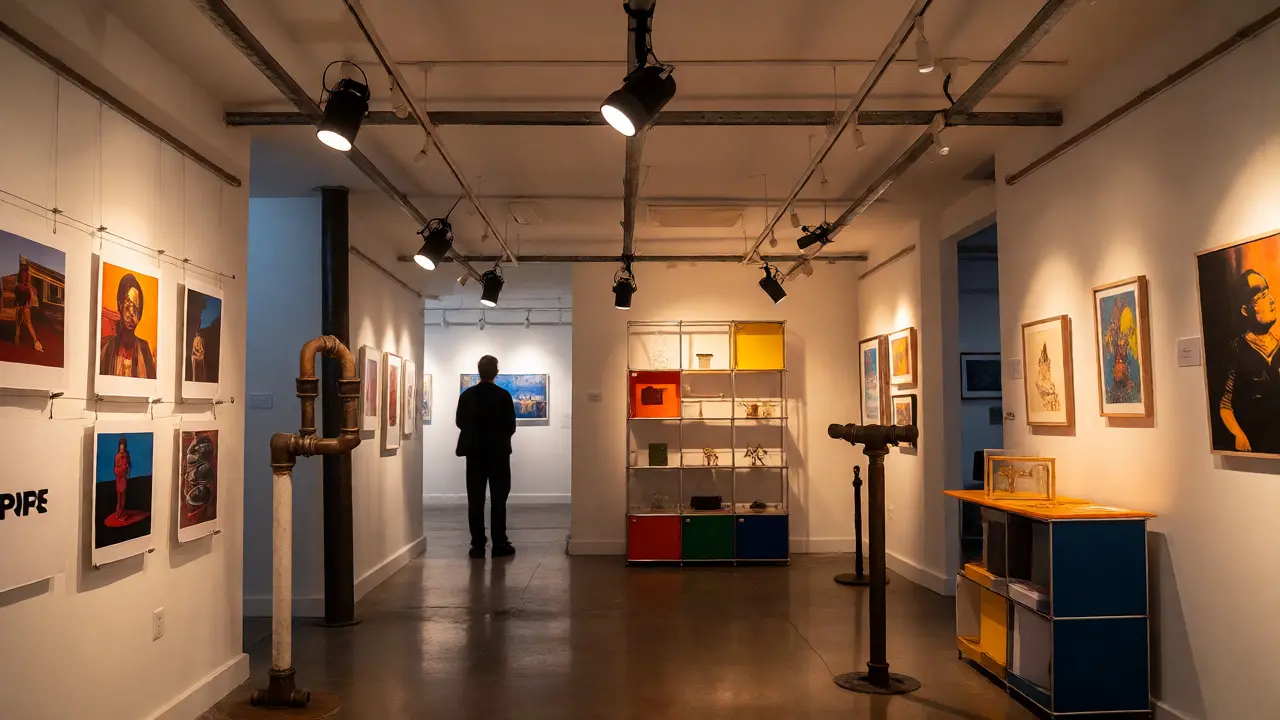
Another hack: repurpose architectural salvage. Old library card catalogs make fantastic pedestals for sculptures. Industrial metal pipes from defunct factories can be welded into freestanding frames for textiles. Visit a local architectural salvage yard. You’ll find items with character that mass-produced gallery furniture lacks. Just ensure any wood you bring inside is sealed properly to prevent pests from entering your climate-controlled environment.
For storage, skip the expensive archival boxes initially. Use acid-free tissue paper and standard plastic bins with tight lids. Label them clearly. As your collection grows, you can upgrade to specialized flat files for large works on paper, but those can wait until revenue flows in.
Vetting Used Equipment: What to Check
Buying used isn't just about price; it's about inspection. Before you hand over cash, perform these checks:
- Electrical Safety: For lighting, plug it in. Do the dimmers flicker? Is the wiring frayed? If it uses old transformers, assume they need replacement. Factor that cost into your offer.
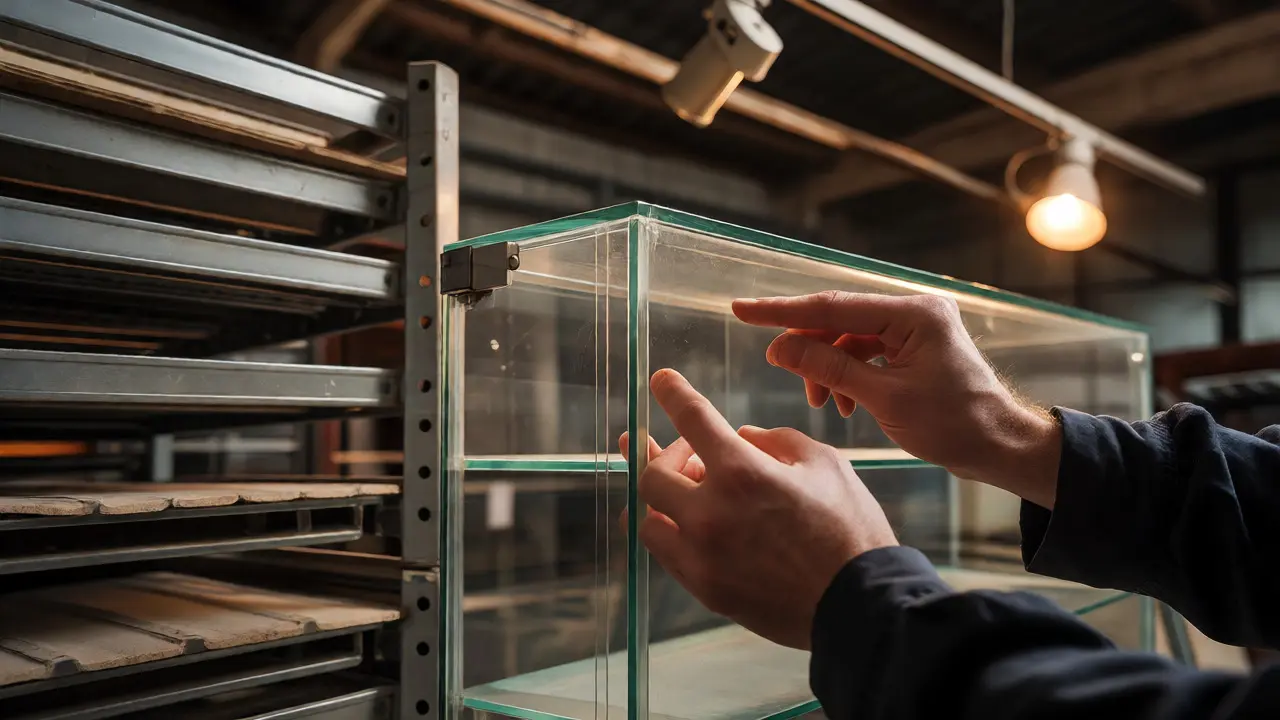
- Glass Integrity: Inspect vitrines under bright light. Tiny scratches are fine; chips on the edges are not. Check the hinges. If they squeak or wobble, you'll need to replace them, which requires specific tools and skills.
- Structural Stability: Shake the shelving units. If they rack side-to-side, they aren't safe for heavy sculptures. Look for rust on steel supports. Surface rust can be cleaned, but deep pitting means structural weakness.
- Mounting Hardware: Does the unit come with anchors? Many sellers forget to include the bolts needed to attach wall mounts to studs. Buying specialty anchors last-minute adds up.
Planning for Future Flexibility
Your first show won't look like your tenth. Your needs will change. Avoid buying fixed, built-in casework unless you are certain of your permanent layout. Modular systems are king. They allow you to reconfigure the space for different types of exhibitions without tearing down walls.
Consider renting for the first year if possible. Companies like Event Rental or local AV suppliers often rent high-end lighting trusses and pedestals for short-term shows. This lets you test what works for your audience before committing capital. Once you know you need 10 pedestal stands permanently, go hunt for them used.
Finally, network with other gallerists. Join local arts coalitions. Often, when a larger gallery expands, they upgrade their lighting and give away or sell their old gear cheaply to smaller neighbors. Being part of the community gives you first dibs on inventory that never hits the public market.
Sourcing on a budget isn't about being cheap; it's about being resourceful. It forces you to engage with the physical reality of your space earlier than you otherwise would. You learn what breaks, what bends, and what truly makes art shine. And honestly? That hands-on knowledge is worth more than any shiny new fixture you could have bought at full price.
Can I use residential lighting in an art gallery?
You can, but it is risky. Residential fixtures often lack the adjustability and heat management required for conservation standards. However, high-end residential track lighting with proper CRI ratings (90+) can work for smaller, non-commercial spaces. Always ensure the light source does not emit UV radiation, which fades artwork.
How do I clean used glass display cases?
Use a mixture of distilled water and isopropyl alcohol (70%) for glass surfaces. Avoid ammonia-based cleaners on acrylic cases, as they cause crazing (micro-cracking). For wooden bases, use a mild soap solution and dry immediately to prevent swelling. Check seals and gaskets for mold or deterioration before placing valuable items inside.
What is the best way to transport large gallery fixtures?
Hire a specialized art mover or a freight service with lift-gate trucks. Glass cases must be crated or heavily padded with blankets and shrink wrap. Disassemble tracks and shelves whenever possible to reduce damage risk and shipping volume. Insurance coverage during transit is essential for high-value antiques or custom-built pieces.
Do I need fire-rated fixtures for my gallery?
Yes, most commercial leases require fire-rated materials and electrical components. Ensure any lighting fixtures you purchase have UL (Underwriters Laboratories) listing. If you modify fixtures, consult with a licensed electrician to maintain compliance with local building codes. Non-compliant installations can void insurance policies.
How many spotlights do I need per wall?
A general rule of thumb is one spotlight per two to three feet of wall space for standard-sized artworks. For larger pieces, use multiple lights to eliminate shadows. Adjust based on ceiling height; higher ceilings require stronger beams or closer placement. Always test the layout with actual artwork before final installation.