How to Give Artist Feedback: Constructive Critique Methods

The Core Problem with Subjective Feedback
We've all been there. A manager tells an illustrator, "Make it pop more." What does that even mean? Does it mean the colors need more saturation? Does the composition need more contrast? Or is the focal point simply too small? When you use subjective language, you are asking the artist to read your mind. In a professional setting, this leads to the "revision loop from hell." The artist submits a version, you say it's still not quite right, they guess again, and by the fifth iteration, everyone is frustrated. The problem isn't the artist's skill; it's the lack of a shared vocabulary. To break this cycle, you have to move from saying "I don't like this" to "This element isn't achieving the goal of X."The Objective-Based Method
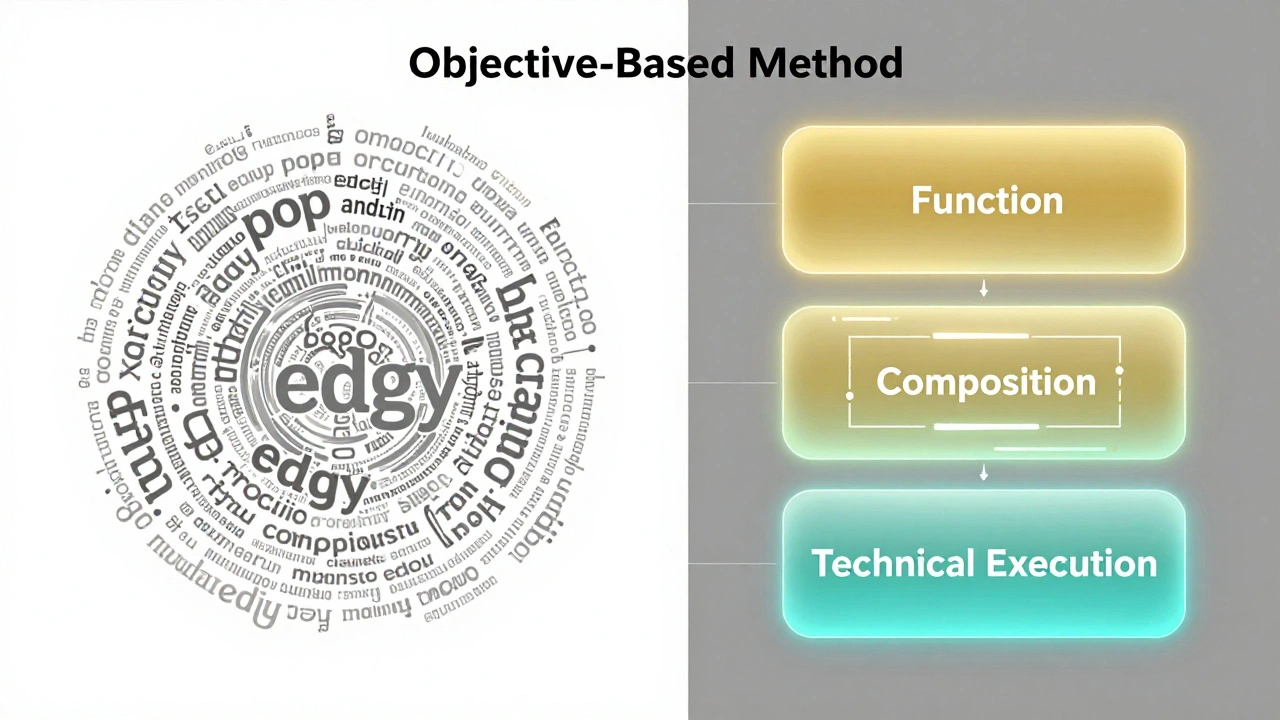
To give feedback that actually works, you need to anchor your critique in a pre-defined goal. Whether it's a gallery exhibition, a commercial commission, or a brand identity, there should be a benchmark for success. Creative Direction is the process of guiding an artist toward a specific visual goal while allowing them the freedom to execute the technical details. Instead of critiquing the art as a whole, break it down into these three pillars:- Function: Does the piece do what it's supposed to do? If it's a book cover, does it clearly communicate the genre? If it's a portrait, does it capture the subject's essence?
- Composition: How is the eye moving across the page? Is there too much empty space in the top right? Is the main subject getting lost in the background?
- Technical Execution: This is where you talk about anatomy, perspective, color theory, or lighting. These are the "hard skills" of art.
Frameworks for Delivering the Critique
How you deliver the message is just as important as the message itself. If you jump straight into a list of errors, the artist's brain goes into "defense mode," and they stop listening. You need a framework to keep the conversation productive.| Method | Best For | Core Approach | Risk |
|---|---|---|---|
| The Feedback Sandwich | Beginners/Sensitive Artists | Positive $\rightarrow$ Correction $\rightarrow$ Positive | Can feel insincere or "fake" |
| The Socratic Method | Experienced Professionals | Asking questions to lead the artist to the solution | Takes more time to execute |
| The Objective Gap | Tight Deadlines/Commercial | Comparing the work directly to the brief | Can feel overly clinical |
Navigating the Artist-Manager Relationship
Effective Artist Management is less about controlling the output and more about managing the ego and the energy of the creator. Artists often tie their identity to their work. When you critique a painting, they might hear you critiquing their soul. To mitigate this, use "The Third Object" technique. Instead of saying "Your colors are too muddy," say "The colors in this section feel a bit muddy." By shifting the focus from the artist ("your") to the work ("this section"), you remove the personal sting. Another pro tip: be specific about what *not* to change. If the artist nailed the expression on a character's face but the background is a mess, tell them explicitly: "The facial expression is perfect; don't touch a thing there. Let's focus all our energy on fixing the background perspective." This gives them a "win" to hold onto while they tackle the harder corrections.
Common Pitfalls to Avoid
One of the biggest mistakes managers make is providing feedback too late in the process. Asking for a total overhaul when the piece is 90% finished is a recipe for burnout. This is why Iterative Development-the practice of reviewing work in stages (sketch, grayscale, final color)-is non-negotiable. Avoid these common phrases that shut down creativity:- "Just make it look more professional." (Too vague)
- "I'll know it when I see it." (Lazy management)
- "Can we try something 'edgy' here?" (Subjective jargon)
The Checklist for a Perfect Critique Session
Before you hop on a call or send that email, run through this mental checklist to ensure your artist feedback is actually helpful:- Did I start by acknowledging what is working?
- Am I using objective language (Composition, Function, Technique) instead of subjective taste?
- Have I provided a visual reference for the changes I want to see?
- Did I separate the artist's identity from the work?
- Is the feedback actionable, or is it just a complaint?
How do I handle an artist who is defensive about their work?
The best approach is to pivot the conversation back to the project goals. Instead of debating artistic preference, ask, "Does this specific choice help the viewer understand [Goal X]?" By making the goal the judge, you remove the personal conflict between you and the artist.
Should I give feedback via email or in person?
Complex critiques should always happen via video call or in person. Tone is easily lost in text, and a suggestion that sounds helpful in your head can come across as a demand in an email. Use a shared screen or a tool like Figma or Miro to point to specific areas in real-time.
What if the artist's style contradicts the brand guidelines?
This is a mismatch of expectations. Address it early by referencing the Style Guide, which is a document defining the visual standards of a brand. Point to the guide and explain that while their style is impressive, the project requires adherence to these specific constraints for consistency.
How often should I provide feedback during a project?
Follow the 30/60/90 rule. Give heavy structural and conceptual feedback at the 30% mark (sketches). Refine the direction at 60% (blocking/grayscale). Save only minor polish and technical tweaks for the 90% mark. Never introduce new conceptual changes after the 60% stage.
Can you be too constructive?
Yes. Over-critiquing every tiny detail can lead to "decision paralysis" where the artist is too scared to make a mark. Focus on the 20% of changes that will provide 80% of the impact. Give the artist room to breathe and make their own creative decisions on the smaller details.