How to Engage Kids With Art in Museums
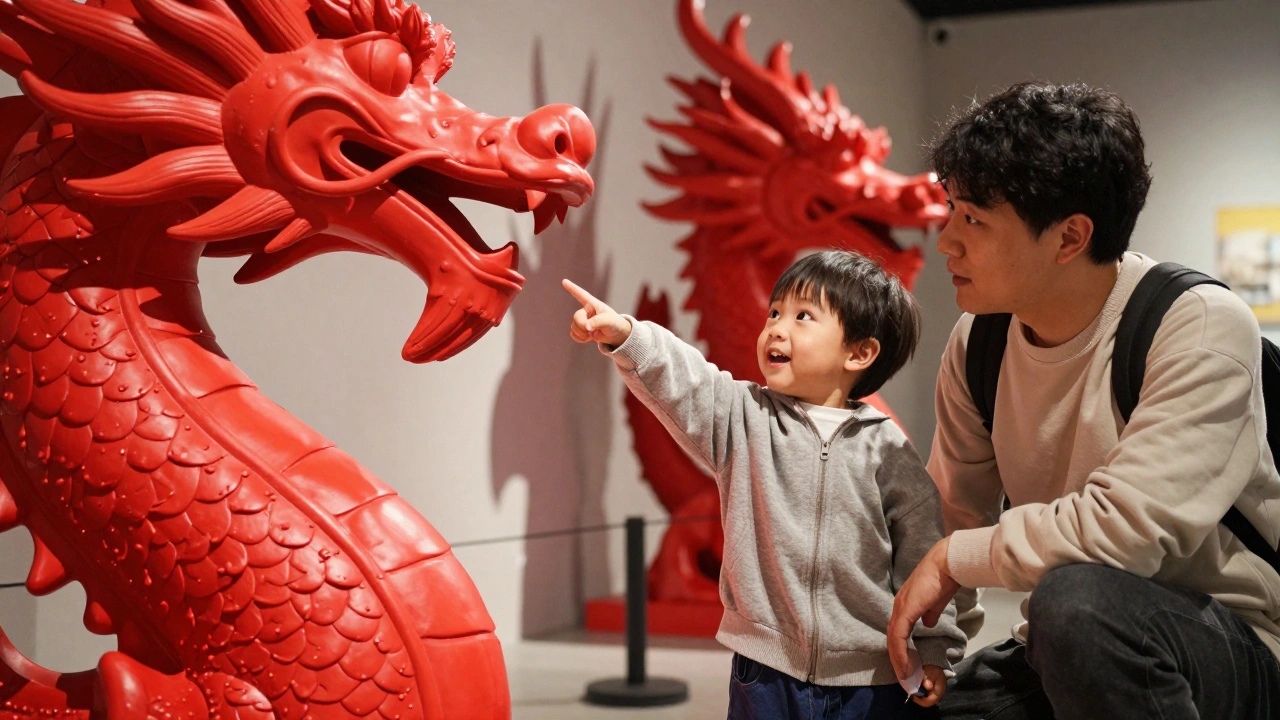
Taking kids to a museum doesn’t have to feel like a chore. Too many families leave museums frustrated-kids bored, parents tired, and no one really connected to the art. But it doesn’t have to be that way. Museums are full of stories, colors, shapes, and surprises waiting for kids to discover. The key isn’t forcing them to stare at paintings for hours. It’s changing how you approach the visit.
Start with curiosity, not expectations
Don’t walk in thinking your child needs to learn about Renaissance painters or understand symbolism in sculpture. That’s adult thinking. Kids don’t care about dates or titles. They care about what catches their eye. Maybe it’s a giant red sculpture that looks like a dragon. Or a painting with a dog wearing a hat. Start there. Ask open questions: "What do you think this is?" or "If you could climb into this picture, what would you do?" Let them lead. Their answers might surprise you. A five-year-old might say the Mona Lisa is smiling because she just ate a cookie. That’s not wrong-it’s a story.Turn the museum into a scavenger hunt
Kids love games. Turn the museum into a treasure hunt with simple, fun challenges. Make a list ahead of time with pictures or simple words. Things like:- Find something with stripes
- Spot a painting with a cat
- Look for something that looks like it’s moving
- Find the funniest face in the gallery
- See how many red things you can count
Let them move
Art isn’t just something to look at. It’s something to feel. Ask your child to copy the pose of a statue. Stand like the figure in the painting. Wiggle like the swirls in a Van Gogh sky. Dance to the rhythm of the brushstrokes. This isn’t just fun-it helps them connect physically with what they’re seeing. A 2023 study from the Smithsonian Institution is a group of museums and research centers in the United States that has conducted extensive research on how movement improves children’s engagement with visual art. Also known as Smithsonian, it was established in 1846 and now operates 19 museums and the National Zoo. showed that kids who moved while viewing art remembered 40% more details than those who stood still. Let them be silly. Let them be loud. That’s how learning sticks.Bring a sketchbook
Give your child a small sketchbook and a pencil. No pressure to draw perfectly. Just draw what they like. A corner of a painting. A weird hat. A weird shadow. Even if they only draw one thing, they’re learning to observe. You’d be surprised how much detail kids notice when they’re drawing. One mom in Portland told me her 7-year-old drew a tiny bird in the corner of a 17th-century Dutch painting. The museum docent later said it was a hidden symbol of hope. The kid didn’t know that. But they saw it. That’s the magic.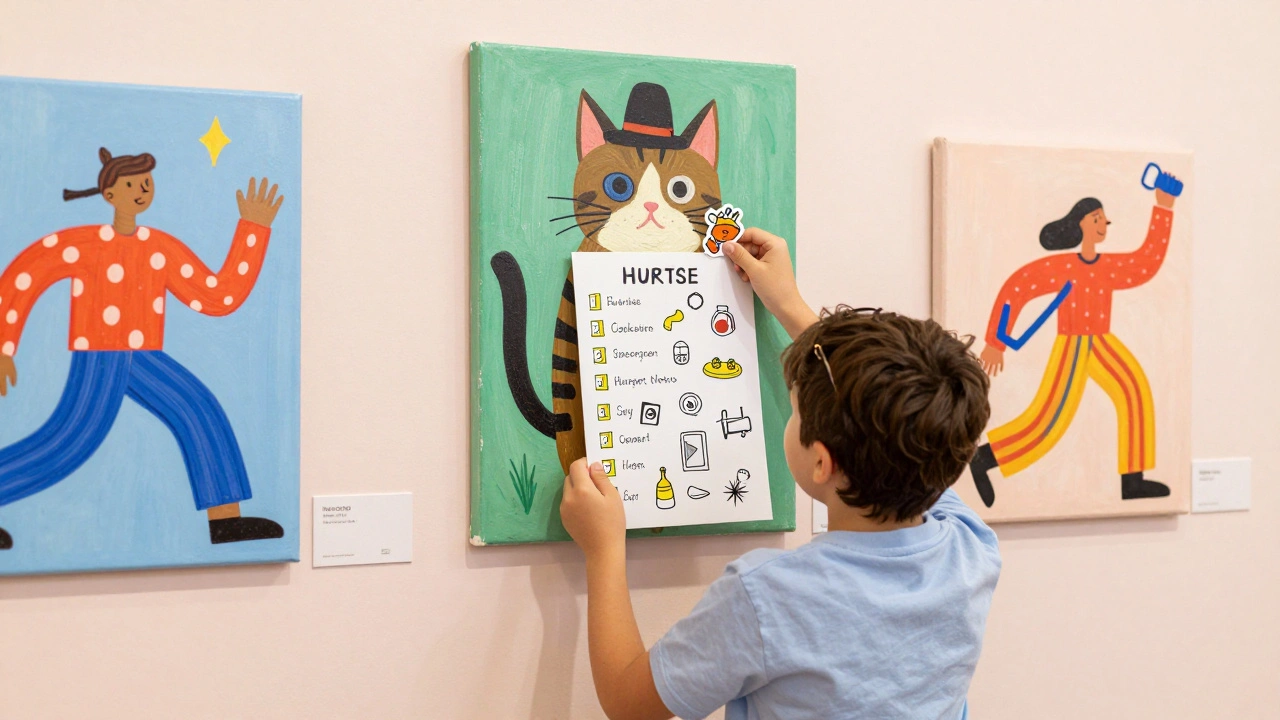
Use their senses
Art isn’t just visual. Ask:- What do you think this texture feels like?
- If this sculpture could talk, what would it say?
- What music would go with this painting?
Keep it short
Don’t try to see everything. Two rooms is plenty. One sculpture garden. One gallery. A 30-minute visit can be more meaningful than two hours of dragging them around. Kids have short attention spans. That’s not a problem-it’s a clue. They’re telling you what works. If they’re excited about one piece, linger there. Talk about it. Act it out. Draw it. Let that one moment sink in. You’ll be surprised how often a single artwork becomes a lifelong memory.Make it part of a routine
Don’t wait for a special occasion. Make museum visits regular, low-pressure events. Once a month. Once a season. Turn it into a ritual. Bring snacks. Bring a favorite stuffed animal. Let them pick the next place to go. Maybe it’s a small local gallery, a historic house, or even a sculpture park. The goal isn’t to make them art experts. It’s to make art feel like a natural part of their world.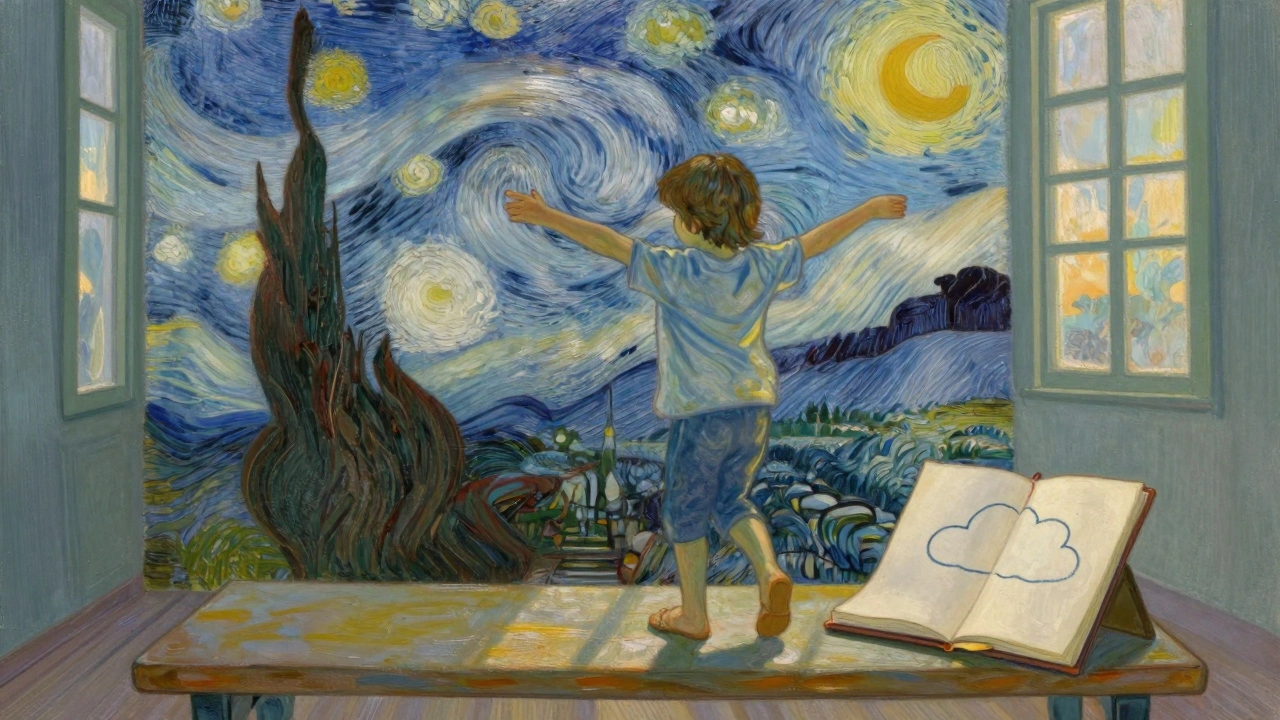
What if they don’t like it?
That’s okay. Not every kid loves museums. And that’s fine. If they’re not into it, try again another time. Maybe next season. Maybe after they saw a cool art video online. Maybe after they drew something that reminded them of a painting. Don’t force it. Don’t punish it. Just keep the door open. Art isn’t a test. It’s a conversation. And sometimes, the best conversations happen quietly, over time.What works for one kid might not work for another
Some kids love color. Others love stories. Some want to build things. Others want to sit still and stare. There’s no single right way. Try different approaches. One visit, do the scavenger hunt. Another, bring the sketchbook. Another, just sit on a bench and watch people react to art. See what clicks. Let them surprise you.| Tool | Best for | How to use |
|---|---|---|
| Scavenger Hunt | Active kids who love games | Print or draw a list with pictures. Reward with stickers. |
| Sketchbook | Quiet, observant kids | Bring pencils. No rules. Just draw what catches their eye. |
| Movement | Kids who fidget or need to burn energy | Copy poses, dance to colors, mimic brushstrokes. |
| Sensory Questions | Kids who think deeply or ask "why?" | Ask: What does it feel like? What sound would it make? |
| Short Visits | All kids, especially younger ones | Limit to 1-2 galleries. Focus on one piece. |
It’s not about the art-it’s about connection
The real win isn’t that your child learns about Monet or Michelangelo. It’s that they laughed with you over a weird statue. That they drew something you didn’t understand but loved anyway. That they asked you a question you didn’t know the answer to, and you looked it up together later. That’s the art. That’s the memory. That’s what lasts.What age is best to start taking kids to museums?
There’s no perfect age. Even toddlers can benefit from short visits. At 18 months, they might not understand the art, but they’ll notice colors, textures, and movement. The goal isn’t comprehension-it’s exposure. By age 3 or 4, many kids start asking questions and forming opinions. Let them lead. If they’re curious, they’re ready.
Are there museums that are better for kids than others?
Yes. Some museums have dedicated children’s wings, interactive exhibits, or family guides. The Exploratorium is a hands-on science and art museum in San Francisco that blends art, science, and play for all ages, with special zones for young children. Also known as E, it was founded in 1969 and is widely recognized for its innovative approach to learning through sensory experiences. and the High Museum of Art is a leading art museum in Atlanta that offers free family days, art-making workshops, and storytelling tours designed for children. Also known as High Museum, it opened in 1905 and now hosts over 20,000 children annually through its education programs. are great examples. But even traditional museums can work if you adapt your approach. Look for family programs, guided tours, or activity sheets at the front desk.
Can I use my phone to help my child engage with art?
Yes-but use it wisely. Apps like Google Arts & Culture let you zoom into paintings or see behind-the-scenes videos. You can also use your phone to take photos of their favorite pieces so you can talk about them later. But avoid scrolling during the visit. Put the phone away unless you’re using it to enhance the experience. The best tool is still your voice, your curiosity, and your attention.
What if my child breaks a rule, like touching something?
Stay calm. Most museums understand kids are learning. If they touch something, gently redirect them. Say, "Let’s look with our eyes first," or "Let’s find something we can touch later." Many museums have tactile exhibits for exactly this reason. If you’re unsure, ask a staff member. They’re usually happy to help. The goal isn’t perfection-it’s curiosity.
How do I make this affordable?
Many museums offer free admission days, especially for families. Check their websites. Some have pay-what-you-can hours. Libraries often have free museum passes. In Portland, the Portland Art Museum is a major cultural institution in the Pacific Northwest that offers free family programs and interactive art stations designed for children. Also known as PAM, it was founded in 1892 and has hosted over 150,000 young visitors annually since 2020. offers free admission on the first Sunday of every month. Community centers and local galleries are often free too. You don’t need to spend money to make art meaningful.