How to Craft an Artist Pitch Deck That Gets Gallery Representation
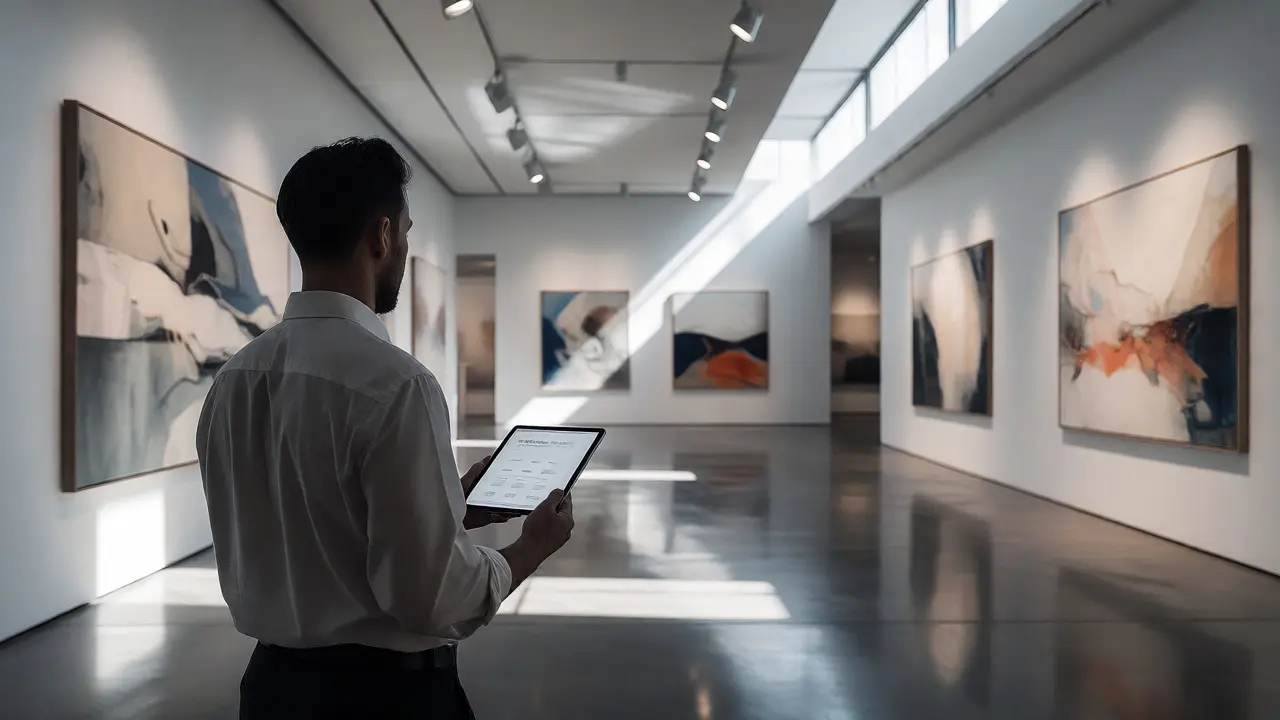
You’ve spent years honing your craft. Your studio is full of work you’re proud of. But when you walk into a gallery or send an email, the response is often silence or a polite rejection. Why? It’s rarely because your art isn’t good enough. It’s usually because your presentation fails to speak the language of the buyer and the curator.
Here’s the hard truth: galleries are businesses. They have limited wall space, tight budgets, and a reputation to protect. When they look at your artist pitch deck, they aren’t just looking for pretty pictures. They’re looking for a viable business partner who can deliver consistent quality, has a clear narrative, and fits their existing roster. If you treat your submission like a hobbyist’s scrapbook rather than a strategic proposal, you’ll get passed over every time.
The Psychology of the Curator
To get representation, you need to understand what keeps a gallerist up at night. It’s not whether they like your brushstrokes. It’s whether your work will sell, if you’re professional enough to handle clients, and if your career trajectory aligns with theirs. A compelling pitch deck answers these unspoken questions before they’re even asked.
Think of your deck as a bridge between your creative vision and their commercial reality. Most artists make the mistake of leading with their biography or their feelings about the work. Don’t do that. Lead with the work itself, but frame it through the lens of context. Who is buying this? Where does it hang? How does it compare to other artists on their wall?
Structure Matters More Than You Think
A standard artist pitch deck should be concise. Ten to fifteen slides max. If you send a fifty-page PDF, most curators won’t open it. Here is the structure that works in 2026:
- Title Slide: Your name, contact info, and one stunning image that defines your current body of work.
- Artist Statement (Brief): Not your life story. A two-paragraph explanation of what you make, why you make it, and the conceptual framework behind it.
- Current Body of Work: 5-7 high-resolution images. These must be sequenced logically, showing development or thematic consistency.
- Past Exhibitions: List venues, dates, and cities. If you haven’t exhibited much, list residencies or notable collections instead.
- CV Summary: Education, awards, publications, and press mentions. Keep it clean and scannable.
- Market Context: This is the differentiator. Show where your work sits in the market. Mention comparable artists and price ranges.
- Why This Gallery?: A specific paragraph explaining why your work fits their program. Do not copy-paste this.
Visual Hierarchy and Image Quality
Your images are your product. If they are poorly lit, cropped awkwardly, or low resolution, the curator assumes your physical work suffers from the same lack of care. Invest in professional photography. It’s worth every penny.
Use a clean, minimalist layout. White space is your friend. Let the artwork breathe. Avoid busy fonts or decorative borders. The design of the deck itself reflects your aesthetic sensibility. If your art is minimalist, your deck should be too. If your work is maximalist and chaotic, a clean deck provides necessary contrast and clarity.
One common pitfall: including installation shots of messy studios or group shows where your piece is tiny. Unless the installation shot demonstrates scale effectively, stick to close-ups of individual pieces. Curators want to see texture, color accuracy, and detail.

Narrative Consistency vs. Variety
Galleries hate uncertainty. If your deck shows five different styles-realism, abstraction, sculpture, digital-they panic. They don’t know how to categorize you, which makes them hesitant to invest marketing dollars in your career.
Show a cohesive body of work. Even if you explore different mediums, the conceptual thread must be visible. For example, if you paint landscapes and make ceramic vessels, explain how both explore the theme of 'decay and renewal.' Connect the dots for them. A coherent narrative reduces risk for the gallery. It tells them you have a sustainable practice, not just a lucky streak of good ideas.
| Element | Common Mistake | Winning Strategy |
|---|---|---|
| Images | Inconsistent lighting; mixed resolutions. | Professional photos; uniform aspect ratios; high DPI. |
| Statement | Overly poetic; vague; too long. | Clear intent; accessible language; under 300 words. |
| Exhibition History | Listed chronologically without context. | Highlighted key venues; grouped by type (solo/group). |
| Market Data | Omitted entirely. | Cited comparable artists; realistic pricing range. |
| Tailoring | Generic "Dear Sir/Madam" email. | Mentioned specific exhibitions or artists on their roster. |
The Art of Tailoring Your Approach
Never send a generic blast to fifty galleries. You will fail. Research each gallery thoroughly. Look at their last three exhibitions. Who did they show? What was the critical reception? Did they sell out?
If a gallery specializes in emerging contemporary painting, don’t pitch them your traditional watercolor landscapes unless you can make a very strong case for why it fits their niche. Reference a recent show they hosted. Say something like, "I saw your exhibition of [Artist Name] last month and appreciated the way you paired their work with sound installations. My upcoming series explores similar intersections of visual and auditory perception."
This shows you’ve done your homework. It flatters their curation skills and proves you’re serious about a partnership, not just dumping inventory.

Handling Rejection and Follow-Ups
Most pitches end in no. That’s normal. In Portland’s competitive scene, I’ve seen talented artists get rejected ten times before landing representation. Don’t take it personally. Sometimes the timing is wrong. Sometimes they already represent someone similar. Sometimes they’re just swamped.
If you don’t hear back after two weeks, send one polite follow-up. Keep it short. "Just checking in to see if you had a chance to review my materials. I remain interested in discussing potential opportunities." If they still don’t reply, move on. Update your deck based on feedback if you get any, then target new galleries.
Consider alternative entry points. Open calls, juried shows, and pop-up spaces can build the resume you need for a top-tier gallery. Representation is a marathon, not a sprint. Your pitch deck is just the starting line.
Key Takeaways
- Be Concise: Keep your deck under 15 slides. Respect the curator’s time.
- Invest in Photography: Poor images kill great art. Hire a pro if needed.
- Show Cohesion: Present a unified body of work, not a variety pack.
- Do Your Homework: Tailor every single submission to the specific gallery.
- Include Market Context: Help them see the commercial viability of your work.
How many images should I include in my artist pitch deck?
Aim for 5 to 7 high-quality images. This number is enough to demonstrate consistency and depth without overwhelming the viewer. Ensure they are sequenced to tell a visual story.
Should I include prices in my pitch deck?
It depends on the gallery's preference, but generally, yes. Include a separate sheet or a final slide with a price list for the works shown. Be realistic and research comparable artists to justify your rates.
What format is best for sending a pitch deck?
PDF is the industry standard. It preserves formatting and is easy to view on any device. Keep the file size under 10MB so it doesn't bounce back from email servers.
How long should my artist statement be?
Keep it under 300 words. Curators skim statements quickly. Focus on the 'what' and 'why' of your work, avoiding overly personal anecdotes or philosophical jargon that obscures meaning.
Is it better to email or mail a physical portfolio?
Email is faster and less intrusive for initial contact. Use it to gauge interest. If invited, bring a physical portfolio or offer to visit. Physical portfolios are expensive and often ignored if unsolicited.