How to Coach Artists for Collector Meetings and Studio Tours
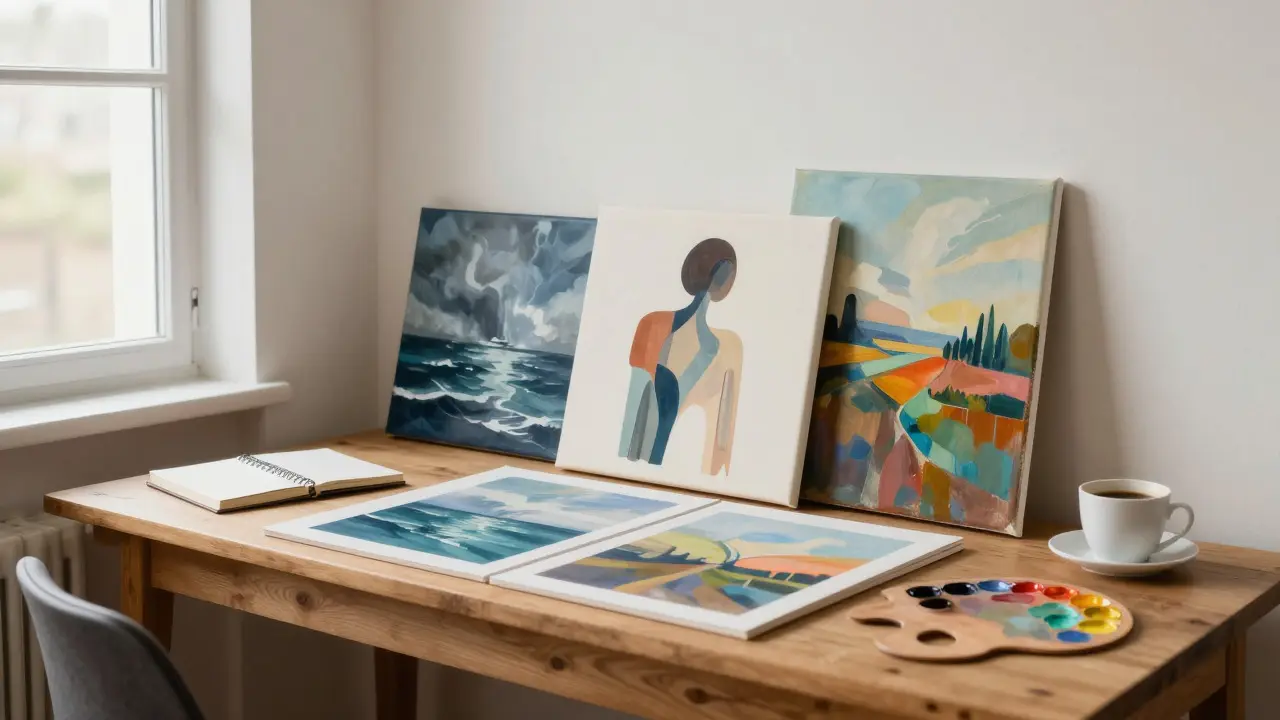
Walking into a collector's home or inviting them into your studio is high-stakes. It’s not just about showing pretty pictures; it’s about building trust. For many artists, the creative process is solitary, but selling is social. This disconnect often leads to awkward silences, missed cues, or deals that fall through despite strong work. The goal here isn't to turn you into a corporate salesperson, but to equip you with the confidence to let your art speak while guiding the conversation naturally.
Effective artist coaching focuses on preparation, presence, and post-meeting follow-up. When you walk in knowing exactly what to say, where to stand, and how to handle objections, collectors feel at ease. They stop analyzing every brushstroke as a potential flaw and start seeing the piece as an investment or a personal connection. Here is how to transform those nervous first encounters into lasting relationships.
Preparing for the Encounter: Know Your Story Before You Show Your Work
Most artists prepare their portfolio by hanging frames and cleaning dust. That’s necessary, but it’s not enough. You need to prepare your narrative. Collectors don’t buy canvases; they buy stories. Before any meeting, define three key talking points for each major piece you’re presenting. These should cover the inspiration, the technical challenge you overcame, and the emotional core of the work.
Avoid vague answers like "I just felt like painting this." Instead, be specific. If you painted a stormy sea, talk about the specific day you stood on the pier in Oregon, the wind speed, and why that turbulence mirrored your own life at the time. Specificity creates credibility. Vague generalizations create doubt. When you can articulate the 'why' behind the art, collectors see the depth of your practice.
- Define the Narrative: Write down a two-sentence summary for your top five pieces. Keep it simple and memorable.
- Predict Questions: List the five most common questions collectors ask (price, size, medium, availability, provenance) and draft concise answers.
- Check Logistics: Ensure all labels are clean, lighting is consistent, and there are no distractions like laundry piles or cluttered tables in the background.
The Studio Tour: Creating an Immersive Experience
Your studio is more than a workspace; it’s a stage. A well-curated studio tour allows collectors to see the artist in their element. It demystifies the process and adds value to the final product. However, a messy studio can signal disorganization, which worries serious buyers who want reliable delivery and care instructions.
Start the tour away from the finished works. Begin in the active workspace where you are currently creating. Let them see the tools, the sketches, and the raw materials. This shows dedication and ongoing productivity. Then, guide them toward the finished pieces. Use hand gestures to direct attention to specific details without physically blocking the view. Stand to the side, never between the collector and the art.
| Aspect | Do | Don't |
|---|---|---|
| Layout | Create clear walking paths with at least 3 feet of space. | Cram pieces together to save space. |
| Lighting | Use neutral white light (5000K-6500K) to show true colors. | Rely on warm yellow bulbs that distort hues. |
| Conversation | Ask open-ended questions about their taste. | Lecture for more than 2 minutes without pausing. |
| Atmosphere | Keep music low or off; let the art be the focus. | Play loud music that drowns out speech. |
Notice the emphasis on lighting. Poor lighting is the silent killer of studio tours. If a blue looks purple because of a bad bulb, the collector might hesitate. Invest in proper track lighting or use portable LED panels if natural light is inconsistent. This small detail signals professionalism and respect for the work.
Navigating Collector Meetings: Reading the Room
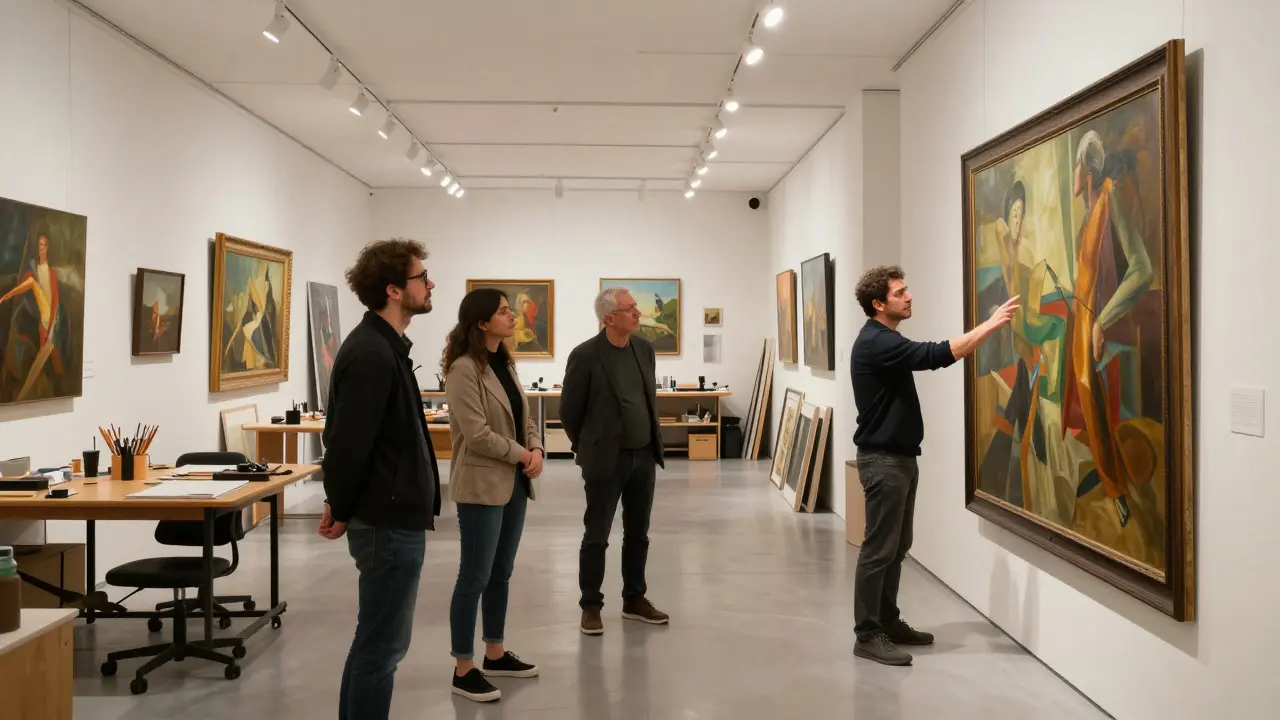
In a formal meeting, whether at a gallery or a hotel suite, dynamics shift. There may be multiple people present: the primary buyer, a spouse, an advisor, or a friend. Your job is to identify the decision-maker early. Usually, it’s the person asking the most detailed questions or the one who controls the pace of the conversation.
Listen more than you talk. Aim for a 70/30 ratio, where the collector speaks 70% of the time. Ask questions like, "What draws you to this particular color palette?" or "How does this piece fit with the rest of your collection?" Their answers give you clues about their preferences and budget constraints without you ever having to ask about money directly.
If the room goes quiet, don’t panic. Silence is often a sign of internal deliberation. Give them space. If you rush to fill the silence with more information, you might overwhelm them. Trust that if they are interested, they will engage. If they aren’t, more talking won’t fix it.
Handling Objections and Price Discussions
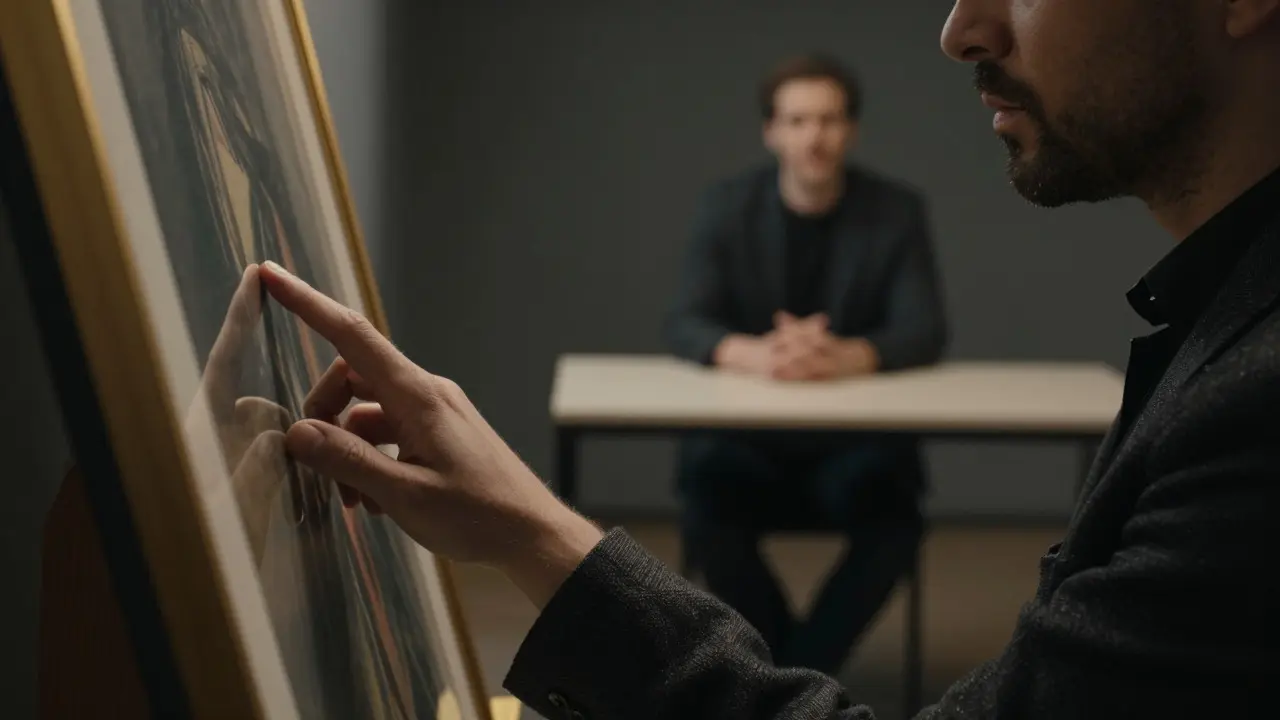
Price is rarely the first objection raised, but it is always in the back of everyone’s mind. When a collector hesitates, they might say, "It’s a bit large," or "I’m still thinking about it." These are soft objections. Your response should be calm and confident, never defensive.
If they question the price, avoid justifying it with your rent or material costs. Instead, anchor the value to the experience and the rarity. Say, "This piece took six months to complete, and I only produce ten large-scale works a year." Scarcity drives value. If they seem unsure, offer a different angle: perhaps a smaller piece in the same series is available, or discuss the long-term appreciation of your work based on past sales.
Never negotiate immediately. If they ask for a discount, pause for three seconds before responding. This brief hesitation shows that the price is firm but flexible. Often, the best "discount" is a free shipping arrangement or a promise to include a future exhibition invitation.
The Follow-Up: Where Relationships Are Built
The meeting ends, but the sale process doesn’t. Many artists think the job is done once the collector leaves. In reality, the follow-up is where the deal is closed. Send a thank-you note within 24 hours. Keep it brief, personal, and free of pressure. Mention a specific detail from your conversation to show you were listening.
For example: "Thank you for visiting my studio last Tuesday. I loved hearing about your interest in the coastal landscapes. As we discussed, I have reserved the 'Stormy Horizon' piece for you until next Friday." This creates gentle urgency without being pushy.
If they haven’t responded after one week, send one final, polite check-in. After that, step back. Chasing a collector too hard can damage the relationship. Keep them informed of new exhibitions or awards via email newsletters, but don’t bombard their inbox. Consistency builds trust over time.
How much should I charge for a studio tour?
Generally, studio tours should be free if you are actively trying to sell work. The cost of the tour is part of the marketing expense. However, if you have a very high-demand schedule, you might limit access to serious inquiries only, rather than charging a fee. Charging a fee can create a barrier for potential buyers who are still evaluating the value of the art.
What if a collector criticizes my work during the meeting?
Stay calm and listen. Ask them to elaborate: "Can you tell me more about what feels off to you?" Often, criticism is a way for them to test your confidence. If the critique is valid, acknowledge it gracefully. If it’s subjective, simply agree to disagree: "That’s a great perspective. Many collectors prefer the softer tones, but I find this intensity compelling." Never get defensive or argumentative.
Should I bring food or drinks to a collector meeting?
Offer water or coffee, but keep it simple. Avoid alcohol unless the setting is very informal and late in the evening. Food can be distracting and risky (spills). The focus should remain on the art. If you do offer refreshments, ensure they are easy to hold and consume without staining hands, so they can continue to touch and point at the artwork comfortably.
How do I handle a group of collectors at once?
Address the group as a whole initially, then make eye contact with the person who seems most engaged. Encourage others to share their thoughts by asking, "Does anyone else have thoughts on this piece?" This prevents one dominant voice from controlling the entire discussion. Keep your descriptions concise so you don’t lose the attention of the quieter members of the group.
Is it okay to mention other sales prices?
Yes, but carefully. Mentioning that a similar piece sold for a certain amount can establish market value. However, avoid comparing your current work directly to a past sale unless they are identical in size and complexity. Phrasing it as "My recent large-scale works have been moving in the $5,000-$8,000 range" provides context without sounding boastful or desperate.