How to Build Long-Term Relationships With Gallerists
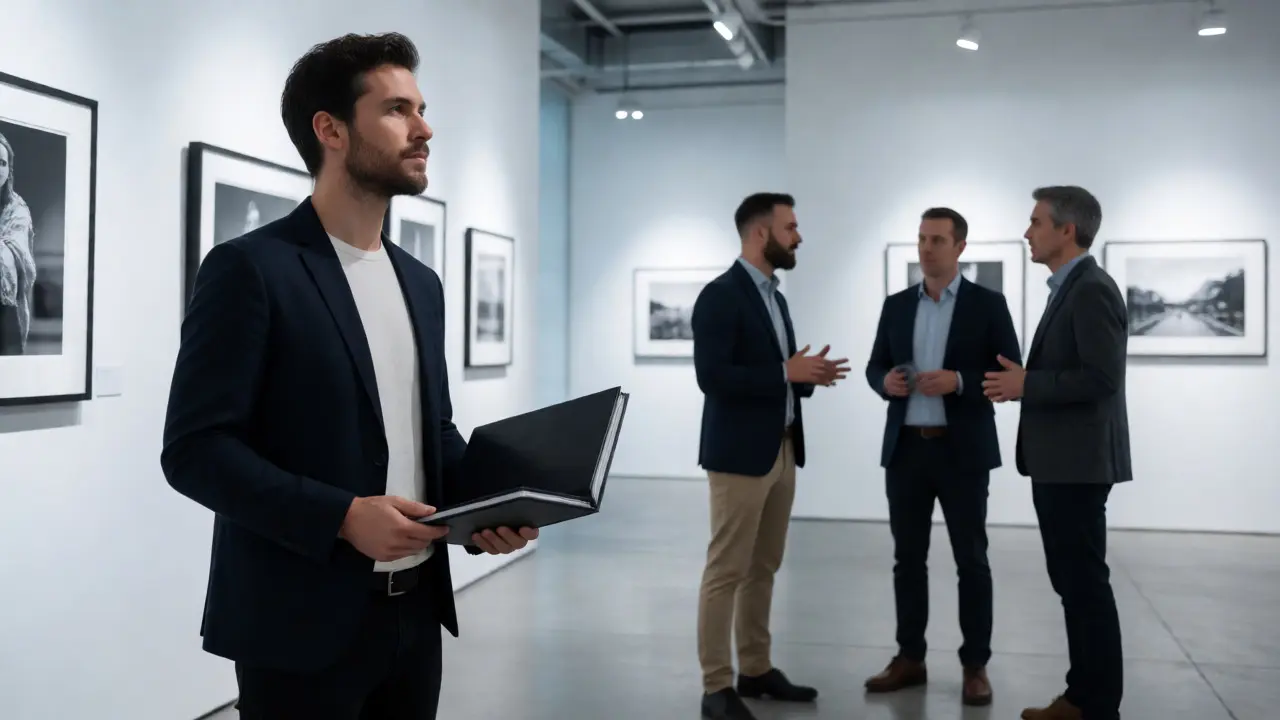
You send the portfolio. You get a polite "no." Or worse, silence. This is the standard experience for most artists trying to break into the commercial gallery world. But here’s the thing: galleries aren’t just looking for good work; they’re looking for partners who won’t disappear after one show. Gallerists are business owners running tight operations with thin margins. They need reliability as much as they need talent. If you want representation that lasts more than six months, you have to stop treating them like gatekeepers and start treating them like colleagues.
The Reality of Gallery Economics
Before you even draft an email, you need to understand what a gallerist is actually buying when they take on an artist. It’s not just the art. It’s the infrastructure. A gallery spends money on framing, insurance, shipping, opening night catering, marketing materials, and staff time. If your work sells poorly or if you miss deadlines, they lose money. According to data from the Art Business Conference, many small galleries operate with profit margins under 10%. This means every new artist is a financial risk.
When you approach a Gallery Owner or director, you are asking them to bet their capital on your consistency. Do you produce enough work to fill a solo show? Will you be available for events in New York if the gallery is there? Can you handle custom requests without throwing a tantrum? These are the questions keeping them up at night. Addressing these concerns proactively shows you respect their business model.
Research Is Not Optional
Sending a mass email to fifty galleries with a generic "Dear Sir/Madam" is a fast track to the trash folder. Gallelists receive hundreds of submissions monthly. To stand out, you must demonstrate specific knowledge about their program. Don’t just look at their website homepage. Look at their recent exhibition history. Who did they represent last year? What was the critical reception? Did they sell well?
If you see an artist whose style or medium aligns with yours, study their trajectory. Did they start with group shows before getting a solo? Mentioning this in your outreach proves you’ve done your homework. For example, saying "I noticed you represented Jane Doe, whose use of light influenced my recent series," creates an immediate connection. It signals that you understand their curatorial vision. You’re not just dumping your art on their desk; you’re showing how you fit into their existing narrative.
The First Contact Strategy
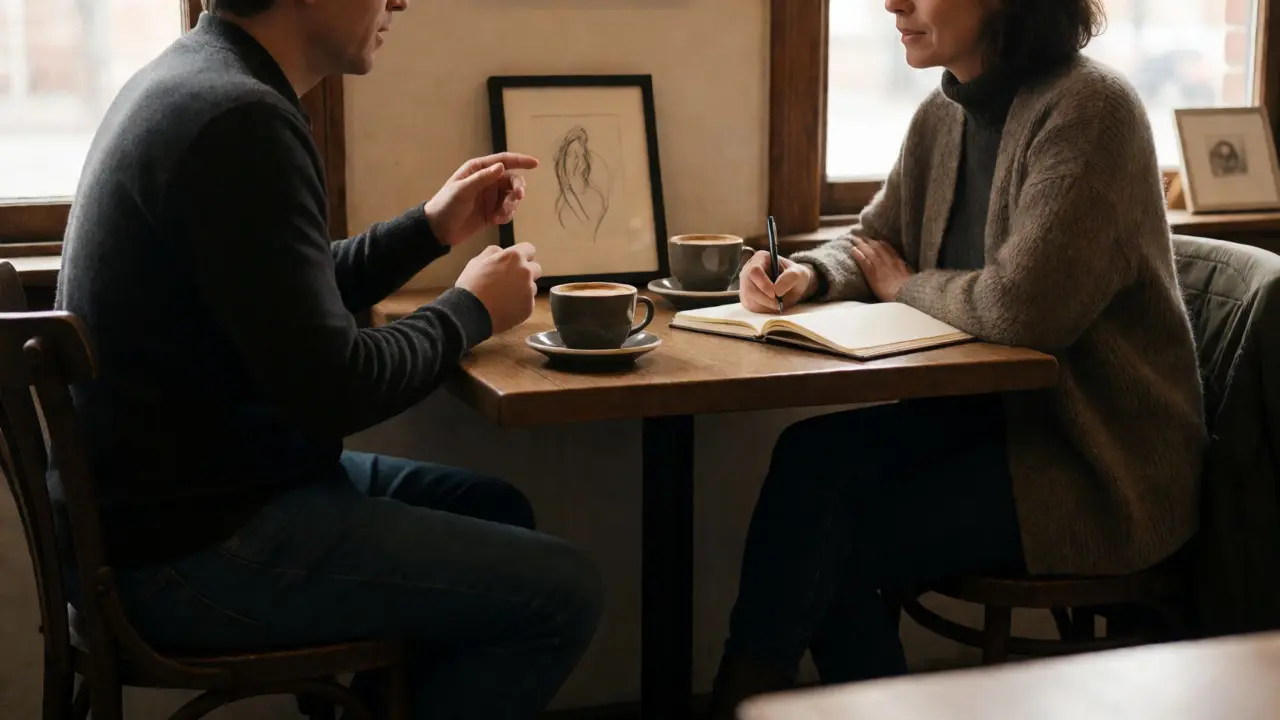
Most artists fail because they ask for too much too soon. They want a contract, a solo show, and international exposure all in the first meeting. Start smaller. The goal of initial contact isn’t representation; it’s a conversation. Ask for feedback on a specific piece or request a brief coffee chat if you are in the same city. If you are remote, ask if they would be open to reviewing a digital portfolio focused on one cohesive body of work.
| Approach | Success Rate | Gallerist Perception |
|---|---|---|
| Blast Email | Low (1-2%) | Spammy, low effort |
| Tailored Inquiry | Medium (5-10%) | Professional, respectful |
| In-Person Visit | High (15-20%) | Committed, local presence |
Notice the difference between a blast email and a tailored inquiry. The latter takes time but yields better results. When you visit in person, do not drop off a stack of prints unless invited. Ask if it’s a good time to talk. If they are busy, leave a business card and follow up via email within 48 hours referencing your conversation. This personal touch builds trust faster than any PDF attachment.
Nurturing the Relationship Post-Meeting
Let’s say you got the meeting. Now what? Many artists think the hard part is over. It’s not. The relationship begins now. Follow up immediately with a thank-you note that includes any promised materials. Keep it concise. Then, wait. Do not pester them weekly. Galleries move slowly because they plan schedules months in advance.
Instead of asking "Did you decide?", add value. Send them news articles relevant to their interests or invite them to a non-commercial studio visit. Show them you are active in the community. Attend their openings. Introduce yourself to other artists they represent. Becoming part of their ecosystem makes you less of an outsider and more of a peer. When they eventually need to fill a slot in their schedule, you’ll be top of mind because you’re already visible.
Handling Rejection and Feedback
You will hear "no" more often than "yes." How you handle rejection defines your long-term potential. If a gallerist says your work isn’t right for their current roster, ask for constructive feedback. Be gracious. Thank them for their time. Then, keep them updated. If you evolve your practice based on their advice, send a brief update three months later. "I took your suggestion about color palette seriously. Here’s my latest work." This demonstrates coachability, a trait highly valued by mentors.
Sometimes, a "no" today becomes a "yes" in two years. Artists grow. Galleries change directions. By maintaining a professional, non-needy demeanor, you keep the door ajar. I’ve seen artists get signed by galleries that initially rejected them because they kept showing up consistently without being pushy. Patience pays dividends in this industry.

Communication Style Matters
Once you are working together, communication habits can make or break the partnership. Gallelists are juggling dozens of clients, collectors, and administrative tasks. They appreciate brevity and clarity. Avoid sending vague emails like "Just checking in." Instead, state your purpose clearly: "Here are the dimensions for the upcoming installation," or "I’m available for the collector dinner next Thursday."
Also, respect boundaries. Don’t call late at night unless it’s an emergency. Use email for non-urgent matters. If you disagree with a pricing decision or a marketing choice, discuss it privately, not in front of collectors. Public disagreements undermine their authority and your professionalism. Remember, they are advocating for you to buyers. You need to present a united front.
Long-Term Value Beyond Sales
A long-term relationship isn’t just about selling paintings. It’s about mutual growth. As your reputation grows, bring opportunities to the gallery. Recommend other artists they might consider representing. Share insights from collectors who buy your work. Become a resource, not just a supplier. When you contribute to the gallery’s success beyond your own sales, you become indispensable.
Consider co-hosting events or collaborating on publications. These activities deepen the bond and showcase your commitment to the gallery’s brand. In Portland, where I live, many successful artist-gallery partnerships thrive on community engagement rather than just transactional sales. Building a network around the gallery strengthens everyone’s position in the market.
How often should I contact a gallerist after submitting my portfolio?
Wait at least four to six weeks before following up. Galleries review submissions in batches. Sending multiple emails in a short period can appear desperate or disorganized. A single, polite follow-up referencing your initial submission date is sufficient.
Should I pay for gallery representation?
No, reputable galleries do not charge upfront fees for representation. They earn commission (typically 30-50%) only when your work sells. Be wary of galleries asking for "membership fees" or "marketing costs" upfront, as these are often red flags for scams or low-quality operations.
What if a gallerist ignores my emails?
Assume they are busy, not necessarily rejecting you. Try a different channel, such as visiting during public hours or connecting via social media with genuine engagement. If no response comes after two attempts spaced a month apart, move on. There are many galleries; don’t burn bridges by being persistent to the point of annoyance.
Is it better to approach large or small galleries first?
Start with mid-sized or emerging galleries that align closely with your aesthetic. Large blue-chip galleries often require established careers and strong collector bases. Smaller galleries may offer more personalized attention and flexibility, allowing you to build a track record before scaling up.
How do I maintain the relationship once I am represented?
Be reliable, communicate proactively, and participate in gallery events. Treat the gallery as a business partner. Provide high-quality documentation of your work, meet production deadlines, and support the gallery’s marketing efforts. Consistency builds trust over time.