How to Build a Digital Marketing Strategy for Art Galleries in 2026

Quick Wins for Gallery Growth
- Hyper-Personalization: Stop sending the same email to every collector. Use data to send specific artists to people who actually like that style.
- Immersive Previews: Use AR and 3D tours to let collectors "place" art in their home before visiting.
- Micro-Influencer Partnerships: Partner with interior designers and niche art critics rather than generic celebrities.
- Omnichannel Presence: Seamlessly move a customer from a TikTok video to a private viewing room.
Defining Your Digital Identity
Before you spend a dime on ads, you need to know who you are in the digital space. A digital marketing strategy is a comprehensive plan to attract, engage, and convert art collectors using online channels. In 2026, this isn't just about having a website; it's about creating a digital ecosystem that reflects the prestige of your physical space.
Think about your unique value. Are you a gateway for emerging talent, or a fortress for blue-chip masters? Your branding needs to be consistent. If your gallery is minimalist and avant-garde, your website shouldn't feel like a cluttered e-commerce store. It should feel like a digital sanctuary. Use high-resolution imagery and a clean UI (User Interface) to ensure the art remains the star of the show. When a collector lands on your page, they should immediately feel the "vibe" of your gallery.
The New Era of Art Discovery
People find art differently now. While Instagram is still a powerhouse, the shift toward short-form video is total. TikTok and YouTube Shorts have become the primary discovery engines for Gen Z and Millennial collectors. They don't want a static photo; they want to see the brushstrokes, the scale of the canvas, and the artist talking about their inspiration.
To win here, stop posting "Gallery Opening Friday" flyers. Instead, create "Story-First" content. Film a 30-second clip of the artist's process or a time-lapse of a piece being installed. This builds an emotional connection. When a viewer feels they know the artist, the price tag becomes a secondary consideration to the emotional value of the work.
| Channel | Primary Goal | Audience Type | Conversion Rate |
|---|---|---|---|
| Instagram/TikTok | Discovery & Awareness | New/Young Collectors | Medium |
| Email Marketing | Retention & Sales | VIP/Existing Clients | High |
| Search Engine Optimization | Intent-Based Traffic | Serious Buyers | Medium-High |
| AR/VR Experiences | Engagement/Validation | High-Net-Worth Individuals | Medium |
Mastering the Art of Search
When someone searches for "Contemporary Abstract Art in New York," you want to be the first result. This is where Search Engine Optimization (or SEO) comes in. In 2026, SEO isn't just about keywords; it's about authority and context. Google's algorithms now prioritize "Expertise, Experience, Authoritativeness, and Trustworthiness" (E-E-A-T).
To rank higher, stop writing generic blog posts. Instead, create deep-dive essays on art movements or detailed interviews with your artists. When you provide genuine educational value, search engines see you as an authority. Use specific, long-tail keywords. Instead of targeting "Art Gallery," target "Mid-century modern sculpture gallery in [Your City]." This attracts people who are actually looking for what you sell, rather than casual browsers.

Converting Browsers into Collectors
The biggest mistake galleries make is treating their website like a digital brochure. Your site should be a lead-generation machine. Use Conversion Rate Optimization (CRO) techniques to guide users toward a goal. This might be signing up for a private preview, requesting a price list, or booking a virtual consultation.
Implement a "Request Pricing" button instead of listing every price publicly. This allows you to capture a lead (an email and name) before giving away the price. Once you have that lead, the sale moves from an automated website to a personal relationship. Art is a luxury purchase; it requires a human touch. Use your digital tools to start the conversation, but use your expertise to close the deal.
The Power of the VIP Email List
Social media is rented land. If the algorithm changes tomorrow, you lose your reach. Your email list is the only asset you truly own. In 2026, the "mass blast" newsletter is dead. The successful galleries use Email Automation to create personalized journeys.
Imagine a collector who only buys landscape photography. Why are they getting emails about pop-art sculptures? Segment your list based on purchase history and browsing behavior. Send a "Sneak Peek" email to your top 10% of clients 48 hours before a public opening. This makes them feel like insiders and ensures your most expensive pieces are sold before the doors even open to the public.
Leveraging Immersive Technology
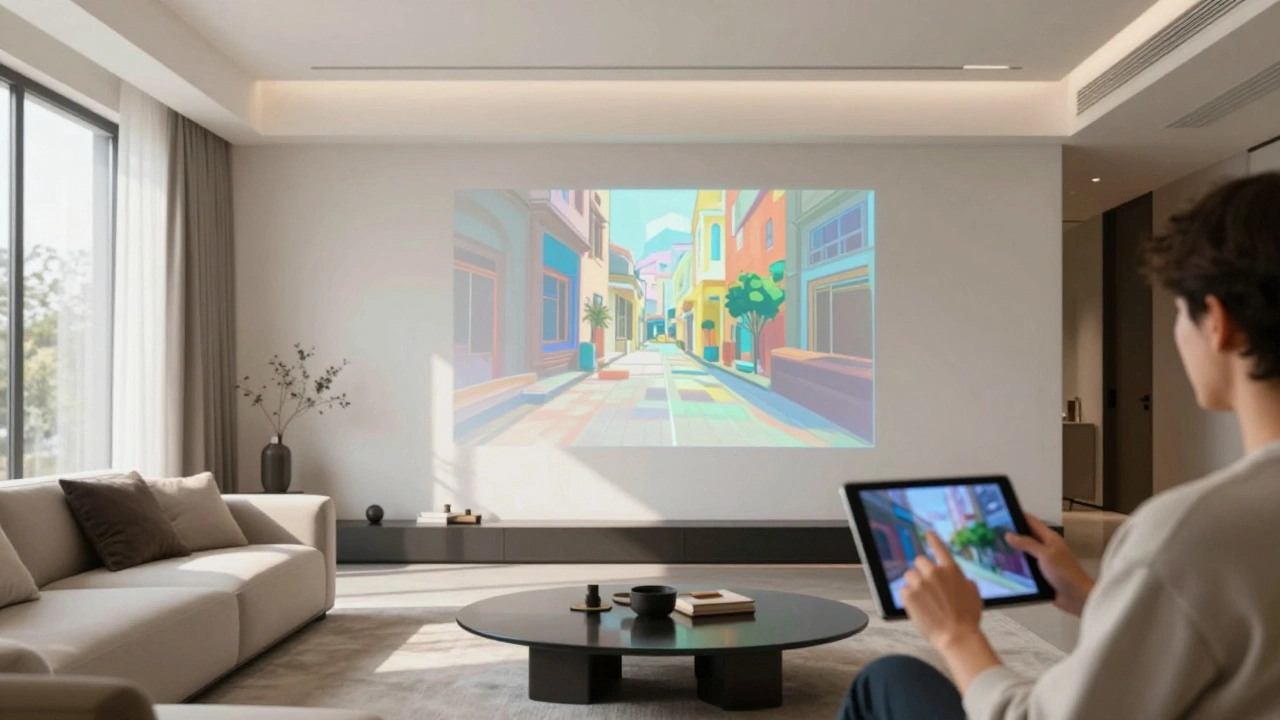
The 2026 landscape is defined by Augmented Reality (AR). Collectors are now using their phones to project a painting onto their own living room wall to see if the scale and color work with their furniture. If your gallery doesn't offer an "AR View" feature, you're adding friction to the buying process.
Beyond AR, virtual tours have evolved. We're no longer talking about clunky 360-degree photos. We're talking about high-fidelity, real-time digital twins of your gallery where collectors from across the globe can walk through an exhibition. This expands your market from a local city to the entire world. A collector in Tokyo can now "visit" your Portland gallery, feel the space, and purchase a piece via a secure digital checkout.
Measuring Success Beyond the Like
Likes and follows are vanity metrics. They don't pay the rent. To know if your digital marketing for art galleries is working, you need to track KPIs (Key Performance Indicators) that actually matter. Look at your "Cost Per Acquisition" (CPA)-how much are you spending on ads to get one new collector? Track your "Customer Lifetime Value" (CLV)-how often does a buyer return to purchase a second or third piece?
Use tools like Google Analytics 4 or specialized CRM (Customer Relationship Management) software to see where your buyers are coming from. If you find that 70% of your sales come from a specific niche art blog, double down on that relationship. If your expensive Facebook ads are bringing in thousands of likes but zero sales, kill the campaign and pivot your budget to high-intent search ads.
How much should a small gallery spend on digital marketing?
For a small gallery, a budget of 5% to 10% of annual projected revenue is a healthy starting point. Focus the bulk of this on high-quality content production (photography and video) and targeted social ads during exhibition openings. It is better to spend $500 on a professional videographer for one artist than $500 on generic ads that don't showcase the art's quality.
Should art galleries sell directly through their websites?
Yes, but with a caveat. Lower-priced works or prints should have a seamless "Buy Now" option to capture impulse buyers. For high-ticket original pieces, use a "Inquire for Price" or "Request Private Viewing" button. This preserves the prestige of the work and allows the gallerist to vet the buyer and build a relationship.
Which social platform is best for art in 2026?
It depends on your target demographic. For Gen Z and Millennials, TikTok and Instagram are non-negotiable for discovery. For older, established collectors, LinkedIn is surprisingly effective for networking with high-net-worth individuals and corporate art consultants. A balanced strategy uses TikTok for the top of the funnel (awareness) and email/LinkedIn for the bottom (closing).
How do I handle pricing in a digital strategy?
Transparency is trending, but exclusivity still sells. A hybrid approach works best: list prices for prints and small works to reduce friction, but keep primary works "upon request." This encourages the collector to start a conversation, which is where the actual selling happens.
Is SEO still relevant for galleries?
Absolutely. While social media is for discovery, SEO is for intent. When a collector searches for a specific artist or a style of art, they have a high intent to buy. Being the top result for "Contemporary sculpture galleries in [City]" captures a lead that is much closer to a purchase than someone scrolling through a social feed.
Next Steps for Your Gallery
If you're feeling overwhelmed, start with a simple audit. Look at your website on a mobile phone. If it takes more than three seconds to load or if the art looks blurry, that's your first priority. Next, pick one artist and create a short-form video series about their work-post it to TikTok and Instagram Reels. Finally, look at your client list and start segmenting them by their tastes. You don't need to master every tool overnight; you just need to stop treating your digital presence as an afterthought and start treating it as your most valuable gallery wall.