How to Build a Cohesive Art Collection: Strategy, Themes, and Growth
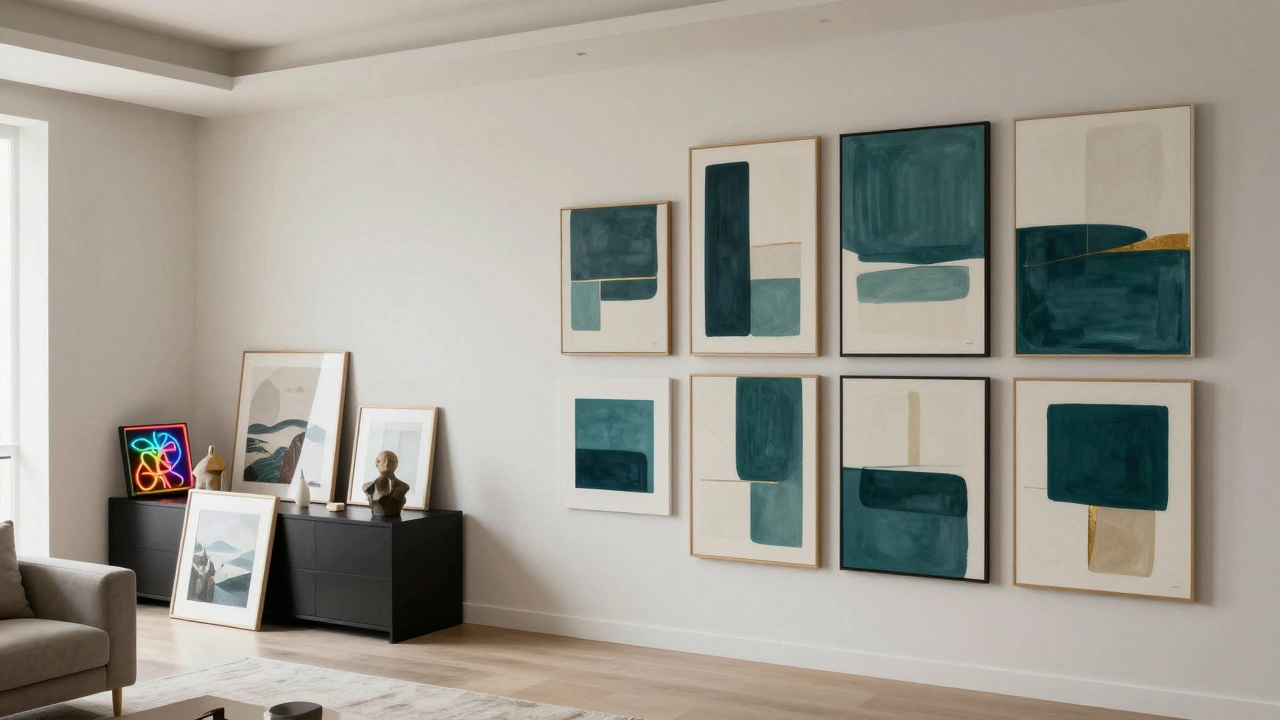
Key Takeaways for New Collectors
- A cohesive collection isn't about matching colors; it's about a shared conceptual or aesthetic thread.
- Growth should be slow and intentional to avoid "collector's fatigue" and financial burnout.
- Diversification protects your investment, while specialization builds your reputation as a collector.
- Documentation is just as important as the art itself for long-term value.
Defining Your Collection's North Star
Before you spend another dime, you need to figure out what you're actually chasing. A art collection is a curated assembly of visual works acquired by an individual or institution based on specific aesthetic, historical, or emotional criteria. Without a theme, you're just shopping. With a theme, you're curating.
Themes usually fall into three buckets: medium, concept, or era. A medium-based theme might focus exclusively on Oil Painting or perhaps contemporary Digital Art and NFTs. A conceptual theme is deeper-maybe you're interested in "the intersection of urban decay and nature" or "minimalist interpretations of grief." An era-based theme might be a deep dive into Mid-Century Modernism or the Harlem Renaissance.
Ask yourself: what is the one thing every piece in my house has in common? If the answer is "I liked it at the time," you have a starting point, not a theme. Start by auditing what you already own. Look for patterns. Do you lean toward high-contrast colors? Do you prefer abstract forms over figurative ones? That pattern is your organic theme.
The Mechanics of Strategic Growth
Growing a collection is a marathon, not a sprint. The biggest mistake novices make is "panic buying" during a hot market trend. You see everyone buying a certain artist on Instagram, and you jump in. This is how you end up with pieces that don't fit your original vision.
A better approach is the "pyramid method." Start with a wide base of affordable works-prints, sketches, or emerging artists-to test your tastes. As you refine your theme, move toward "anchor pieces." These are the high-value works that define the collection's quality and direction. If you're collecting Abstract Expressionism, your base might be small works by local artists, while your anchor piece might be a verified work from a mid-career artist with a strong exhibition record.
Pace your acquisitions. Buying one significant piece a year is often more rewarding than buying ten mediocre pieces in a month. It gives you time to live with the art, see how it interacts with your space, and adjust your theme if you find your interests shifting.
Balancing Taste and Investment Value
There is a constant tension between buying what you love and buying what will hold its value. If you only buy for investment, your home becomes a vault, not a living space. If you only buy for taste, you might ignore the financial health of your collection.
| Feature | Passion Collecting | Investment Collecting |
|---|---|---|
| Primary Driver | Emotional Resonance | Market Demand/Resale Value |
| Risk Tolerance | High (Value doesn't matter) | Low (Requires provenance/liquidity) |
| Artist Stage | Emerging or Unknown | Blue-chip or Established |
| Buying Cycle | Impulsive/Intuitive | Analytical/Data-driven |
The sweet spot is "informed passion." This means you buy what you love, but you do your homework. Check the artist's Provenance-the record of ownership. Look at their exhibition history. Have they been shown in reputable galleries or museums? A strong provenance doesn't just guarantee authenticity; it acts as a seal of approval from the art world's gatekeepers.
Navigating the Art Market Ecosystem
Where you buy determines what you get. A Commercial Gallery offers a curated experience and often handles the vetting for you, but they charge a premium. Art fairs are great for seeing a wide variety of styles in one place, but they can be overwhelming and high-pressure.
For those looking for a more direct connection, artist-run spaces or Studio Visits provide a raw look at the creative process. When you visit an artist in their studio, you're not just buying a finished product; you're buying into their vision. This is where the most cohesive collections are often born, as the collector becomes a patron of the artist's growth.
Don't forget the secondary market. Auction houses like Sotheby's or Christie's are where you find established works, but they can be intimidating. For a more accessible entry into the secondary market, look at boutique online platforms that specialize in specific eras or styles.
The Technical Side: Preservation and Curation
Buying the art is only half the battle. The other half is keeping it from falling apart. Many collectors ignore the environment until it's too late. Sunlight is the enemy of pigment; UV rays will bleach a vibrant painting into a ghost of itself within a few years. Use museum-grade glass for framing and keep your art away from direct heat sources or humid bathrooms.
Curation is the art of editing. As your collection grows, you'll realize that some pieces no longer fit. This is the hardest part of art collecting: letting go. Selling a piece that you once loved but no longer aligns with your theme is not a failure. It's an evolution. The funds from a sale can then be used to acquire a piece that better fits your current trajectory.
Keep a digital archive. Every piece should have a record containing the date of purchase, price, artist contact info, and a high-resolution photo. If you ever decide to insure your collection or sell a piece, having a professional ledger makes you look like a serious collector and ensures you get a fair price.
Common Pitfalls to Avoid
One of the most common traps is the "Gallery Pressure" loop. A gallery owner might tell you that a piece is "about to take off" or that another collector is interested. This creates a false sense of urgency. A cohesive collection is built on patience. If a piece truly fits your theme, it will still fit your theme tomorrow.
Another mistake is ignoring the scale of the work. A tiny painting on a massive white wall looks like a postage stamp. Conversely, a huge canvas in a small room feels claustrophobic. Think about the physical relationship between the art and the architecture of your home. The art should enhance the space, not fight it.
Finally, avoid the "Trend Trap." Avoid collecting what is currently "viral." Trends in art move fast-sometimes too fast. If you buy into a trend without a deeper connection to the work, you'll likely find the piece boring once the hype dies down. Focus on timelessness over trendiness.
How do I know if an artist is a good investment?
Look for consistency and institutional validation. Does the artist have a clear, evolving style? Are they being picked up by museums or non-profit galleries? While there are no guarantees, an artist with a strong exhibition record and a dedicated following is generally a safer bet than someone who is simply popular on social media.
What is the best way to start a collection on a budget?
Start with works on paper, such as sketches, watercolors, or limited edition prints. These are significantly more affordable than canvases but allow you to collect works from highly respected artists. Additionally, look for emerging artists at local art fairs or graduate shows where the prices are lower because the artists are just starting their careers.
Should I hire a professional art consultant?
If you have a significant budget and limited time, a consultant can be invaluable. They provide access to "closed" gallery lists and can help you navigate the complexities of the market. However, if you're collecting for passion, doing the legwork yourself is part of the joy. Only hire a consultant if you feel overwhelmed by the technical side of acquisitions.
How do I choose a theme if I like everything?
Start by collecting for a year without a strict theme. After twelve months, look at your acquisitions. You'll likely notice a subconscious pattern-perhaps a preference for a certain color palette, a specific mood, or a recurring subject. Use that discovered pattern as the foundation for your formal theme.
How often should I rotate my art?
Rotating your art every 6 to 12 months prevents "visual boredom" and protects your works from prolonged exposure to light and dust. It also allows you to see how different pieces in your collection interact with one another, which can help you identify which works are truly the strongest in your collection.
Next Steps for Your Collection
If you're feeling stuck, start with a simple audit. Lay out photos of everything you own and try to group them by emotion or style. Once you see the clusters, you'll know where the gaps are. From there, spend the next month visiting three galleries or studios that fall within those clusters. Don't buy anything immediately; just observe how the works make you feel in person. The goal is to move from being a consumer of art to a curator of a vision.