How to Ask Better Questions During Museum Visits
Most people walk through museums like they’re on a timed grocery run-eyes scanning labels, feet moving fast, minds already on the next thing. But museums aren’t just rooms with old stuff. They’re time machines, storytelling labs, and quiet conversations across centuries. The difference between a forgettable visit and a memorable one? Questions.
Stop Looking, Start Wondering
You don’t need to be an expert to ask a good question. You just need to be curious. Too many visitors skip the step of wondering entirely. They read the plaque, nod, and move on. But what if you paused and asked: Why did they make this? Or: Who was this really for? These aren’t fancy questions. They’re human ones.A painting from 1783 might look like a simple portrait. But if you ask, What was the artist trying to prove by showing this person with a dog and a book?-you’re not just looking at art. You’re stepping into a world of status, education, and power. That’s when the museum comes alive.
Start With What You Already Know
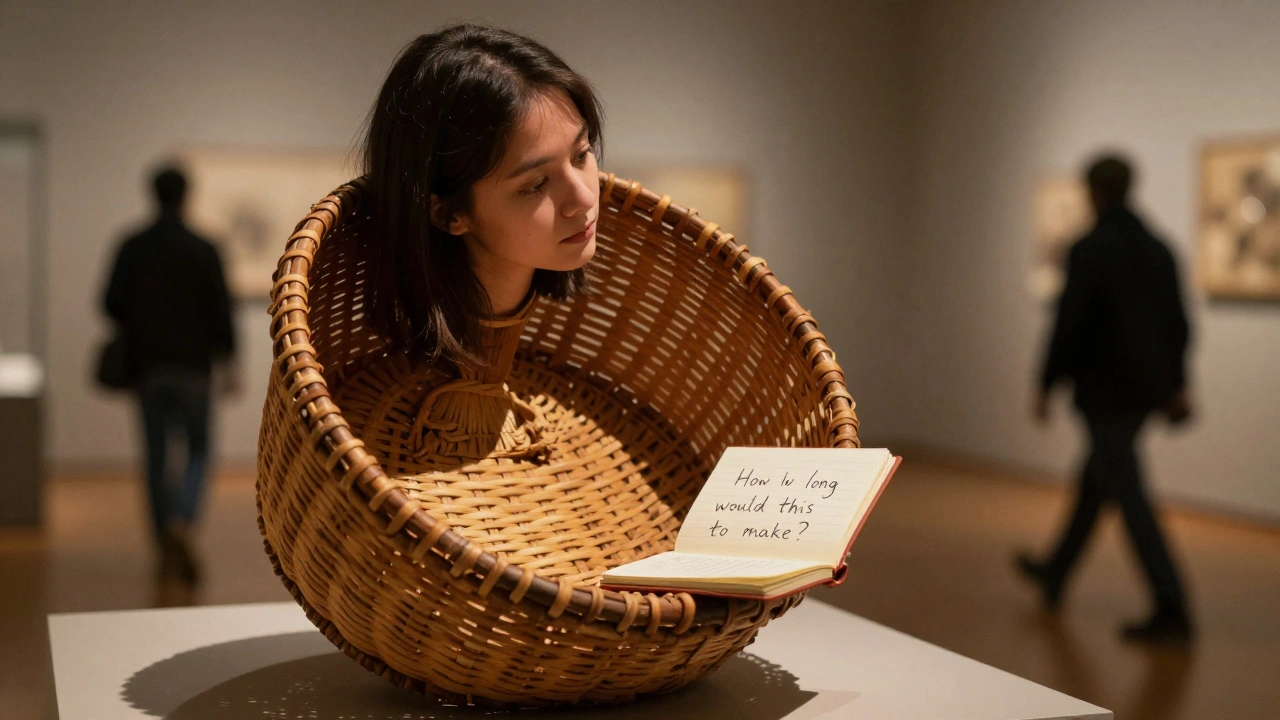
Before you even step into the gallery, think about what you already know. Maybe you’ve read about the Industrial Revolution. Maybe you’ve seen a similar object in a movie. Use that. Your personal connection is your best starting point.At the Portland Art Museum, there’s a 19th-century Native American basket woven from cedar bark. If you’ve ever seen a woven blanket or a handmade rug at home, you might ask: How long would this take someone to make? Would they have done this every day, or only for special occasions? You’re not guessing. You’re connecting. And that’s how real learning starts.
Ask About the People Behind the Objects
Museums often focus on the object. But objects don’t exist in a vacuum. They were made, used, traded, broken, repaired, and passed down. Who made it? Who owned it? Who cared for it?At the Metropolitan Museum of Art, a Roman glass cup sits under glass. Most people read the date: 1st century CE. But if you ask, Who drank from this? Was it a soldier, a child, a merchant?-you’re shifting the story. Maybe it was a child’s toy. Maybe it was used in a wedding. Maybe it was thrown away after a party. The answer might be lost, but the question brings the past back to life.
Question the Display Itself
Why is this object here? Why is it next to that one? Why is it lit this way? Museums make choices. Every label, every case, every lighting angle tells a story. Sometimes, that story is incomplete.At the Smithsonian, a collection of African masks is displayed with no mention of where they were taken from. You might ask: How did this end up here? Was it bought? Taken? Given? That’s not a rude question. It’s necessary. Museums are shaped by history, politics, and power. Asking about the display means you’re thinking critically about what you’re seeing-and what’s missing.
Use the Staff. They’re Not Just Guards.
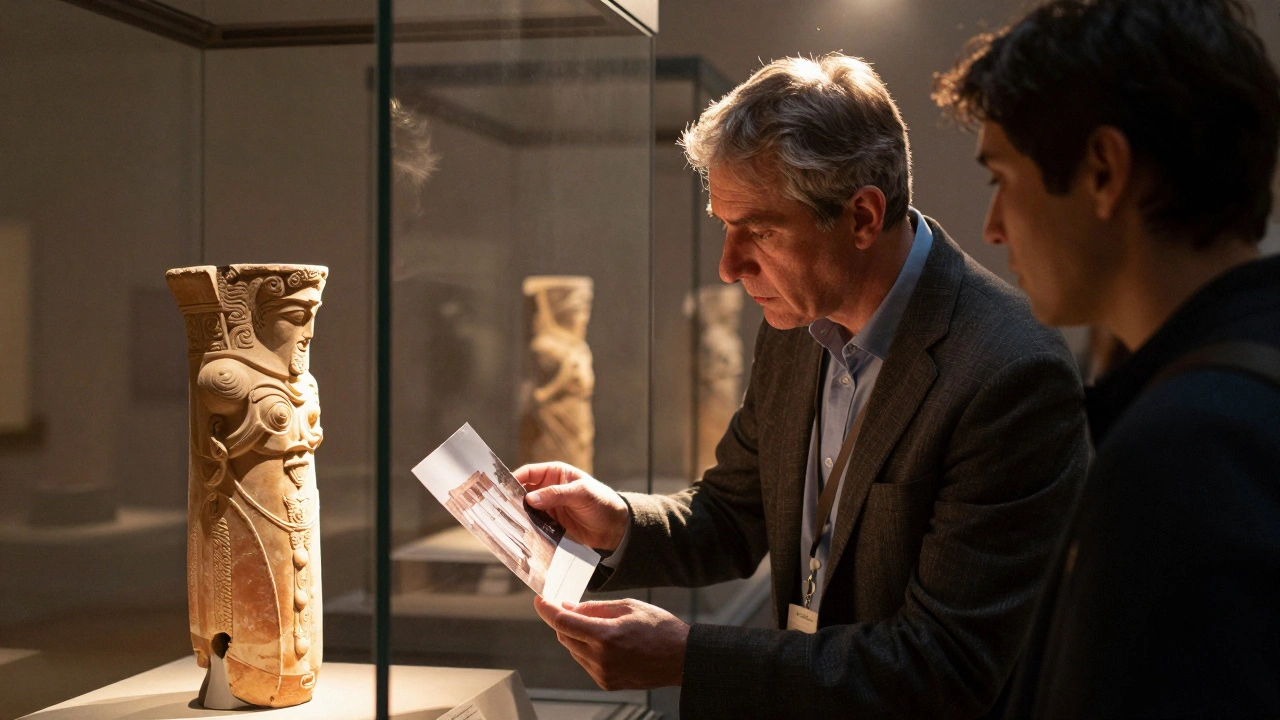
Docents, educators, and even security staff often know more than you think. They see hundreds of visitors a day. They hear the same questions over and over. But they also hear the rare ones-the ones that make them pause and say, That’s a great question.Don’t wait for a guided tour. If you see someone in a museum shirt, ask them: Is there something here you wish more people asked about? You’ll be surprised. One docent at the Getty Center told me she loves when people ask, What would this look like if it were still in its original place? That question led her to pull out a photo of the artifact in its original temple. No one had asked before.
Bring a Notebook. Even If You Hate Writing.
You don’t need to write essays. Just jot down one question per object that catches your attention. It doesn’t have to be deep. It just has to be real.- Why is this color so faded?
- What would this sound like if it were still working?
- Who decided this was worth saving?
Later, you’ll look back at those notes and realize you didn’t just visit a museum. You had a conversation with history.
Don’t Fear the Silence
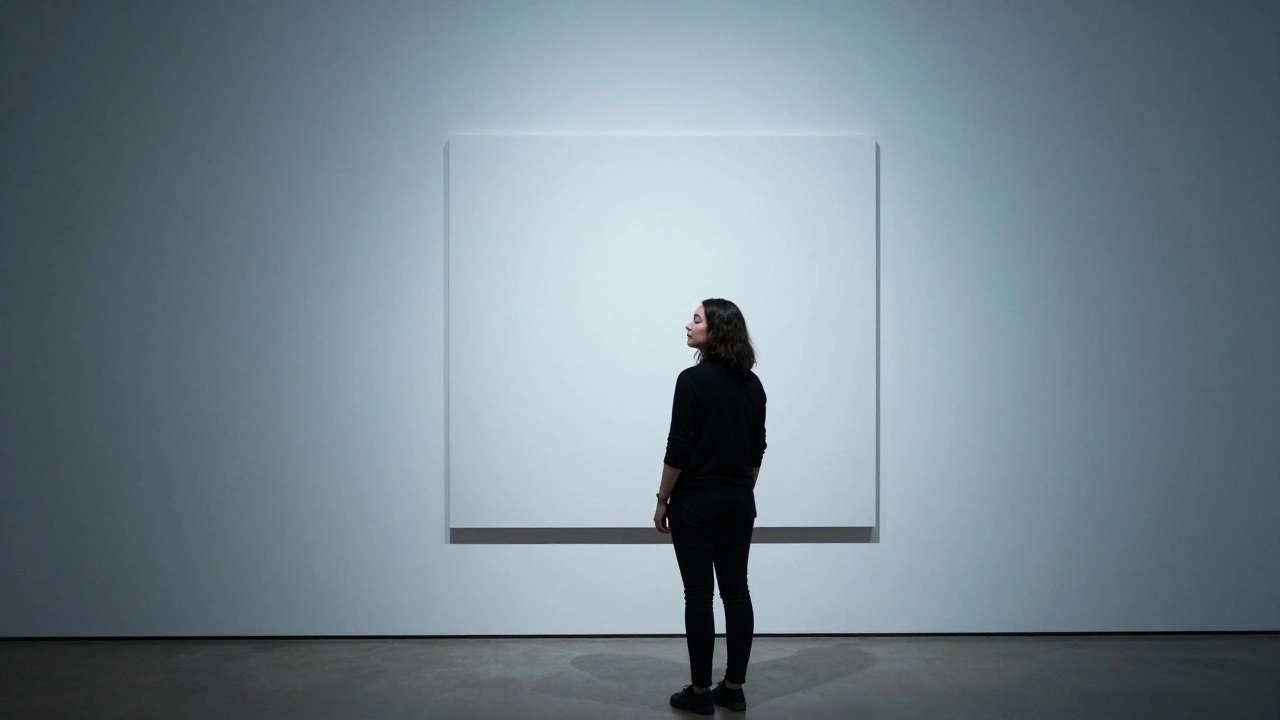
Some of the best questions come after silence. After you’ve stared at something for a full minute, without reading the label, without checking your phone. What do you feel? Confused? Intrigued? Discomforted? That’s your mind asking questions before your mouth can speak them.At the Tate Modern, a visitor once stood in front of a blank canvas for 17 minutes. Then she asked the guard: Is this art because someone said it was, or because I feel something looking at it? The guard smiled and said, That’s the best question I’ve heard all week.
Ask About the Future, Not Just the Past
Museums aren’t just about what’s gone. They’re about what’s next. Ask: What will future visitors think of this? Or: Will this still matter in 100 years?At the Museum of Modern Art, a visitor asked about a digital art piece: What happens when the software stops working? That led to a 20-minute talk about preservation, obsolescence, and how museums are now archiving code, not just pixels.
Turn Questions Into a Habit
You don’t need to visit a museum every week to get better at asking questions. Just practice in small ways. Look at a photo in your house. Ask: Why was this taken? Who’s in it? What were they feeling? Look at a broken toy. Ask: How did it break? Who fixed it? Did they try again?That’s the real skill-not asking perfect questions in a museum. It’s learning to wonder anywhere.
What if I don’t know anything about the art or history in the museum?
You don’t need to know anything. In fact, not knowing is your advantage. The best questions come from curiosity, not knowledge. Try asking: What’s the weirdest thing about this? or What would this look like if it were made today? These don’t require facts. They just require you to pay attention.
Can I ask questions during a guided tour?
Yes-and you should. Most tours are designed for interaction. A good guide will welcome questions. If you’re worried about interrupting, wait for a pause or ask after the tour. Many museums have quiet hours or post-tour Q&A sessions. Don’t assume you’re bothering anyone. You’re probably helping others by asking.
Are there questions I should avoid?
Avoid questions that assume the answer or shut down conversation, like Is this real? or Why is this so ugly? Instead, reframe them. Ask: How do we know this is authentic? or What was the artist trying to express here? The goal isn’t to judge. It’s to understand.
How do I know if my question is good?
A good question doesn’t have a single right answer. It opens a door. If someone pauses, leans in, or says, That’s something I’ve never thought about, you’ve got it. Good questions make people think differently. They don’t test knowledge-they expand perspective.
What if I’m shy and don’t want to speak out loud?
Write it down. Many museums now have digital question boards or paper pads near exhibits. Some even have QR codes that let you submit questions anonymously. You can also ask yourself the questions as you walk. The act of formulating them-even silently-changes how you see everything.
What Happens After the Visit?
The real value of asking better questions doesn’t end when you leave the museum. It lives in how you see the world after. You start noticing how things are displayed in stores, how stories are told in ads, how history is shaped in movies. You begin to wonder-not just about museums, but about everything.That’s the quiet magic of museums. They don’t just show you the past. They teach you how to look.