Hosting Corporate Events in Art Galleries: A Practical Guide
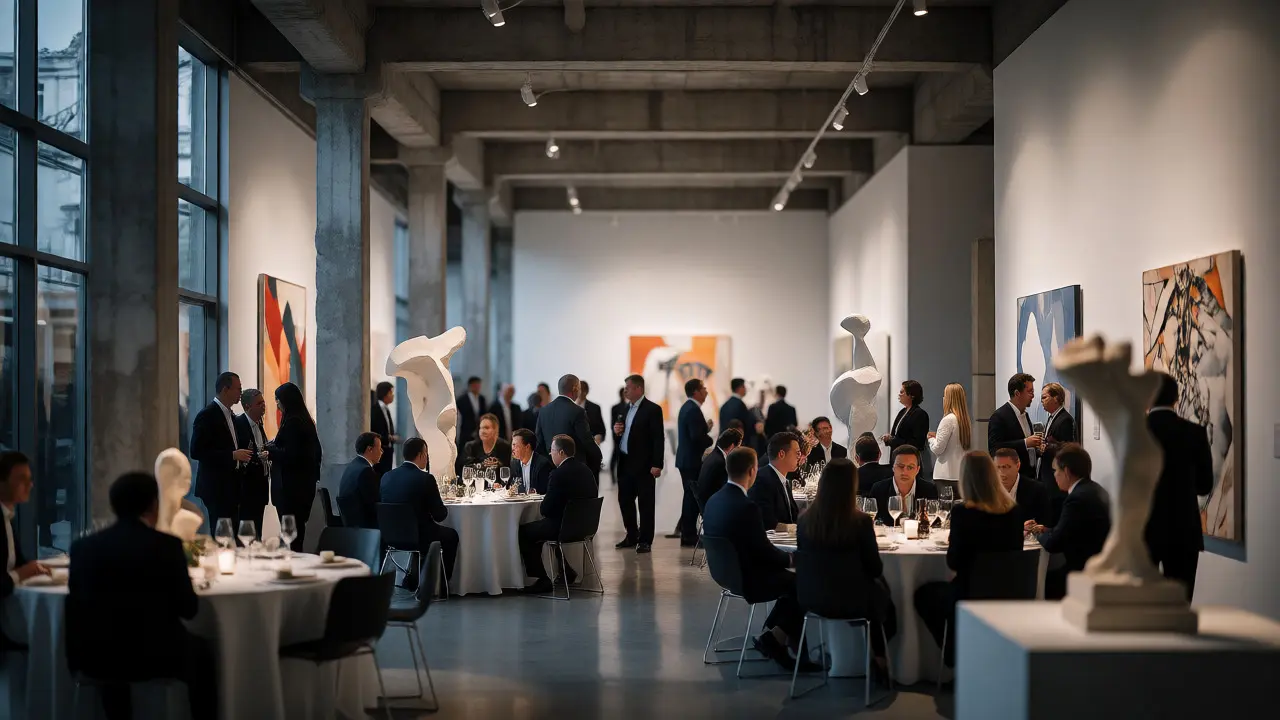
Imagine hosting your quarterly board meeting or a high-stakes client dinner surrounded by contemporary sculpture instead of beige walls and fluorescent lights. It sounds like a scene from a movie, but it’s becoming a standard move for companies wanting to break the monotony of hotel ballrooms. Renting an art gallery for a private corporate function offers a unique blend of aesthetic appeal and logistical flexibility that traditional venues often lack. But it’s not just about hanging out among paintings; it’s about leveraging cultural capital to impress stakeholders while navigating specific operational challenges.
Why Choose a Gallery Over a Hotel?
The primary draw is atmosphere. Hotels are designed for efficiency and neutrality, which can feel sterile during creative brainstorming sessions or celebratory launches. An art gallery provides built-in visual interest. You don’t need expensive floral arrangements or custom lighting rigs because the architecture and the artwork itself create the ambiance. This reduces setup time and costs significantly. When guests arrive at a space like the Pace Gallery or a local independent space, they immediately perceive a level of sophistication and cultural awareness associated with the host company.
Beyond aesthetics, galleries often offer more intimate layouts. A large open floor plan in a warehouse-style gallery allows for flexible seating configurations that rigid hotel conference rooms cannot match. You can arrange round tables for networking or long communal tables for collaborative workshops. The ceiling height in many converted industrial galleries also creates a sense of openness that prevents the "cave effect" common in underground hotel conference centers.
Understanding the Rental Model
Not all galleries operate the same way. Some are non-profit institutions with strict rules about food and drink near the art. Others are commercial spaces primarily focused on sales, where a rental fee might be waived if you commit to purchasing pieces or bringing in high-net-worth buyers. Understanding this distinction is critical before signing a contract.
Commercial galleries typically charge a flat hourly rate or a package deal for evening events. Non-profits may have higher fees due to insurance requirements and conservation concerns. Always ask about the "dry hire" versus "wet hire" options. Dry hire means you get the empty space and handle everything else-catering, AV, staffing. Wet hire includes some services, but this is rare in small galleries. Most corporate clients prefer dry hire because it gives them control over vendors, though it requires more coordination effort.
| Venue Type | Aesthetic Appeal | Cost Structure | Best For | |
|---|---|---|---|---|
| Hotel Ballroom | Low (Generic) | High (In-house catering/AV) | High base + service charges | Large conferences (>100 people) |
| Art Gallery | High (Unique/Cultural) | Medium (External vendors needed) | Flat fee + vendor costs | Networking dinners, product launches |
| Co-working Space | Medium (Industrial chic) | High (Tech-ready) | Hourly membership rates | Workshops, hackathons |
Navigating Insurance and Liability
This is where most first-time gallery renters stumble. Art is expensive. If you spill red wine on a $50,000 canvas, who pays? Standard event liability insurance usually covers bodily injury and property damage, but galleries often require additional riders specifically for artwork. Check if the gallery’s policy covers accidental damage by guests or if you need to provide proof of coverage up to a certain limit, often $1 million or more.
Some galleries prohibit alcohol entirely. Others allow it but require it to be served in plastic cups or restricted to specific zones away from the art. Clarify these rules early. If your event involves a cocktail hour, negotiate whether the bar can be set up in a lobby area separate from the main exhibition space. This protects the inventory while allowing guests to mingle freely.
Catering and Food Logistics
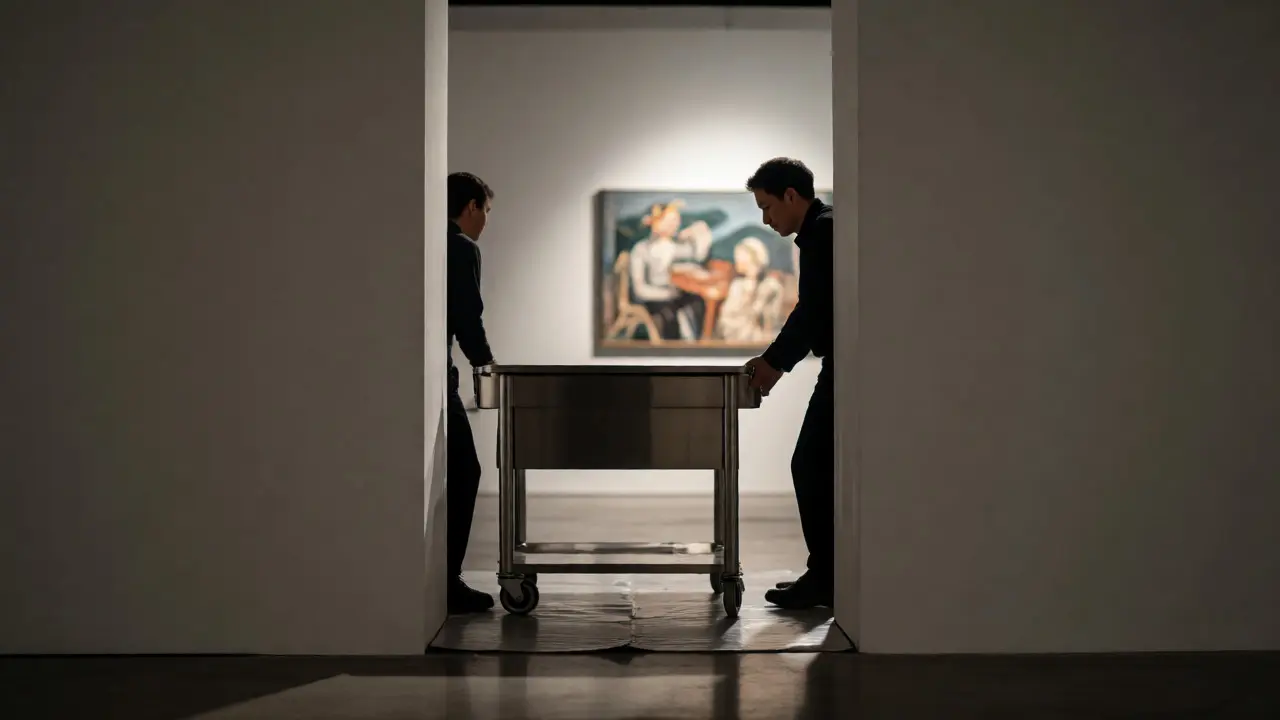
Galleries rarely have full commercial kitchens. You’ll likely rely on external caterers who must navigate loading docks, freight elevators, and narrow doorways. Measure your entry points. A standard banquet table won’t fit through a gallery’s front entrance if it’s designed for pedestrians, not furniture. You might need folding tables or smaller square ones.
Consider the flow of traffic. In a museum-like setting, foot traffic patterns are curated. Your catering staff shouldn’t block sightlines to key artworks. Ask the gallery director for a floor plan showing "high-value" zones. Keep heavy buffet stations away from fragile sculptures. Plated dinners are easier to manage than self-serve buffets in tight gallery spaces, as they reduce congestion and potential spills.
Technical Requirements and Lighting
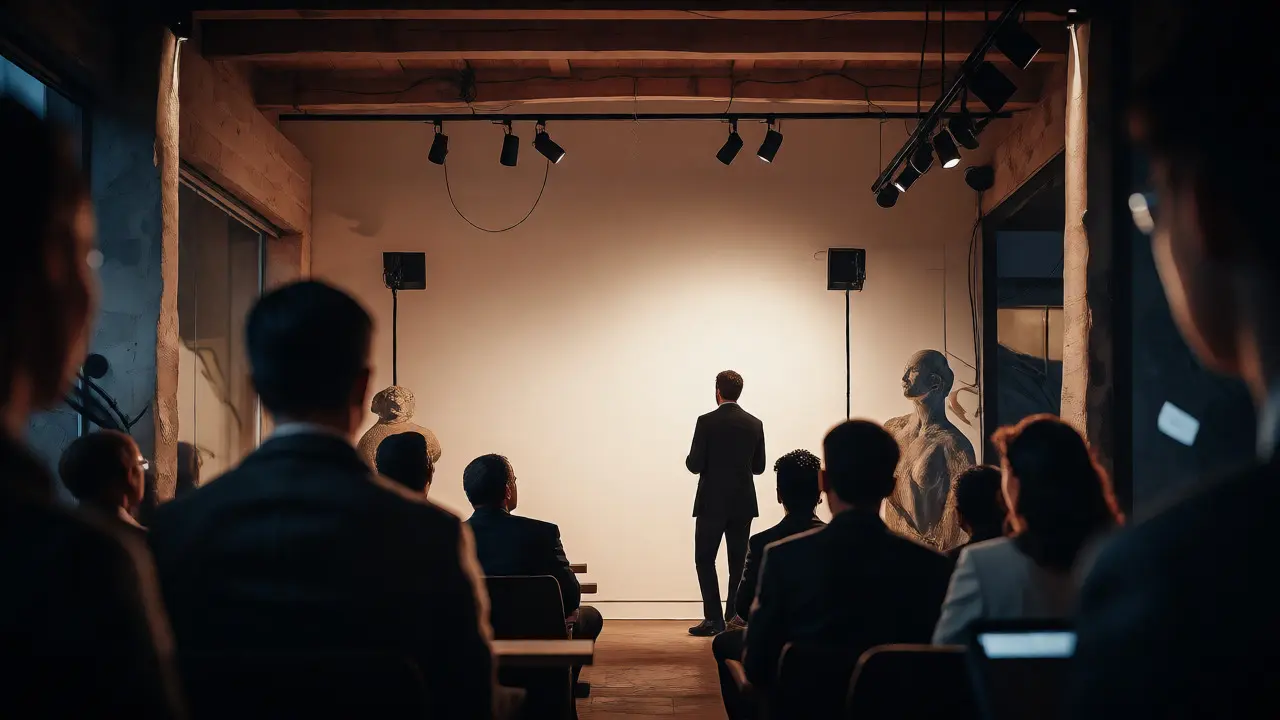
Gallery lighting is specialized. Track lights are angled to highlight art, not faces. For a corporate presentation, you might need additional lighting so speakers aren’t silhouetted against bright spotlights. Many galleries have dimmable systems, but check if you can adjust them yourself or if facility staff must do it.
Power outlets are another hidden constraint. Older buildings may have limited electrical capacity. Running multiple laptops, projectors, and sound systems might trip breakers. Bring extension cords and power strips. If you’re using a projector, ensure there’s a blank wall available. Projecting onto a textured concrete wall or a whiteboard isn’t ideal, but some modern galleries have dedicated media walls. Test your tech setup at least 48 hours before the event.
Marketing and Guest Experience
Use the venue as part of your marketing narrative. Instead of "Join us at the Hilton," try "An Evening Among Contemporary Masters." Send digital invitations that feature images of the gallery space. Encourage guests to view the current exhibition before the formal program starts. This adds value to their attendance and extends dwell time, which benefits the gallery and fosters conversation.
Provide clear signage. Galleries can be maze-like. If you’re renting only one room, direct guests clearly to avoid confusion with other visitors or ongoing exhibitions. Consider hiring a few extra staff members solely for wayfinding and coat check, as galleries often lack dedicated cloakrooms.
Post-Event Cleanup and Restoration
Galleries expect the space to look exactly as it did before you arrived. This isn’t just sweeping floors. It means removing every piece of tape, cleaning glass surfaces, and ensuring no scuff marks remain on polished concrete or hardwood. Negotiate a cleanup clause in your contract. Who handles trash removal? Do you need to vacuum carpets? Factor in an extra hour for teardown to avoid late fees.
If you’ve moved any artworks-even slightly-document their original positions with photos before moving them. Return them exactly as found. Misaligned frames are noticeable to curators and can result in penalty fees.
Frequently Asked Questions
Can I serve alcohol in an art gallery?
It depends on the gallery's policy. Many allow alcohol but restrict it to areas away from valuable works or require plastic glassware. Some strictly prohibit it to protect inventory. Always confirm this in writing before booking.
Do galleries provide AV equipment?
Rarely. Most galleries are display spaces, not conference centers. You will likely need to bring your own microphones, speakers, projectors, and screens, or hire an external AV vendor. Check for existing infrastructure like ceiling mounts or power sources.
How far in advance should I book a gallery?
For popular urban galleries, book 3-6 months in advance. Smaller or less central spaces might have availability closer to the date, but prime weekends fill up quickly. Flexibility on dates increases your chances of securing a top-tier venue.
What happens if we damage an artwork?
You are liable for repair or replacement costs. Ensure your event insurance policy explicitly covers fine art damage. Some galleries require you to sign a waiver acknowledging the risk and agreeing to cover restoration expenses incurred by guest negligence.
Are galleries accessible for disabled guests?
Most modern galleries comply with ADA standards, featuring ramps and wide doorways. However, older historic buildings may have limitations. Verify elevator access, restroom facilities, and pathway widths during your site visit to ensure comfort for all attendees.