Handling Museum Fatigue: Rest, Hydration, and Focus Strategies
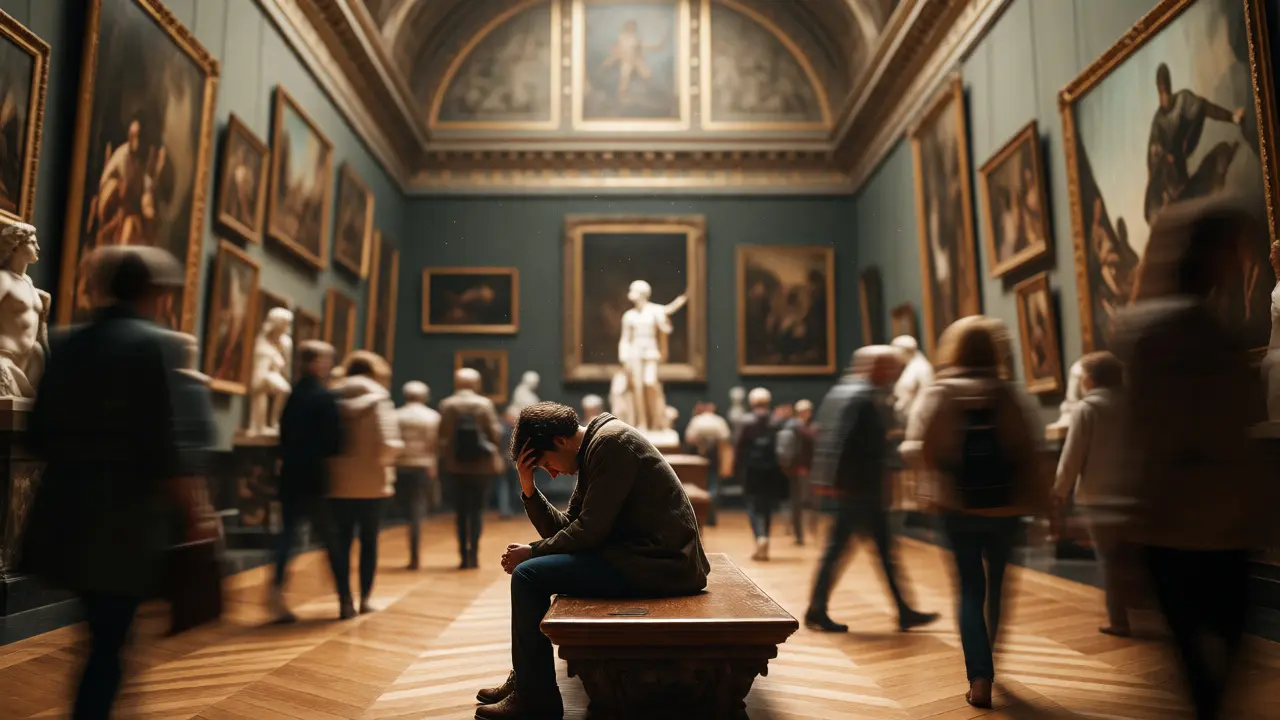
You know the feeling. You walk into a grand gallery, eyes wide with anticipation, ready to absorb centuries of history in one afternoon. Two hours later, you’re slumped on a bench, your feet throbbing, your brain foggy, and you can’t remember if you saw that Van Gogh or just dreamed about it. This isn’t laziness; it’s museum fatigue-a real physiological and psychological response to sensory overload. It hits hard when you try to consume too much culture too quickly. The good news? You don’t have to white-knuckle your way through every exhibit. By managing your physical energy and mental focus, you can turn a draining ordeal into a genuinely enriching experience.
The Science Behind the Slump
Museum fatigue isn't just an excuse for tired legs. Researchers at Cornell University studied this phenomenon extensively, finding that visitors often feel overwhelmed by the sheer volume of information and visual stimuli. When you enter a space like the Metropolitan Museum of Art or the Louvre, your brain is bombarded with thousands of objects competing for attention. Each painting, sculpture, or artifact demands cognitive processing. Your working memory gets maxed out trying to decide what to look at next, how long to stay, and whether you're missing something important.
This leads to decision paralysis. You rush from room to room, skimming labels instead of reading them, because the fear of missing out (FOMO) overrides your desire to actually engage. The result is shallow engagement and deep exhaustion. It’s similar to scrolling through social media-you see everything but retain almost nothing. Understanding this mechanism is the first step to fixing it. You aren't failing at being cultured; you're fighting biology.
Hydration and Fuel: The Physical Foundation
Let’s talk about the boring stuff that ruins trips: dehydration and low blood sugar. Museums are often climate-controlled environments that are slightly drier than outside air. Combined with walking miles across hard floors, you lose fluids faster than you realize. A study published in the Journal of Travel Medicine suggests that even mild dehydration significantly impairs cognitive function and mood. If you’re cranky or confused in front of a Renaissance fresco, check your water intake first.
- Bring a reusable bottle: Many major museums now offer free water refill stations. Look for these near exits or restrooms rather than waiting until you’re parched.
- Skip the heavy lunch: Eating a massive meal before entering drains energy toward digestion. Save the big feast for after.
- Pack smart snacks: Keep nuts, dried fruit, or granola bars in your pocket. Avoid sugary candies that cause energy crashes.
In Portland, where I live, we take our coffee seriously, but caffeine is a diuretic. If you rely on three lattes to stay awake, you’ll be spending more time hunting for bathrooms than looking at art. Balance your caffeine with equal amounts of water. It sounds simple, but most people ignore this until they’re already suffering.
Strategic Rest: Why Sitting Is Essential
Most visitors treat benches as optional luxuries. Big mistake. Rest isn’t a sign of weakness; it’s a tool for retention. Neuroscientists suggest that the brain needs downtime to consolidate new information. If you never pause, you never let those images sink in. Think of it like weightlifting-muscles grow during rest, not during the lift. Your visual cortex works similarly.
| Strategy | Physical Impact | Cognitive Retention | Enjoyment Level |
|---|---|---|---|
| The "See Everything" Sprint | High fatigue, foot pain | Low (shallow processing) | Stressful, rushed |
| The Curated Visit | Moderate fatigue | High (deep processing) | Satisfying, memorable |
| The Social Wander | Low fatigue | Variable (distraction) | Fun, but less educational |
Adopt the "Curated Visit" model. Find a bench in a quiet corner every 45 minutes. Sit down. Close your eyes for two minutes if you need to. Let your eyes reset. When you open them, pick one object nearby and study it for five full minutes. Notice the brushstrokes, the lighting, the texture. This deliberate practice transforms passive viewing into active appreciation. You’ll leave remembering three masterpieces vividly rather than thirty vaguely.

Managing Sensory Overload
Beyond physical tiredness, there’s cognitive clutter. Modern museums are designed to be immersive, which means they’re loud, bright, and crowded. Sensory overload occurs when the brain cannot filter incoming data efficiently. This is particularly acute for neurodivergent visitors or those with high sensitivity to noise and light.
To combat this, create boundaries. Use noise-canceling headphones if you find chatter distracting. Some museums, like the Museum of Pop Culture (MoPOP) in Seattle, offer designated quiet zones. Check the map before you go. Also, consider visiting during off-peak hours. Weekday mornings are usually empty enough to hear yourself think. If you must visit on a weekend, arrive right at opening time. The first hour is golden-fewer crowds mean less competition for space and mental bandwidth.
Focusing Your Attention: The Rule of Three
How do you decide what to see? Stop trying to see everything. Instead, use the "Rule of Three." Before you enter, pick three specific artists, periods, or types of artifacts you genuinely care about. Ignore the rest. If you’re at the Natural History Museum, maybe you only want to see dinosaurs and gems. Skip the insects unless you’re passionate about entomology.
This constraint reduces decision fatigue. You no longer agonize over whether to look at a Ming Dynasty vase or a Medieval tapestry. You know your mission. This focus allows you to dive deeper into your chosen topics. You might read the wall text thoroughly, ask questions, or sketch a quick drawing. Depth beats breadth every time. Visitors who follow this rule report higher satisfaction scores in post-visit surveys conducted by cultural institutions globally.
Digital Detox and Analog Engagement
Your phone is a major contributor to museum fatigue. Constantly checking notifications breaks your flow state. Worse, taking photos often replaces seeing. Studies show that when people photograph objects, they remember fewer details than those who simply look. This is called the "photo-taking impairment effect."
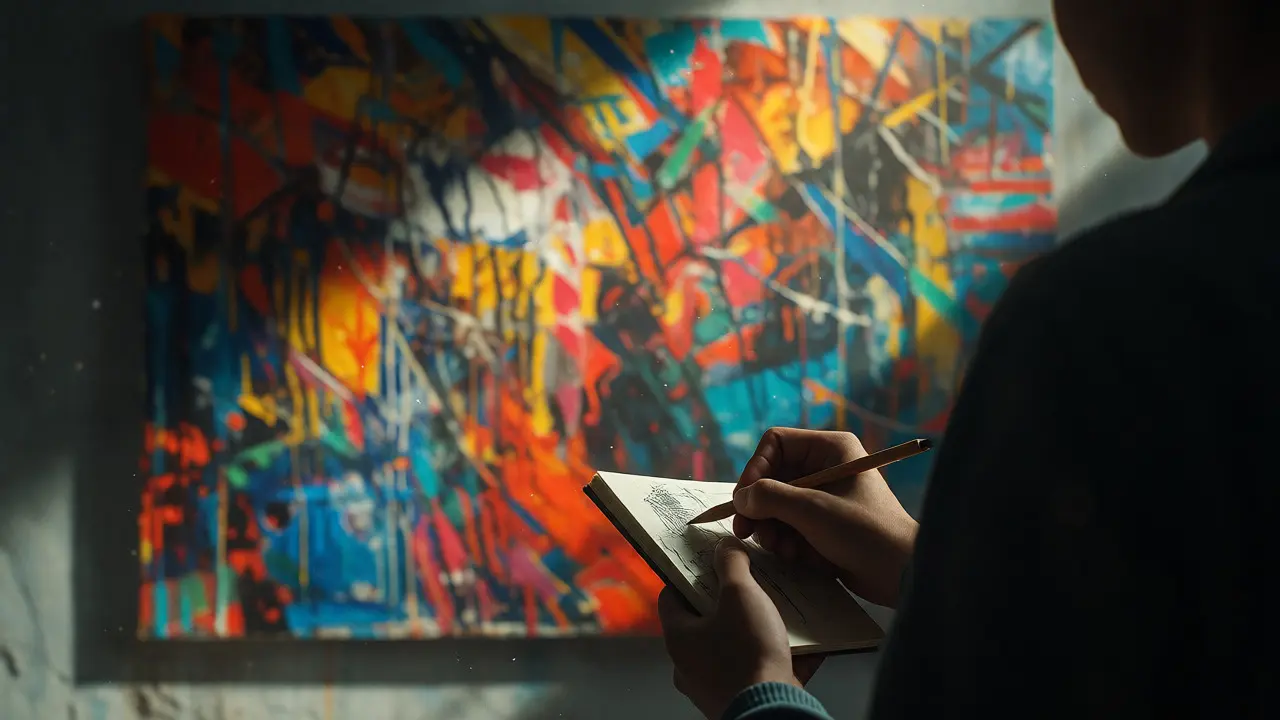
Try this experiment: Leave your phone in your bag for the first hour. Carry a small notebook and pencil instead. Jot down impressions, sketch a shape, or write down a question. This analog approach forces slower observation. You notice colors, textures, and spatial relationships that disappear when you’re framing a shot for Instagram. If you must take photos, limit yourself to three per hour. Make each one count.
Practical Checklist for Your Next Visit
Here is a quick guide to prepare for your next trip to avoid burnout:
- Check the weather: Dress in layers. Museums vary in temperature.
- Wear broken-in shoes: No new boots. Comfort is non-negotiable.
- Download the map: Know where the bathrooms and cafes are beforehand.
- Set a timer: Limit your visit to 2-3 hours maximum for peak freshness.
- Plan a reward: Have a nice dinner or drink scheduled afterward to end on a high note.
Remember, the goal is connection, not completion. You will never see everything in a major museum, and that’s okay. In fact, it’s better. Leaving with a sense of curiosity and a few profound moments is far superior to leaving with a headache and a blank mind. Treat your energy like a budget-spend it wisely on what matters most to you.
How long should a museum visit last?
For most people, 2 to 3 hours is the sweet spot. After this point, attention spans drop significantly, and physical fatigue sets in. If you want to cover a large museum, consider splitting it into multiple shorter visits over different days.
Is it bad to take photos in museums?
It depends on your intent. Research suggests that relying solely on photography can reduce memory retention of the actual object. However, photos can serve as useful reminders if you spend time observing the piece first. Limit your photos to preserve focus.
What causes museum fatigue?
Museum fatigue is caused by a combination of physical exertion (walking), sensory overload (visual and auditory stimuli), and cognitive load (decision-making about what to view). Dehydration and poor footwear exacerbate these factors.
Should I listen to audio guides?
Audio guides can enhance understanding but also increase cognitive load. If you are already feeling overwhelmed, skip the guide and focus on visual exploration. Use them selectively for exhibits you are deeply interested in.
How can I help children cope with museum fatigue?
Keep visits short (under 90 minutes), bring snacks, and encourage interactive elements like scavenger hunts. Allow frequent breaks and let them choose which exhibits to prioritize to maintain their interest and energy levels.