Gallery Submission Processes: How to Apply Successfully for Representation
Imagine spending months perfecting a series of paintings, only to have them rejected because your email subject line was wrong or your images were too large. It happens more often than you think. Getting gallery representation isn't just about making good art; it's about navigating a specific, often opaque professional protocol. Galleries are businesses first and cultural institutions second. They need artists who can deliver consistent work, communicate professionally, and fit their existing brand narrative.
If you are ready to stop sending cold emails into the void and start building real relationships with curators and directors, you need to treat your submission like a job application. This guide breaks down exactly how to prepare, who to target, and how to present yourself so that when a director opens your folder, they see a partner, not a problem.
The Reality of Gallery Representation in 2026
Before you click "send," understand what galleries actually want. In the current market, especially post-2024 shifts in digital collecting, galleries are looking for reliability. They don't just want a one-hit wonder. They want an artist who has a body of work, a clear conceptual thread, and the discipline to produce more.
Galleries generally fall into three tiers:
- Commercial Galleries: These make money by selling art. They care about sales history, collector interest, and price points. If you have no track record, this is the hardest route.
- Non-Profit/Project Spaces: These focus on experimentation and community. They are more open to emerging voices but rarely offer long-term representation. They are great for building your CV.
- Hybrid Models: Many modern spaces mix both approaches. They might show experimental work to build buzz, then push sales later. This is often the best entry point for mid-career artists.
Your goal is to match your career stage to the right type of space. Applying to a blue-chieve commercial gallery in Chelsea or Mayfair with zero exhibition history is like applying to be CEO with no management experience. Start where you can win.
Preparing Your Portfolio: Quality Over Quantity
Your portfolio is your resume. Most artists send 20-30 images. Curators usually look at the first five. If those don't grab them, the rest never gets seen. You need to edit ruthlessly.
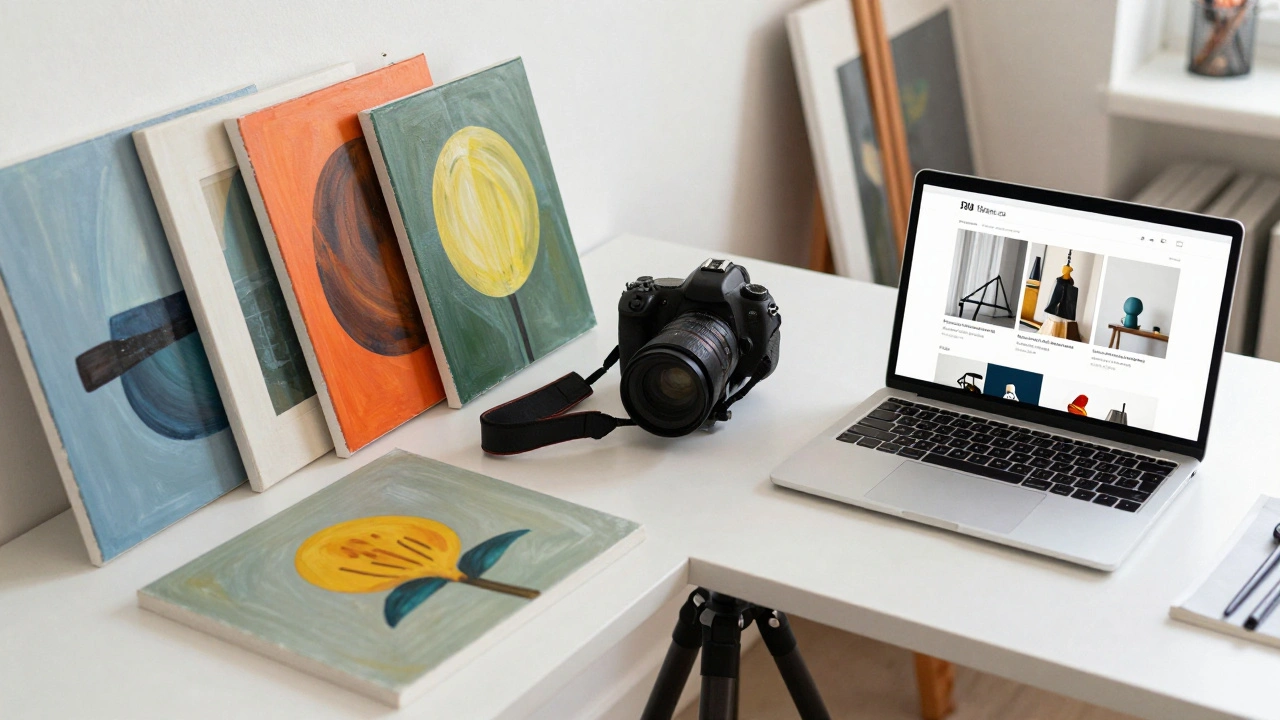
Select 8-12 strong pieces that tell a cohesive story. Do not include your early experiments unless they are critically acclaimed. Every image must be high-resolution (300 DPI) but optimized for web viewing (under 5MB per file). Blurry photos kill credibility instantly. If you can't afford professional photography, learn to use natural light and a tripod. A clean white background and straight angles are non-negotiable.
| Element | Requirement | Common Mistake |
|---|---|---|
| Image Count | 8-12 works | Sending 30+ unrelated pieces |
| Resolution | High-res JPGs, <5MB each | PNGs over 10MB or blurry phone pics |
| Cohesion | Unified theme/style | Mixing abstract, realism, and sculpture randomly |
| Metadata | Title, year, medium, dimensions | Missing details or inconsistent formatting |
Include a brief artist statement (max 200 words) and a short bio. Your statement should explain why you make this work, not just what it is. Avoid vague artistic jargon. Speak clearly about your process and intent. Curators read hundreds of these; clarity stands out.
Researching the Right Galleries
Blind submissions have a near-zero success rate. You must research. Look at the gallery’s recent shows. Do they represent artists working in similar mediums? Do their exhibitions align with your conceptual interests?
Use tools like Artsy, Instagram, and local arts journals to map the landscape. In cities like Portland, New York, or London, there are niche galleries focused on specific themes-sustainability, identity politics, digital art. Find the ones that already champion ideas you explore. Then, find the name of the Director or Curatorial Assistant. Never address an email to "To Whom It May Concern."
Check if the gallery currently accepts submissions. Some close their roster for years. Others have open calls for specific projects. Ignoring these guidelines shows you can’t follow instructions-a red flag for any professional relationship.

Crafting the Submission Email
Your email is your cover letter. Keep it under 150 words. Directors are busy. Get to the point.
Structure your email like this:
- Subject Line: Clear and informative. Example: "Submission: [Your Name] - [Series Title] - [Medium]"
- Salutation: Use the person’s name. "Dear Ms. Smith,"
- Introduction: One sentence on who you are and why you’re contacting them specifically. Mention a recent show of theirs you admired.
- The Pitch: Briefly describe your work and its relevance to their program.
- Call to Action: Link to your online portfolio or attach a PDF. Ask if they have time for a brief review.
- Sign-off: Professional closing with your contact info.
Avoid attaching large files directly to the email. Use a Dropbox, Google Drive, or personal website link. Ensure the link works and doesn’t require a password unless necessary. Broken links are an instant rejection.
Understanding Rejection and Follow-Up
You will be rejected. Most artists face dozens of rejections before landing their first show. Don’t take it personally. Galleries reject good work all the time due to scheduling conflicts, budget issues, or roster changes.
If you don’t hear back in 4-6 weeks, it’s acceptable to send one polite follow-up email. Reference your previous submission and ask if they’ve had a chance to review it. If they still don’t respond, move on. Do not spam them.
Keep a spreadsheet of every gallery you contact, the date, the person you emailed, and the outcome. This helps you track patterns and avoid double-submitting. It also prepares you for future rounds of applications.
Building Relationships Beyond the Application
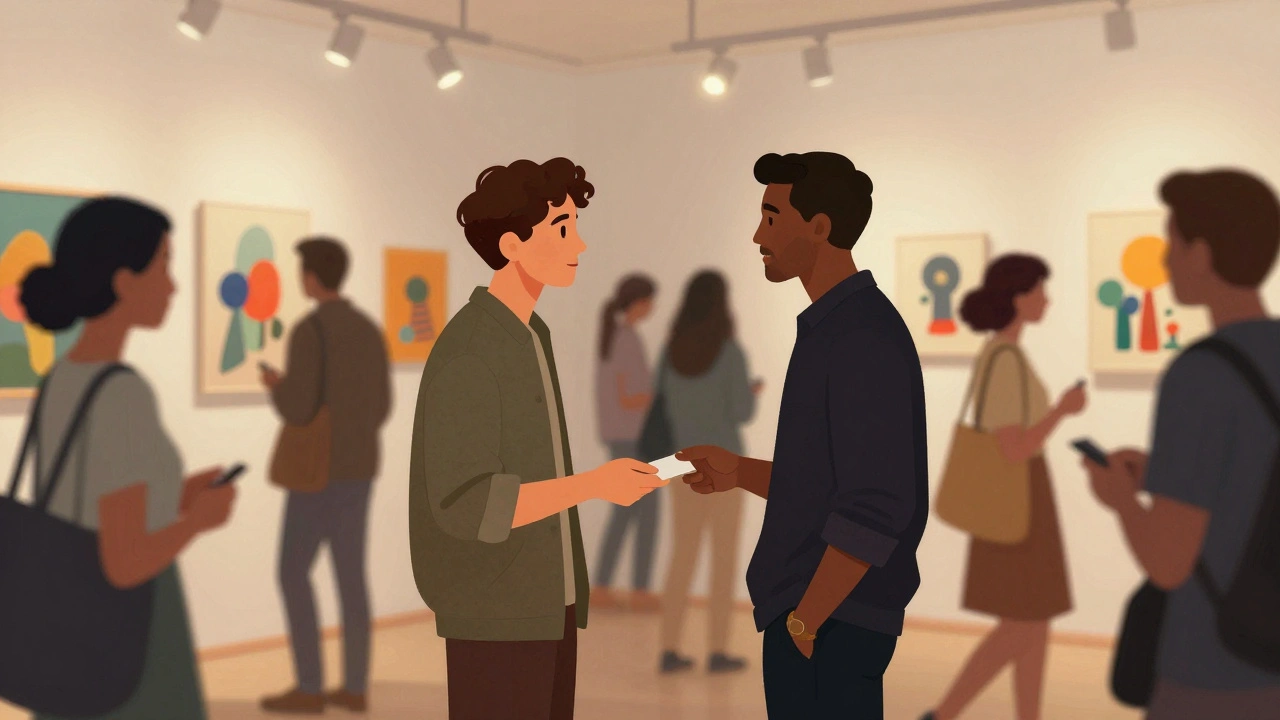
Representation often starts with visibility. Attend openings. Talk to other artists. Visit galleries even when you’re not submitting. Build genuine connections. Galleries notice artists who are engaged in the community.
Consider applying for residencies, grants, or awards first. Winning a grant adds credibility to your CV and makes you a safer bet for galleries. It shows third-party validation of your work.
In 2026, social media presence matters, but it shouldn’t replace physical engagement. A strong Instagram following can help, but galleries still value studio visits and in-person dialogue. Be prepared to talk about your work passionately and clearly.
Alternative Paths to Representation
If traditional galleries aren’t biting, look at alternatives. Artist-run cooperatives, online platforms like Saatchi Art or Artsy, and juried group shows can provide exposure and sales. These venues may not offer full representation, but they build your network and sales history, which eventually attracts gallery interest.
Some artists create their own pop-up exhibitions or collaborate with designers and architects. These self-initiated projects demonstrate initiative and professionalism, qualities galleries love.
How many galleries should I apply to at once?
Aim for 10-15 targeted applications per round. Quality matters more than quantity. Research each gallery thoroughly to ensure alignment with your work. Sending generic blasts to 100 galleries yields worse results than personalized pitches to 10.
Should I include prices in my submission?
Generally, no. Pricing is part of the negotiation between artist and gallery. Including prices upfront can limit your leverage. However, if asked during a studio visit or interview, be prepared with a clear pricing structure based on size, medium, and market comparables.
What if a gallery asks for a studio visit?
This is a positive sign. Prepare your studio to be clean and organized. Have new work visible alongside your submitted pieces. Be ready to discuss your process, influences, and future plans. Treat it like a job interview-professional, engaging, and authentic.
Is it okay to submit to multiple galleries simultaneously?
Yes, as long as you’re transparent. If a gallery offers representation, inform others that you’ve accepted. Most galleries understand that artists shop around. Just avoid signing exclusive contracts until you’ve made a final decision.
How important is an artist website for submissions?
Very. A professional website serves as your central hub. It should include your portfolio, bio, CV, press, and contact info. Ensure it’s mobile-friendly and loads quickly. Many directors will check your site immediately after opening your email.