Gallery Sales Turnarounds: Real Case Studies in Art Retail Recovery
You walk into a gallery. The lights are perfect. The frames are expensive. But the sales? Crickets. It’s a scenario every gallery owner dreads, yet it’s more common than you’d think. In 2026, with digital saturation at an all-time high and collector attention spans shrinking, traditional gallery models are cracking under pressure. But they’re not dead. They’re evolving. And the proof lies in the numbers.
We looked at three distinct gallery sales turnarounds that happened between 2024 and 2026. These weren’t luck. They were strategic pivots driven by data, community engagement, and a hard look at what collectors actually want today. If you’re running a space or advising one, these stories offer a blueprint for survival and growth.
The Problem With Passive Inventory
Most struggling galleries suffer from the same disease: passive inventory. They hang works on walls and wait. This worked in 2015. It fails in 2026 because the modern collector doesn’t browse; they research. They arrive with a shortlist. If your gallery isn’t actively curating a narrative that matches their specific interests, you’re invisible.
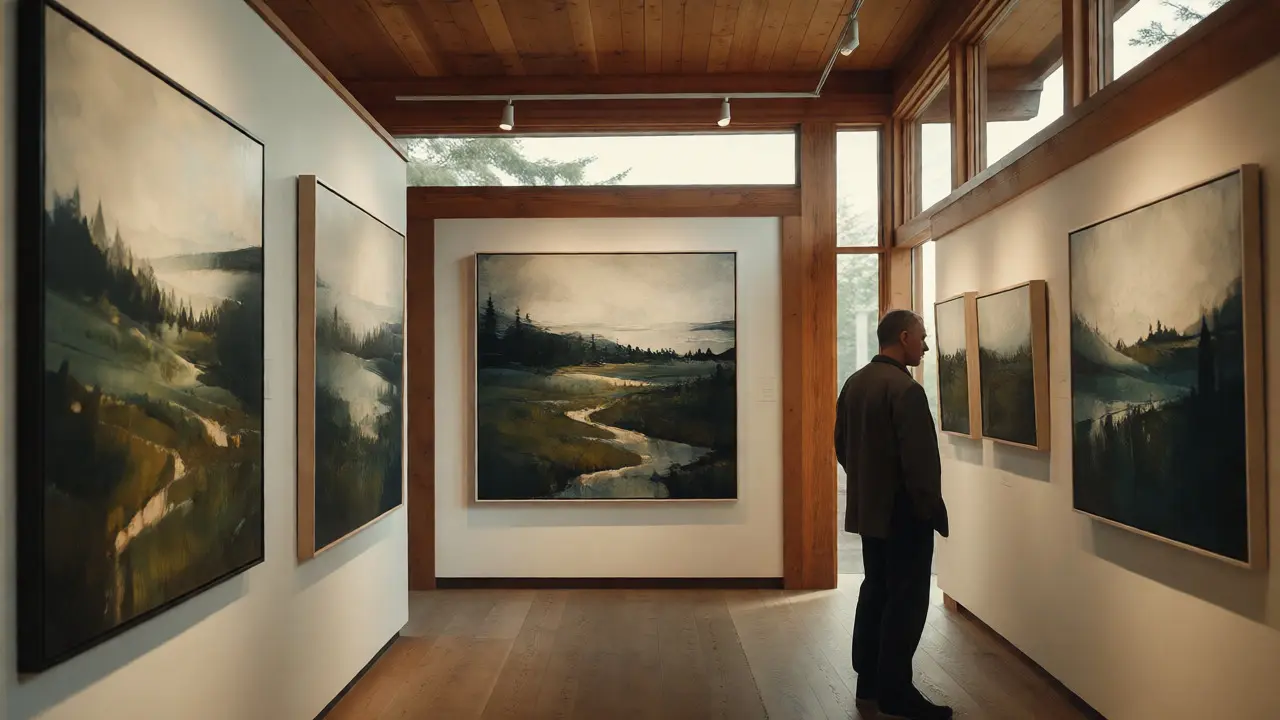
Take "The Portland Project," a mid-sized contemporary space in Oregon. Before its turnaround, it relied on open calls and broad representation. Sales dropped 40% year-over-year in 2023. The owner realized she was selling objects, not experiences. She shifted to a hyper-curated model, focusing exclusively on Pacific Northwest landscape abstraction. By narrowing her focus, she became a destination rather than just another room of paintings.
Case Study 1: Niche Specialization as a Magnet
The Portland Project didn’t just change artists; they changed their messaging. They stopped marketing "contemporary art" and started marketing "regional ecological dialogue." This semantic shift mattered. Their SEO traffic for niche terms like "Pacific Northwest abstract painting" jumped by 200% within six months.
Here’s how they did it:
- Audit the Collection: They removed 30% of inventory that didn’t fit the new theme, even if those pieces had been there for years.
- Content-Led Marketing: Instead of posting photos of finished works, they posted artist interviews about local ecology. This built authority.
- Targeted Outreach: They identified 50 collectors who bought similar works elsewhere and invited them to private viewings focused solely on this niche.
The result? A 65% increase in average sale price within a year. Why? Because when you specialize, you compete with fewer people. You become the expert. Collectors pay premiums for certainty and expertise.
Case Study 2: Digital Integration Without Losing Soul
Next up is "Metro Modern," a high-end gallery in New York City. Their problem wasn’t lack of interest; it was friction. Collectors loved the work but hated the process. Inquiries took days to answer. Shipping quotes were vague. Payment options were outdated.
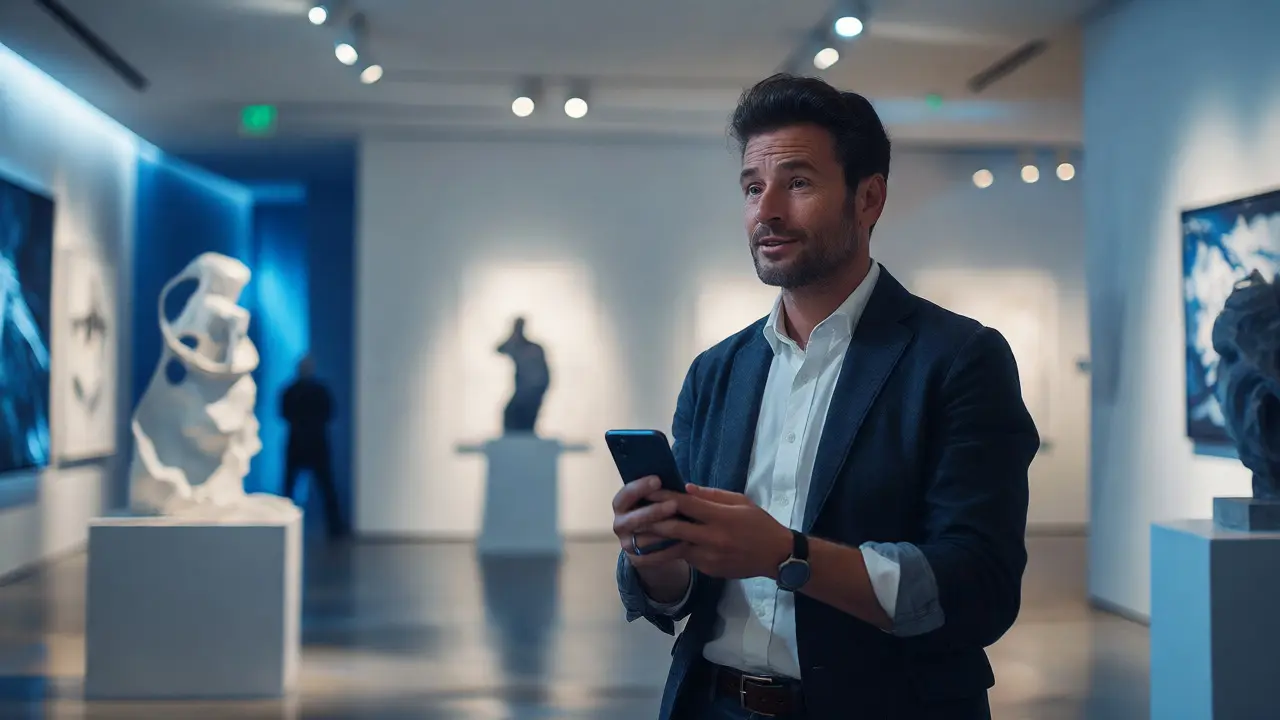
Metro Modern implemented a CRM specifically designed for art logistics. They integrated real-time inventory tracking and automated follow-ups. But here’s the key: they didn’t replace human interaction; they enhanced it. When a lead came in via Instagram, the system flagged it instantly. A curator called within two hours-not a bot, a person.
This speed-to-lead strategy reduced drop-off rates by 70%. In the luxury market, silence equals rejection. Metro Modern proved that technology doesn’t dilute the art experience; it removes the barriers to buying it.
| Strategy | Gallary Type | Primary Action | Sales Impact |
|---|---|---|---|
| Niche Specialization | Contemporary | Focused on regional themes | +65% Avg Sale Price |
| Digital Friction Removal | Luxury | CRM + Instant Response | -70% Lead Drop-off |
| Community Events | Emerging Artists | Non-sales workshops | +40% Repeat Buyers |
Case Study 3: Building Community Over Transactions
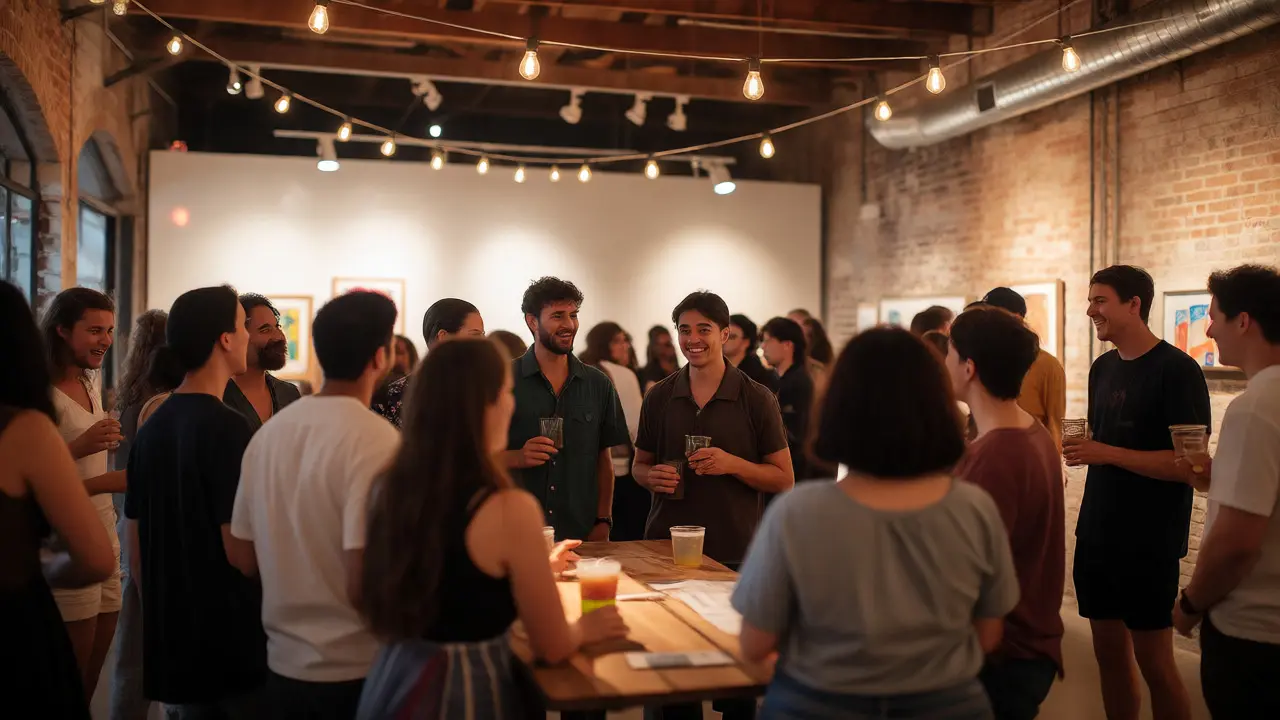
The third case, "Studio 9" in Austin, faced a different challenge: young collectors with passion but limited budgets. Traditional white-wall galleries intimidated them. Studio 9 flipped the script. They turned their gallery into a social hub. Weekly talks, artist-led workshops, and casual evening mixers became the norm.
They tracked engagement, not just sales. People who attended events were 3x more likely to buy within 18 months. This long-game approach built a loyal base. These buyers didn’t just purchase art; they invested in the brand’s story. When Studio 9 launched a lower-priced print edition line, it sold out in 48 hours because the community felt ownership over the gallery’s success.
Common Threads in Successful Turnarounds
What do these three have in common? They all stopped trying to be everything to everyone. They identified a specific audience and served them better than anyone else. Whether it was through niche curation, operational efficiency, or community building, the goal was clarity.
Another common thread? Data usage. None of these galleries guessed. They tracked where leads came from, which emails got opened, and which events drove foot traffic. In 2026, ignoring analytics is like driving blindfolded. You might move, but you won’t know where you’re going.
Actionable Steps for Your Gallery
If your sales are stagnant, start small. Don’t overhaul your entire business overnight. Pick one lever to pull.
- Analyze Your Top Buyers: Who are they? What do they buy together? Find patterns.
- Test a Niche: Can you group current inventory into a tighter thematic show? See if it resonates.
- Measure Response Time: How long does it take to reply to an inquiry? Aim for under four hours during business days.
- Create Non-Sales Touchpoints: Host one event per month that has zero pressure to buy. Build trust first.
Remember, a turnaround isn’t about desperation. It’s about alignment. Align your operations, your marketing, and your curation with the actual behavior of modern collectors. Do that, and the sales will follow.
Frequently Asked Questions
How long does a typical gallery sales turnaround take?
It varies, but most significant changes show initial traction within 3-6 months. Full financial recovery often takes 12-18 months as trust and brand reputation rebuild. Quick wins usually come from operational fixes like faster response times, while deeper shifts like rebranding take longer.
Do I need a large budget to implement these strategies?
No. Many effective strategies, such as niche specialization and improved communication protocols, cost little more than time and organization. Technology solutions can range from free CRM tools to paid platforms, but starting with manual processes and scaling up is a viable path for smaller galleries.
Is online sales replacing physical gallery visits?
Not entirely. Physical visits remain crucial for high-value transactions where collectors want to see scale, texture, and presence. However, online channels are increasingly used for discovery and initial vetting. A hybrid model that uses digital tools to drive physical visits is currently the most successful approach.
How important is artist consistency in a turnaround?
Extremely important. Consistent output helps build a recognizable brand identity for both the artist and the gallery. Frequent changes in style or medium can confuse collectors and dilute marketing efforts. Galleries should support artists in developing a cohesive body of work that aligns with the gallery’s curated vision.
What role does social media play in these turnarounds?
Social media serves as a top-of-funnel awareness tool. It drives traffic and builds community but rarely closes high-ticket sales directly. Success comes from using social platforms to engage potential buyers and then moving them to email lists or direct conversations where relationships deepen and transactions occur.