Gallery Roster Management: How to Choose the Right Artist Size and Selection Criteria
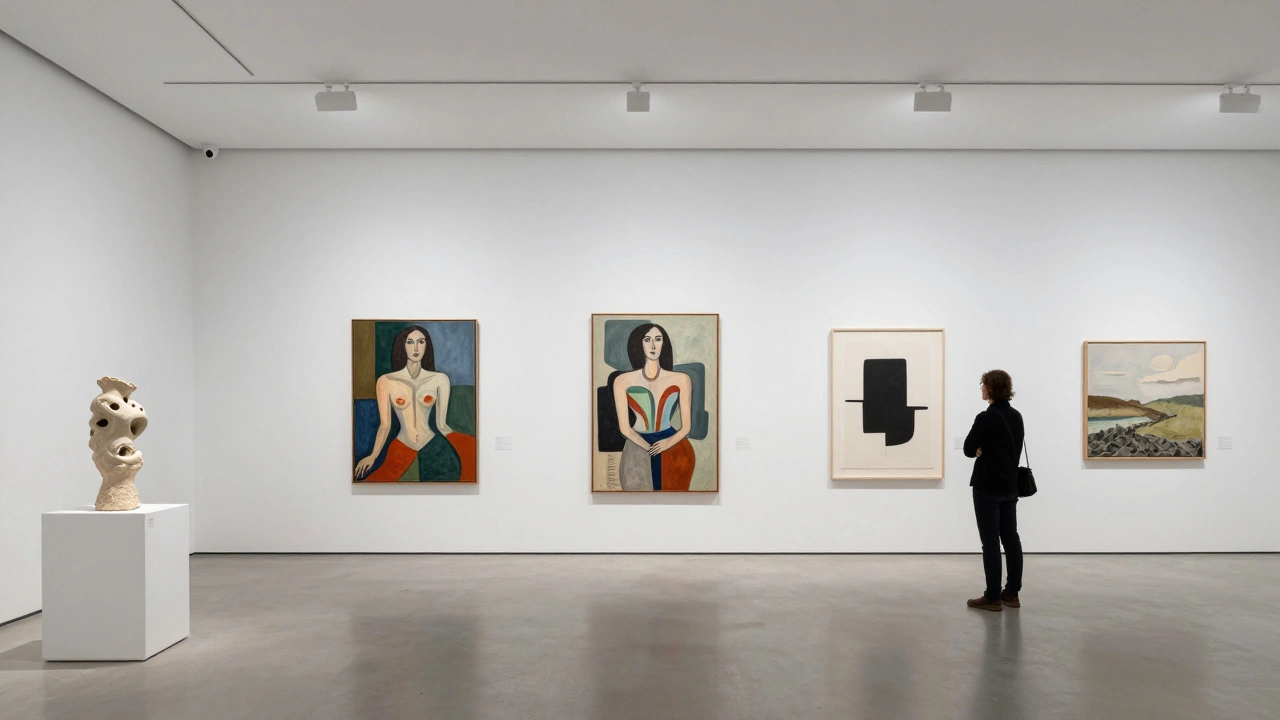
Managing a gallery roster isn’t just about hanging paintings on the wall. It’s about building a living, breathing collection of artists who fit your vision, your space, and your audience. Too few artists, and you’re not filling the walls or drawing crowds. Too many, and you’re spreading yourself thin, losing focus, and overwhelming buyers. The sweet spot? It’s not a number-it’s a strategy.
What Makes a Gallery Roster Work?
A gallery roster isn’t a list. It’s a story. Every artist on it should add a new chapter. Think of it like a band: you don’t need 12 musicians if your sound is a trio. You need the right players who complement each other. The same goes for visual art. A gallery with five painters, two sculptors, and one mixed-media artist who all speak the same visual language but from different angles? That’s powerful. A gallery with 20 artists who all do abstract landscapes? That’s noise.
Successful galleries don’t pick artists based on who’s trending. They pick based on how the artist fits into the gallery’s identity. What’s your gallery known for? Minimalist ceramics? Bold figurative work? Experimental installations? Your roster should scream that identity before a single visitor walks in.
How Many Artists Should Be on Your Roster?
There’s no magic number, but most mid-sized galleries thrive with 8 to 15 represented artists. Smaller spaces-under 2,000 square feet-do better with 5 to 8. Why? Because you need room to breathe, both physically and mentally.
- Under 5 artists: Risk of stagnation. You won’t have enough variety to sustain monthly shows or attract repeat visitors.
- 8-12 artists: Ideal for most commercial galleries. Enough diversity to rotate exhibitions every 6-8 weeks without burning out.
- 15+ artists: Only works if you have a large space, a strong team, and a clear curatorial theme. Otherwise, you’re managing a warehouse, not a gallery.
One Portland gallery, Coastline Collective, went from 18 artists down to 11 in 2024. Their sales went up 40% in the next year. Why? They stopped trying to please everyone and started curating for depth. Each artist got more wall space, more promotion, and more time in the spotlight. Buyers noticed. Collectors started returning because they knew what to expect-and what to look for next.
Selection Criteria: What Really Matters
Artists don’t get picked because they’re good. They get picked because they’re right for your gallery.
Here are the five criteria that actually move the needle:
- Alignment with your brand - Does their work feel like it belongs in your space? If your gallery has clean white walls and minimalist lighting, a chaotic, maximalist painter might clash-even if they’re brilliant.
- Consistency and evolution - Can they produce work that’s cohesive over time? And do they grow? Artists who repeat the same piece for five years aren’t developing. Those who evolve too fast? They lose their voice. Look for steady progression, not reinvention every season.
- Professionalism - Do they respond to emails? Meet deadlines? Pack their work properly? Show up to openings? A great artist who ghosts you for weeks is a liability. Gallery life runs on reliability.
- Market readiness - Are they ready for collectors? Do they have a clear pricing structure? Do they understand how to talk about their work? Some artists are brilliant creators but terrible communicators. That’s okay-but you need to be able to bridge that gap.
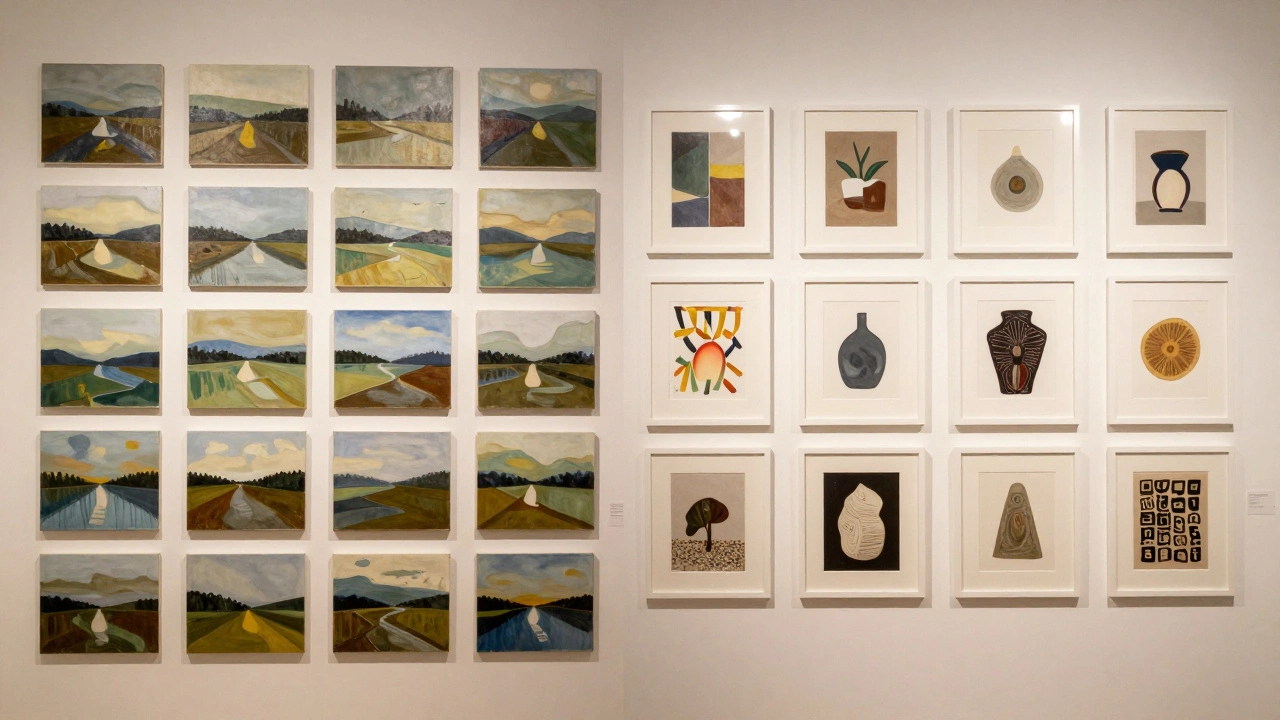
- Fit with your existing roster - This is the one most galleries miss. Adding a new artist shouldn’t just be about adding talent. It should be about adding contrast, balance, or tension. If you already have three abstract painters, does this new one bring something different? Or just more of the same?
Red Flags in Artist Selection
Not every talented artist should be on your roster. Here are warning signs to watch for:
- They’ve never sold anything outside their family or friends.
- They refuse to provide high-res images or artist statements.
- They expect you to pay for shipping, framing, or installation.
- They’re already represented by three other galleries in your city.
- They have no online presence or social media engagement.
These aren’t deal-breakers for every artist-but if you see three or more of these, walk away. You’re not a charity. You’re a business that needs to sustain itself.
How to Test a New Artist Before Signing
Don’t sign a contract on day one. Try a trial run.
Many top galleries now use a three-month guest artist model. Bring someone in for a solo show in a side room or a pop-up window. No contract. No commission split until the first sale. Just a clean, low-risk way to see how they work, how the public responds, and whether they’re a fit.
At Northwest Modern in Portland, they’ve brought in 12 guest artists since 2023. Three became full roster members. Two didn’t return after the trial. The rest? They still get invited to group shows. It’s a smarter system. Less pressure. More data.

What Happens When You Get It Wrong?
One gallery in Seattle added a popular Instagram artist with 80K followers in 2023. They thought social media = sales. The opening drew 300 people. One piece sold. The artist disappeared after the show. No follow-up. No communication. The gallery lost $4,000 in framing and marketing costs. They didn’t have a contract. No recourse.
That’s the cost of skipping the process. Roster management isn’t about fame. It’s about partnership. You’re not just showing art. You’re building a team.
Building a Roster That Lasts
Great galleries don’t just add artists. They grow them. They help artists develop new bodies of work. They introduce them to collectors. They write press releases. They host studio visits. They create relationships.
Your roster should feel like a family-not a parking lot of names. Each artist should have room to grow, and you should have room to support them. That means fewer artists, better care, and stronger results.
Ask yourself this: If you had to close tomorrow, which five artists would you be heartbroken to lose? Those are the ones you keep. The rest? Let them find a home where they’re the focus-not just one of many.
How often should I review my gallery roster?
Review your roster every 6 to 12 months. Look at sales data, exhibition attendance, artist engagement, and market feedback. If someone hasn’t sold in over a year and isn’t producing new work, it’s time to have a conversation. Rotating artists keeps your gallery fresh and ensures you’re always showing work that resonates.
Can I have artists who work in different styles on the same roster?
Yes-but only if there’s a unifying thread. Maybe it’s medium (e.g., all ceramicists), theme (e.g., all explore urban isolation), or process (e.g., all use handmade paper). Diversity in style can be powerful, but without cohesion, it feels scattered. Your gallery should have a voice, not a chorus of conflicting ones.
What if an artist wants to leave the roster?
Have a clear exit clause in your contract. Most galleries allow artists to leave with 60 days’ notice. Don’t make it personal. If they’re moving on, celebrate their growth. A good gallery doesn’t cling-it cultivates. Artists who leave often return as alumni, bringing new collectors with them.
Do I need to sign contracts with every artist?
Yes. Even if you’re a small gallery, a simple contract protects both sides. It should include commission split (usually 50/50), exhibition terms, insurance responsibility, and how long the representation lasts. Verbal agreements are risky. In art, relationships matter-but paper matters more.
How do I find new artists to add to my roster?
Don’t wait for them to find you. Visit local art schools, attend graduate thesis shows, follow regional art blogs, and go to open studios. Talk to other gallery owners. Ask who they’re excited about. Most great artists aren’t on Instagram. They’re in basements, garages, and community studios. Go where the work is being made-not just where it’s being sold.
Next Steps: Building Your Roster Strategy
Start by listing your current artists. For each one, write down:
- When they joined
- How many shows they’ve had
- How many works they’ve sold
- How often they communicate
- How well their work fits your gallery’s aesthetic
Now, look for patterns. Who’s underperforming? Who’s overworked? Who’s missing? Then, pick one new artist to invite for a trial. Keep it small. Keep it real. And remember: your roster isn’t about how many names you have. It’s about how many stories you’re telling.