Gallery Loyalty Programs: Strategies for Repeat Visitors and Collector Retention

You’ve sold a piece. The buyer is happy. They leave the gallery with a signed receipt and a vague promise to "come back next month." But do they? In the art world, where purchase cycles can stretch from months to years, relying on hope isn’t a strategy-it’s a gamble. Most galleries operate on a transactional model that forgets the most valuable asset they have: the relationship.
Gallery loyalty programs are structured initiatives designed to incentivize repeat visits and purchases by offering exclusive benefits to existing clients. Unlike retail punch-cards, these programs in the art sector focus less on immediate discounts and more on access, status, and personalized service. If you’re running a space with fewer than 50 active collectors, you don’t need a corporate app; you need a system that makes your top ten buyers feel like insiders.
Why Standard Retail Loyalty Fails in Art
Think about how you buy coffee. You get a free one after ten purchases. It’s functional. Now, think about buying a $15,000 sculpture. Would a discount coupon make you feel valued? Probably not. It might even cheapen the perceived value of the work. Art collecting is emotional and intellectual, not just financial.
The mistake many gallery owners make is copying Amazon or Starbucks. They offer points per dollar spent. But collectors aren’t looking for rebates; they’re looking for validation and connection. A generic email blast saying "Buy now, save 10%" often gets ignored by serious collectors who know the market rates. Instead, effective retention hinges on non-monetary rewards that tap into the ego and curiosity of the buyer.
Consider the difference between a "discount" and an "invitation." One says your money is good here. The other says *you* are good here. That shift in language changes everything. When you treat a client as a patron rather than a consumer, they stay longer. Data from industry reports suggests that acquiring a new art buyer costs five times more than retaining an existing one, yet most galleries spend 80% of their marketing budget on acquisition.
Designing Tiered Access That Feels Exclusive
Exclusivity is the currency of the art world. Your loyalty program should reflect that hierarchy without making lower-tier members feel excluded. The key is creating tiers based on engagement, not just spending. If someone visits every opening but hasn’t bought yet, they are still valuable-they bring energy, they talk, and they might buy later. Punishing them for not having bought yet kills potential.
A practical structure looks like this:
- Patron (Entry Level): Open to anyone who signs up for the newsletter or visits twice a year. Benefits include early notice of exhibitions and invitations to vernissages.
- Collector (Mid-Tier): Triggered by a first purchase or three dedicated visits. Benefits include private viewings before public openings and priority waitlists for limited editions.
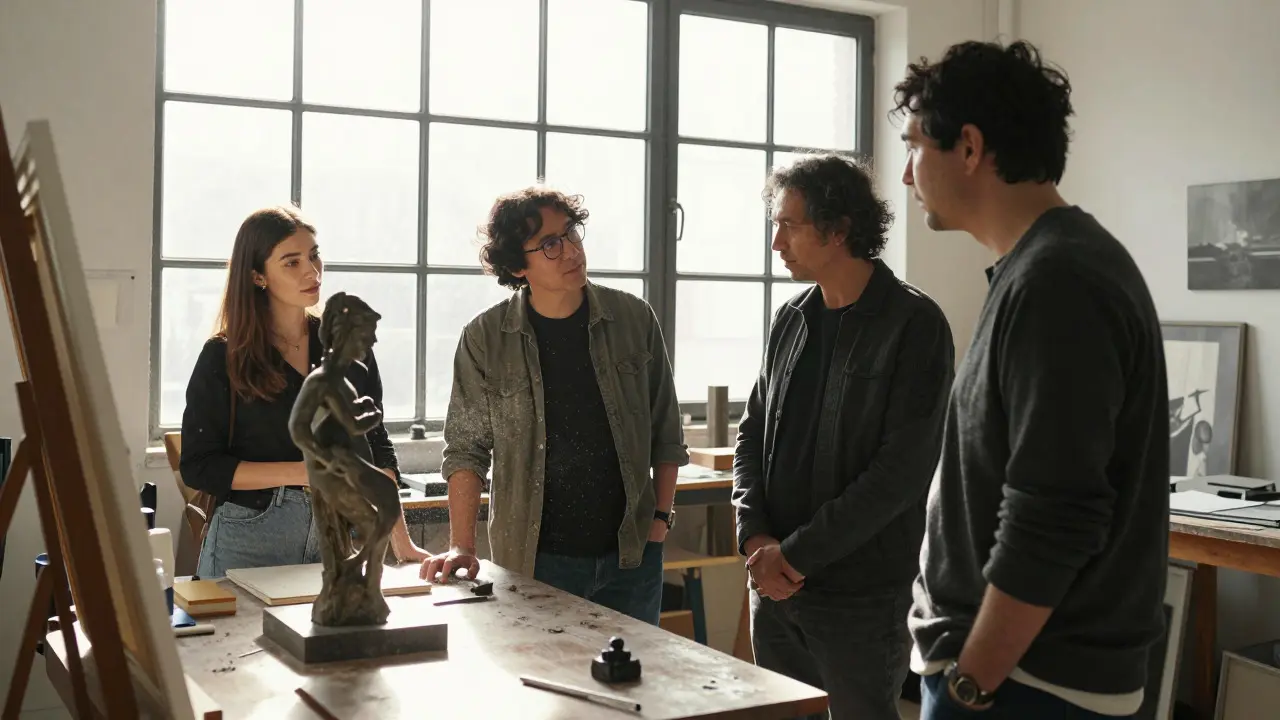
- Visionary (Top Tier): Reserved for those who have purchased multiple works or referred new buyers. Benefits include studio visits with artists, access to off-market pieces, and personalized curation services.
This tiered approach solves a major pain point: it gives people a reason to return even if they aren’t ready to buy today. The "Visionary" tier doesn’t just reward money; it rewards trust. By offering studio visits, you deepen the emotional connection to the artist, which is the strongest predictor of future sales.
Leveraging Data Without Being Creepy
Galleries often struggle with data because they rely on paper guest lists or disconnected spreadsheets. To run a modern loyalty program, you need a unified view of the visitor. Who came to the show last Tuesday? Did they look at the large canvas in the corner? Did they ask about price?
You don’t need complex AI to start. A simple CRM note system works if you’re disciplined. Every time a client interacts with your gallery, log it. Not just sales, but interests. If Sarah asked about blue abstract paintings in March, tag her profile with "Blue Abstract Interest." When you get a new shipment of blue works in June, you don’t send a mass email. You call Sarah personally. "Hey, I saw this piece and thought of our conversation in March. Want to see photos?"
This personal touch is what big online platforms can’t replicate. It shows you were listening. According to recent surveys on luxury retail, 76% of high-net-worth individuals prefer personalized interactions over automated communications. Use your staff’s memory, backed by digital notes, to create moments of surprise and delight.
Beyond Discounts: Value-Added Perks
If you’re worried about eroding margins with discounts, stop worrying. The best loyalty perks cost little to nothing but carry high perceived value. Here are four ideas that work better than cash-back offers:
| Perk Type | Cost to Gallery | Perceived Value to Collector | Best For |
|---|---|---|---|
| Early Access Previews | Low (Staff time) | High (Status/Scarcity) | All Tiers |
| Artist Studio Visits | Medium (Travel/Time) | Very High (Connection) | Top Tier |
| Private Catalogue Signing | Low (Paper/Ink) | Medium (Keepsake) | New Buyers |
| Framing Services | Variable (Outsource) | High (Convenience) | First-Time Buyers |
Notice that none of these involve giving away money. Early access creates urgency. Studio visits build narrative. Framing removes friction for beginners. Each perk addresses a specific psychological need of the collector.
Another powerful tactic is "The Insider List." Share works that haven’t been posted to Instagram or listed on Artsy yet. Give your loyal clients a 48-hour head start. This makes them feel like part of the inner circle. It also tests demand before you commit to a full marketing push.
Integrating Digital and Physical Touchpoints
Your loyalty program lives in two places: the physical gallery and the digital inbox. These must sync perfectly. Nothing frustrates a collector more than getting a "VIP Preview" email only to find out the preview was yesterday, or worse, that the work is already sold.
Use technology to bridge the gap. If you use a platform like Artnet or a custom website, ensure your VIP tags are visible there. When a logged-in VIP user browses your site, highlight works available exclusively to them. Conversely, when a visitor comes in physically, scan their QR code (if you use one) or check their name against your VIP list immediately. Train your front desk staff to recognize names. "Welcome back, Mr. Henderson. We actually have that print you looked at last month reserved for you until Friday." That sentence alone can close a sale.
Don’t underestimate the power of post-purchase follow-up. Thirty days after a sale, send a handwritten note. Not an email. A real card. Ask how the piece is settling into its new home. Do they need help with lighting? This care extends the lifecycle of the transaction and turns a one-time buyer into a lifelong advocate.
Measuring Success Beyond Sales Figures
How do you know if your loyalty program is working? Don’t just look at total revenue. Look at repeat purchase rate. What percentage of your buyers have bought more than once? If that number is under 20%, your retention strategy needs work.
Track these metrics monthly:
- Visit Frequency: How often do registered members visit? An increase indicates growing interest.
- Conversion Rate of Leads: Of those who sign up for your newsletter, how many eventually buy?
- Referral Volume: Are your loyal clients bringing friends? Word-of-mouth is the cheapest and most effective marketing channel in art.
If you see visit frequency dropping, your content or events might be stale. If conversion is low, your communication might be too generic. Adjust accordingly. Remember, a loyal customer who refers three friends is worth far more than a one-time buyer who spends double.
Pitfalls to Avoid
Even well-intentioned programs fail if they stumble into common traps. First, avoid complexity. If your clients need a manual to understand their benefits, you’ve lost them. Keep it simple: Buy once, get X. Refer a friend, get Y.
Second, don’t ignore the middle tier. Many galleries obsess over their top 5% of buyers and neglect the 95%. Those middle-tier clients are your future top tier. Neglect them, and they’ll drift to competitors who acknowledge their interest.
Finally, never let the program become static. Review your perks annually. Does "private viewing" still excite people, or has it become routine? Maybe swap it for a curator-led tour. Stay flexible. The art market changes fast; your relationship management must keep pace.
Do small galleries really need formal loyalty programs?
Yes, but they don't need to be complex. For a small gallery, a "program" can simply be a meticulously maintained spreadsheet of client preferences and a commitment to personalized outreach. The structure matters less than the consistency of attention. Formalizing it ensures no client falls through the cracks during busy exhibition periods.
Should I offer discounts to loyal customers?
Be cautious. Frequent discounts can devalue your inventory and train clients to wait for sales. Instead of direct discounts, offer added value such as free framing, shipping, or exclusive access to new works before they go public. This maintains price integrity while rewarding loyalty.
How do I handle clients who visit frequently but never buy?
Treat them as "Prospects" rather than ignoring them. Include them in general newsletters and invite them to open vernissages. Their presence adds atmosphere, and consistent positive interactions keep them warm. Often, these frequent visitors convert when a specific piece resonates deeply, so keeping the relationship alive is crucial.
What is the best way to communicate with VIP collectors?
Personalized phone calls or handwritten emails are superior to mass blasts. Use a CRM to track their past interests and tailor your message. If they previously expressed interest in landscape photography, send them images of new landscape works directly. This demonstrates attentiveness and respects their time.
Can digital-only galleries have loyalty programs?
Absolutely. Digital galleries can use email segmentation to create virtual tiers. Offer early access to drops via email, provide downloadable exclusive content like artist interviews, or offer waived shipping fees for repeat buyers. The principles of exclusivity and recognition apply regardless of whether the interaction is physical or digital.