Gallery Furniture and Fixtures: Seating, Cases, Built-Ins Guide
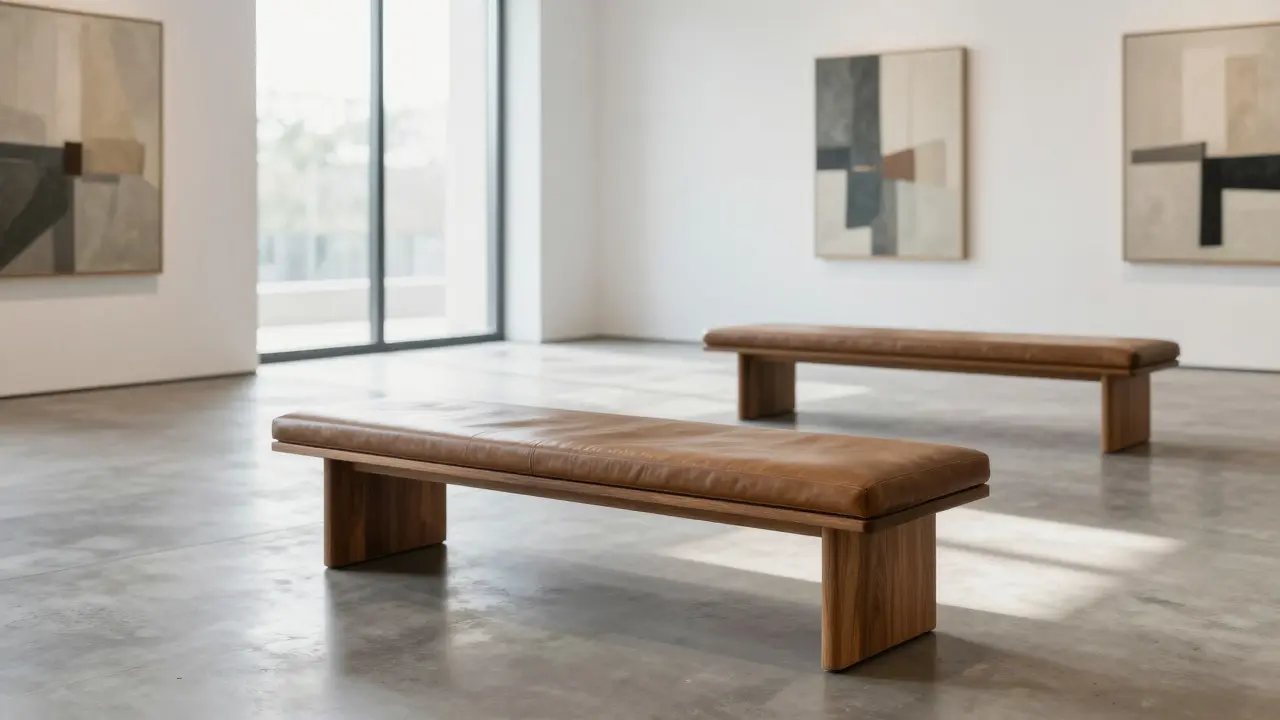
Walking into a gallery, you don't just see art. You feel the room. The way a bench invites you to sit, the clarity of a glass case protecting a sketch, or how a wall-mounted shelf makes a sculpture pop-these elements define the experience. If you are designing a commercial gallery, a private collection space, or even a high-end retail environment, gallery furniture is not just decoration. It is functional infrastructure that guides the viewer's eye and protects valuable assets.
Many designers make the mistake of treating seating and storage as afterthoughts. They pick the art first, then try to fit in a chair or a cabinet that clashes with the aesthetic. This approach leads to awkward spaces where viewers stand for hours or items are displayed poorly. To create a cohesive environment, you need to understand how seating, display cases, and built-ins work together as a single system.
The Role of Seating in Viewer Engagement
Seating is often the most overlooked element in gallery design, yet it has the highest impact on dwell time. When visitors can sit comfortably, they stay longer. Longer stays mean deeper engagement with the artwork. However, not all benches are created equal. In a professional setting, you need furniture that balances comfort with durability and aesthetics.
There are three main types of seating used in modern gallery spaces:
- Low-profile benches: These are ideal for large open floor plans. They don’t block sightlines and encourage casual sitting without creating a "lounge" vibe that might distract from the art.
- Armless chairs: Useful in smaller galleries where space is tight. Armless designs allow chairs to be pushed closer to walls, maximizing walking paths.
- Built-in window seats: Perfect for galleries with natural light. These provide a quiet spot for reflection and often serve as a focal point for the room itself.
When selecting materials, consider the traffic volume. A busy downtown gallery needs upholstery that resists stains and tears, such as leather or high-grade vinyl. A private estate gallery can afford softer fabrics like linen or wool, which add warmth and texture. The height of the seat also matters; standard seating is around 18 inches high, but for gallery benches, 16 to 17 inches is often preferred to keep the profile low and unobtrusive.
Display Cases: Protection Meets Presentation
If seating is about comfort, display cases are about preservation. Whether you are showing delicate watercolors, historical documents, or small sculptures, the case must protect the item from dust, UV light, and physical damage while keeping it visible. Modern display cases have evolved significantly from the heavy, dark cabinets of the past.
There are two primary categories of display cases: freestanding and wall-mounted.
- Freestanding Vitrines: These are standalone units that can be placed anywhere in the room. They offer 360-degree visibility and are perfect for hero pieces. Look for models with low-reflection glass to minimize glare from overhead lighting.
- Wall-Mounted Cases: These save floor space and are ideal for linear displays, such as a series of sketches or photographs. They create a rhythm along the wall and help guide the visitor’s path through the gallery.
Lighting inside the case is critical. LED strips are the industry standard because they produce minimal heat and consume little energy. Ensure the color temperature matches the rest of the gallery; typically, 3000K (warm white) to 4000K (neutral white) works best for most artworks. Avoid direct sunlight exposure by positioning cases away from windows or using UV-filtering film on the glass.
Built-Ins: Maximizing Space and Flow
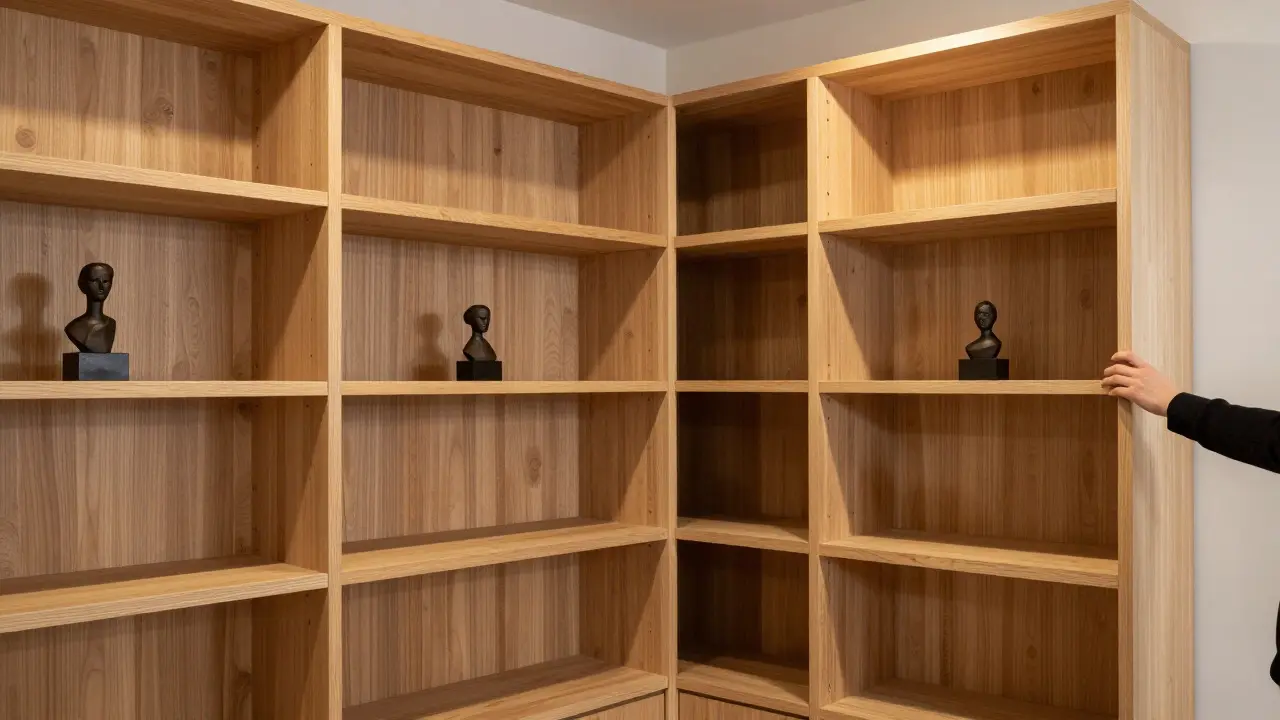
Built-in furniture is the backbone of efficient gallery design. Unlike movable pieces, built-ins are custom-fitted to the architecture of the space. This allows you to utilize every inch of wall, corner, or alcove. For smaller galleries, built-ins can double as storage, seating, and display surfaces.
A well-designed built-in system usually includes three components:
- Shelving Units: Adjustable shelves allow you to change the layout as your collection rotates. Use solid wood or metal frames for stability, especially if displaying heavier sculptures.
- Niches and Alcoves: Recessed areas in the wall create depth and shadow, which adds visual interest. These are perfect for highlighting specific objects without needing extra lighting.
- Integrated Storage: Hidden compartments behind doors or under seats keep the space clutter-free. This is essential for maintaining a clean, minimalist look that lets the art speak.
When planning built-ins, consider the workflow. How do staff members move items in and out? Are there enough access points for cleaning? A good rule of thumb is to leave at least 36 inches of clearance in front of any built-in unit to ensure easy access and movement.

Comparing Key Gallery Fixture Options
Choosing the right fixtures depends on your budget, space size, and intended use. Here is a quick comparison of the most common options:
| Fixture Type | Best For | Key Advantage | Potential Drawback |
|---|---|---|---|
| Freestanding Benches | Large open floors | Flexible placement | Can obstruct sightlines |
| Wall-Mounted Cases | Linear displays | Saves floor space | Limited viewing angles |
| Custom Built-Ins | Small/irregular spaces | Maximizes utility | Higher initial cost |
| Freestanding Vitrines | Hero pieces | 360-degree view | Takes up significant floor area |
Material Selection and Durability
The materials you choose will determine both the look and the longevity of your fixtures. Wood is a classic choice for its warmth and versatility. Oak and maple are popular for their strength and ability to take stain or paint. Metal, particularly steel and aluminum, offers a modern, industrial feel and is highly durable. Glass and acrylic are used for cases, with tempered glass being the safest option for public spaces.
Finish matters too. Matte finishes reduce glare, which is crucial in lit environments. Glossy finishes can make a space feel brighter but may reflect unwanted images from the room. Test samples under your actual lighting conditions before committing to a large order. What looks good under daylight might appear harsh under artificial light.
Common Mistakes to Avoid
Even experienced designers make errors when outfitting a gallery. Here are the most common pitfalls:
- Ignoring Sightlines: Placing tall cases or bulky furniture in front of key artworks blocks the view. Always map out the sightlines from entry points and major vantage spots.
- Overcrowding: More isn’t better. Leave negative space. Empty walls and open floors give the art room to breathe and help prevent viewer fatigue.
- Inconsistent Lighting: Mixing different color temperatures creates a disjointed look. Stick to one standard throughout the space for cohesion.
- Neglecting Maintenance Access: If you can’t easily clean a shelf or replace a bulb in a case, you’ll avoid doing it. Design for ease of maintenance from the start.
Planning Your Layout: A Step-by-Step Approach
To get the best results, follow this structured process when designing your gallery space:
- Assess the Space: Measure the room, note door locations, windows, and existing architectural features. Identify high-traffic zones and quiet corners.
- Define the Collection: List the types of items you will display. Do you have many small pieces or a few large sculptures? This dictates the scale of your fixtures.
- Sketch the Flow: Create a simple diagram showing how visitors will move through the space. Place seating in areas where people naturally pause, such as near large works or exits.
- Select Fixtures: Choose seating, cases, and built-ins that fit the flow. Prioritize functionality over form, then refine the aesthetics.
- Test and Adjust: Install the fixtures and walk through the space as a visitor. Note any bottlenecks or uncomfortable spots. Make adjustments before opening to the public.
Designing a gallery is an iterative process. It requires balancing practical needs with artistic vision. By focusing on the core elements-seating, cases, and built-ins-you create a foundation that supports your collection and enhances the viewer experience. Remember, the goal is not to impress with the furniture, but to let the art shine while providing a comfortable, protected environment for both the pieces and the people who come to see them.
What is the ideal height for gallery seating?
Standard seating is around 18 inches high, but for gallery benches, 16 to 17 inches is often preferred. This lower profile keeps the furniture unobtrusive and maintains clear sightlines to the artwork.
Should I use freestanding or wall-mounted display cases?
It depends on your space and collection. Freestanding vitrines are best for hero pieces that need 360-degree visibility. Wall-mounted cases are ideal for saving floor space and creating linear displays of smaller items like sketches or photos.
How much clearance do I need around built-in fixtures?
Leave at least 36 inches of clearance in front of any built-in unit. This ensures easy access for cleaning, maintenance, and allows visitors to move freely without feeling cramped.
What lighting color temperature is best for display cases?
LED strips with a color temperature of 3000K (warm white) to 4000K (neutral white) are recommended. These temperatures complement most artworks and produce minimal heat, which helps preserve delicate items.
How do I prevent glare on display cases?
Use low-reflection glass for your cases and position them away from direct windows. Additionally, adjust the angle of overhead lighting to minimize reflections on the glass surface. UV-filtering film can also help reduce glare and protect artifacts.