Gallery Communication Systems: Phone, Email, Service Protocols
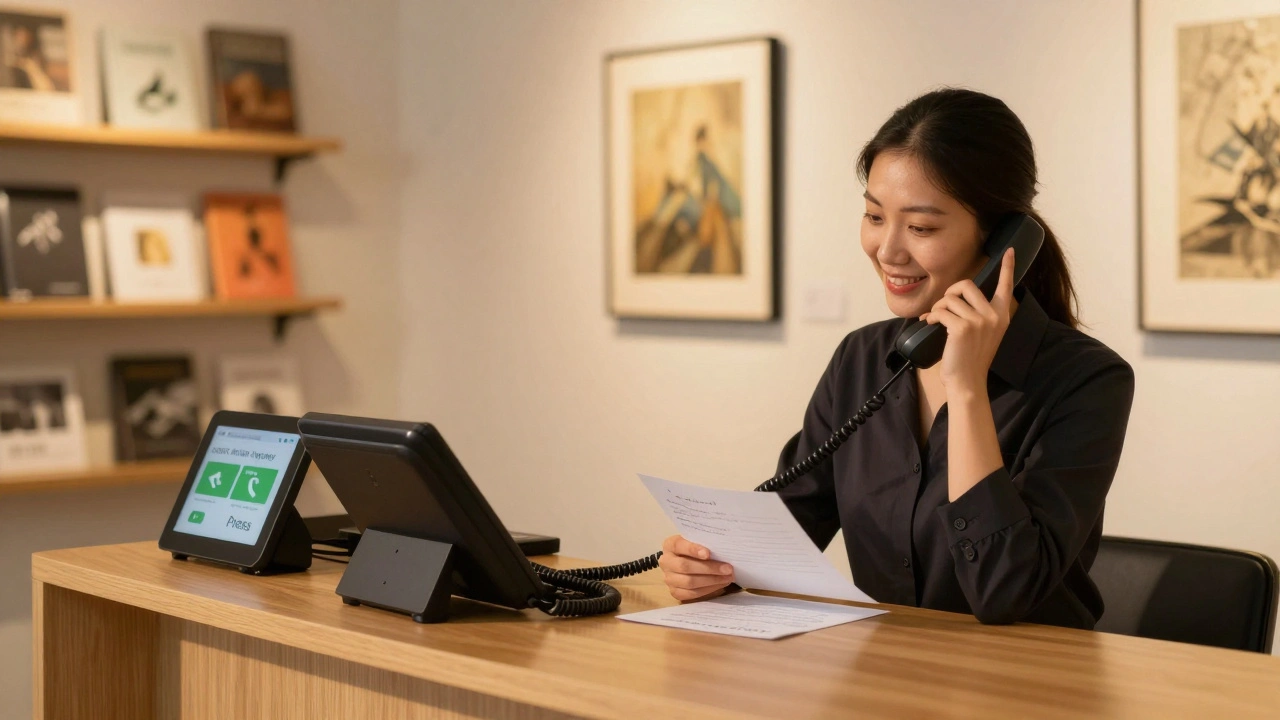
Running a gallery isn’t just about hanging art. It’s about making sure the art gets seen, sold, and cared for-and that means communication has to work like clockwork. Whether you’re a small independent space or a mid-sized nonprofit, your gallery’s phone, email, and service protocols aren’t just tools. They’re the backbone of how you connect with artists, collectors, curators, and the public. Get this wrong, and you lose trust. Get it right, and you build relationships that last for years.
Phone Systems: The First Impression
When someone calls your gallery, they’re not just asking for hours. They might be an artist checking on submission deadlines, a collector asking about pricing, or a student researching for a paper. Your phone system needs to handle all of that without making anyone feel like a number.
Most galleries don’t need a full call center. But they do need a reliable, human-sounding setup. A basic landline with voicemail is outdated. A simple VoIP system like RingCentral or Ooma lets you forward calls to staff phones, set up auto-attendants with custom greetings, and even log incoming calls. You can tag calls by type-artist inquiry, press, donation-so your team knows what to prioritize.
One Portland gallery, The Lightwell, started using a VoIP system in 2024. They saw a 40% drop in missed calls within three months. Why? Because their receptionist could take calls on her mobile, and the system automatically routed urgent messages to the director’s phone after hours. No more lost opportunities because someone was at lunch.
Email: Clarity Over Quantity
Email is where most gallery communication happens. But it’s also where things fall apart. Too many replies. Too many CCs. Too many vague subject lines like "Question about art."
Start with structure. Create three email templates that everyone uses:
- Artist Submission Inquiry: Confirms receipt, lists deadlines, and links to guidelines. No need to repeat this every time.
- Collector Purchase Follow-Up: Sends a thank-you, includes a digital receipt, and invites them to join your mailing list.
- Press Request: Acknowledges the request, asks for deadline and focus, and offers high-res images or an interview slot.
These templates cut response time by half. They also make sure no one gets a cold, robotic reply. The tone stays warm, professional, and consistent-no matter who’s answering.
Also, use labels. Tag emails: "Artist," "Press," "Donor," "Pending." This lets your team filter and respond faster. One gallery in Chicago tracked their email flow and found that 68% of artist inquiries were being answered after five days. After implementing labels and templates, that dropped to under 24 hours.
Service Protocols: The Unseen Rules
Service protocols are the quiet rules that keep your gallery running smoothly. They’re not written on a wall. But everyone who works there knows them.
Here’s what they look like in practice:
- Art Handling: Every piece that leaves the gallery-whether to a collector’s home or another institution-must have a signed condition report. No exceptions. Even if the collector is a longtime client.
- Shipping Coordination: All shipments go through one approved vendor. No exceptions. This vendor is vetted for climate control, insurance, and tracking. You don’t save money by switching. You risk damage.
- Visitor Log: Every walk-in gets a name, contact, and reason for visit logged. Not for marketing. For safety. And for follow-up. Someone who asks about a specific artist? They might become a donor.
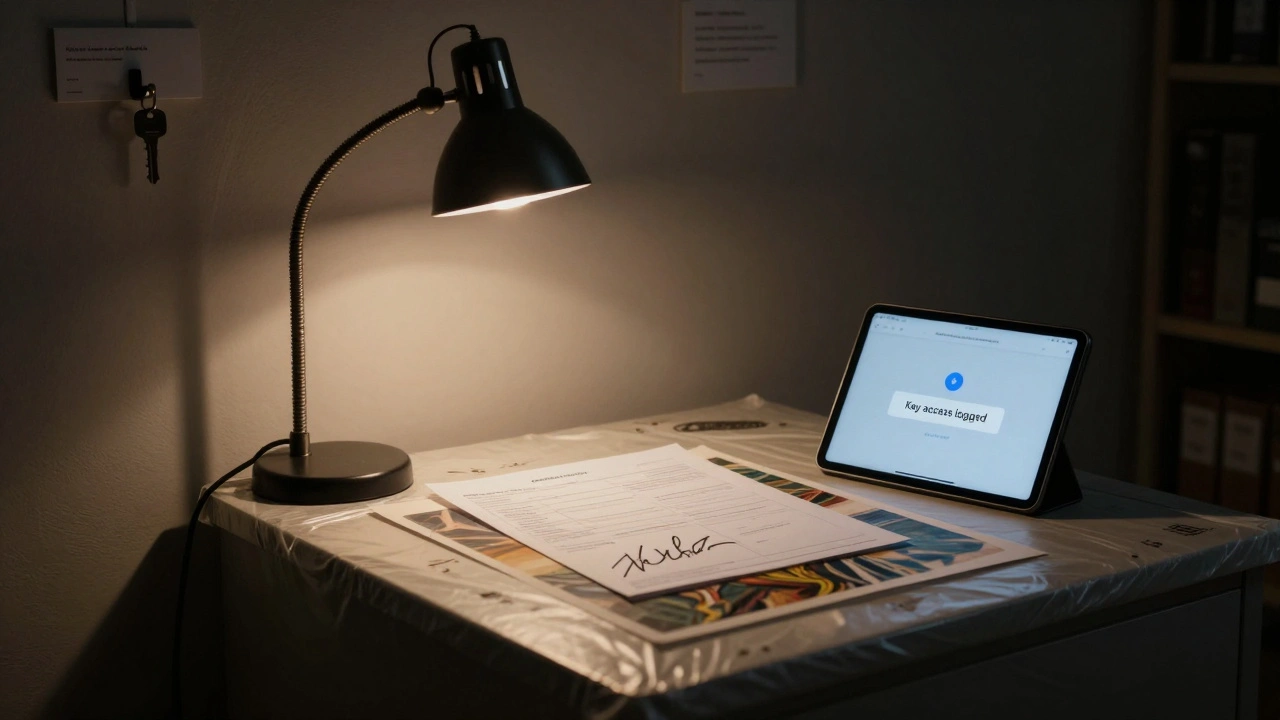
- After-Hours Access: Only two staff members have keys. Both must sign in and out. A digital log syncs to the director’s phone. If someone forgets to log out, an alert goes out.
These protocols aren’t about control. They’re about trust. Artists trust you with their work. Collectors trust you with their investment. Visitors trust you with their time. Your protocols show you take that seriously.
Integration: When Tools Talk to Each Other
Having a great phone system and perfect email templates means nothing if they’re stuck in silos.
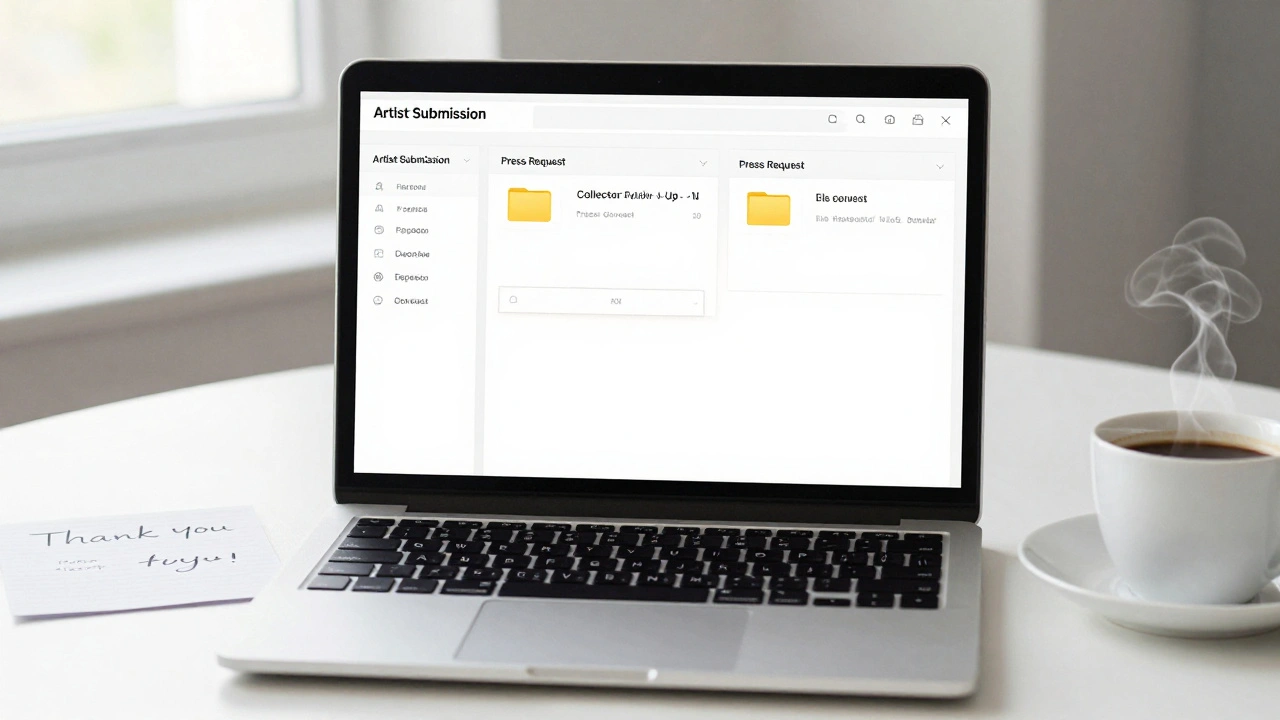
Use a simple CRM like Airtable or HubSpot (free tier works fine). Link your email, phone logs, and visitor notes into one place. When an artist calls to ask about their exhibition dates, the staff member can pull up their entire history: past shows, emails sent, collector interest, even notes from a conversation two years ago.
One small gallery in Portland started using Airtable in late 2025. They linked their calendar, email, and phone logs. Within six weeks, they noticed a pattern: 3 out of 4 new collectors came from referrals made during artist check-in calls. That wasn’t obvious before. Now they train staff to ask: "Do you know anyone else who might be interested?"
Common Mistakes and How to Fix Them
Most galleries don’t fail because they’re bad at art. They fail because they’re bad at communication.
- Mistake: Answering the phone with "Hello, this is the gallery." Fix: "Hello, this is The Lightwell Gallery. I’m Maria. How can I help you today?" Personalization builds connection.
- Mistake: Using Gmail for everything. Fix: Get a custom domain email: [email protected]. It looks professional. It’s easier to track. And it doesn’t get flagged as spam.
- Mistake: No one knows who’s in charge of what. Fix: Make a simple chart: Who handles press? Who manages shipping? Who responds to artist inquiries? Post it where everyone can see it.
- Mistake: Ignoring follow-ups. Fix: Set calendar reminders for every inquiry. If someone emails about pricing, follow up in three days. If they don’t reply, try once more. Then move on. Don’t ghost. Don’t pester. Just be consistent.
What Works Now (2026)
Today, the best galleries don’t just respond. They anticipate.
Use automated email sequences. If someone downloads your exhibition catalog, send them a follow-up email in two days: "Did you see the artist interview we posted?" Then, in a week: "We’re hosting a live Q&A next Thursday. Would you like an invite?"
Track what works. One gallery found that 80% of donations came from people who had received a handwritten note after their first purchase. So they started sending one for every first-time buyer. Donations jumped 35% in four months.
And yes-handwritten notes still matter. In a world of bots and chatbots, a real signature on real paper cuts through the noise.
Final Thought
Your gallery’s communication systems aren’t about technology. They’re about people. The artist who spent six months on a single piece. The collector who drives two hours to see a show. The student who wants to learn how galleries operate.
Every phone call, every email, every protocol you put in place should say the same thing: "We see you. We value you. We’re here for you."
That’s not just good business. That’s what galleries are for.
What’s the best phone system for a small gallery?
For most small galleries, a VoIP system like RingCentral or Ooma works best. It’s affordable, lets you forward calls to mobile devices, and includes features like auto-attendants and call logging. Avoid landlines-they’re outdated. Avoid complex call centers-they’re overkill. Focus on reliability and human-sounding responses.
Should galleries use Gmail or a custom domain email?
Always use a custom domain email, like [email protected]. Gmail looks unprofessional and can trigger spam filters. Custom emails build trust with artists, collectors, and press. Most domain registrars (like Namecheap or Google Domains) offer email hosting for under $10/month. It’s a small cost for big credibility.
How do I stop missing artist submissions?
Set up a dedicated email address for submissions and link it to a simple form in Airtable or Google Forms. Use labels to tag each submission by artist name and date received. Set a calendar reminder to review submissions every Monday. Assign one person to manage this-don’t let it fall through cracks. Also, auto-reply to confirm receipt. Artists appreciate knowing their work was received.
Why do service protocols matter in a gallery?
Service protocols protect your art, your reputation, and your relationships. They ensure every piece is handled the same way, every shipment is tracked, and every visitor is logged. Without them, mistakes happen-art gets damaged, emails get lost, collectors feel ignored. Protocols turn chaos into consistency.
Can I automate gallery communications without losing the human touch?
Yes-but only if you use automation as a tool, not a replacement. Auto-responders for submission confirmations? Great. Automated donation thank-yous? Fine. But never automate a personal note, a follow-up after a purchase, or a response to an artist’s question. Use templates to save time, but always personalize the tone. The human touch is what makes your gallery unique.