Fraud Prevention for Online Art Transactions: A Buyer's and Seller's Guide
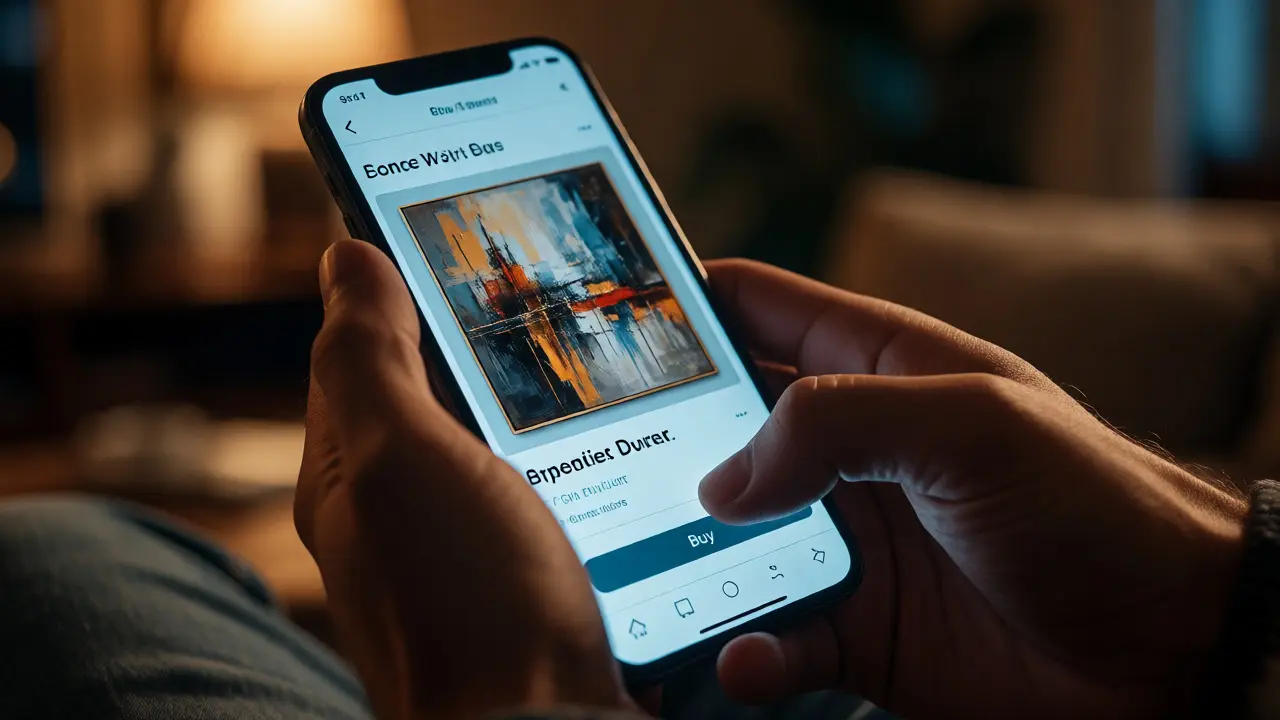
You just found the perfect piece. It’s listed on a niche platform or maybe even an Instagram DM from a gallery you’ve never heard of. The price is good-maybe too good? You hit "Buy," your credit card pings, and then... silence. Three weeks later, the canvas arrives, but it looks nothing like the photos, or worse, it doesn’t arrive at all. This isn't just bad luck; it’s a systemic issue in the digital art market where online art transactions are rife with fraud risks ranging from counterfeit goods to non-delivery scams.
The problem is that art is subjective and expensive, making it a prime target for scammers. Unlike buying a pair of sneakers, there’s no universal barcode for a painting. But that doesn’t mean you’re helpless. Whether you’re a collector trying to buy safely or an artist trying to get paid without chargebacks, knowing how to navigate this landscape saves you money and heartache. Here is how to spot the red flags and lock down your deals.
Why Art Is a High-Risk Category for Fraud
Think about why banks flag art purchases differently than groceries. It comes down to three things: high value, low standardization, and emotional buying. When you buy a specific model of iPhone, you know exactly what you’re getting. When you buy a contemporary sculpture, you’re relying on trust, visual representation, and often, incomplete paperwork.
Scammers exploit this ambiguity. They know that buyers are often emotionally invested, which clouds judgment. They also know that shipping costs can be massive, so many buyers hesitate to return items once they arrive, even if they suspect issues. According to recent data from the Association of Certified Fraud Examiners, white-collar crimes involving high-value goods have surged as markets moved online post-2020. The lack of physical inspection prior to payment creates a gap that fraudsters fill with fake provenance documents or doctored images.
For sellers, the risk flips. Artists and galleries face "friendly fraud," where a buyer receives the art, claims it was damaged or not as described, and files a chargeback. Because art is fragile and subjective, proving damage occurred during transit rather than after delivery can be a nightmare for small businesses without robust insurance policies.
Verifying Authenticity Before You Pay
The biggest fear for any buyer is receiving a fake. In the digital realm, you can’t hold the brushstrokes, so you need digital evidence. Start with provenance, which is the documented history of ownership for an artwork. If a seller cannot provide a clear chain of custody-receipts, exhibition histories, or certificates of authenticity-walk away. Vague statements like "it belonged to my uncle" aren't enough for five-figure pieces.
Look for third-party verification. Reputable platforms often partner with authentication services. For example, some platforms require artists to upload high-resolution detail shots, including the back of the canvas where signatures and stamps live. If the listing only has one glossy front-facing photo, treat it with suspicion. Ask for video calls. A seller who refuses to show the work on camera, turning it under light to reveal texture and depth, might be hiding flaws or using stock images.
Check the artist’s footprint. Search their name alongside terms like "scam," "fake," or "dispute." Look at their social media presence. Does the style match their other works? Do they have a consistent posting history over years, or did the account pop up last month? Scammers often create fresh profiles with stolen images from real artists’ portfolios. Reverse image search tools like TinEye or Google Lens are your best friends here. Paste the URL of the product image and see if it appears on multiple sites with different prices. That’s a classic dropshipping or scam indicator.
Securing Payment Methods
How you pay matters as much as what you buy. Avoid wire transfers for unknown sellers. Once those funds leave your bank, they are gone. There is no recourse, no chargeback option, and no customer service number to call. Wire transfers are preferred by scammers because they are irreversible and fast.
Instead, use payment methods that offer buyer protection. Credit cards are generally safer than debit cards because they draw from the bank’s line of credit, not your actual cash, giving you more leverage in disputes. Many online art platforms integrate with payment processors like PayPal Goods and Services (not Friends and Family) or Stripe. These services have dispute resolution centers that can freeze funds until both parties present evidence.
For high-value transactions, consider using escrow services. An escrow service holds the buyer's money in a neutral third-party account until the buyer confirms receipt and satisfaction with the item. Platforms like Escrow.com specialize in this. Yes, there are fees, but for a $10,000 painting, paying $200 for peace of mind is cheap insurance. The seller gets confirmation that the funds are secured before shipping, and the buyer knows the money isn’t released until the art is inspected.
Shipping and Logistics Pitfalls
Fraud isn’t always intentional theft; sometimes it’s negligence dressed up as malice. Shipping art is complex. A flat print needs different packaging than a glass-framed oil painting. If a seller uses a generic box and minimal padding for a delicate sculpture, you’re setting yourself up for a dispute.
Always insist on tracked and insured shipping. Insurance should cover the full replacement value, not just the shipping cost. Note that standard carrier insurance often caps coverage at a few hundred dollars unless you purchase additional riders. Read the fine print. Who insures the package? Is it the shipper or the recipient? Usually, the shipper buys the insurance, but the liability shifts upon delivery signature.
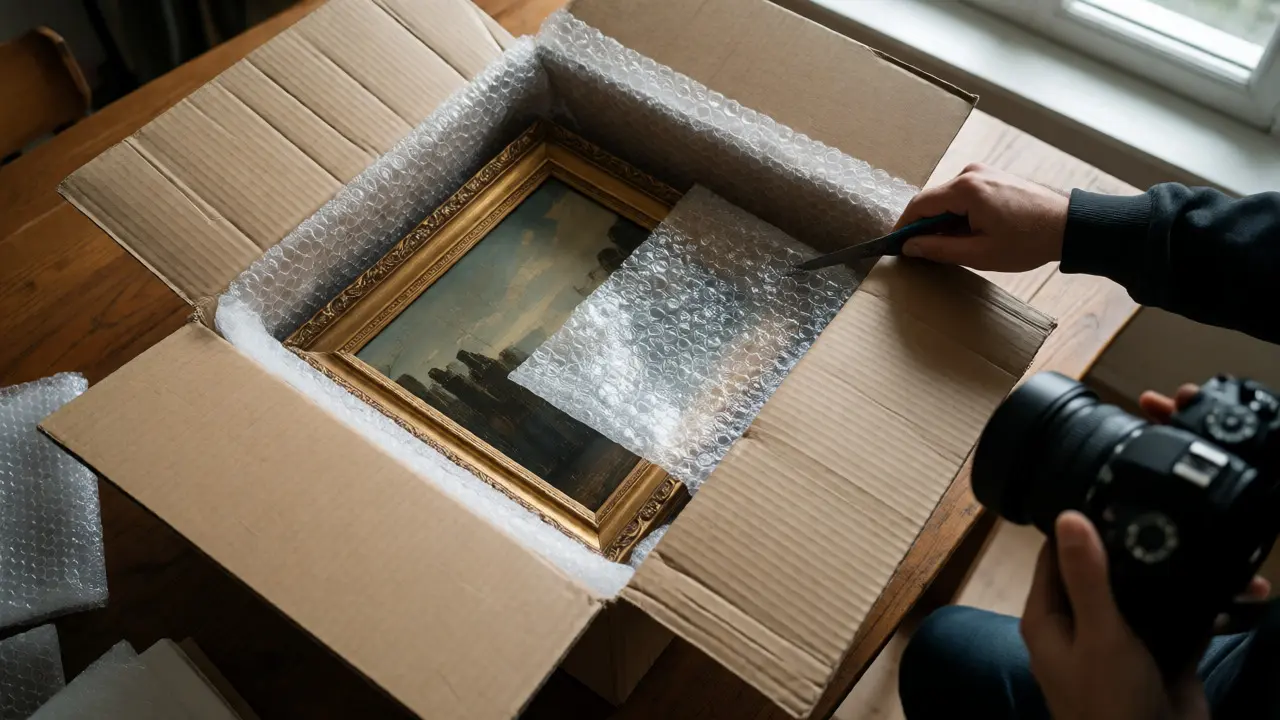
Take photos immediately upon arrival. Don’t sign for the package without inspecting it if possible. If the box looks crushed, note it on the delivery receipt. Once inside, photograph the packaging materials before removing the art. If the bubble wrap is thin or missing, document it. If you open the crate and find the corner smashed, take pictures of the damage against the undamaged parts of the frame. This visual timeline is crucial if you need to file a claim with the insurer or initiate a refund request.
Platform Protections vs. Private Sales
Buying through established marketplaces like Saatchi Art, Artsy, or Etsy offers a layer of safety net. These platforms hold funds in reserve until the buyer confirms delivery. They also have standardized return policies. However, they come with higher fees, which sellers often pass on to buyers via inflated prices.
Private sales, often conducted via email or direct messaging on social media, offer lower prices but zero built-in protection. If you’re dealing directly with an artist or a small gallery, you must create your own contract. A simple agreement outlining the description of the work, the price, shipping terms, and return policy protects both sides. Specify that the sale is final unless the item is significantly different from its description. Define what "significantly different" means-color variance due to screen calibration usually doesn’t count, but a missing signature does.
| Transaction Type | Buyer Protection | Seller Risk | Best For |
|---|---|---|---|
| Established Marketplace | High (Platform Guarantee) | Low (Funds held in escrow) | New buyers/sellers, mid-range art |
| Escrow Service | Very High (Neutral Third Party) | Medium (Wait time for release) | High-value private sales ($5k+) |
| Credit Card Direct | Medium (Chargeback rights) | Medium (Chargeback fraud) | Trusted vendors, smaller amounts |
| Wire Transfer | None (Irreversible) | Low (Immediate funds) | Verified long-term relationships only |
Digital Art and NFT Specific Risks
If you’re dipping into digital art or Non-Fungible Tokens (NFTs), the rules change slightly. Here, "fraud" often means buying a token that points to a broken link, or buying from a copycat project mimicking a famous collection. Verify the smart contract address. Don’t just look at the name of the project; check the blockchain explorer to ensure the contract matches the official announcement from the creator.
Beware of "rug pulls," where developers abandon a project shortly after launch, draining liquidity. Check the team’s identity. Are they anonymous? Anonymous teams aren’t always bad, but they carry higher risk. Look for locked liquidity pools and audited contracts. For traditional digital prints sold as JPEGs, ensure the file includes metadata and a digital certificate linking it to the artist’s wallet or verified profile.
Red Flags Checklist
Before you click send on that payment, run through this quick mental checklist:
- Price Too Good: Is it 50% below market value for comparable works? Why?
- Pressure Tactics: Is the seller urging you to buy "right now" because another buyer is waiting?
- Vague Details: Can you get dimensions, medium, year, and condition report?
- Inconsistent Communication: Did the tone shift suddenly? Are emails coming from a free Gmail/Yahoo address instead of a domain?
- No Return Policy: Does the seller refuse to state a return policy explicitly?
Trust your gut. If something feels off, it probably is. The art world relies heavily on reputation. A reputable dealer will welcome questions about provenance and shipping. A scammer will get defensive or evasive when asked for specifics.
What is the safest way to pay for expensive art online?
For high-value items, an independent escrow service is the safest option. It holds your money until you confirm the artwork arrived as described. If escrow isn't available, use a credit card rather than a wire transfer or debit card, as credit cards offer stronger chargeback protections for unauthorized or misdescribed goods.
How do I verify if an artist is legitimate?
Search for the artist's name combined with reviews or news articles. Check their social media consistency over several years. Request a video call to see the work in person. Legitimate artists usually have a portfolio website, exhibition history, and verifiable contact information. Be wary of accounts created recently with only a few posts.
Does shipping insurance cover damage to art?
Standard shipping insurance often has low limits. Always declare the full value of the artwork and purchase additional insurance if necessary. Keep all packaging materials and take timestamped photos of the unboxing process to prove the damage occurred during transit, not after you opened the box.
Can I get a refund if the art looks different in person?
It depends on the seller's return policy. Color variations due to screen settings are rarely grounds for a refund. However, if the condition differs significantly from the description (e.g., cracks, tears, missing elements), you likely have grounds for a dispute. Always clarify the return policy before purchasing.
Are NFTs safe from fraud?
No, NFTs have unique risks like phishing links, fake collections, and rug pulls. Verify the smart contract address on a blockchain explorer, ensure the official Twitter/Discord links are correct, and be cautious of projects with anonymous teams or unlocked liquidity.