Food and Drink Rules in Museums: What’s Allowed on Your Visit
Ever walked into a museum, snack in hand, and felt that weird pause-like you’re about to break a rule you didn’t know existed? You’re not alone. Museums aren’t just about quiet halls and hushed voices. They’re also about protecting priceless objects, keeping floors clean, and making sure everyone has a good experience. But that doesn’t mean you have to go hungry. The truth is, most museums have clear, practical rules about food and drink-and they’re not as strict as you might think.
What’s Almost Always Allowed
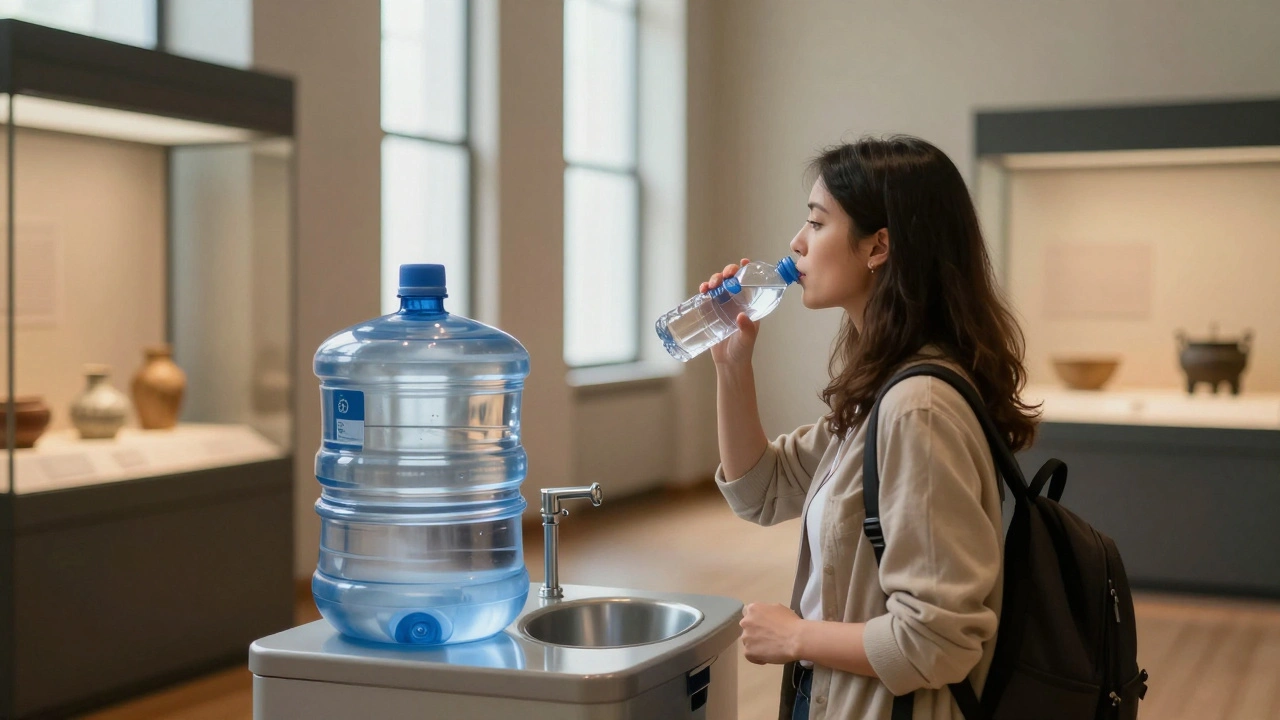
Water in a sealed bottle? Yes. Most museums let you bring in plain water. It’s not about hydration-it’s about safety. A sweaty phone, a sticky keyboard, or a spilled soda can ruin a touchscreen exhibit or warp a centuries-old manuscript. Water? No problem. Clear plastic bottles with no labels are preferred, and some places even have water fountains you can refill.
Medication and baby food? Always allowed. Museums know real life doesn’t pause for art. If you need insulin, a glucose gel, or formula for a toddler, you’re not breaking a rule-you’re following common sense. Staff won’t ask questions. They’ll just nod and point you to a bench.
Small, wrapped snacks? Sometimes. If you’re diabetic, pregnant, or just have a long day ahead, some museums quietly allow unopened granola bars, nuts, or fruit. It’s not written on the website, but if you keep it quiet, small, and eat it in a designated area, you’re usually fine. The key? No wrappers. No smells. No crumbs.
What’s Almost Always Banned
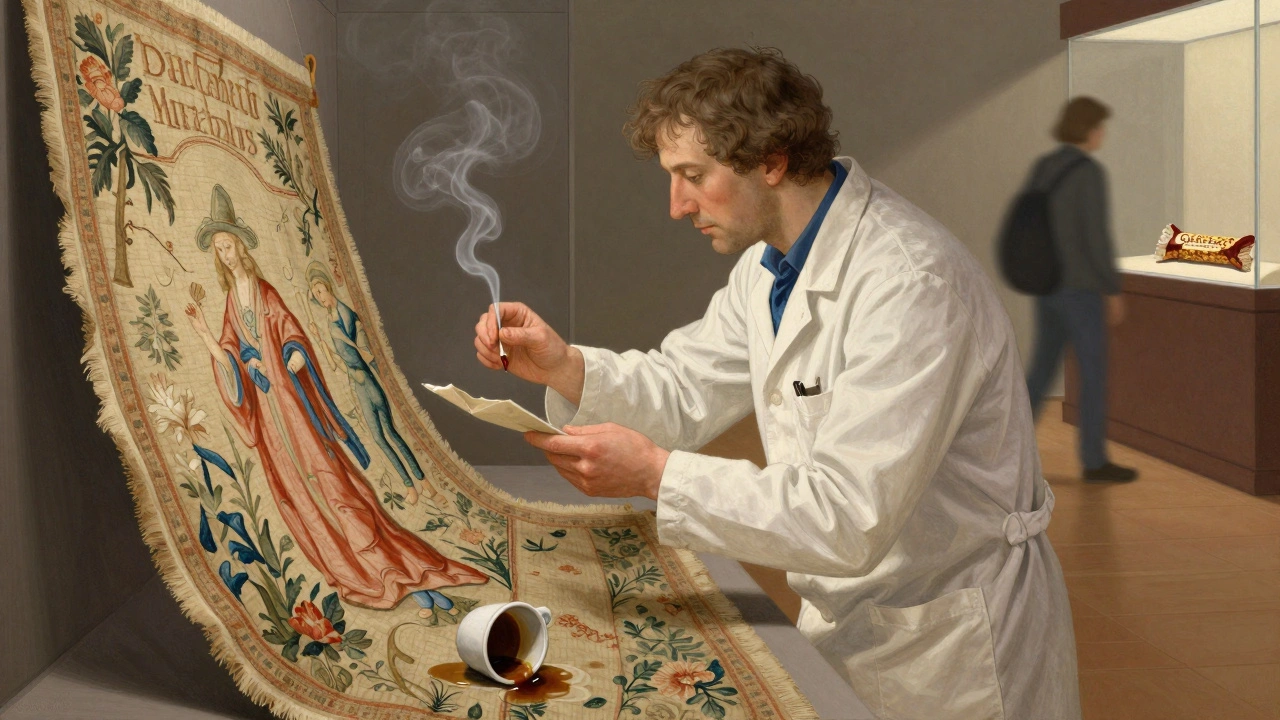
Open drinks? No. Coffee, soda, juice, tea-anything with a lid you’ve already opened? That’s a hard no. Even if it’s in a fancy reusable cup, the risk of a spill is too high. A single drop of coffee on a 15th-century tapestry can cause irreversible staining. Museums don’t take chances.
Hot food? Never. Pizza, sandwiches, burritos, or even a warm pastry? You can’t bring it in. The smell alone can attract pests, and crumbs are a nightmare for conservation teams. One museum in Chicago lost part of a textile collection to pantry moths after a visitor ate a bagel near a display case. It took six months to contain the damage.
Alcohol? Absolutely not. Even if you’re celebrating a birthday or just want to relax after a long day, museums are not bars. This rule is universal. No exceptions. Not even a tiny flask.
Chewing gum? Surprisingly, yes-it’s banned too. It sticks to benches, floors, and sometimes even exhibit cases. Cleaning it off marble or wood floors takes hours. One museum in Boston had to close a wing for three days after a child stuck gum under a glass case. It cost $12,000 to repair.
Where You Can Eat (And Where You Can’t)
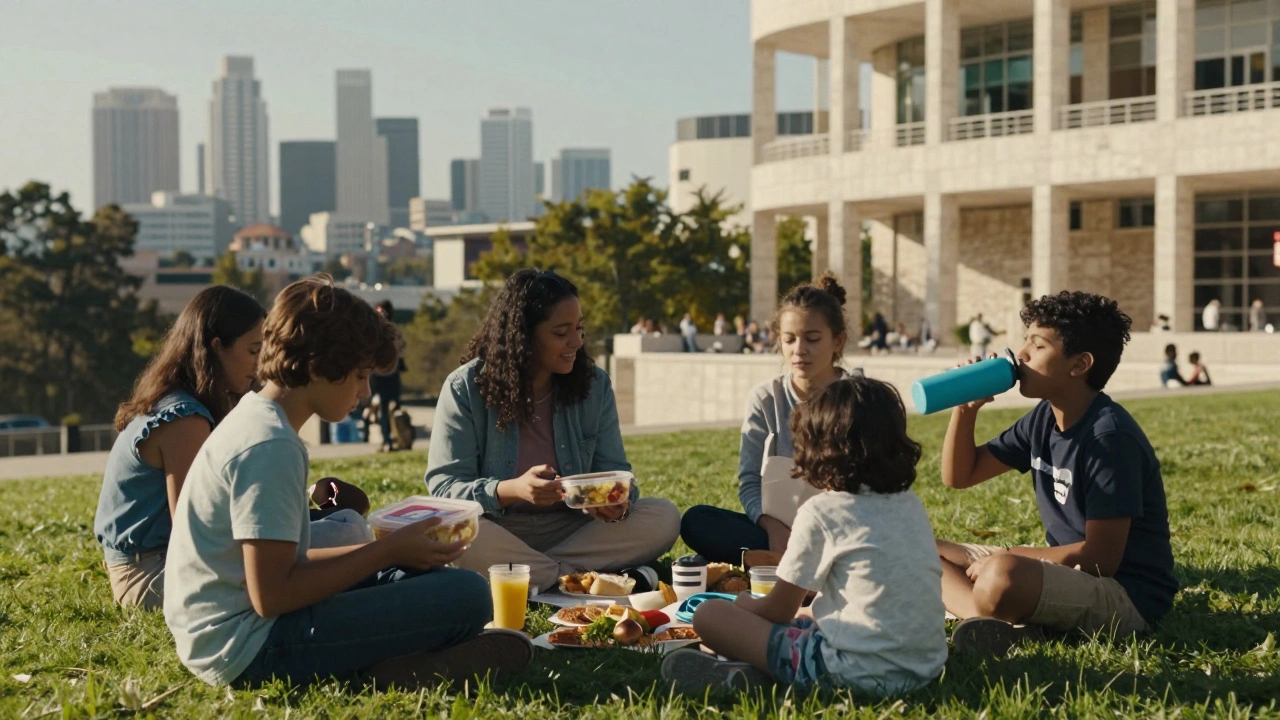
Museums have designated eating areas for a reason. Most have cafés, picnic gardens, or outdoor patios. These aren’t just perks-they’re part of the experience. The Metropolitan Museum of Art in New York has a rooftop garden with views of Central Park. The Getty Center in Los Angeles lets you picnic on its grassy lawns with the city below. These spaces exist so you don’t have to choose between art and lunch.
But don’t assume every bench is fair game. Eating near galleries, especially those with fragile items like manuscripts, textiles, or ancient pottery, is a red flag. Staff don’t need to say anything. A single glance, a quiet step closer, and you’ll know you’ve crossed the line.
Some museums, like the Smithsonian in Washington, D.C., have free food zones just outside the main entrance. You can eat there before or after your visit. Others, like the Tate Modern in London, let you bring food into their large public atriums-just not into the galleries. Always check the museum’s website before you go. Most have a section called “Plan Your Visit” or “Visitor Guidelines.”
Why These Rules Exist
It’s not about being strict. It’s about preservation. A single fingerprint on a Roman coin can start a slow chemical reaction that eats away at its surface over decades. A spilled soda can attract insects that chew through ancient paper. Humidity from a hot coffee cup can warp delicate wood carvings. Museums don’t just store objects-they protect them from time, weather, and human error.
Conservation scientists work in labs with climate controls, gloves, and air filters. They spend years training to handle artifacts that are older than nations. You don’t need to be a scientist to help. Just follow the rules: no open drinks, no hot food, no gum. It’s not about punishment-it’s about partnership.
Think of it this way: when you visit a museum, you’re not just a visitor. You’re part of a chain of people who’ve kept these objects alive for centuries. The next person who sees that Ming vase? They’ll thank you for not eating a burrito nearby.
Smart Tips for Eating Near Museums
- Bring an empty water bottle and fill it up at the museum’s water station. Saves money and cuts plastic waste.
- Check the museum’s website before you go. Look for “Food & Drink Policy” or “Visitor Guidelines.”
- If you’re hungry, plan your visit around meal times. Most museums have cafés open from 10 a.m. to 4 p.m.
- Use nearby parks or public plazas. Many museums sit next to green spaces where eating is welcome.
- For kids: pre-wrap snacks in small, reusable containers. No crinkly wrappers. No sticky fingers.
- Never eat near display cases-even if they’re behind glass. Condensation, smells, and crumbs still travel.
What About Special Events?
Some museums host evening events, wine tastings, or themed dinners. These are exceptions-and they’re clearly advertised. If you see an event called “Sip & View: Renaissance Wines at the Louvre,” then yes, drinks are allowed. But only during that event, in that space, and only if you bought a ticket. Don’t assume a general visit includes a bar.
Private tours? Sometimes. If you’re booking a private group tour with catering, the museum might allow food in a controlled area. But again, it’s arranged in advance. You won’t just show up with a cake and expect a table.
What Happens If You Break the Rules?
Most staff won’t yell. They’ll quietly ask you to stop, move to a designated area, or put the food away. If you refuse, they might ask you to leave. It’s rare, but it happens. One visitor in Philadelphia was banned for three months after eating a bag of chips near a Van Gogh sketch. The museum cited “disruption to conservation protocols.”
It’s not about policing. It’s about respect. Museums are public spaces built to preserve history-not snack zones.
Can I bring a sealed bottle of water into a museum?
Yes, most museums allow sealed, clear plastic bottles of plain water. It’s one of the few exceptions to the no-drink rule. Many museums even have water refill stations to encourage reusable bottles. Just avoid flavored water, sports drinks, or anything with a label that might leave residue.
Are there museums that allow food inside the galleries?
No. No reputable museum allows food inside galleries, even if it’s wrapped or small. The risk of crumbs, odors, or spills is too high for delicate artifacts. Some museums have large open atriums or lobbies where eating is permitted, but never near exhibit cases. Always assume galleries are off-limits unless clearly marked otherwise.
Can I bring snacks for my child?
You can bring snacks for a child, but only if you eat them in a designated area like a café or outdoor space. Don’t open them in the galleries. Even a single crumb can attract pests or trigger conservation alarms. Pre-wrap snacks in reusable containers and keep them sealed until you’re in the right spot. Many museums have family restrooms with changing tables and quiet corners for feeding.
Why can’t I bring coffee even if I’m careful?
Coffee isn’t just about spills. The steam from a hot cup raises humidity levels, which can warp paper, wood, and textiles. The smell can also interfere with sensitive air filtration systems in climate-controlled rooms. Even a tiny splash on a wooden frame can seep in and cause mold over time. Museums use precision climate control to preserve artifacts for centuries. Your coffee mug doesn’t fit into that equation.
Do all museums have the same rules?
Most follow similar guidelines, but rules can vary by location, collection type, and country. A natural history museum might be stricter about food because of pest risks, while a modern art museum might allow sealed snacks in a large lobby. Always check the specific museum’s website before you go. Don’t rely on general advice-policies change.