Famous Art Critics: Influential Voices to Study for Modern Artists

Have you ever looked at a painting and felt completely lost? You see the colors, the shapes, maybe even the subject, but something feels missing. That gap is where art criticism is the practice of analyzing, interpreting, and evaluating works of art to provide context and meaning for viewers. It’s not just about saying "I like it" or "it’s ugly." It’s about decoding the language of visual culture.
When you study the voices that shaped how we see art, you don’t just learn history. You gain a toolkit. You start seeing the invisible structures in a composition. You understand why a certain brushstroke matters more than the subject matter itself. Whether you are an artist trying to get your work noticed, a collector looking for value, or simply someone who wants to enjoy galleries without feeling out of place, knowing these influential figures changes everything.
Why Studying Critics Matters More Than Ever
In the age of Instagram and TikTok, everyone has an opinion on art. But professional criticism offers depth that social media rarely provides. A critic doesn't just describe what they see; they connect that image to broader cultural, political, and historical currents. When you read the work of a major critic, you are essentially learning how to think visually.
Consider the difference between a casual viewer and a trained eye. A casual viewer might say a Rothko is "just red squares." A critic like Clement Greenberg would explain how those flat planes of color represent the ultimate purity of the medium-paint on canvas, stripped of all narrative distraction. This distinction isn't academic trivia. It helps you understand why abstraction became dominant in the mid-20th century and how it influenced everything from graphic design to digital interfaces today.
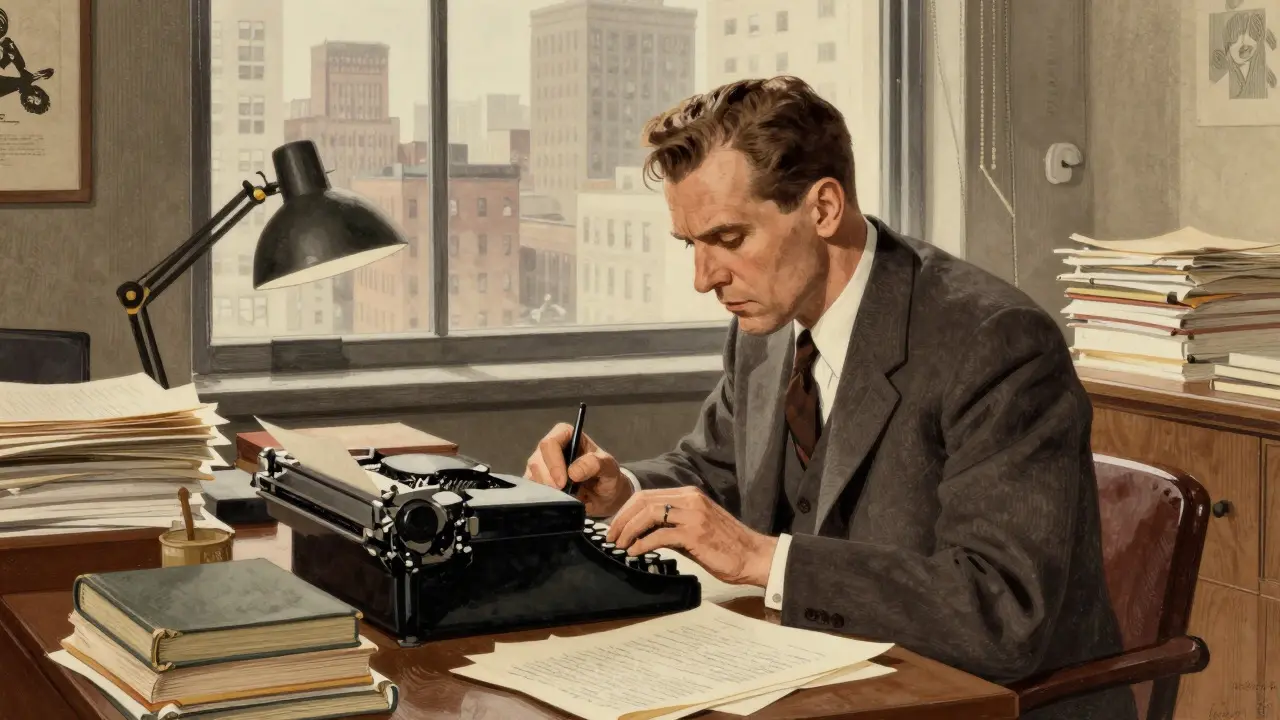
The Gatekeepers: Mid-Century Giants
To understand modern art, you have to start with the people who defined it during its explosive growth in the 1950s and 60s. These critics held immense power. They could make or break careers with a single review.
Clement Greenberg was perhaps the most powerful voice in New York. He championed Abstract Expressionism, arguing that each art form should focus on its own unique qualities. For painting, that meant emphasizing flatness and color. His essays were dense, intellectual, and often arrogant, but they established the vocabulary we still use today. If you want to understand why Minimalism emerged as a reaction against the emotional chaos of Abstract Expressionism, Greenberg is the key.
Then there was Hilton Als, though his influence peaked slightly later, bridging the gap between high art and popular culture. But alongside Greenberg, we must mention John Canaday. Writing for The New Yorker, Canaday brought a literary flair to art writing. He didn't just analyze the paint; he analyzed the personality of the artist. His reviews of Jackson Pollock and Mark Rothko are masterclasses in how to write about art with both precision and poetry.

The Demolition Crew: Deconstructing Meaning
If Greenberg wanted to purify art, the next generation wanted to explode it. The 1970s and 80s saw the rise of critics who asked uncomfortable questions. Who owns art? Who decides what is beautiful? And what does art say about power?
Rosalind Krauss is a central figure here. She helped introduce structuralist and psychoanalytic theories into art discourse. Her concept of the "grid