Extended Gallery Viewing: How to Spend Time With Individual Works
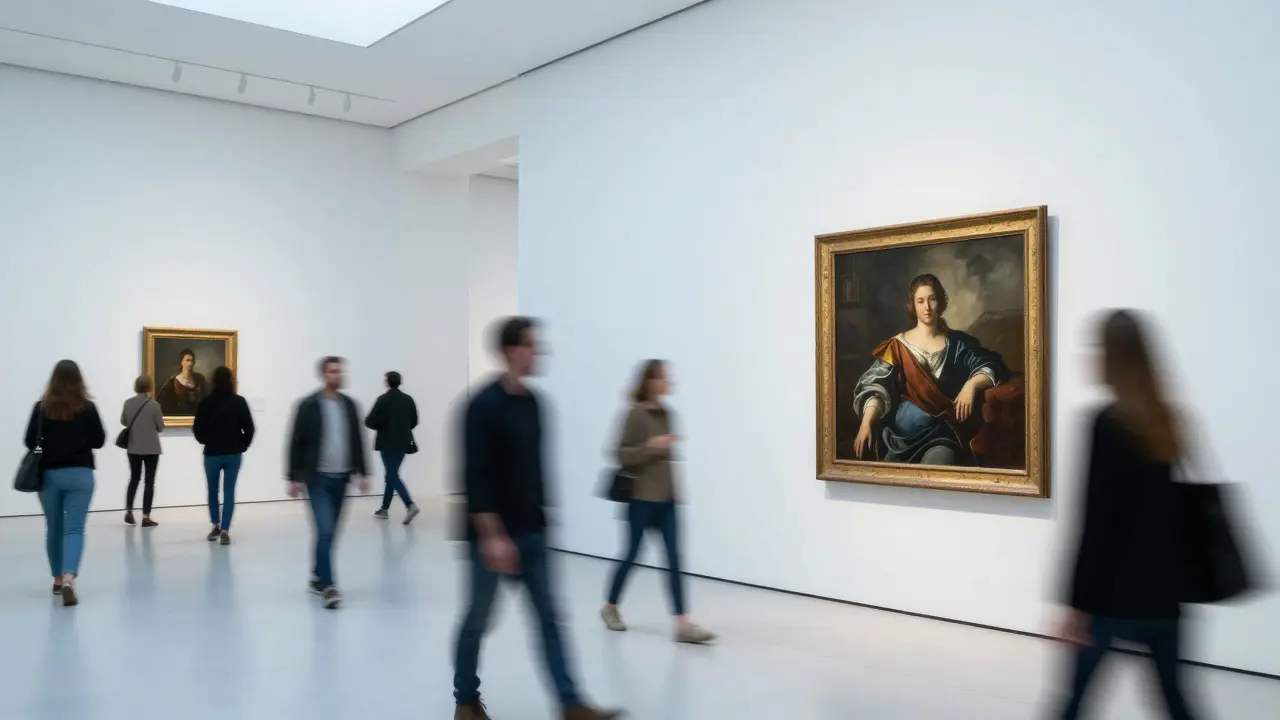
Most people treat a museum visit is a cultural outing where visitors view collections of art, history, or science in a public institution like a speed run. You walk in, snap a few photos, glance at the famous pieces, and head out for lunch. But what if you stayed? What if you sat down with one painting for twenty minutes instead of rushing past it in ten seconds?
This isn't about being boring. It's about actually seeing. When you give yourself permission to linger, the artwork stops being a background image for your Instagram story and starts talking to you. This approach, often called slow art viewing, changes how you experience culture. It turns a passive trip into an active conversation.
The Problem With the Standard Museum Pace
The average visitor spends less than thirty seconds per object. That’s not enough time to notice the brushstrokes, the texture of the canvas, or the subtle shifts in color. You’re essentially skimming a novel by looking at the cover. The issue isn’t that you don’t care; it’s that the environment pushes you forward. Other visitors are moving. The audio guide ends after five minutes. Your feet get tired.
To break this cycle, you need to change your goal. Instead of "seeing everything," your goal becomes "understanding one thing." This shift reduces pressure. You stop feeling guilty for missing the next room because you know you’re getting more value from the current one. It’s a small mental adjustment that has a huge impact on your experience.
Choosing the Right Work to Study
You don’t need to pick the most famous piece in the building. In fact, avoid the crowds around the Mona Lisa or the Starry Night. Look for something that catches your eye immediately. Maybe it’s a dark corner of a landscape painting. Maybe it’s a strange detail in a portrait. Trust your first instinct.
If you’re stuck, look for these three types of works:
- Complex compositions: Paintings with many layers or hidden details reward close inspection.
- Unfamiliar styles: If you usually like modern art, try a classical piece. The contrast forces you to look differently.
- Emotional triggers: Pick something that makes you feel uneasy, happy, or curious. Emotion is a hook that keeps you engaged.
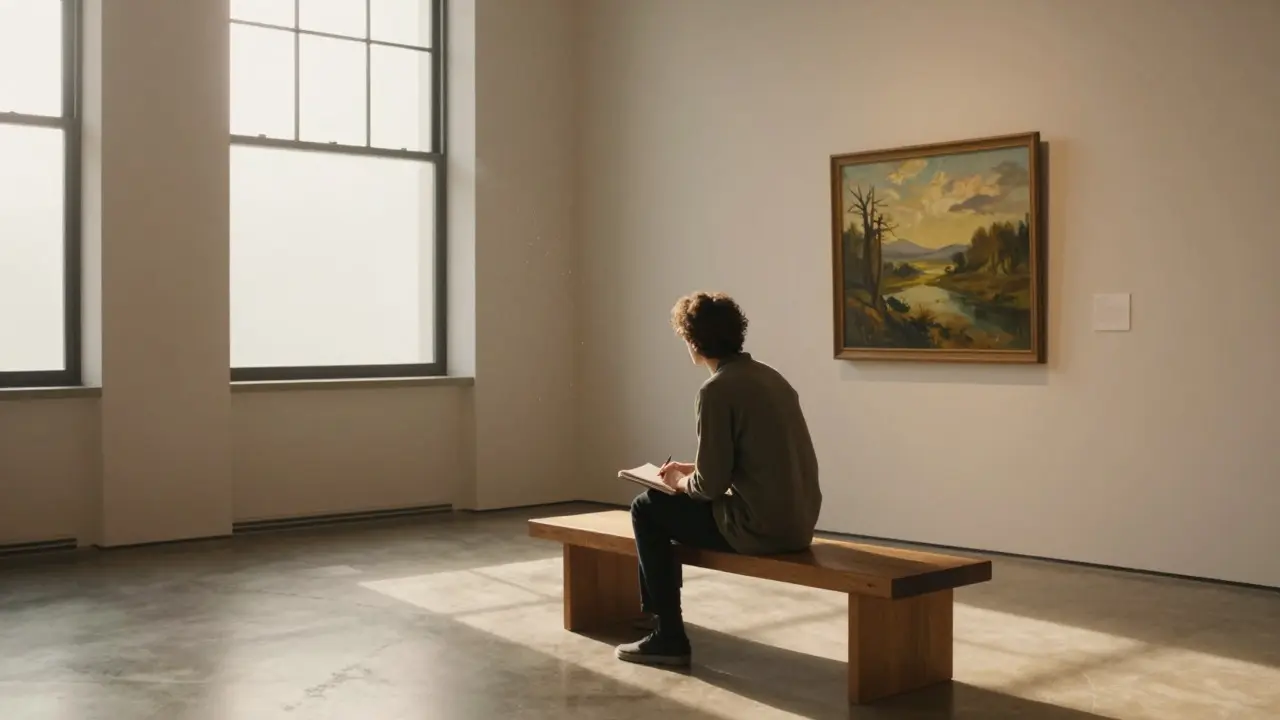
Once you’ve chosen your piece, find a spot where you can stand comfortably without blocking others. A bench nearby is ideal. If there’s no bench, just lean against the wall. Stability helps you focus.
The Four-Step Observation Method
Here is a simple framework to structure your extended viewing. It takes about fifteen to twenty minutes total. You can do this silently in your head or write notes in a small notebook.
- First Glance (2 minutes): Stand back. Look at the whole piece. What is the main subject? What is the mood? Don’t analyze yet. Just let your eyes adjust.
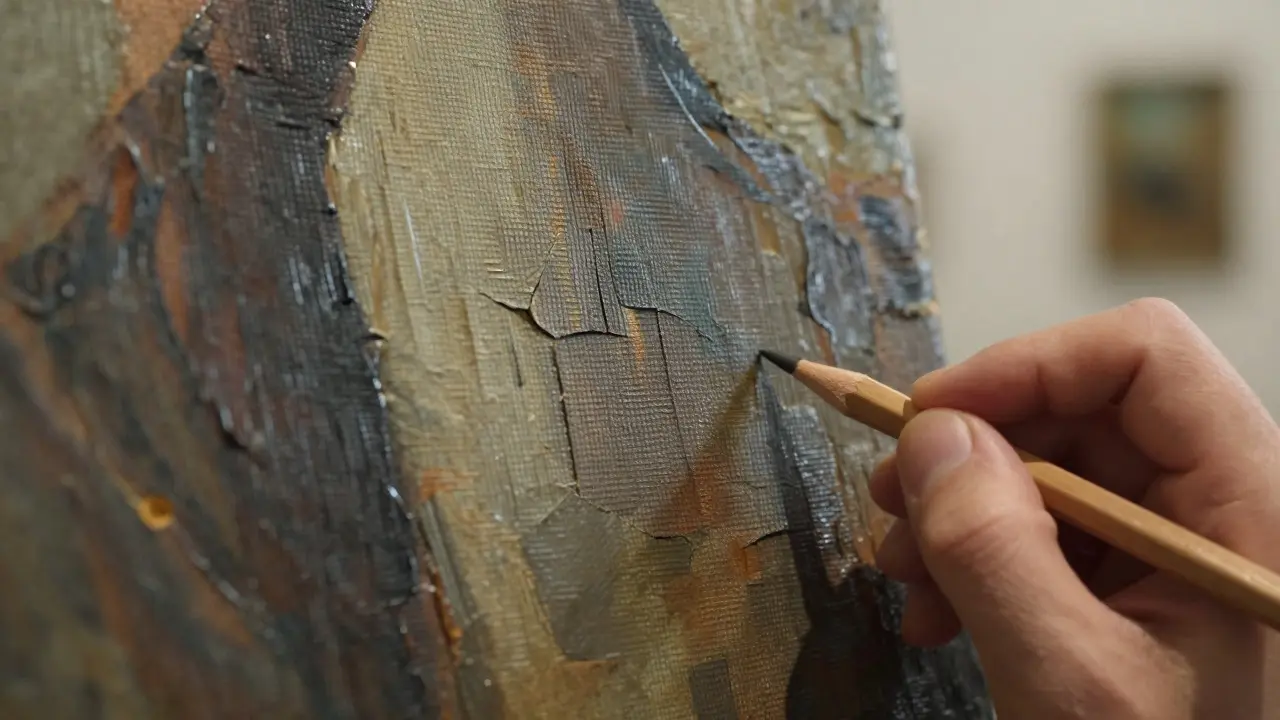
- Detail Scan (5 minutes): Move closer. Look at specific areas. How did the artist apply paint? Are there cracks? Is the surface smooth or rough? Notice the materials.
- Context Check (3 minutes): Read the label. Who made it? When? Why? Now connect the facts to what you see. Does the date explain the style? Does the biography add meaning?
- Personal Response (5 minutes): Step back again. Ask yourself: What does this make me think about? How does it relate to my life? What would I say to the artist if they were here?
This method prevents you from getting lost in trivia or overwhelmed by beauty. It gives you a rhythm. You move from broad to narrow to personal. It’s like peeling an onion, but each layer adds flavor instead of making you cry.
Practical Tips for Extended Viewing
Trying to stay longer than usual can feel awkward if you’re used to moving fast. Here are some practical ways to make it comfortable.
Bring a sketchbook or journal. You don’t need to be an artist. Even drawing a single line or writing three sentences helps anchor your attention. Writing slows down your brain and forces you to process what you see.
Visit during off-peak hours. Early mornings or late afternoons have fewer people. Less noise means less distraction. You can hear the silence of the gallery, which helps you tune into the visual information.
Use the audio guide selectively. Most guides provide context for every piece. Skip the ones you aren’t studying. Save the battery and the mental energy for your chosen work. Listen only when you reach the piece you’ve selected.
Take breaks. Standing for too long tires your legs. Sit on a bench between observations. Rest your eyes by looking at the ceiling or a blank wall. This resets your visual focus so you can return to the artwork with fresh eyes.
Comparison: Standard Visit vs. Extended Viewing
| Feature | Standard Visit | Extended Viewing |
|---|---|---|
| Time per Artwork | 10-30 seconds | 15-20 minutes |
| Primary Goal | Coverage (see many items) | Depth (understand one item) |
| Mental State | Rushed, passive | Focused, active |
| Memory Retention | Low (vague impressions) | High (specific details) |
| Physical Comfort | Walking fatigue | Sitting/leaning comfort |
| Best For | First-time visitors, families | Enthusiasts, students, reflective minds |
Notice that neither approach is "better." They serve different purposes. A standard visit is great for getting an overview of a collection. Extended viewing is best for deepening your connection with specific works. Many people do both: a quick tour first, then they pick one or two pieces to sit with before leaving.
Common Pitfalls to Avoid
Even with the best intentions, extended viewing can go wrong. Here are three common mistakes.
Over-analyzing. Sometimes you’ll spend ten minutes trying to decode a symbol that doesn’t exist. If you hit a dead end, let it go. Not every detail has a hidden meaning. Sometimes the artist just painted a tree because it looked good.
Comparing to other works. Stop thinking about how this painting compares to the one next door. Focus only on the piece in front of you. Comparison distracts you from the immediate experience.
Forgetting to breathe. It sounds silly, but intense focus can make you hold your breath. Relax your shoulders. Take a deep breath. Physical tension blocks mental openness.
How to Make It a Habit
You don’t need to do this every time you visit a museum. Once a month is enough. Choose a piece that interests you. Give it twenty minutes. Write down three things you noticed. Over time, you’ll develop a sharper eye. You’ll start seeing details in everyday objects, not just in galleries. This skill transfers to how you watch movies, read books, and even observe people.
It’s a small practice with big returns. You don’t need expensive tickets or special knowledge. You just need time and attention. And in a world that moves fast, those are rare gifts.
How long should I spend on a single artwork?
Aim for 15 to 20 minutes. This is enough time to complete the four-step observation method without losing interest. If you’re still engaged, you can stay longer, but 20 minutes is a solid benchmark for most people.
Do I need to understand the art history to enjoy extended viewing?
No. Basic context helps, but deep historical knowledge isn’t required. The goal is personal response, not academic analysis. You can learn as you go using labels and audio guides.
Is it okay to take photos while doing extended viewing?
Yes, but use them sparingly. One photo at the beginning to record your choice, and maybe one at the end to capture your final perspective. Too many photos distract you from looking with your own eyes.
What if I get bored during the 20 minutes?
Boredom is a sign to switch modes. Try moving closer or further away. Change your angle. Or simply step away and come back later. Boredom isn’t failure; it’s feedback that your attention needs a new stimulus.
Can I do this with digital art or virtual museums?
Yes. The principles apply to any visual medium. However, physical presence offers scale and texture that screens can’t fully replicate. Still, practicing on high-resolution digital images is a great way to build the habit at home.