Exhibition Insurance Guide: Loans, Transit, and Onsite Coverage
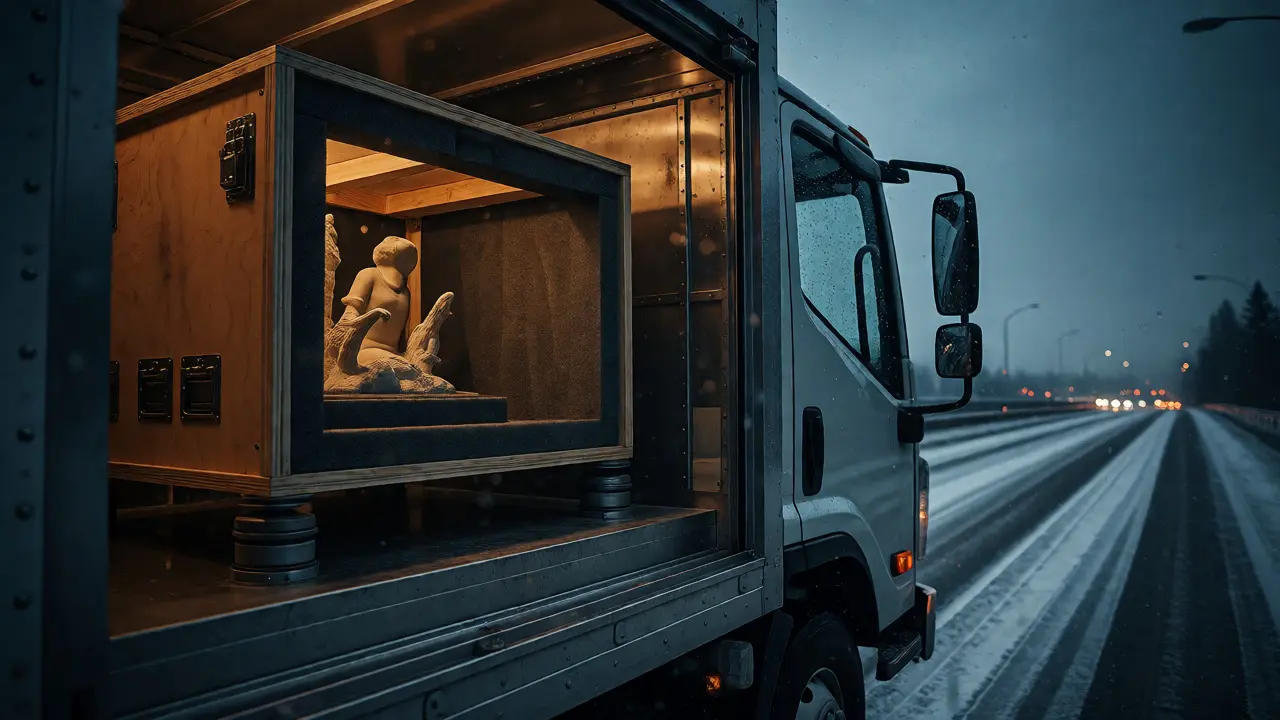
Imagine you’ve spent six months curating a retrospective on local Portland ceramicists. The loans are signed, the gallery is prepped, and then a delivery truck hits a patch of black ice on I-5. Who pays for the shattered glaze? Is it the lender, the borrower, or the carrier? If you don’t know the answer before the crate leaves the warehouse, you’re gambling with your budget.
Exhibition insurance isn't just one policy; it’s a layered safety net covering loans, transit, and onsite risks. Getting this wrong can bankrupt a small gallery or stall a major museum tour. Let’s break down exactly how to protect your collection from the moment it’s requested until it returns home.
The Three Pillars of Exhibition Risk
Most curators think insurance starts when the object arrives. That’s a dangerous myth. You need to understand the three distinct phases where risk changes hands. This structure aligns with standard industry practices outlined by organizations like the American Alliance of Museums (AAM).
- Loan Agreements: The legal contract defining who holds responsibility while the object is in your care.
- Transit Coverage: Protection during movement, whether by air, sea, or specialized fine art courier.
- Onsite Liability: Coverage for damage caused by visitors, environmental failures, or staff errors within your venue.
If you treat these as separate problems, you’ll find gaps. For example, many standard commercial property policies exclude "objects in transit." If you rely solely on your building’s policy, you might be uncovered the second the crate crosses the threshold.
Nailing Down Loan Indemnity
When you borrow an artwork, you usually sign a loan agreement that includes an indemnity clause. This clause shifts financial responsibility to you, the borrower, for any loss or damage occurring during the loan period. It doesn’t matter if the damage was accidental; if it happened under your watch, you pay.
This is why "wall-to-wall" coverage is the gold standard. This term means the insurance covers the object from the moment it leaves the lender’s wall until it hangs back up there. Without this specific wording, you might have a gap between the lender’s release of liability and your assumption of it.
Here is a quick reality check on what lenders typically demand:
| Requirement | Basic Commercial Policy | Specialized Fine Art Policy |
|---|---|---|
| Coverage Type | All-Risk | Wall-to-Wall All-Risk |
| Deductible | High ($5k+) | Low or Zero |
| Valuation Method | Actual Cash Value | Agreed Value / Replacement Cost |
| Transit Inclusion | Often Excluded | Included Automatically |
Notice the valuation method difference. If a $10,000 painting depreciates, a basic policy might only pay $8,000. A specialized policy pays the agreed value, ensuring the lender gets their asset restored or replaced at full market worth.
Transit: The High-Risk Window
Moving art is statistically where most accidents happen. Temperature fluctuations, vibration, and physical impact are constant threats. Standard freight carriers often limit liability to pennies per pound. If you ship a $50,000 sculpture via FedEx Ground without extra coverage, you could lose everything if it breaks.
You have two main options here:
- Carrier Liability: Cheap but limited. Usually capped at $100-$500 per package unless declared otherwise.
- Marine Cargo Insurance: Specifically designed for goods in transit. It covers "all risks" except for inherent vice (like natural decay) or improper packing.
For high-value international loans, you should consider Government Indemnity Schemes. These programs, such as those run by national arts councils, provide state-backed insurance for major exhibitions. They reduce costs significantly because the government assumes the risk, allowing museums to borrow expensive works they couldn’t otherwise afford to insure.
Always require professional fine art shippers. They use climate-controlled trucks and air-ride suspensions. More importantly, they document condition reports meticulously. If a dispute arises, those photos and notes are your best defense against a claim denial.

Onsite Risks: Visitors and Environment
Once the art is inside, new dangers emerge. Slippery floors, curious children, and HVAC failures are common culprits. Your general liability policy covers bodily injury to visitors, but does it cover damage to the borrowed art?
Frequently, no. General liability protects you if a visitor trips over a stanchion. It rarely covers if a visitor touches a painting and oils ruin the canvas. That falls under "property damage" or specific "fine art floater" endorsements.
Environmental control is another silent killer. Humidity spikes can warp wood panels; dryness can crack oil paint. Many policies include a "negligence" exclusion. If your humidity controls fail because you didn’t maintain the system, the insurer might argue negligence and deny the claim. Regular maintenance logs aren’t just good practice-they’re insurance evidence.
Cost Factors and Premium Drivers
Why does insuring one exhibition cost $500 while another costs $5,000? It comes down to risk assessment. Insurers look at four key variables:
- Total Value: Obviously, higher value means higher premiums.
- Duration: Longer shows increase exposure time.
- Security Measures: Do you have cameras, alarms, and guards? Better security lowers rates.
- Packing Standards: Custom crates versus bubble wrap make a huge difference in transit claims.
A pro tip: Bundle your coverage. Instead of buying separate policies for each show, negotiate an annual master policy with a schedule of values. This simplifies administration and often unlocks volume discounts.
Documentation: Your Best Friend
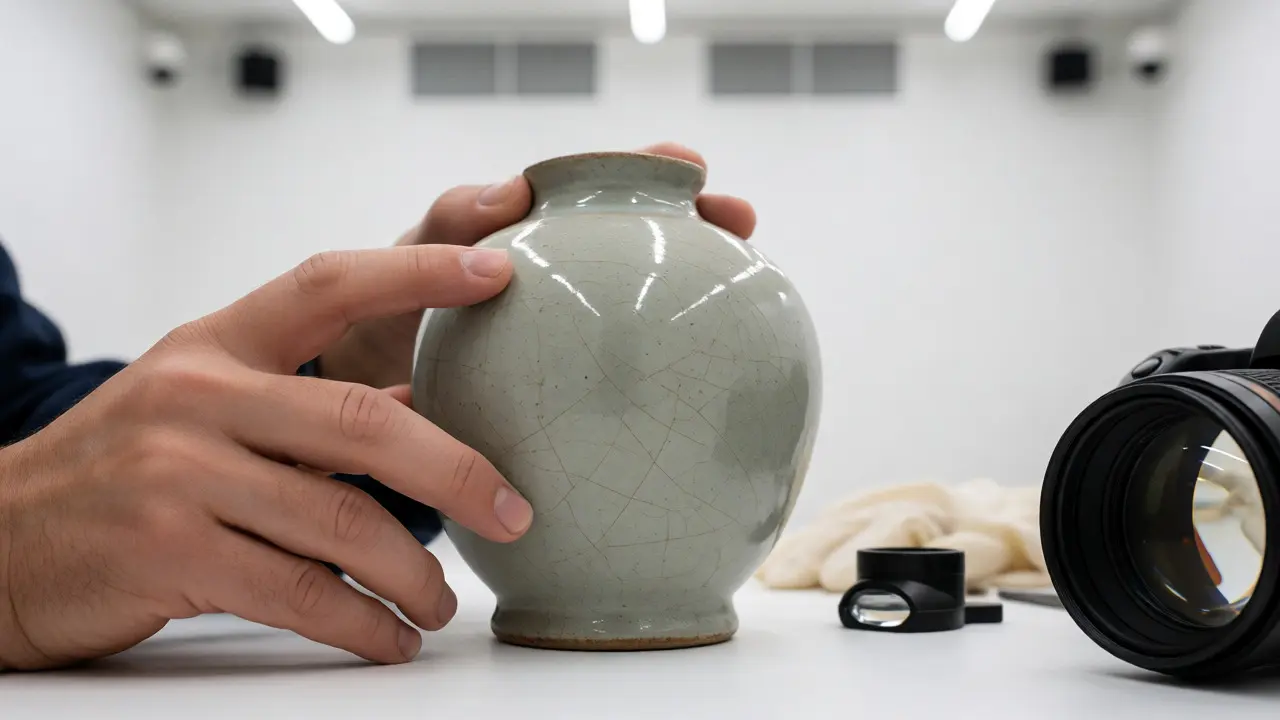
No amount of insurance helps if you can’t prove the loss. Condition reports are non-negotiable. Before shipping, every object needs a detailed report noting existing scratches, cracks, or fading. After arrival, inspect again before signing off.
Keep digital backups of all invoices, appraisals, and correspondence. If a crate arrives damaged, photograph it immediately-before opening it. Once opened, it’s harder to prove the damage occurred in transit rather than during unpacking.
Common Pitfalls to Avoid
Even experienced curators make mistakes. Here are the top three we see in the field:
- Assuming Carrier Coverage: Never assume the shipping company covers full value. Always verify limits in writing.
- Ignoring Deductibles: A low premium with a $10,000 deductible is useless for a $5,000 loan.
- Late Reporting: Most policies require immediate notification of damage. Waiting a week can void your claim.
By addressing these areas proactively, you turn insurance from a bureaucratic hurdle into a strategic tool. It allows you to take bigger risks-borrowing more valuable pieces, experimenting with installation methods-because you know your safety net is solid.
What is wall-to-wall coverage?
Wall-to-wall coverage ensures an artwork is insured continuously from the moment it is removed from its original location (the lender's wall) until it is returned and re-hung there. It eliminates gaps in coverage during transit and handling.
Does general liability cover art damage?
Generally, no. General liability covers third-party bodily injury and property damage caused by your operations (e.g., a visitor slipping). Damage to the art itself usually requires a specific fine art insurance policy or a property endorsement.
How much does exhibition insurance cost?
Costs vary widely based on the total value of the collection, duration of the exhibit, and security measures. As a rule of thumb, premiums might range from 0.1% to 0.5% of the total insured value annually, but short-term policies can differ significantly.
Do I need insurance for free loans?
Yes. Even if you aren't paying a loan fee, you are still liable for the replacement value of the object if it is damaged or lost while in your custody. The lender will almost certainly require proof of insurance.
What is a condition report?
A condition report is a detailed document describing the physical state of an artwork at a specific point in time. It serves as the baseline for comparing the object's condition upon arrival and departure, helping to determine if damage occurred during transit or display.