Event Sponsorships and Partnerships for Galleries: How to Get Noticed and Grow Your Audience

Running a gallery isn’t just about hanging paintings on walls. It’s about creating moments people remember. And one of the most powerful ways to do that? Through smart event sponsorships and partnerships. But most galleries either skip this entirely or make it messy-offering free space in exchange for vague promises. That’s not how it works. Successful galleries treat sponsorships like strategic investments, not charity. Here’s how to do it right.
Why Sponsorships Matter More Than Ever
In 2025, over 68% of art buyers said they discovered new artists through live events, not online galleries or social media. That’s not a fluke. People don’t just want to see art-they want to feel it. They want to talk to the artist, sip wine in a dimly lit room, hear the story behind the brushstroke. Events create that emotional connection. And if your gallery isn’t hosting or sponsoring events, you’re invisible to the next generation of collectors.
But hosting a full-blown opening night every month? That’s expensive. That’s where sponsorships come in. A local coffee roaster doesn’t need to fund your entire season-they just need to be seen as part of the experience. And in return, they get access to your audience. It’s not a donation. It’s a trade.
Who Actually Wants to Sponsor Art Galleries?
You’re not just asking for money. You’re offering something valuable: access to a curated, culturally engaged audience. That’s rare. Here are the top five types of partners that actually make sense:
- Local premium brands-designer furniture shops, artisanal wine producers, luxury watchmakers. These brands want to align with taste, not just traffic.
- Cultural institutions-museums, universities, theater groups. They’re looking for cross-promotion opportunities and shared credibility.
- Independent publishers-art book presses, zine distributors, photography journals. They want visibility among collectors who buy books.
- Architecture and design firms-they sponsor installations or lounge areas to showcase their aesthetic.
- Regional tourism boards-they fund events that draw visitors to your city. This is often overlooked but can cover venue costs.
Forget big corporations. They don’t care about your niche. Focus on brands that already fit your vibe. A gallery showing abstract expressionists? Don’t pitch a car dealership. Pitch a handcrafted ceramicist who works with local clay. That’s a real alignment.
What You Offer (Beyond a Logo)
Sponsors don’t want to see their name on a poster. They want to be part of the story. Here’s what actually works:
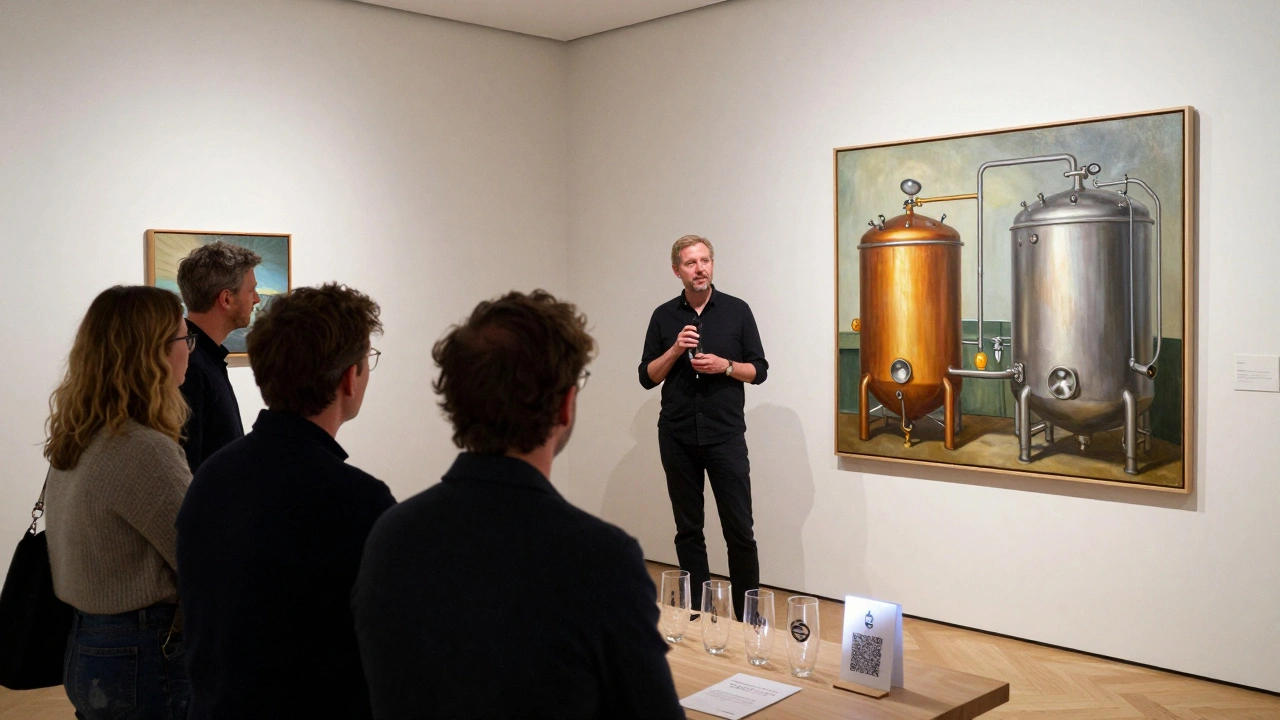
- Experiential integration-let a tea brand set up a tasting station during your opening. Let a furniture designer build a seating area for guests to relax. Make them feel like part of the space, not an add-on.
- Artist collaboration-pair a sponsor’s product with an artist’s work. Example: a textile company provides fabric for an artist’s new series. The artist names the piece after the company. That’s storytelling.
- Exclusive access-offer sponsors early viewing rights, private tours, or invitations to artist talks. People love feeling like insiders.
- Content co-creation-film a short documentary with your sponsor about the artist’s process. Share it on both channels. It builds long-term visibility.
- Newsletter features-don’t just say “thank you.” Dedicate a full section to your sponsor in your next email. Tell their story. Why do they care about art?
One gallery in Portland started a program called “Art & Craft,” where each monthly show featured a local maker. A glassblower, a leatherworker, a candle maker. Each one got a 10-minute live demo during the opening. Attendance jumped 40% in six months. Why? Because people didn’t just come to look-they came to experience.
How to Pitch Without Sounding Desperate
You’re not begging. You’re offering value. Start with a one-page proposal. No fluff. Just this:
- Your audience-who they are, what they spend, where they go. Example: “Our monthly visitors: 82% are aged 30-55, 65% have household incomes over $120K, 78% own at least one piece of original art.”
- The event-date, theme, expected attendance, media coverage.
- What they get-list the experiential benefits, not just “logo placement.”
- What you need-cash? Product? Staff? Venue support? Be specific.
- Proof-include past event photos, testimonials from previous partners, or press clippings.
Send it to the marketing manager, not the CEO. They’re the ones who care about engagement metrics, not brand prestige. And follow up in 7 days-not 3, not 14. That’s the sweet spot.
What Not to Do
Most gallery sponsorships fail because of these mistakes:
- Asking for too much too soon-don’t ask a small business to fund your entire season. Start with one event. Prove the value.
- Ignoring deliverables-if you promise 3 social media posts and only post 1, you burn trust. Track everything.
- Letting sponsors dictate the art-if a sponsor says “no nudes,” you’ve lost your integrity. Set boundaries early.
- Not measuring results-track how many new email subscribers came from the event. How many sponsor attendees bought art? Use QR codes on brochures. Simple.
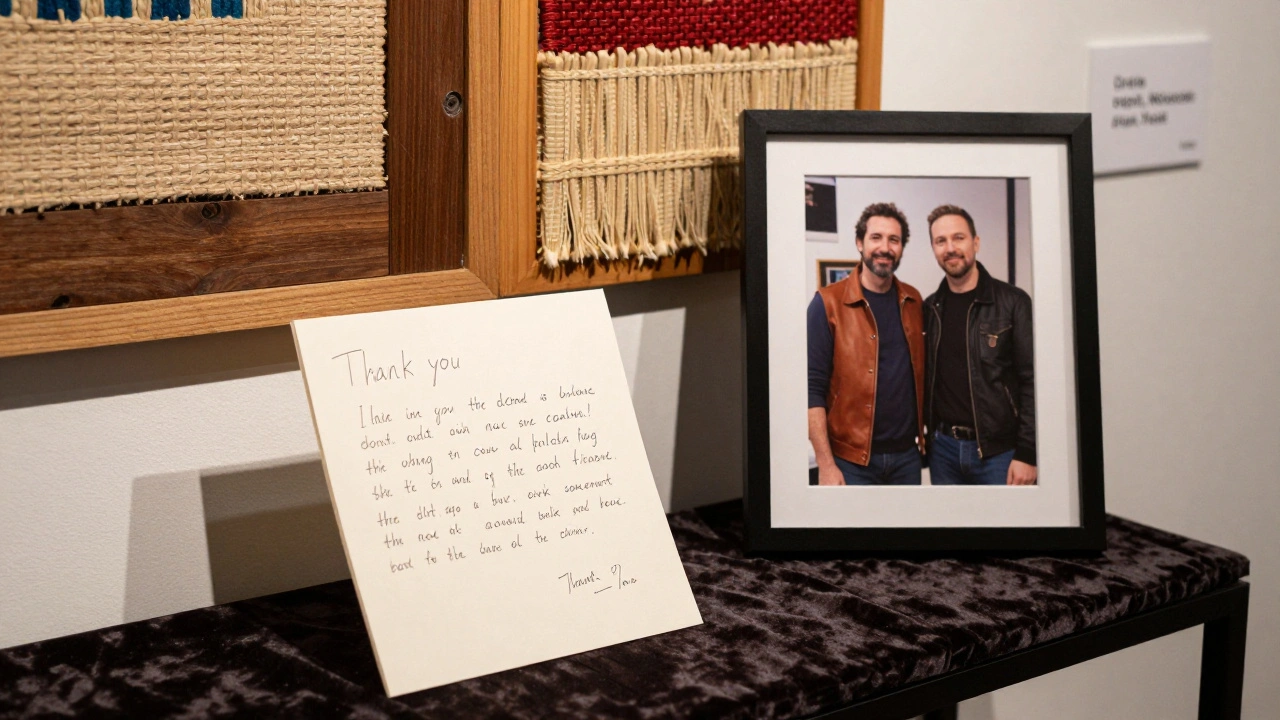
- Forgetting the thank-you-a handwritten note from the gallery director goes further than a branded tote bag.
One gallery in Chicago lost a long-term sponsor because they ran a show with provocative political themes. The sponsor didn’t like it. The gallery didn’t warn them. The sponsor felt blindsided. That’s avoidable. Always send a theme preview. Ask: “Does this align with your values?”
Real Examples That Worked
Case 1: The Brooklyn Gallery + Local Brewery
A small gallery partnered with a craft brewery for a “Art & Ale” series. The brewery provided free beer for every opening. In return, the gallery featured the brewery’s logo on all event materials, hosted a “Brewmaster Talk” during one show, and included a QR code in the gallery’s newsletter that linked to the brewery’s online store. Within three months, the brewery’s online sales increased by 31%. The gallery saw a 50% increase in first-time visitors.
Case 2: The Austin Space + Architecture Firm
An architecture firm sponsored a show on urban design. They didn’t pay cash-they built a custom installation that doubled as a seating area. The gallery didn’t spend a dime on furniture. The firm got a 12-minute feature in a design magazine. The gallery got a memorable experience that made headlines.
Start Small. Think Long-Term.
You don’t need a $50K budget to make this work. Start with one event. Find one partner who genuinely fits. Make it meaningful. Document it. Then repeat. Sponsorships aren’t about quick wins. They’re about building relationships that turn visitors into collectors, and collectors into advocates.
Think of it this way: every sponsor you bring in doesn’t just pay for a party. They help fund the next artist you’ll show. They help pay the rent. They help keep your doors open. That’s not marketing. That’s survival.
What Comes Next?
After your first successful sponsorship, do this:
- Create a sponsorship package template
- Track which partners bring in the most new buyers
- Ask your top 5 collectors who they heard about the gallery from
- Reach out to one new potential partner every two weeks
Don’t wait for someone to come to you. Go to them. Bring your data. Show them what’s possible. Art doesn’t live in a vacuum. It lives in conversations. Sponsorships are just the first word.
Can small galleries really attract sponsors?
Yes-but not the way big museums do. Small galleries attract sponsors by being specific. Instead of saying “we have 5,000 visitors,” say “we have 300 core collectors who buy work by emerging artists under 35.” That’s valuable. Sponsors don’t want mass audiences. They want engaged ones. If you know your audience, you can pitch with confidence.
Should I charge sponsors for booth space?
Only if you’re doing a commercial fair. For gallery events, avoid charging. Instead, offer value in exchange: exposure, collaboration, content, access. Charging turns a partnership into a transaction. You want relationships, not customers. If a sponsor insists on paying, ask for product donations instead-wine, coffee, art books. Those can be used as guest gifts or auction items.
How do I find potential sponsors without cold emailing?
Look at who already supports similar spaces. Check the sponsors listed on museum event pages, indie bookstore events, or design studios’ Instagram. Then reach out to those brands with a simple message: “I noticed you partnered with [similar gallery]. We’re hosting a similar event next month and thought you might be interested. Here’s what we’re doing.” Personalization beats volume every time.
What if a sponsor wants to control the art?
Set boundaries before signing anything. Say: “We welcome your involvement, but the artistic vision remains ours.” If they push back, walk away. Your credibility is your most valuable asset. A sponsor who tries to censor art isn’t a partner-they’re a liability. Protect your mission. Always.
How do I measure if a sponsorship was successful?
Track three things: 1) New email sign-ups from event attendees, 2) Sales made by people who came because of the sponsor, 3) Social media engagement from the sponsor’s posts about your event. If you get at least one new collector and the sponsor reposts your content, you’ve won. Don’t overcomplicate it.