Ethics of De-Attribution: When and Why to Remove an Artist’s Name
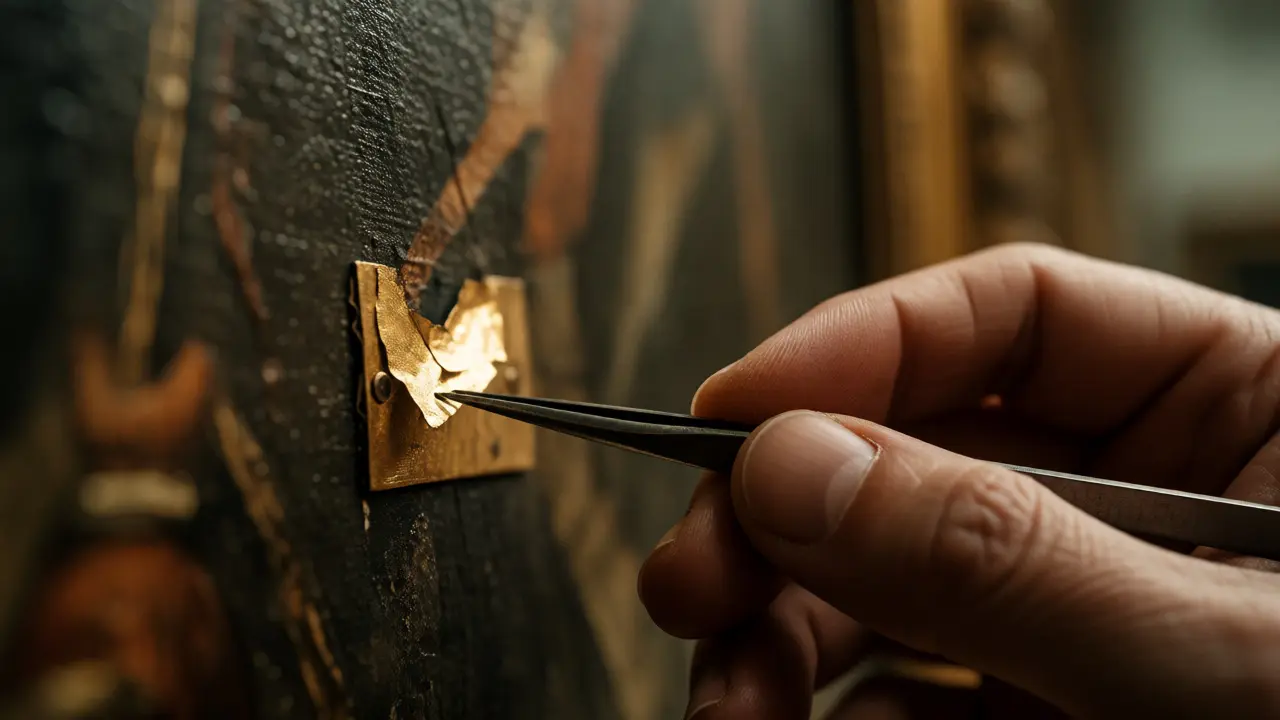
Imagine you buy a painting at auction. The label says it is by a famous contemporary artist. You hang it in your lobby. Six months later, the artist calls your lawyer. They claim they never painted it. Or worse, they admit they painted it, but they hate how you framed it, lit it, or placed it next to a tacky sculpture. They demand their name be removed from the plaque. Do you have to? Can you? Should you?
This scenario isn't rare. It happens in galleries, private collections, and museums every year. De-attribution is the process of removing an artist's name from a work of art or its associated documentation. It sounds simple-just erase the signature-but it touches on deep questions about ownership, identity, and truth. This article breaks down the legal realities, ethical dilemmas, and practical steps for handling de-attribution in the modern art world.
What Is De-Attribution and Why Does It Matter?
De-attribution is distinct from disattribution. Disattribution usually happens when experts prove a work was mislabeled-it wasn't made by the person listed. De-attribution is often voluntary or contested. It occurs when an artist wants to sever ties with a piece they created, or when a collector decides the attribution no longer serves their interests.
Why does this matter? Because in the art market, the name attached to a canvas determines its value. A blank canvas costs fifty dollars. The same canvas signed by Banksy might cost fifty thousand. If that signature is questioned or removed, the financial and historical weight of the object shifts instantly. For artists, their name is their brand. Removing it protects their legacy. For collectors, it can mean a massive loss in resale value.
The core tension here is between two competing rights: the property right of the owner (who bought the physical object) and the moral right of the creator (who made the intellectual expression). In many countries, these rights are not equal.
The Legal Landscape: Moral Rights vs. Property Rights
You need to know where you live because the law changes drastically across borders. In the United States, the Visual Artists Rights Act (VARA) of 1990 provides limited protection. VARA allows artists to prevent the distortion or mutilation of their work if it harms their honor or reputation. However, VARA has big holes. It only applies to works of "recognized stature" and excludes most commercial products, posters, and reproductions.
In Europe, the concept of Moral Rights is much stronger. Under French law, for example, an artist has an inalienable right to withdraw their work from circulation (droit de retrait) or to modify it, even after selling it. They must compensate the buyer, but they can force a change in attribution. In Germany, similar protections exist under the Copyright Act (Urheberrechtsgesetz).
| Region | Primary Law | Right to Withdraw | Scope of Protection |
|---|---|---|---|
| United States | VARA (1990) | Limited | Original paintings, drawings, prints, sculptures; excludes posters/commercial art |
| France | Code de la propriété intellectuelle | Strong (Droit de retrait) | All artistic works; requires compensation to owner |
| United Kingdom | CDPA 1988 | Weak | Mainly prevents false attribution; less focus on withdrawal |
| Canada | Copyright Act | Moderate | Protects against derogatory treatment; moral rights cannot be assigned |
If you are buying art internationally, assume the strictest local laws apply. If you sell a painting from New York to Paris, French moral rights might follow the work. Always consult an art attorney before attempting to remove a name.
Ethical Dilemmas: Who Owns the Truth?
Legality doesn't always equal ethics. Just because you can legally remove a name doesn't mean you should. Consider the case of an artist who destroys their own early work. They feel those pieces don't represent their mature style. They ask a gallery to stop displaying them as "by [Artist Name]." The gallery agrees. But now, future historians might struggle to trace the artist's evolution. Did the artist destroy the work? Or did they just hide it?
There is also the issue of consent. Did the artist sign the work voluntarily? If yes, removing the name unilaterally by the collector feels like censorship. If the artist was coerced, or if the signature was added by a dealer without permission, removal feels like justice.
Another ethical trap is the "market manipulation" angle. Sometimes, dealers remove names to lower prices for quick sales, then re-attribute them later for profit. This hurts trust in the authentication system. When an artist's name is removed, it creates ambiguity. Ambiguity breeds fraud. Collectors rely on clear provenance. Breaking that chain disrupts the entire ecosystem.
Practical Steps for Removing an Artist’s Name
If you decide to proceed with de-attribution, you need a plan. Here is a step-by-step guide for collectors and institutions.
- Review the Sales Contract: Check if the original purchase agreement included a clause about attribution. Some contracts explicitly state that the buyer assumes all risks regarding authenticity and attribution.
- Consult Authentication Experts: Before removing a name, get a second opinion. Is the work actually authentic? If it's a fake, you aren't doing "de-attribution"; you're correcting a factual error. That's different ethically and legally.
- Contact the Artist or Estate: Try to reach out. Get written confirmation if possible. If the artist requests the removal, document their request via email or letter. This protects you from claims that you damaged the work's reputation.
- Document the Change: Take photos before and after. Update your internal inventory records. Note the date of removal and the reason.
- Update Public Records: If the work was exhibited or published, notify the relevant archives or catalog raisonné committees. Failing to do so can lead to misinformation spreading.
For digital art and NFTs, the process is technically different but ethically similar. On-chain metadata is immutable, but off-chain displays can be changed. An artist might update their profile to disown a specific token. Ensure your marketplace supports "burning" or flagging tokens to reflect this change accurately.
When Not to Remove a Name
There are scenarios where keeping the name is the better choice, even if the artist disagrees.
- Historical Significance: If the work is pivotal to an art movement, removing the name erases history. Even if the artist hates the piece, its place in the timeline matters more than their current feelings.
- Collaborative Works: If multiple artists contributed, removing one name complicates the credit for others. It requires consensus among all parties.
- Public Collections: Museums have charters. They serve the public interest, not just individual tastes. Unilateral de-attribution by a curator can be seen as bias. Changes usually require a committee vote.
- Market Value Preservation: If you are flipping the work soon, keep the name. A "work attributed to" sells for significantly less than a "signed by." Wait until after the sale to address attribution issues.

The Role of Authentication Services
Third-party authentication services play a huge role here. Companies like Art Certificates or independent appraisers provide the paper trail. When de-attribution happens, these certificates become invalid or disputed. Some services offer "conditional certification," which notes disputes. This transparency helps buyers make informed decisions.
Be wary of "self-authentication." An artist claiming their own work is fake is unusual. Usually, it's the opposite: they want to claim more work than they made. If an artist denies authorship, investigate why. Are they trying to control the market supply? Are they unhappy with the price? Context matters.
Future Trends: AI and Digital Attribution
We are entering an era where attribution gets harder. With generative AI, who is the artist? The prompter? The model developer? The dataset creators? De-attribution in AI art might involve removing a human name entirely because the output wasn't uniquely authored by them. Blockchain ledgers help track provenance, but they don't solve the philosophical question of who deserves credit. Expect new ethical frameworks to emerge around "algorithmic attribution" in the next five years.
Can I remove an artist's name from a painting without their permission?
It depends on your jurisdiction. In the US, under VARA, you generally cannot distort or mutilate the work if it harms the artist's reputation, but simply removing a label might be allowed if it doesn't damage the physical work. In France, the artist has strong moral rights and could sue for violation. Always check local laws and consult an art lawyer before acting.
Does removing an artist's name decrease the value of the artwork?
Yes, typically. A work attributed to a known artist commands a higher price due to scarcity and prestige. Without the name, it may be valued as anonymous or decorative art, which is usually much cheaper. However, if the attribution was controversial or doubtful, removing it might stabilize the price by removing uncertainty.
What is the difference between de-attribution and disattribution?
Disattribution is the correction of a factual error, proving the work was not made by the claimed artist. De-attribution is the intentional removal of an artist's name, often by the artist themselves or through mutual agreement, even if the work is authentic. One is about truth; the other is about relationship and branding.
How do museums handle requests for de-attribution?
Museums usually form a committee to review such requests. They consider the historical significance, the strength of the evidence, and the impact on the collection's integrity. Decisions are documented in accession records. Unlike private collectors, museums prioritize public educational value over individual artist preferences.
Can an artist reclaim their work after de-attribution?
Not automatically. Once sold, the physical object belongs to the buyer. The artist retains moral rights (in some jurisdictions) to control display and attribution, but they cannot take back the object unless they buy it back or exercise a statutory right of withdrawal (like in France), which requires paying fair compensation to the owner.