Estate Sales and Art: How to Find Hidden Gems and Avoid Fakes
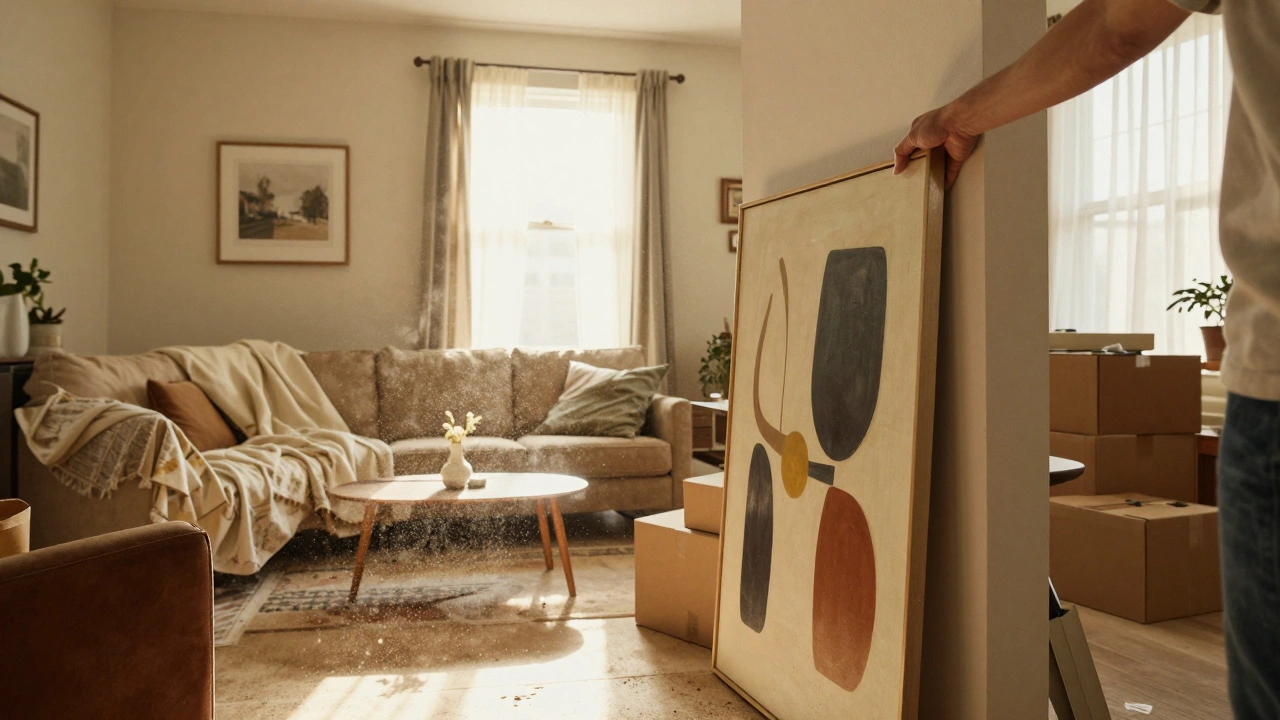
Quick Tips for Art Hunting
- Always check the back of the canvas for gallery labels or handwritten notes.
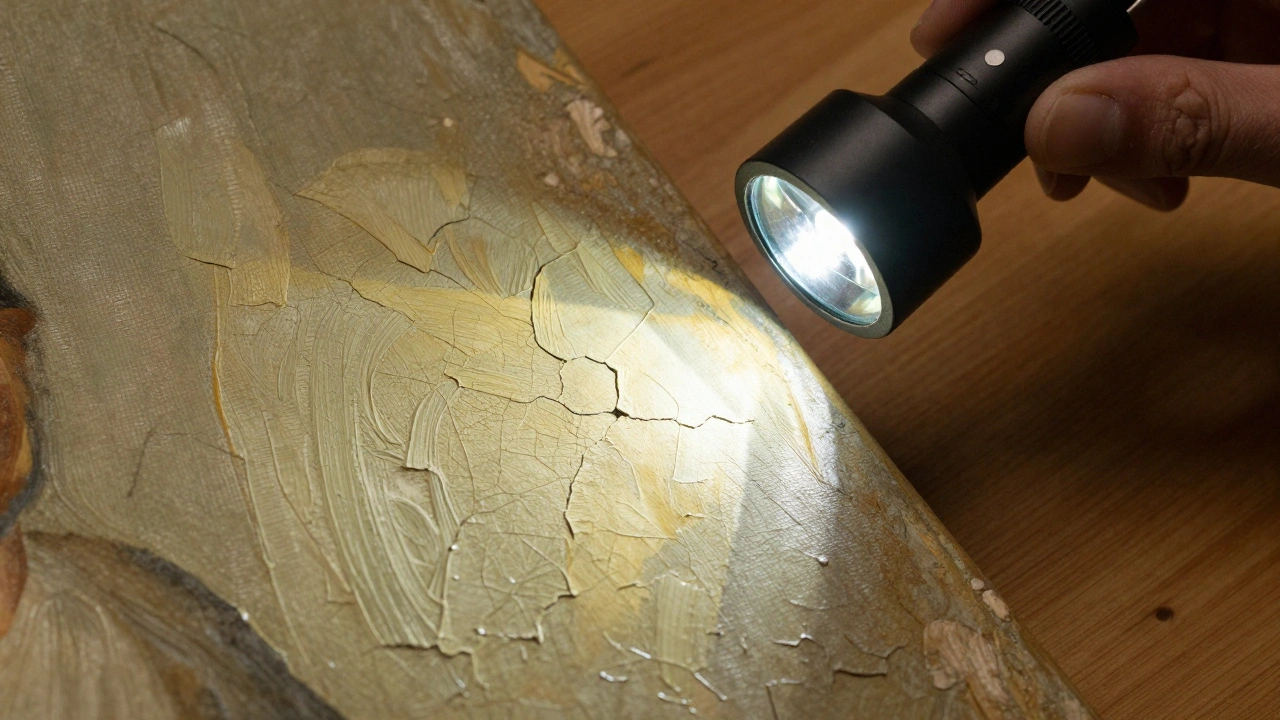
- Bring a high-powered flashlight to spot overpainting or repairs.
- Never pay full price for a piece without a verified provenance.
- Use digital tools like Google Lens for a quick first-pass identification.
- Budget for professional authentication if the piece is high-value.
The Magic of the Estate Sale
Unlike a curated gallery where prices are inflated by brand names and fancy lighting, estate sales is the liquidation of a deceased person's assets, typically held in their own home. This creates a unique market dynamic. You aren't dealing with a professional dealer who knows exactly what every piece is worth; you're dealing with a company trying to clear a house in three days. This is where the art collecting opportunities live.
The real value in these sales isn't usually in the obvious high-end art-that's often pulled out by the family or professional scouts before the public gets in. The gold is in the "misidentified" art. You'll find pieces labeled as "generic landscape" that are actually the work of a regional master or a student of a famous school. The key is to look past the price tag and focus on the quality of the execution, the materials used, and the clues left behind by the previous owner.
Spotting Quality in the Chaos
When you're staring at a wall of paintings, you need a system to filter noise from signal. Start by looking at the frame. High-quality, heavy gilded frames from the 19th century often hold works of higher value than the cheap pine frames of the 1970s. But don't let a fancy frame trick you; some dealers "upcycle" mediocre art into expensive frames to fool buyers.
Check the signature. A signature is just ink on canvas; anyone can write "Picasso." Instead, look at the brushwork. Does the paint have depth and intention, or is it flat and repetitive? In Oil Painting, look for the "impasto"-the thickness of the paint. If the paint is cracked in a way that looks natural (craquelure), it suggests age. If it's peeling in sheets, it might be a cheap acrylic mimic of an old oil work.
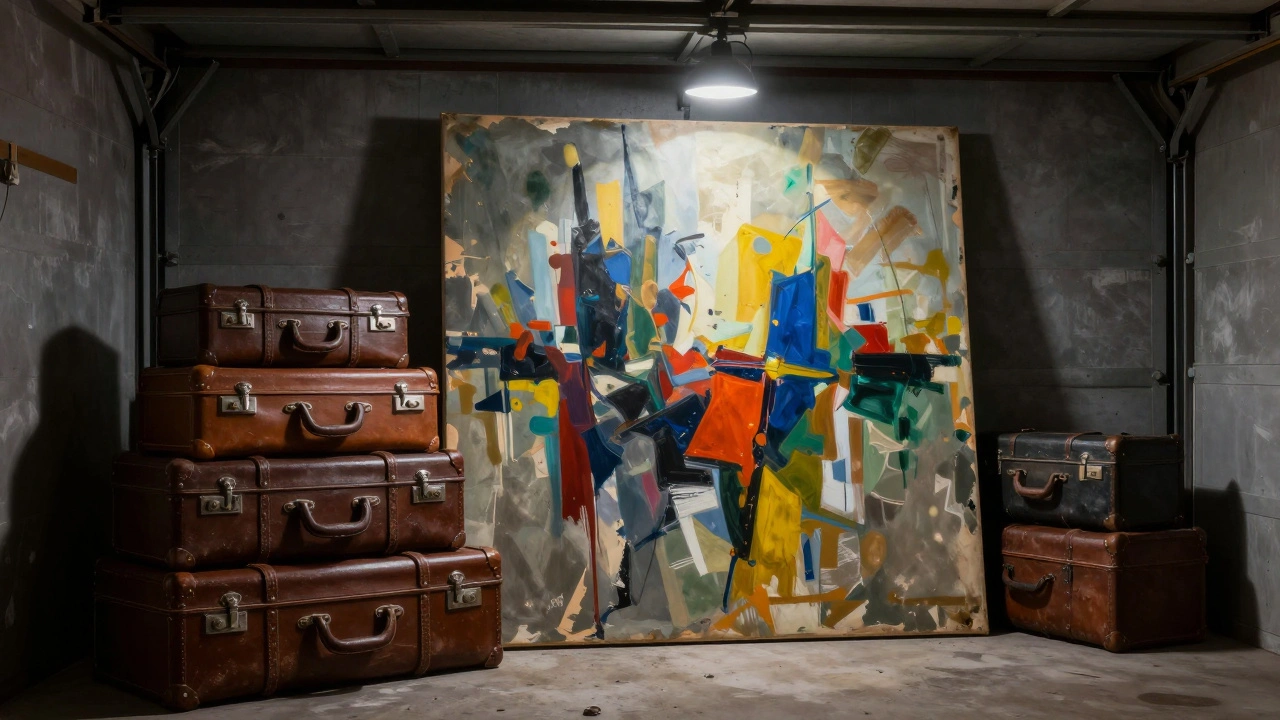
Don't ignore the "junk' corner. Often, the most valuable pieces are leaning against a wall in the garage or tucked into a closet. These are the items that the estate liquidators didn't have time to research. A dusty piece of Abstract Expressionism tucked behind a pile of old suitcases is a classic estate sale win.
The Art of Due Diligence
Once you find something you love, the real work begins. You cannot trust a label that says "Original Artist." You need to perform your own research before the checkout line. Provenance is the documented history of an artwork's ownership, used to guide every legitimate art transaction. It is the single most important factor in determining if a piece is an investment or a decoration.
Look for evidence of a "paper trail." Check the back of the painting for stickers from auction houses like Sotheby's or Christie's. Look for exhibition labels from museums. If you find a label from a gallery that went out of business in 1954, you've found a lead. Use that information to track the piece back to its origin. If there's no paperwork, you're buying based on "connoisseurship"-your own eye and a bit of gambling.
| Checklist Item | Red Flag (Avoid) | Green Flag (Buy) |
|---|---|---|
| Signature | Looks "stamped" or added later | Integrated into the paint layer |
| Canvas/Paper | Bright white, no aging | Natural yellowing, age-appropriate wear |
| Labels | Generic "Home Decor" stickers | Gallery labels with dates and locations |
| Condition | Freshly painted-over patches | Honest wear or professional restoration |
Dealing with Valuations and Pricing
Pricing at estate sales is usually a guess. The company might use a rough guide or just a "feeling." This is your leverage. If you find a piece that you suspect is worth $2,000 but it's priced at $200, don't shout it from the rooftops. You'll just drive the price up as other buyers notice.
However, if you're buying something expensive, you need an Art Appraiser. A professional appraiser provides a valuation based on comparable sales (comps). Be careful here: a "Certificate of Authenticity" (COA) from a random online site is virtually worthless. You want a valuation from a member of the Appraisers Association of America or a similar accredited body.
Remember that "Market Value" and "Liquidation Value" are different. If you buy a piece for $500 that is "worth" $2,000, you can't necessarily sell it for $2,000 tomorrow. Galleries take a massive commission (often 40-50%), and auction houses charge buyer's premiums. Always calculate your potential profit after these fees.
Common Pitfalls and How to Avoid Them
The biggest mistake beginners make is the "sunk cost fallacy." You spend three hours digging through a basement, find a painting you *think* is a masterpiece, and you buy it simply because you've already invested so much time. Stop. If the provenance is missing and the quality is questionable, it's a decoration, not an investment.
Another trap is the "attributed to" phrasing. In the art world, "Attributed to" means "we think it's by this person, but we can't prove it." "School of" means it was painted by someone who studied under the master. "Circle of" means it's from the same general group. None of these mean the piece is an original. If a seller says "this is in the style of Monet," they are literally telling you it is *not* a Monet.
Be wary of "fresh" art in old frames. Some flippers buy old frames and put modern, mediocre art in them to create an illusion of age. Use a flashlight to look at the edges of the canvas where it meets the frame. If the canvas looks brand new but the frame is 100 years old, you're looking at a mismatch.
Tools for the Modern Art Hunter
You don't need to be a PhD in Art History to find gems, but you do need the right tools. A 10x jeweler's loupe is essential for looking at the weave of the canvas and the way the paint has settled. It helps you see if a signature was added after the varnish, which is a huge red flag for a forgery.
Digital tools have changed the game. Apps like Google Lens can give you an immediate lead on an artist's name or the period of a piece. While not a substitute for an appraiser, it's a great way to quickly filter through a hundred pieces of art to find the three that deserve deeper research.
Keep a digital log of your finds. Photograph the front, the back, and any labels. Note the address of the estate sale. If you later find out the piece is authentic, this documentation becomes part of the new provenance, increasing the value for the next owner.
How can I tell if a painting is an original or a print?
Use a magnifying glass or loupe. If you see a pattern of tiny dots (ben-day dots), it's a mechanical print. If you see actual ridges of paint and a variety of brushstrokes that create texture, it's likely an original painting. Be careful with "giclees," which are high-quality inkjets that can look like paintings from a distance but lack physical paint depth.
What is the best time to buy at an estate sale?
The first day is best for selection, but the last day is best for pricing. Many estate companies have a standard discount schedule (e.g., 25% off on day two, 50% off on day three). If you've found a piece you're 80% sure about, waiting until the final hours can save you hundreds of dollars, provided someone else doesn't grab it first.
Is it legal to buy art at an estate sale that might be stolen?
Legally, you are buying in "good faith." However, if you buy a piece that is listed on the Art Loss Register, you could face legal issues. This is why provenance is so critical for high-value items. Always ask the estate manager if there are any known disputes over the artwork before paying.
How do I transport a large painting safely?
Never lay a painting flat if it's an oil on canvas, as the vibrations can cause the paint to crack. Transport it vertically. Use bubble wrap on the corners and secure it with bungee cords or a seatbelt so it doesn't slide. If it's an extremely valuable piece, consider hiring a professional art handler.
What should I do if I find a piece I think is a famous artist's work?
Stay calm and keep it low-profile. Buy the piece at the asking price to avoid alerting other buyers. Once you have it, do not even attempt to clean it yourself, as you could destroy evidence of age. Take it immediately to a certified art historian or a reputable auction house for a preliminary look.
Next Steps for New Collectors
If you're just starting, don't go in looking for a million-dollar Picasso. Start by collecting "regionalists"-artists who were popular in the city where the estate is located. These pieces are often undervalued and easier to authenticate through local museum records.
Build a relationship with estate sale managers. If they know you are a serious art collector who pays fairly and isn't a "bottom feeder," they might give you a heads-up when a particularly art-heavy estate comes across their desk. The best deals often happen before the general public even sees the listing.