Emerging vs Established Artists: Risk and Investment
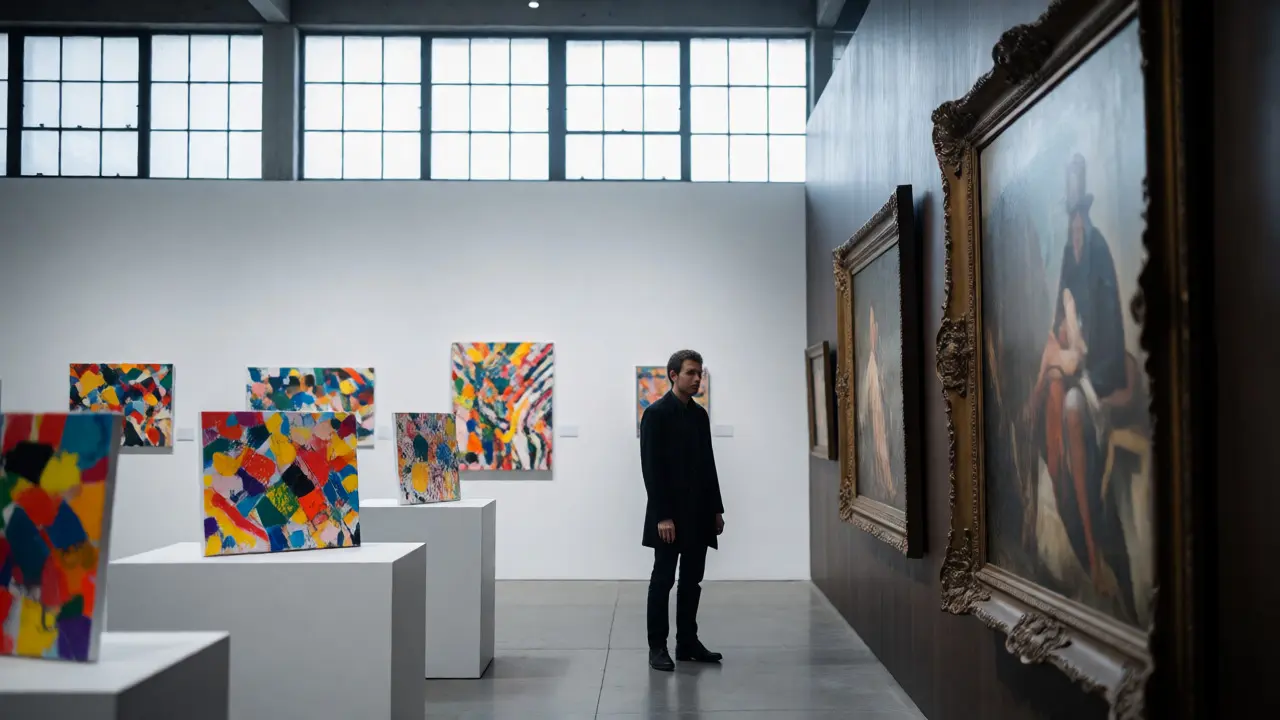
You walk into a gallery in Portland or browse an online platform, and you’re faced with the same dilemma collectors have wrestled with for decades: do you buy the unknown artist who might blow up next year, or the established name whose price tag reflects their current fame? It’s not just about taste. It’s about money, ego, and the sheer thrill of discovery. If you’re thinking about treating art as an asset class, understanding the difference between emerging artists and established artists is the first step to protecting your wallet.
The art market isn’t the stock market. You can’t short-sell a painting because it looks bad, and there are no dividends when a canvas appreciates. Instead, value is driven by perception, scarcity, and institutional validation. When you buy from an emerging artist, you’re betting on potential. When you buy from an established one, you’re paying for proven stability. Neither is inherently "better," but they play completely different roles in a portfolio.
Understanding the Emerging Artist Market
Emerging artists are typically defined as those early in their careers, often under 40, with limited exhibition history and lower price points. Think recent MFA graduates or artists showing at small commercial galleries or non-profit spaces. The appeal here is obvious: low entry cost. You might snag a piece for $500 to $2,000 that could be worth $20,000 in five years if the artist gets picked up by a major collector or museum.
But let’s be real about the risks. The failure rate is high. Most emerging artists never achieve financial sustainability, let alone auction stardom. According to data from Arts Economics, fewer than 1% of living artists ever reach six-figure auction results. Buying emerging art is closer to venture capital than blue-chip stocks. You’re investing in human talent, which is unpredictable. A sudden shift in critical opinion, a change in gallery representation, or even the artist quitting painting for teaching can freeze the value of your collection.
However, the upside is massive. If you spot a trend before the crowd does-say, the resurgence of figurative painting in the late 2010s-you can build a collection for pennies on the dollar compared to what it’s worth now. The key is diversification. Don’t put all your eggs in one young painter’s basket. Buy works from ten different emerging talents. If nine stagnate and one takes off, you’ve still made a solid return.
The Safety Net of Established Artists
On the flip side, established artists are those with decades of consistent output, significant institutional collections (think MoMA, Tate, Guggenheim), and strong auction records. Their prices reflect this pedigree. A mid-career work by a known name might start at $50,000 and climb from there. The risk profile here is inverted. You’re unlikely to see a 10x return in two years, but you’re also unlikely to see your investment drop to zero.
These artists offer liquidity. Because there’s a deep bench of collectors and institutions interested in their work, selling is easier. Auction houses like Sotheby’s and Christie’s have dedicated departments for post-war and contemporary art, ensuring a steady stream of buyers. This liquidity matters if you need to cash out quickly. Emerging art can sit unsold for years because the secondary market hasn’t formed yet.
The downside? High barriers to entry and diminishing returns. Once an artist hits the top tier, their prices often peak. Buying at the height of hype can lead to flat growth for a decade. Remember the market correction after the 2008 crash? Many "hot" names from the mid-2000s took years to recover. Established art is a wealth preservation tool, not a get-rich-quick scheme.
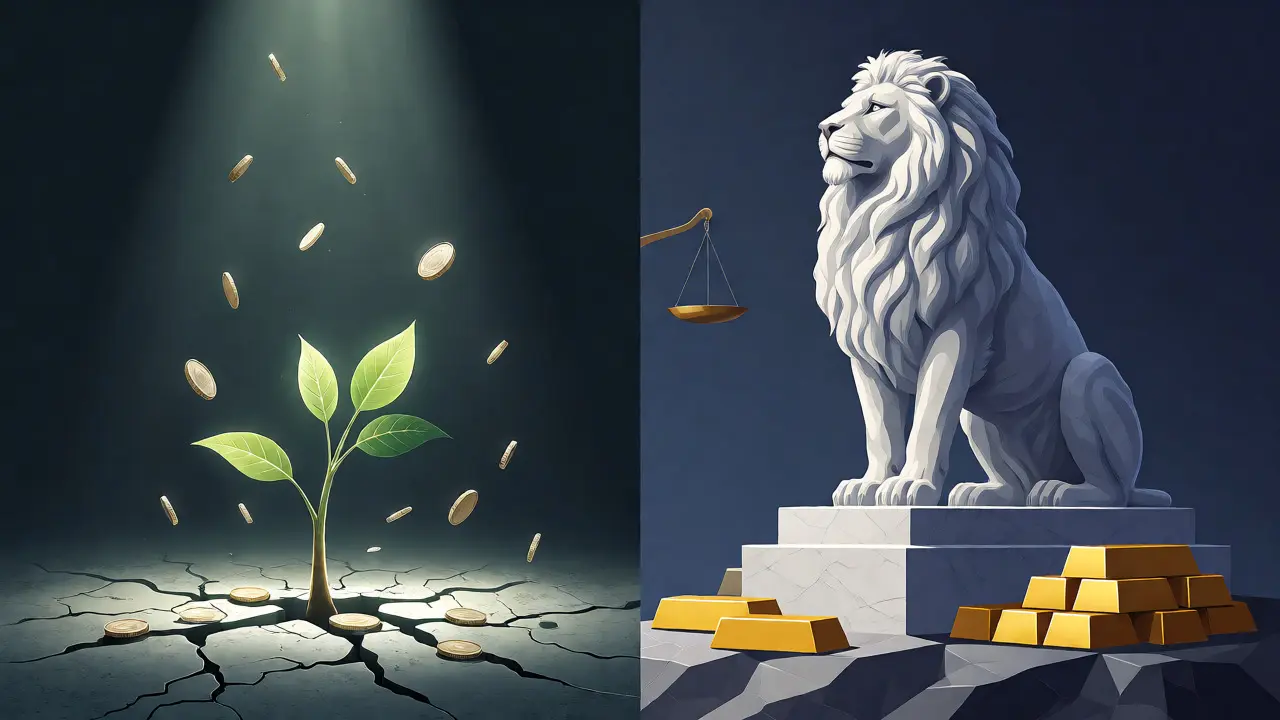
Risk Factors: What Can Go Wrong?
When we talk about risk in art, we’re talking about three main things: authenticity, condition, and relevance. For emerging artists, authenticity is rarely an issue since you’re buying directly from the studio or gallery. But relevance is a huge gamble. Art trends move fast. What looks fresh today might look dated in three years. If the artist doesn’t evolve their practice, their work loses cultural currency.
| Factor | Emerging Artists | Established Artists |
|---|---|---|
| Entry Price | $500 - $5,000 | $20,000 - $5M+ |
| Liquidity | Low (hard to resell) | High (active secondary market) |
| Growth Potential | Very High (if successful) | Moderate/Low (already priced in) |
| Risk of Loss | High (most fail commercially) | Low (institutional support) |
| Verification | Straightforward (studio/gallery) | Complex (provenance checks needed) |
For established artists, the risks are more bureaucratic. Provenance-the history of ownership-is critical. If a painting lacks clear documentation, its value plummets. Condition reports are essential too; older works may need restoration, which eats into your profit margin. And then there’s the "dead cat bounce." Sometimes, an artist’s prices spike right after death due to supply shock, only to correct downward once the initial frenzy dies down.
How to Build a Balanced Portfolio
So, how do you mix these two without going broke? The golden rule for private collectors is the 70/30 split. Put 70% of your budget into established or mid-career artists with solid track records. These are your anchors. They keep your collection stable and liquid. Use the remaining 30% for speculative bets on emerging talent. This allows you to scratch the itch for discovery without jeopardizing your overall financial health.
Diversify within the emerging category too. Don’t just buy paintings. Look at sculpture, photography, and digital art. Some mediums appreciate faster than others. Photography, for instance, has seen huge gains recently because editions limit supply, making them easier to trade than unique paintings. Also, consider geography. While New York and London dominate, cities like Berlin, Seoul, and Lagos are producing incredible talent that’s still undervalued relative to Western markets.
Another strategy is to follow the curators. Keep an eye on shows at places like the New Museum in NYC or the Serpentine in London. If a curator consistently highlights a specific group of emerging artists, take note. Institutional attention is the strongest predictor of future value. It signals that critics and academics are validating the work, which eventually trickles down to collector demand.

Practical Steps for Smart Buying
Before you swipe your credit card, do your homework. For emerging artists, visit open studios. Talk to the artist. Ask about their long-term vision. Are they planning a series? Do they have gallery representation lined up? Representation by a reputable gallery (even a small one) adds credibility. It means someone else has vetted the work and is willing to invest marketing dollars into promoting it.
For established artists, check auction results databases like Artnet or Mutual Art. Look at the sell-through rate-the percentage of lots that actually sell versus those withdrawn. A high sell-through rate indicates strong demand. Also, compare hammer prices against estimates. If works consistently sell well above estimate, the market is hot. If they linger or sell below, be cautious.
Finally, think about storage and insurance. Art isn’t free to hold. Climate-controlled storage costs money, and insurance premiums rise with value. Factor these holding costs into your investment thesis. If an emerging artist’s work doubles in value over five years but costs you $1,000/year to store and insure, your net return shrinks significantly.
The Emotional Component
Here’s the thing nobody tells you about art investing: it’s emotional. You live with these pieces. If you hate looking at a painting because it’s a "bad investment," you won’t enjoy owning it. Conversely, if you love an emerging artist’s work, you’ll be more patient during the years when their market stagnates. Passion helps you weather the volatility.
Don’t treat art solely as a financial instrument. Treat it as a passion project with financial upside. The best collectors I know in Portland aren’t trying to flip pieces for quick cash. They’re building narratives around their collections. They buy emerging work because they believe in the artist’s voice. That belief sustains them through the quiet periods.
Is it better to buy emerging or established artists for investment?
It depends on your risk tolerance. Emerging artists offer higher potential returns but come with high failure rates and low liquidity. Established artists provide stability and easier resale options but have lower growth potential. A balanced approach often yields the best results.
How do I verify the authenticity of emerging artist work?
Buy directly from the artist or their represented gallery. Request a certificate of authenticity signed by the artist. For online purchases, ensure the platform offers a guarantee of authenticity and easy return policies if issues arise.
What is the average time horizon for art investment?
Art is a long-term asset. Experts generally recommend a holding period of 5 to 10 years minimum. Short-term flipping is rare and risky, especially for emerging artists who need time to build reputation.
Do museum exhibitions really increase an artist's value?
Yes, significantly. Inclusion in major museum exhibitions validates an artist’s importance in art history. This institutional endorsement often leads to increased demand from other collectors and institutions, driving up secondary market prices.
Should I pay for framing and shipping when calculating ROI?
Absolutely. These are part of your total acquisition cost. High-quality framing protects the work and enhances presentation, potentially aiding resale. Shipping costs, especially international ones, can add 5-10% to the base price, impacting your net profit.