Emerging Artist Exhibitions: How to Support New Voices
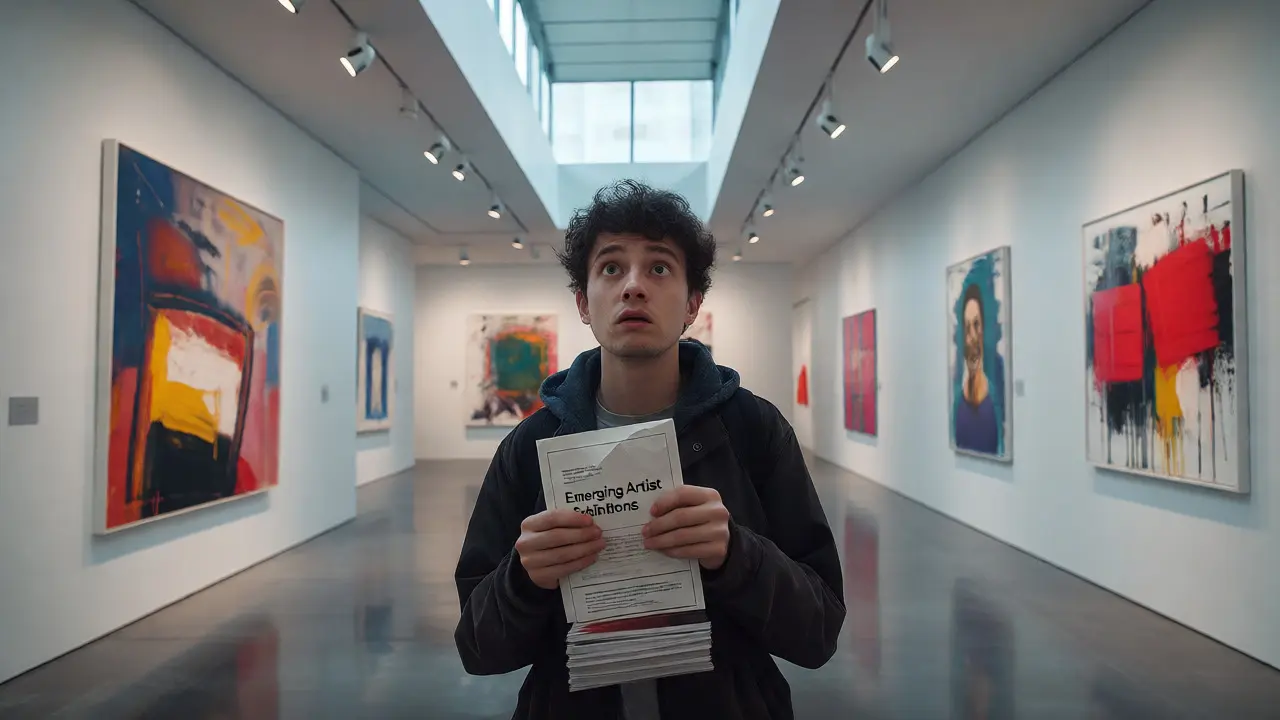
You walk into a sleek downtown gallery. The walls are pristine white, the lighting is perfect, and every piece screams "investment grade." But then you spot a small flyer tucked behind a stack of catalogs: Emerging Artist Exhibitions. You hesitate. Should you bother? After all, these artists aren't famous yet. Their prices are lower, sure, but so is their track record. Here’s the thing: ignoring these shows means missing out on the raw energy that defines cultural shifts before they hit the mainstream. Supporting new voices isn’t just charity; it’s how you stay ahead of the curve.
Emerging Artist Exhibitions are curated displays featuring creators who have not yet achieved significant commercial recognition or institutional permanence. Unlike established retrospectives, these shows prioritize potential, innovation, and risk-taking over proven market value. They serve as incubators for the next generation of visual culture, offering collectors and enthusiasts early access to groundbreaking work at accessible price points.
Why You Should Care About Unknown Talent
Think about the last time you heard someone say, "I knew them before they were big." That bragging right carries weight because it implies taste and foresight. When you attend an exhibition of unknown painters or sculptors, you’re engaging with art that hasn’t been diluted by committee decisions or market pressures. The work is often more personal, experimental, and urgent.
Financially, the logic is straightforward. Art markets operate on scarcity and fame. A painting by a mid-career artist might cost $10,000. The same artist’s work from five years ago, when they were emerging, might have sold for $500. While past performance doesn’t guarantee future results, historical data from major auction houses shows that early-stage acquisitions often yield higher percentage returns than buying blue-chip works. You aren’t just buying an object; you’re betting on a narrative.
Beyond money, there’s the community aspect. Galleries hosting these shows rely on foot traffic and word-of-mouth. By showing up, asking questions, and sharing your experience on social media, you become part of the ecosystem that keeps independent spaces alive. Without this grassroots support, many experimental venues would close, leaving only corporate-backed galleries that play it safe.
How to Spot Quality Before Fame Arrives
Not every emerging artist is worth your attention. Some are technically proficient but derivative. Others are conceptually strong but poorly executed. So, how do you filter the noise? Start with consistency. Look for an artist who has developed a distinct visual language rather than jumping between styles to chase trends. If three pieces in a show feel like they belong together, that’s a good sign of artistic maturity.
Next, investigate their background. Did they graduate from a reputable program? Have they participated in residencies? Residencies are crucial because they provide time and space for experimentation without the pressure to produce sellable inventory immediately. Artists who have completed programs at places like Skowhegan School of Painting and Sculpture or Yaddo often demonstrate a deeper commitment to craft and theory.
Finally, talk to the curator. Curators are the gatekeepers of quality in these spaces. Ask them why they chose this specific group of artists. Listen for answers that go beyond "they’re trendy." Good curators will discuss thematic coherence, technical innovation, or cultural relevance. If the curator can articulate a clear vision for the exhibition, trust their judgment.
The Collector’s Guide to Buying Emerging Work
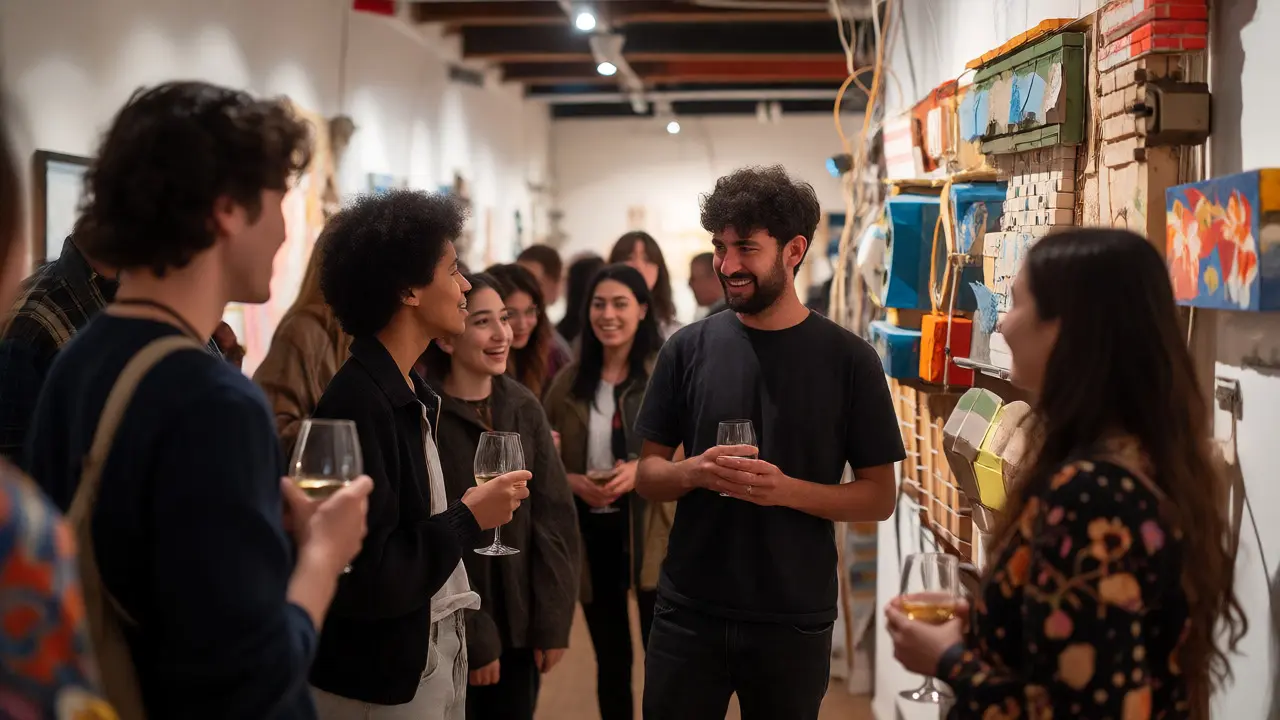
If you decide to buy, keep expectations realistic. You won’t get the prestige of owning a Picasso, but you will get something far more interesting: a direct relationship with the creator. In most cases, the artist is present during opening nights. Strike up a conversation. Ask about their process, their influences, and their plans. This connection adds emotional value to the purchase, which no amount of appreciation can replicate.
Pricing structures vary widely. Some galleries use a tiered system based on size and medium. A small drawing might be $300, while a large canvas could be $2,500. Don’t be afraid to negotiate, especially if you’re buying multiple pieces. Galleries want to build relationships with collectors who return. Offering to pay in installments or mentioning that you’re building a long-term collection can sometimes sweeten the deal.
Be mindful of condition issues. Emerging artists often work with unconventional materials-found objects, mixed media, non-traditional papers. These materials may not age predictably. Ask about conservation needs. Will the piece need special framing? Does it require climate control? Understanding these practicalities prevents headaches down the road.
Curating Your Own Micro-Collection
You don’t need a museum budget to start collecting. Many successful collections begin with a single theme or aesthetic preference. Maybe you love monochrome photography. Or perhaps you’re drawn to abstract expressionism using recycled materials. Focusing on a niche helps you make coherent choices and makes your collection easier to explain to others.
Consider mixing mediums. Pairing a sculpture with a series of prints creates dynamic interactions in your home. It also diversifies your risk. If one medium falls out of favor, the other might hold its value. Additionally, supporting artists across different career stages balances stability with excitement. Buy one piece from an emerging artist and one from a mid-career practitioner to hedge your bets.
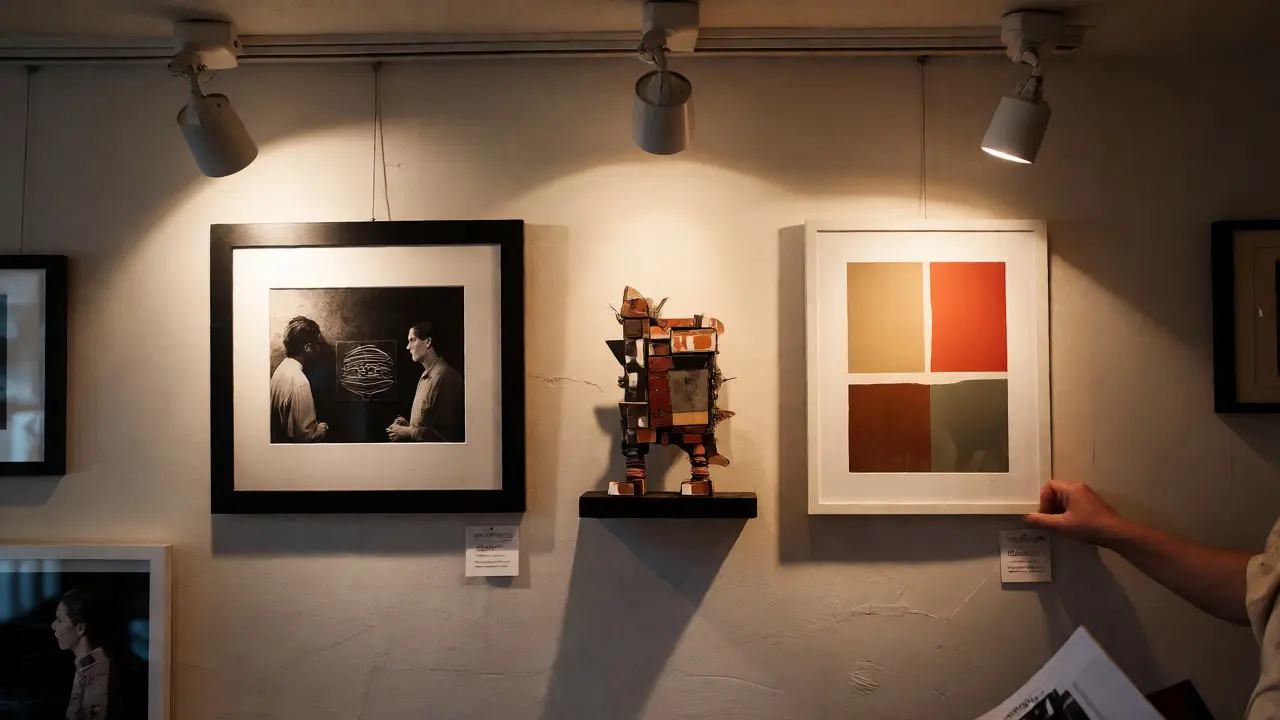
Display matters. Even modest works look impressive when presented well. Use adjustable track lighting to highlight textures. Group pieces by color palette or subject matter rather than hanging them randomly. Treat your living room like a mini-gallery. This approach reinforces the idea that art belongs in daily life, not just in sterile white cubes.
Support Beyond the Purchase
Buying art is great, but it’s not the only way to help. Galleries thrive on visibility. Share photos of exhibitions on Instagram and tag the artist and venue. Write honest reviews on platforms like Google Maps or Yelp. Positive feedback boosts algorithmic ranking, bringing new visitors through the door.
Volunteer if possible. Many non-profit arts organizations rely on unpaid labor for events and administration. Offering your skills-whether it’s graphic design, accounting, or simply helping set up chairs-gives you insider access and strengthens community bonds. You’ll learn how the business side of art works, making you a smarter collector.
Attend talks and panels. These events provide context that wall labels can’t. Hearing an artist discuss their struggles and triumphs humanizes the work. It transforms a static object into a story you can tell friends. And stories are what drive interest in art circles.
| Feature | Established Artist | Emerging Artist |
|---|---|---|
| Average Entry Price | $10,000 - $100,000+ | $200 - $5,000 |
| Risk Level | Low (Proven Market) | High (Unproven Value) |
| Growth Potential | Moderate/Steady | High/Volatile |
| Artist Access | Limited (Represented by Major Agencies) | Direct (Often Present at Openings) |
| Primary Motivation | Wealth Preservation/Prestige | Discovery/Personal Connection |
Frequently Asked Questions
Is buying emerging art risky?
Yes, it carries higher financial risk than buying established work. Most emerging artists will never achieve significant market value increases. However, the low entry cost means your total exposure is limited. Think of it as venture capital for art: many small bets, hoping one pays off big.
How do I know if an emerging artist has longevity?
Look for consistent output over several years, critical engagement (reviews, essays), and institutional validation (museum acquisitions, grants). An artist who evolves their practice while maintaining a core identity is more likely to sustain a career than one who repeats a single successful formula.
Should I frame emerging art myself?
It depends on the medium. For drawings and prints, professional framing is recommended to protect against UV light and humidity. For paintings on canvas, many artists prefer unframed presentation. Always ask the artist or gallery for their recommendation, as improper framing can damage delicate surfaces.
Can I resell emerging art quickly?
Generally, no. The secondary market for emerging art is thin. Unless the artist gains sudden fame, finding a buyer willing to pay above retail price can take years. Plan to hold these pieces for at least 3-5 years to allow the artist’s reputation to develop.
What if I don’t like the art but want to support the scene?
Buy a catalog, donate to the gallery, or invite friends to openings. Financial support doesn’t always require purchasing original works. Your presence and promotion are valuable currencies in the local art ecosystem.