Direct-to-Fabric Printing: A Licensing Guide for Artists
Quick Takeaways
- Digital printing removes the need for expensive screens, allowing for unlimited colors and complex gradients.
- Licensing your art for fabric now requires specific file standards (DPI and color profiles) to ensure quality.
- Print-on-Demand (POD) models allow artists to test designs without holding physical inventory.
- The shift toward sustainable inks makes digital fabric printing more attractive to eco-conscious brands.
How Digital Printing Changes the Licensing Game
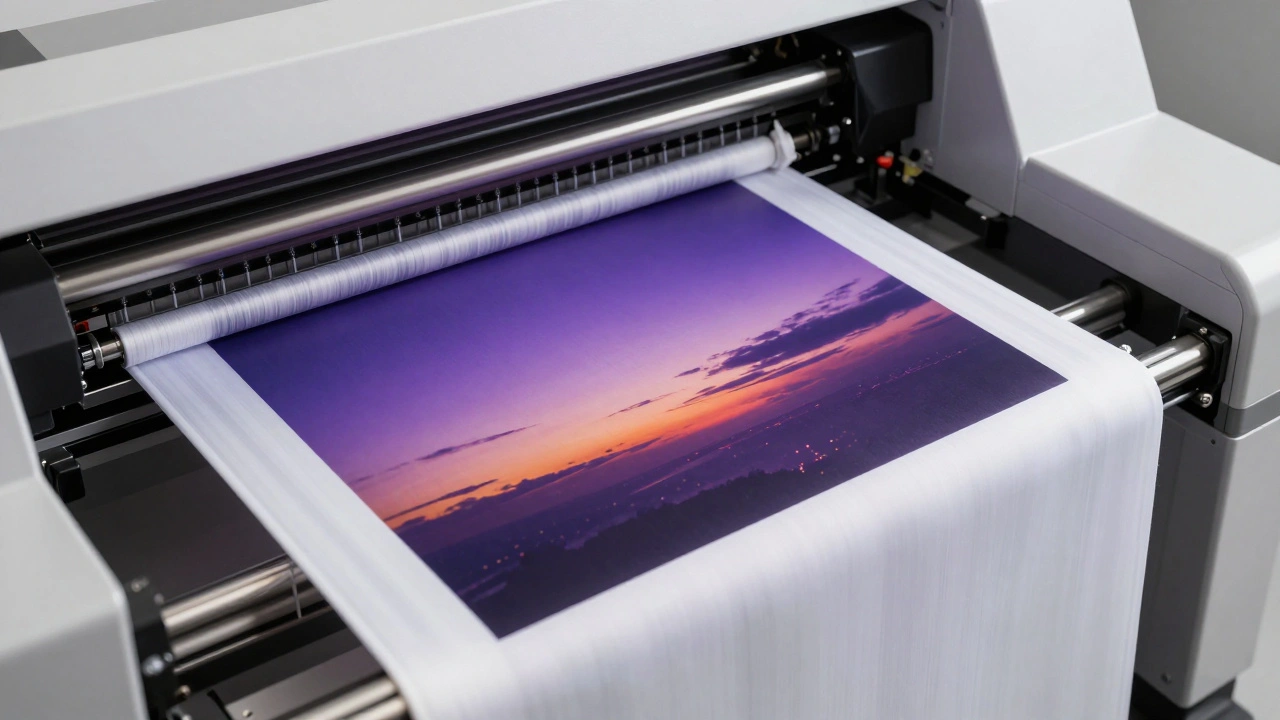
In the old days of art licensing, a company would buy the rights to your work, and then they'd spend weeks creating screens for every single color in your palette. If you had a painting with a soft sunset gradient, they'd either tell you to simplify it or charge you a fortune to mimic it. With digital printing, the printer works like your home office inkjet, but on a massive scale. It reads your digital file and sprays precise droplets of ink directly into the fibers. This means the "cost per color" is now zero. You can license a hyper-realistic oil painting or a complex 3D render, and the fabric will look exactly like the screen. For artists, this means you no longer have to compromise your style to fit a manufacturer's technical limitations.The Tech Behind the Ink
Not all fabric printing is the same. Depending on what you're licensing your art for, the tech varies. If you're aiming for high-end fashion, you'll likely encounter Sublimation is a process where heat turns ink into a gas that binds with polyester fibers . This is great for sportswear or vivid polyester blends because the colors never fade. However, for natural fabrics like cotton or linen, Direct-to-Garment (DTG) or pigment printing is the go-to. DTG uses water-based inks that soak into the fabric, giving a softer feel. If you are licensing your work for home decor, like organic cotton throw pillows, you'll want to ensure the licensee uses reactive dyes, which penetrate the fiber deeper and stay vibrant after twenty washes.| Method | Best Fabric | Detail Level | Upfront Cost |
|---|---|---|---|
| Sublimation | Polyester | Extremely High | Low |
| DTG / Pigment | Cotton/Blends | High | Low |
| Screen Printing | Any | Medium (Flat) | Very High |
Preparing Your Art for Licensing
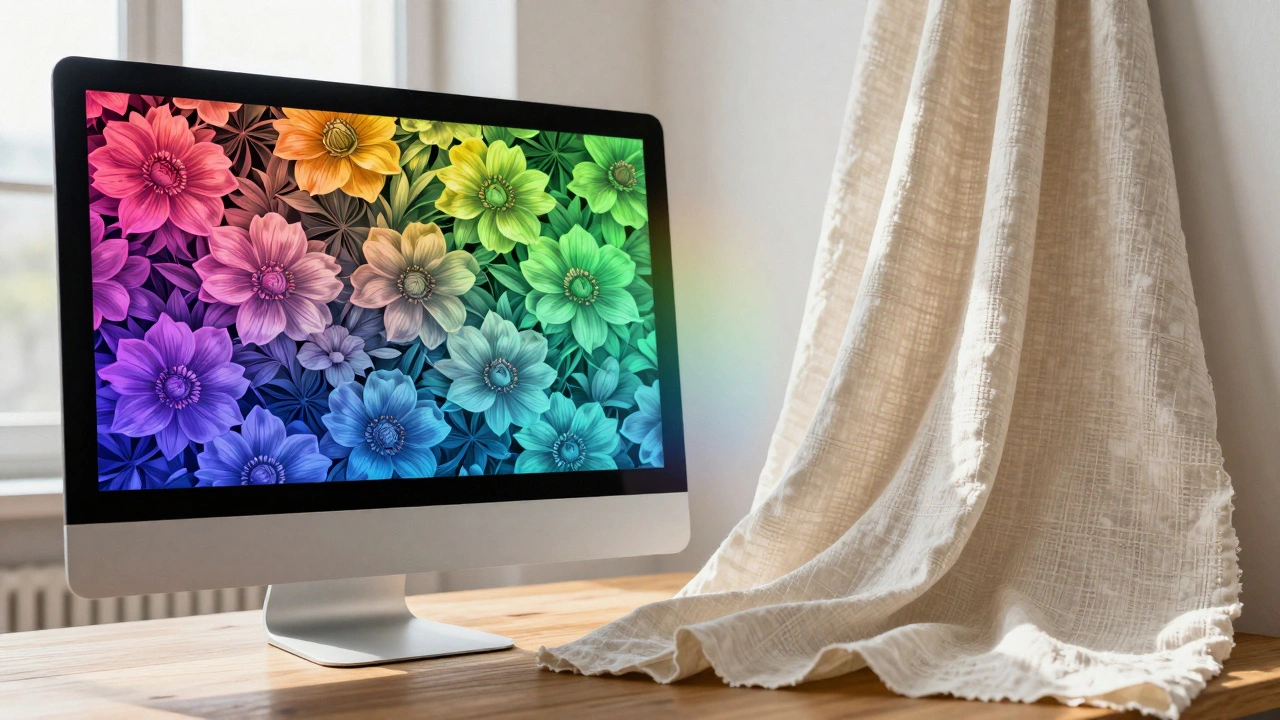
Giving a licensee a low-res JPEG is the fastest way to get your project scrapped. To make your work "production-ready," you need to think about the physical nature of fabric. Unlike a screen, fabric stretches, shrinks, and absorbs light. First, focus on resolution. Your files should be at least 300 DPI at the final print size. If you're licensing a pattern for a bolt of fabric, you need to create a Seamless Repeat is a design where the edges match up perfectly, allowing the pattern to be printed infinitely without visible seams . If there's even a one-pixel gap in your repeat, it'll look like a glaring line every 12 inches across a dress. Second, handle your colors carefully. Most fabric printers use the CMYK color model (Cyan, Magenta, Yellow, Key/Black), whereas artists usually work in RGB. If you send an electric neon purple in RGB, the printer will likely "clip" it to a duller shade. To avoid surprises, ask your licensee for their specific color profile or use a Pantone bridge to ensure the physical fabric matches your vision.Choosing Your Licensing Model
Once your art is ready, you have to decide how you want to make money. Digital printing has created two very different paths: the Traditional License and the Print-on-Demand (POD) model. In a traditional license, you sign a contract with a brand (like a boutique textile house). They pay you an advance and a royalty percentage (usually 2% to 7%) on every yard of fabric sold. They handle the printing, marketing, and shipping. This is the best route for high-volume, high-quality collections. On the other hand, POD services like Spoonflower is a leading online marketplace and digital printing service that allows artists to upload designs and sell fabric by the yard have democratized the process. You upload your design, set your margin, and they print and ship it whenever a customer buys. You don't get a huge advance, but you keep 100% control over your pricing and can test which colors actually sell before committing to a larger brand partnership.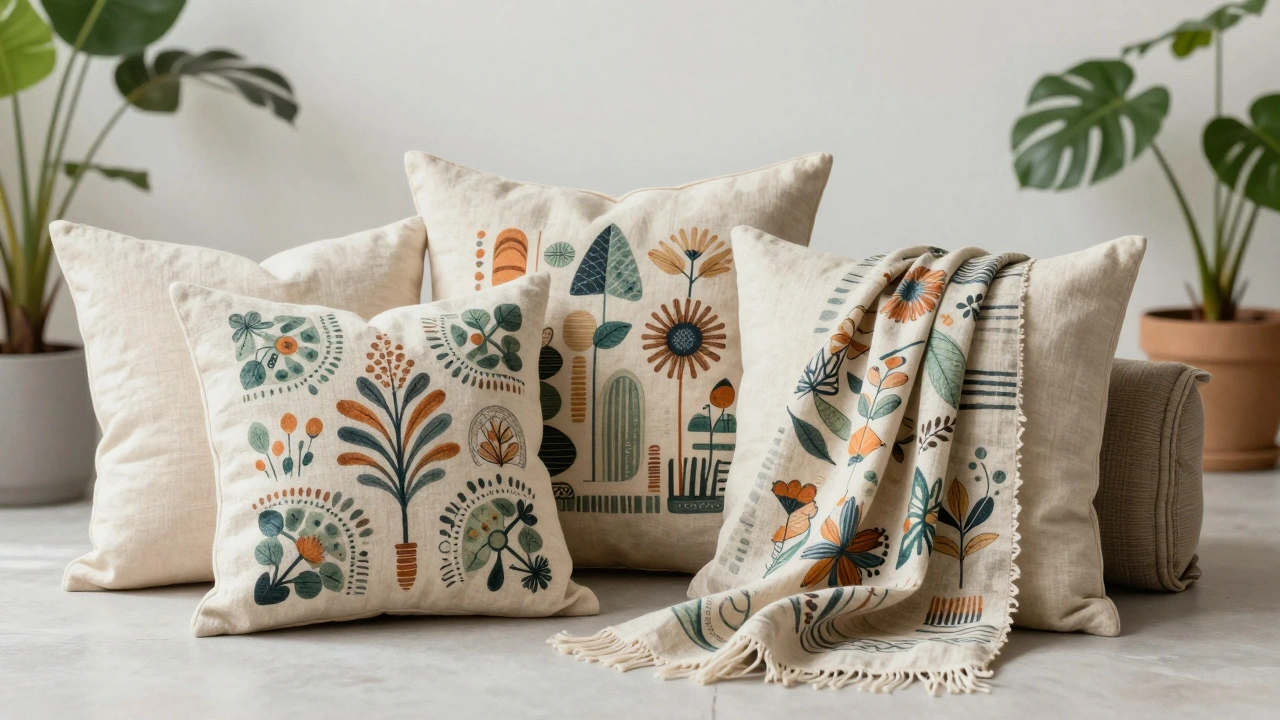
Common Pitfalls to Avoid
One of the biggest mistakes artists make is ignoring the "bleed" and "seam allowance." When fabric is printed and then cut into a garment, some of your art will be lost in the seams. If your design has a focal point-like a large flower-and it's placed too close to the edge, it might get cut in half during assembly. Always provide a "bleed" area (extra image beyond the cut line) to give the manufacturer some wiggle room. Another trap is the "hand-feel" of the ink. Some cheap digital prints feel like a plastic sticker on top of the fabric (this is common with low-end DTG). If you are licensing for a luxury brand, insist on seeing a "strike-off"-a small physical sample of your print on the actual fabric. This allows you to check if the colors are accurate and if the fabric still feels soft and breathable.The Future of Sustainable Textiles
Sustainability is no longer a buzzword; it's a requirement for many licensees. Digital printing is inherently more green than traditional dyeing because it uses significantly less water and produces almost no wastewater. If you want to attract top-tier eco-brands, look for licensees using OEKO-TEX certified inks. These are dyes that have been tested for harmful substances. Mentioning that your art is optimized for water-based, non-toxic digital printing can actually make your portfolio more attractive to modern fashion houses that are trying to hit ESG (Environmental, Social, and Governance) goals.Do I need to be a textile expert to license my art for fabric?
No, you don't need to know how to operate the machines, but you do need to understand the technical requirements. Specifically, you must provide high-resolution files (300 DPI) and, in most cases, create seamless repeats so the design can be printed on long rolls of fabric without visible breaks.
What is the difference between a royalty and a flat fee in fabric licensing?
A flat fee (or buyout) is a one-time payment where you give up rights to the design for a set period or forever. A royalty is a percentage of every sale. For fabric, royalties are usually lower than in book publishing but can add up significantly if the design becomes a bestseller in a clothing line.
Can I license my art for both polyester and cotton fabrics?
Yes, but the printing process will change. Polyester usually requires sublimation (heat-press), while cotton requires pigment or reactive printing. You may need to adjust your color profiles for each, as the same blue may look different on a shiny polyester blend than on a matte organic cotton.
How do I protect my art from being stolen when sending files to printers?
Always sign a licensing agreement or a non-disclosure agreement (NDA) before sending high-resolution, production-ready files. For initial pitches, send low-resolution watermarked images that show the design but cannot be printed at a commercial scale.
Why do some digital fabric prints feel stiff or "rubbery"?
This usually happens with Direct-to-Garment (DTG) printing when too much white ink is used as a base layer to make colors pop on dark fabrics. To avoid this, request a "soft hand" finish or choose lighter-colored fabrics where a heavy white underbase isn't necessary.