Digital Art Authentication: Using Blockchain and NFTs to Prove Ownership
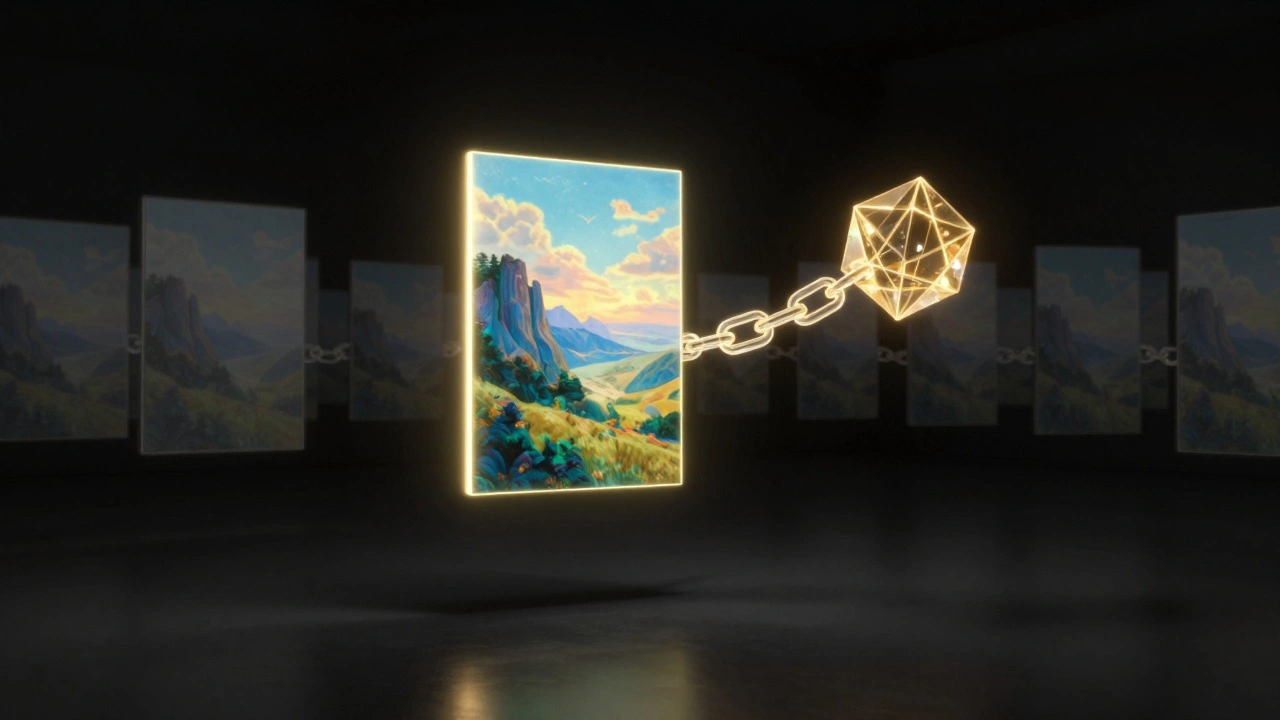
- Blockchain creates an unchangeable ledger that acts as a digital paper trail.
- NFTs aren't the art itself, but a cryptographic receipt proving ownership.
- Smart contracts automate royalty payments and transfer rules.
- Verification tools allow buyers to check authenticity without needing a middleman.
The Death of the Paper Certificate
For decades, the art world relied on a physical piece of paper signed by the artist or a gallery. If you lost that paper, the value of your painting plummeted. Even worse, these papers are easy to forge. In the digital realm, we need something that cannot be deleted, edited, or faked by a clever scammer.Enter Blockchain is a distributed ledger technology that records transactions across many computers so that the record cannot be altered retroactively. By using a blockchain, we move from a system of "trusting a person" to "trusting the math." When an artist registers a work on a blockchain, they create a permanent timestamp. This timestamp proves the work existed at a specific moment and was created by a specific digital wallet address.
How NFTs Actually Work as Authentication Tools
There is a common misconception that an NFT is a Non-Fungible Token, which is a unique digital identifier stored on a blockchain that certifies ownership of a specific asset is just a JPEG. It's not. The JPEG is just a file; the NFT is the deed to the house. Think of it like a signed baseball card. Anyone can print a photo of a baseball card, but only one person owns the card signed by the player. An NFT links a digital file to a token. This token contains metadata-like the artist's name, the date of creation, and a link to the file-and it lives on a public ledger. Because the ledger is public, anyone can see who the current owner is and every single person who owned it before them. This creates an airtight chain of provenance.Smart Contracts: The Engine Behind the Art
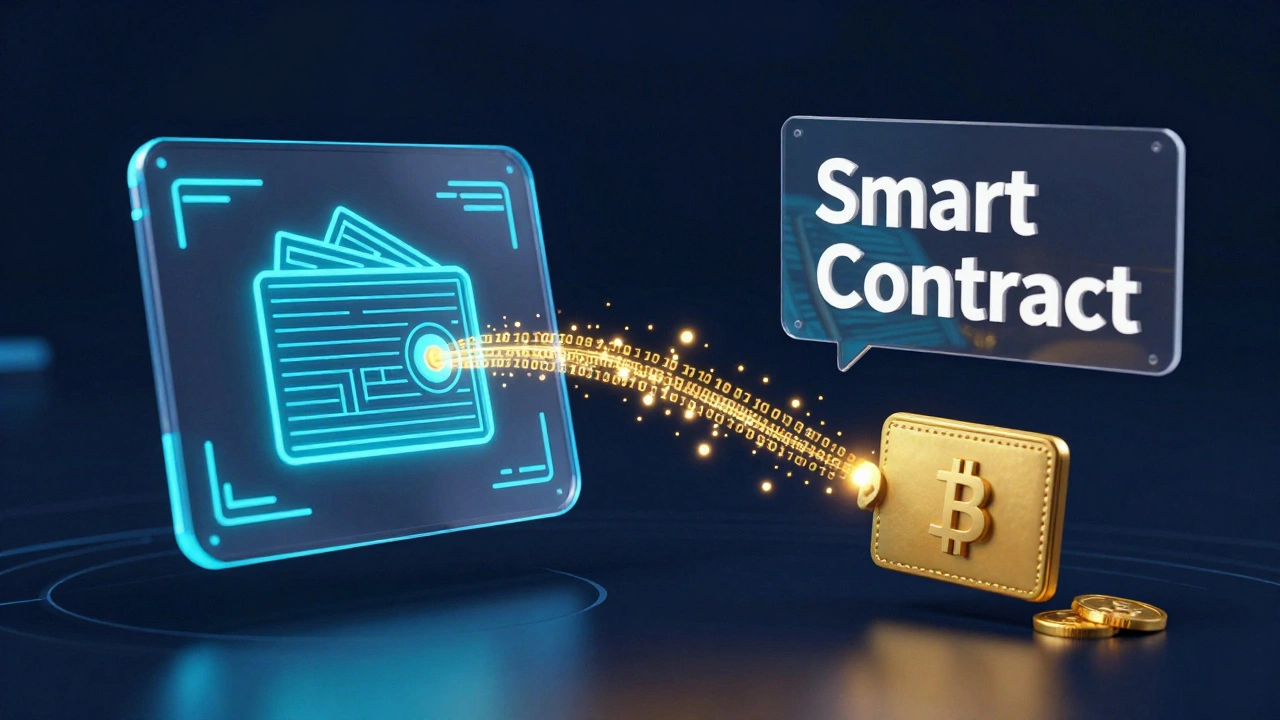
If the NFT is the deed, the Smart Contract is a self-executing contract with the terms of the agreement directly written into lines of code is the lawyer. These scripts run on the blockchain (most commonly the Ethereum blockchain ) and automatically trigger actions when certain conditions are met. For an artist, this is a game-changer. In the traditional art world, an artist sells a painting for $500, and if that painting later sells for $5 million at Christie's, the artist gets nothing. With smart contracts, artists can hard-code a royalty percentage (say 10%) into the token. Every time the NFT is resold on a secondary market, the smart contract automatically sends a portion of the sale price back to the artist's wallet. No invoicing, no chasing buyers, and no legal battles.| Feature | Paper Certificates | Blockchain/NFTs |
|---|---|---|
| Verification | Manual/Expert appraisal | Instant/Cryptographic |
| Provenance | Fragmented records | Complete public history |
| Royalties | Rarely enforced | Automated via code |
| Security | Prone to forgery/loss | Immutable ledger |
Tools for Verifying Digital Authenticity
If you're looking to buy digital art, you shouldn't just trust a screenshot. You need to use verification tools to ensure you're dealing with the real artist and not a copycat. First, look at the Wallet Address is a unique alphanumeric string that serves as a public identifier for a user on a blockchain . Most established artists have a verified profile on marketplaces like OpenSea is one of the world's largest decentralized marketplaces for buying and selling NFTs or Foundation. You should cross-reference the wallet address listed on the marketplace with the one posted on the artist's official website or social media. If the addresses don't match, you're likely looking at a fake. Second, use a Blockchain Explorer is a web-based tool that allows users to search and view transactions and wallet balances on a specific blockchain like Etherscan. By pasting the token ID into an explorer, you can see exactly when the token was "minted" (created) and if it has moved through suspicious wallets. If a piece of art claims to be from 2017 but was minted yesterday, it's a fraud.The Pitfalls: What Blockchain Can't Fix
It's important to be honest: blockchain is not a magic bullet. There is a phenomenon called "minting fraud." This happens when someone takes an artist's work from Instagram, uploads it to a marketplace, and mints an NFT of it. The blockchain will truthfully tell you that *that specific token* is authentic, but it cannot tell you if the person who minted it actually owned the original copyright. To combat this, artists are now using IPFS (InterPlanetary File System), which is a peer-to-peer hypermedia protocol. Instead of storing the image on a central server that could go offline (creating a "broken link" NFT), IPFS creates a unique content hash. If a single pixel in the image changes, the hash changes. This ensures the art linked to the token remains exactly as the artist intended, preventing the "silent replacement" of artwork.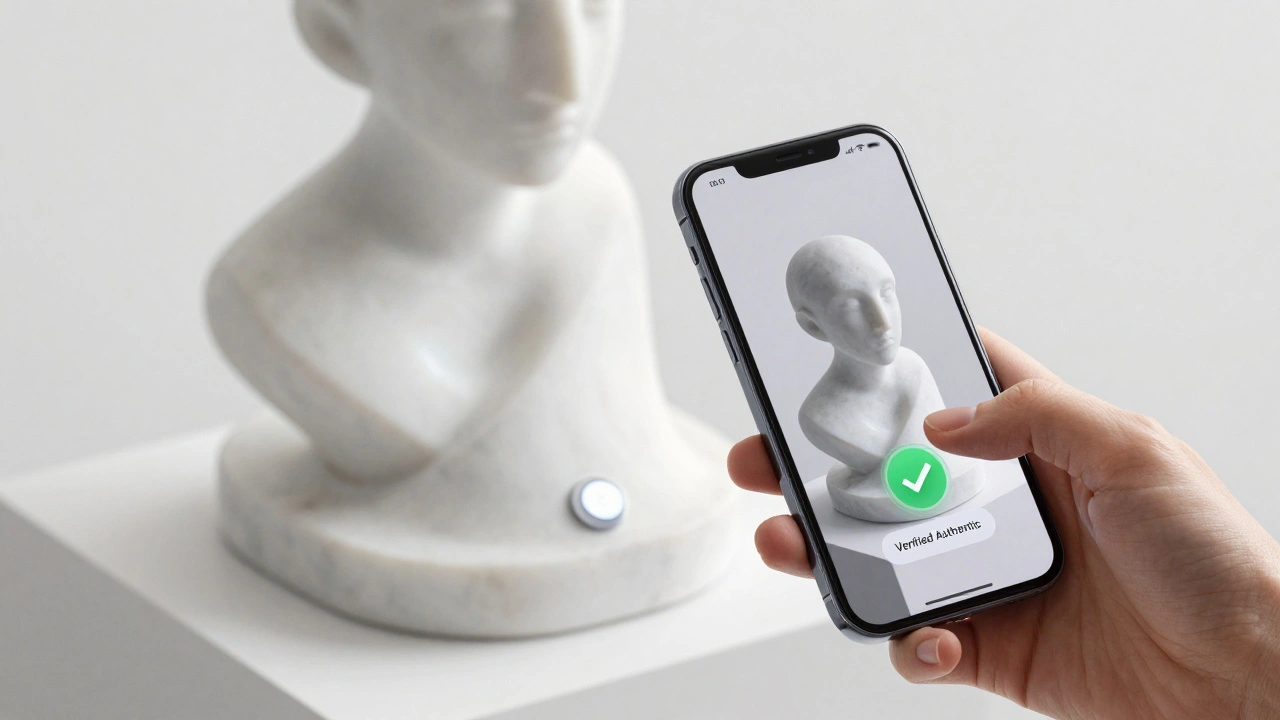
Bridging the Gap: Phygitals and NFC Tags
Authentication isn't just for pixels. We are seeing the rise of "phygitals"-physical objects paired with a digital twin. An artist might sell a physical sculpture and include a NFC Chip (Near Field Communication) embedded in the base of the piece. When a collector taps their phone against the sculpture, the NFC chip triggers a request to the blockchain. The phone then displays the NFT associated with that specific physical object. This creates a physical-to-digital link that is nearly impossible to decouple. If you buy a sculpture but the NFC chip doesn't point to the artist's verified wallet, you know the piece is a counterfeit.Does an NFT mean the art is original?
Not necessarily. An NFT proves that a specific token is authentic, but it doesn't prove the person who created the token had the right to the image. Always verify that the minting wallet belongs to the actual artist through their official channels.
What happens if the blockchain goes down?
Blockchains like Ethereum are decentralized, meaning they run on thousands of computers worldwide. For the network to "go down," every single one of those computers would have to fail simultaneously. Your ownership record is essentially permanent as long as the network exists.
Can I sell a digital artwork without an NFT?
Yes, but you'll struggle with valuation. Without a blockchain record, you are relying on a contract or an email, which can be faked or lost. NFTs provide a liquid market because buyers have a guaranteed way to verify authenticity instantly.
Are there cheaper alternatives to Ethereum for art authentication?
Yes. Many artists use Solana or Polygon. These networks have much lower "gas fees" (transaction costs), making it more affordable to mint smaller collections without paying $50 in fees for a single piece of art.
How do I protect my digital art from being minted by others?
While you can't stop someone from uploading your image, you can establish your own provenance first. By minting your work on a verified platform and linking it to your official social media, you make any copycat versions obvious to savvy collectors.