Dating Artworks: Carbon Dating, Style, and Material Evidence Explained

Imagine holding a painting that looks exactly like a Vermeer. The canvas feels right, the colors are perfect, but is it real? Or is it a brilliant fake from the 1940s? This is where art authentication comes in. It’s not just about looking at a picture; it’s a detective story involving science, history, and deep knowledge of how artists worked. If you’re buying, selling, or just curious about old masterpieces, understanding how we date artworks helps you avoid costly mistakes.
The Science of Time: Radiocarbon Dating
When people hear "carbon dating," they often think of dinosaur bones. But it works for organic materials too, like wood panels, paper, and pigments made from plant sources. Radiocarbon dating measures the decay of Carbon-14, a radioactive isotope found in all living things. Once an organism dies, the Carbon-14 starts to break down at a predictable rate. By measuring what’s left, scientists can estimate when the material stopped exchanging carbon with the atmosphere.
For artworks, this usually means testing the wooden support of a panel painting or the paper of a drawing. However, there’s a catch. The process has a margin of error, usually around 30 to 50 years for older items. So, if a panel dates to "1600-1650," it doesn’t mean the artist painted it in 1625. It just means the tree was cut down during that window. An artist could have used old stock wood decades later. That’s why radiocarbon dating is rarely used alone. It provides a ceiling and a floor for the age, but not the exact moment of creation.
Reading the Artist's Hand: Stylistic Analysis
Science gives you dates, but style gives you context. Connoisseurship is the art of identifying an artwork based on visual characteristics. Experts look at brushwork, composition, color palette, and subject matter. For example, Rembrandt’s late works feature thick, loose impasto strokes, while his early work is smoother and more detailed. If a "late Rembrandt" has smooth, uniform paint application, it raises red flags.
This method relies heavily on comparing the piece to known authentic works. Art historians build mental databases of an artist’s evolution. They know how a painter’s technique changed over their career. A young Picasso paints differently than an old Picasso. If a painting attributed to a young Monet shows techniques he didn’t develop until ten years later, the attribution is suspect. This isn’t guesswork; it’s pattern recognition built on decades of study.
What the Materials Reveal
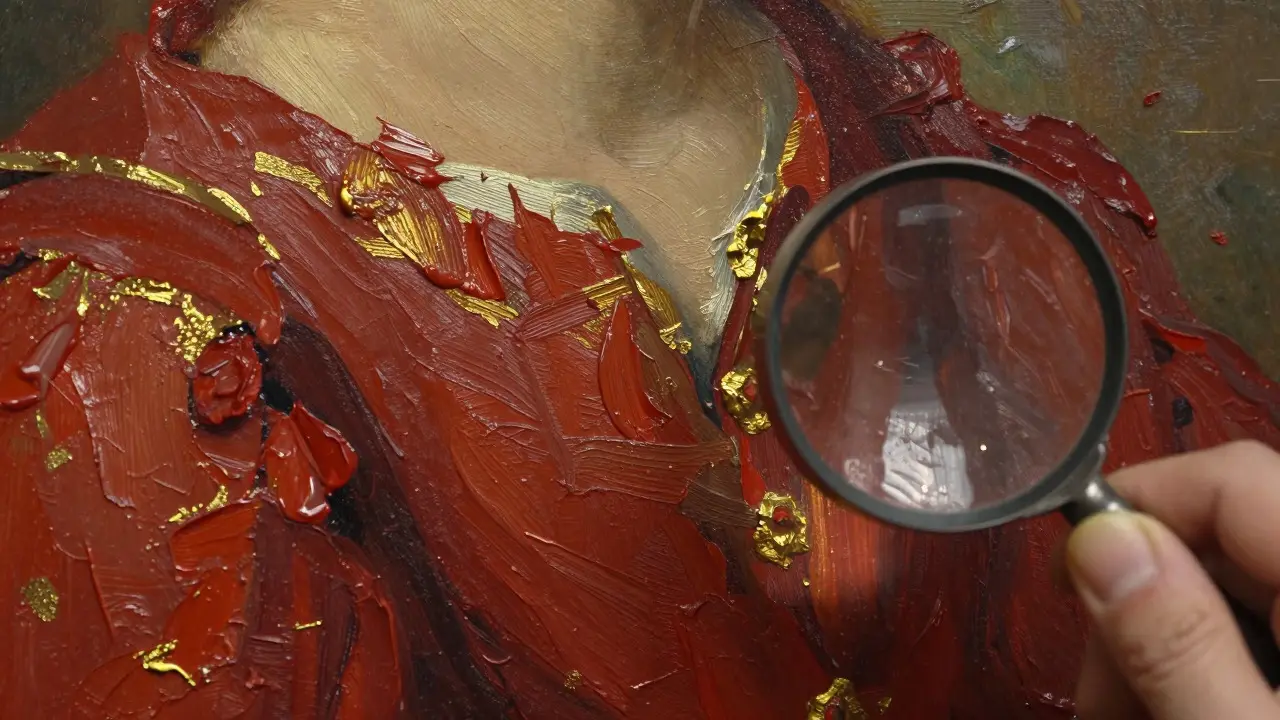
Beyond carbon, physical materials tell a powerful story. Pigments and binders have historical timelines. Titanium white, for instance, wasn’t commercially available until 1921. If you find titanium white in a supposed 18th-century oil painting, you’ve got a problem. Similarly, synthetic dyes like alizarin crimson were invented in the mid-19th century. Finding them in a medieval manuscript would be impossible unless the page was replaced or touched up much later.
Supports matter too. Canvas came into wide use in Italy in the 16th century but remained rare in France until the 17th. Papermaking techniques evolved significantly between the 15th and 18th centuries, leaving distinct watermarks and fiber patterns. Under magnification, these details act like fingerprints. A watermark from a mill that closed in 1750 proves the paper is at least that old, but it doesn’t prove the drawing was made then. It just proves the material existed then.
Combining Methods for Accuracy
No single method is perfect. The most robust authentication combines multiple lines of evidence. This is called triangulation. If radiocarbon dating says the wood is from the 17th century, stylistic analysis matches the artist’s known period, and pigment analysis confirms only period-appropriate materials were used, the case is strong. If one method contradicts another, experts dig deeper. Maybe the carbon date is off because the wood was old stock. Maybe the style is imitative. The goal is to find consistency across all data points.
Conservation records also play a role. Many museums keep detailed files on every object they own. These records track previous restorations, cleaning, and scientific tests. A painting that was cleaned in 1950 might have had varnish removed, altering its appearance. Knowing this history helps experts interpret current visual cues correctly. Without provenance records, stylistic analysis becomes much harder because you lose the baseline for comparison.
| Method | What It Measures | Accuracy Range | Limitations |
|---|---|---|---|
| Radiocarbon Dating | Carbon-14 decay in organic supports | ±30-50 years | Old wood problem; requires sample destruction |
| Stylistic Analysis | Brushwork, composition, iconography | Subjective expert judgment | Depends on database of known works; style evolves |
| Pigment Analysis | Chemical composition of colors | High precision for specific pigments | Only identifies materials, not creator intent |
| X-Ray/Radiography | Underdrawings, pentimenti, layers | Reveals hidden structure | Does not date the work directly; shows changes |
Common Pitfalls in Authentication
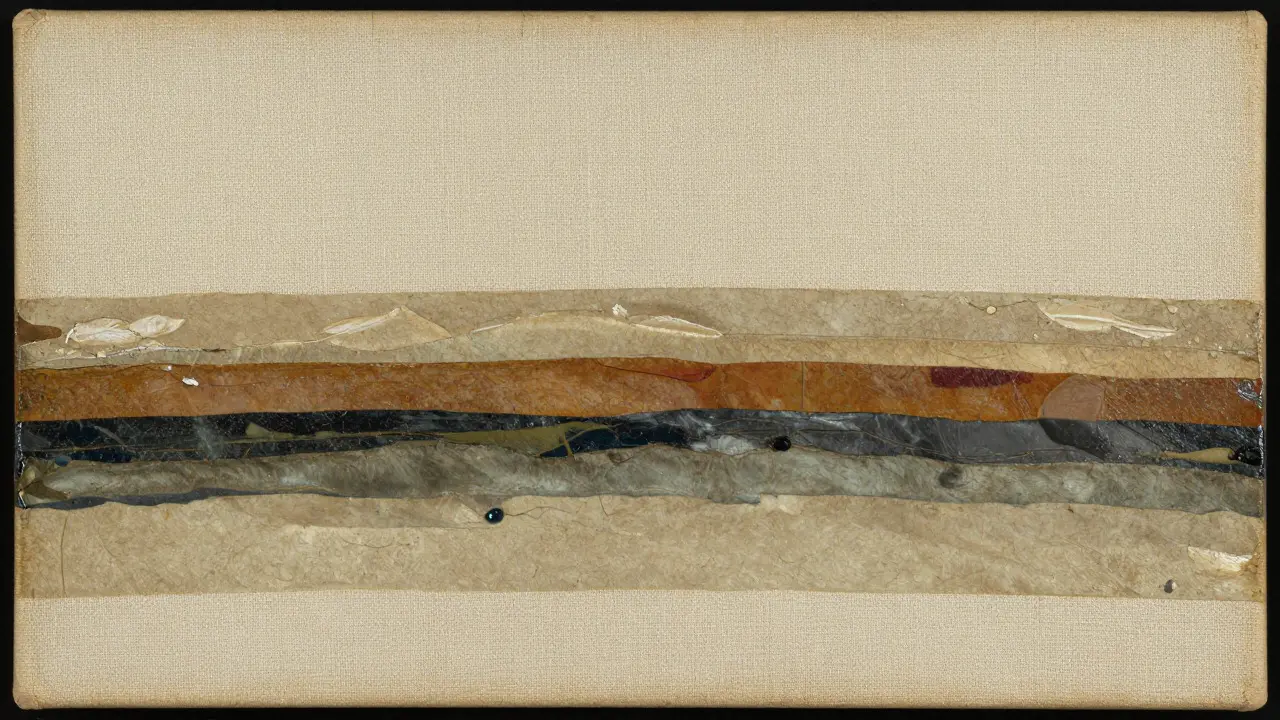
One big mistake is relying too heavily on documentation. A certificate from a famous dealer sounds impressive, but dealers make mistakes. Sometimes they authenticate based on reputation rather than evidence. Always ask for the underlying scientific or stylistic proof behind the certificate. Another pitfall is assuming that "old-looking" means "authentic." Fakes can be aged artificially. Varish can be darkened, canvases stretched to crack, and papers stained. Visual aging is a clue, not a conclusion.
Also, be wary of "attribution by association." Just because a painting hangs next to a verified work in a gallery doesn’t mean it’s genuine. Context matters, but it doesn’t replace forensic evidence. In high-stakes transactions, independent verification is key. Don’t trust the seller’s word alone. Get your own eyes on the technical data.
Frequently Asked Questions
Can carbon dating determine the exact year an artwork was created?
No. Radiocarbon dating provides a range, typically ±30 to 50 years for post-medieval items. It dates the death of the organic material (like the tree), not the act of painting. Artists often used pre-dried wood, so the paint date can be decades after the carbon date.
Is stylistic analysis subjective?
Yes, but it’s informed subjectivity. Experts compare the work against hundreds of authenticated pieces. While individual opinions may vary, consensus among top specialists carries significant weight. It’s less precise than chemistry but crucial for linking work to a specific artist or workshop.
What is the "old wood problem" in art dating?
It refers to using timber that was already dead before the artwork was made. If a panel was made from wood cut 50 years prior to painting, the carbon date will reflect the cutting date, not the painting date. This makes the artwork appear older than it actually is.
Do X-rays help with dating?
Indirectly. X-rays reveal underdrawings, changes in composition (pentimenti), and layer thickness. While they don’t give a calendar date, they show the creative process. Comparing these processes to known authentic works helps verify if the execution matches the artist’s habits.
How much does full authentication cost?
Costs vary widely. A basic stylistic review might cost a few hundred dollars. Full scientific analysis, including pigment sampling and imaging, can range from $2,000 to $10,000+ depending on the size and complexity of the work. Major institutions charge more for comprehensive reports.