Crowdsourced Criticism: How Community Reviews Are Reshaping Art Evaluation
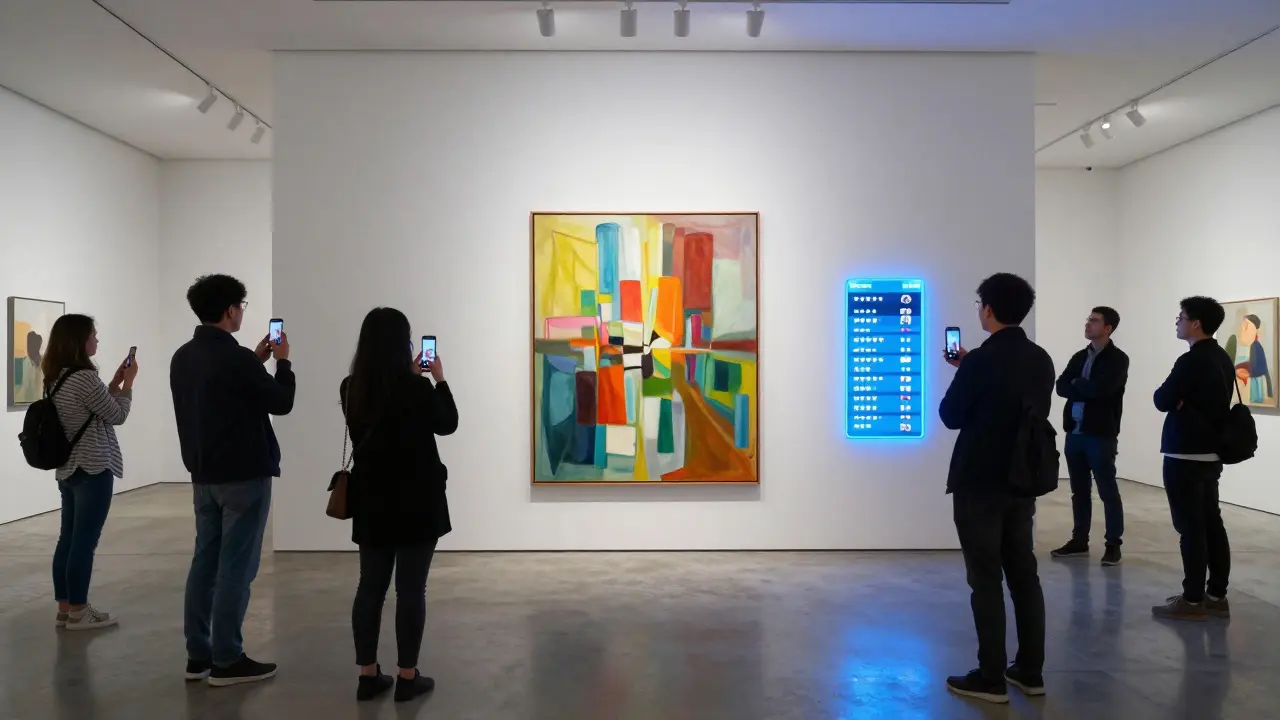
Imagine walking into a gallery and seeing a painting with a star rating next to it. Sounds absurd? It’s already happening on Crowdsourced Criticism is a method of evaluating artistic merit through aggregated public opinion rather than expert consensus. This shift challenges the traditional gatekeeping role of professional critics and institutions, placing power in the hands of everyday viewers.
For decades, who you were and what you owned determined your taste. Now, algorithms and user-generated content are rewriting the rules. If you’ve ever bought a piece based on a Reddit thread or scrolled through Instagram looking for validation on a local artist’s work, you’re participating in this new ecosystem. But does more data equal better judgment? Or are we just trading one form of bias for another?
The Death of the Gatekeeper
Historically, art criticism was an elite club. A handful of writers at major newspapers held the pen that could make or break a career. Their words carried weight because they had institutional backing. Today, that monopoly is fracturing. Platforms like Artsy is an online marketplace and discovery platform that connects collectors with galleries and artists. allow users to leave comments, save favorites, and share works instantly. This democratization means a student in Portland can influence the trajectory of a show in New York as much as a senior critic from a legacy publication.
This isn’t just about accessibility; it’s about speed. Professional reviews often take weeks to appear after an exhibition opens. Community feedback happens in real-time. An artist posting a sketch on social media gets immediate reactions within minutes. That instant feedback loop changes how creators refine their work. They aren’t waiting for quarterly journal articles; they’re responding to daily likes and shares.
How Algorithms Shape Taste
You don’t see everything on these platforms. You see what the algorithm thinks you’ll like. This creates a subtle but powerful filter. If you engage with abstract expressionism, the system feeds you more of it. Over time, your “community” becomes a mirror of your existing preferences, not a window into diverse viewpoints. This phenomenon, often called the filter bubble, can limit exposure to challenging or unfamiliar styles.
Consider the difference between browsing a physical gallery and scrolling through a feed. In a gallery, you might stumble upon a piece that stops you in your tracks, even if it doesn’t fit your usual taste. On a digital platform, the path of least resistance is reinforced. The algorithm prioritizes engagement over discovery. While this keeps users coming back, it can narrow the cultural conversation. We risk creating silos where different groups of viewers never intersect, leading to fragmented definitions of what constitutes “good” art.

The Data Behind the Hype
Quantifying art appreciation is tricky, but platforms try. Metrics like “likes,” “shares,” and “saves” serve as proxies for emotional resonance. However, these numbers don’t always correlate with critical depth. A flashy, colorful piece might rack up thousands of likes, while a nuanced, monochromatic study might gather only dozens. Does that mean the former is better? Not necessarily. It might just be more immediately accessible or visually striking.
Here’s a quick comparison of how traditional and crowdsourced methods evaluate value:
| Feature | Traditional Criticism | Crowdsourced Reviews |
|---|---|---|
| Evaluator | Professional experts | General public/users |
| Speed of Feedback | Weeks to months | Minutes to hours |
| Bias Source | Institutional/institutional norms | Popularity/trending topics |
| Depth of Analysis | High (contextual/historical) | Low to Medium (emotional/immediate) |
| Accessibility | Limited (paywalls/geography) | High (global/digital) |
Notice how the “Bias Source” differs significantly. Traditional critics may favor established movements or specific aesthetics due to academic training. Crowdsourced systems favor what is currently trending or emotionally resonant. Neither is objectively “correct,” but understanding the source of bias helps you interpret the feedback you receive.
Pitfalls of Peer Review
One major issue with community reviews is the bandwagon effect. When a piece goes viral, people tend to agree with the majority opinion, even if they haven’t deeply engaged with the work. This can suppress dissenting views. If 90% of comments praise a controversial installation, the remaining 10% might feel hesitant to voice criticism, fearing social backlash.
- Troll Factor: Anonymous users can skew sentiment with low-effort negativity or hype.
- Selection Bias: Only certain demographics participate actively in online art communities.
- Context Loss: Digital snippets often lack the historical or biographical context needed for full appreciation.
Additionally, the quality of writing varies wildly. A profound insight might get buried under a string of emojis or vague compliments. For serious collectors or students, sifting through noise to find signal requires significant effort. It’s less about reading a cohesive argument and more about pattern-matching across hundreds of individual voices.
Best Practices for Engaging with Crowdsourced Criticism
If you rely on community input, here’s how to get the most out of it without falling into traps:
- Look for Specificity: Vague praise (“Love this!”) tells you little. Comments that reference technique, color theory, or subject matter offer deeper insights.
- Check the Demographics: Who is commenting? Is it a niche group of enthusiasts or a broad audience? Diverse perspectives usually yield richer discussions.
- Cross-Reference Sources: Don’t stop at one platform. Compare reactions on Instagram, specialized forums, and local community boards to see if opinions align or diverge.
- Value Consistency Over Volume: A consistent theme emerging from moderate engagement is often more reliable than a spike in likes driven by a single viral post.
Also, remember that silence can be meaningful. If a complex piece receives no reaction, it might indicate confusion or disinterest, which is valuable data for the artist or collector alike.
The Future of Hybrid Models
We’re likely moving toward hybrid models where professional expertise meets community data. Imagine a platform where AI analyzes thousands of user comments to identify recurring themes, then presents those findings alongside a curated essay from a seasoned critic. This approach leverages the breadth of crowd data and the depth of expert analysis.
Tools like natural language processing (NLP) are already being used to gauge sentiment in large datasets. In the art world, this could help identify emerging trends before they become mainstream. For example, if NLP detects a surge in positive sentiment around sustainable materials in sculpture, collectors might start paying attention to eco-friendly practices earlier than traditional markets would.
Ultimately, crowdsourced criticism isn’t replacing professional critique; it’s expanding the conversation. It adds texture, urgency, and diversity to how we discuss art. The key is learning to navigate both worlds with a critical eye. Whether you’re an artist seeking feedback, a collector making decisions, or just a curious viewer, understanding the mechanics behind these platforms empowers you to form more informed opinions.
Is crowdsourced criticism more objective than professional reviews?
Not necessarily. While it removes individual expert bias, it introduces biases related to popularity, algorithmic filtering, and demographic limitations of the user base. Objectivity depends on how you weigh volume versus depth of analysis.
Which platforms are best for finding genuine art community feedback?
Specialized forums and niche social media groups often provide higher-quality discussion than general-purpose platforms. Look for communities where members have a history of detailed engagement rather than just passive consumption.
How do algorithms affect which art I see?
Algorithms prioritize content similar to what you’ve previously engaged with. This can create echo chambers, limiting exposure to diverse styles. To counter this, actively follow artists outside your usual genre and explore “explore” features manually.
Can viral popularity predict long-term artistic success?
Sometimes, but not reliably. Viral moments can boost visibility, but sustained success usually requires critical acclaim, institutional support, or strong collector interest. Treat viral metrics as a starting point, not a final verdict.
What should artists look for in community feedback?
Focus on recurring themes in comments rather than individual outliers. Note if specific techniques or subjects resonate consistently. Ignore hyperbolic praise or harsh criticism unless it points to a tangible issue in the work.