Crafting an Art Gallery Mission Statement and Brand Identity
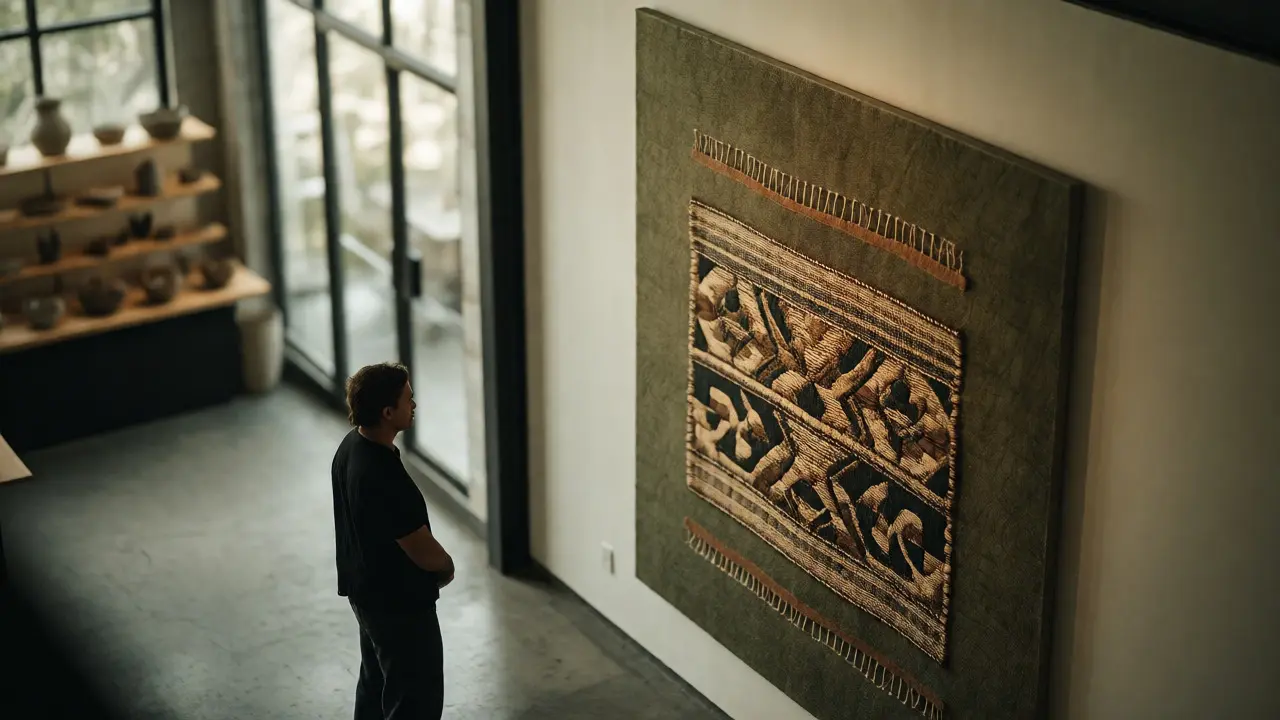
You have the space. You have the artists. You might even have the funding. But do you have a reason for existing that makes people care? Most art galleries fail not because they lack good art, but because they lack a clear voice. They try to be everything to everyone, which means they end up being nothing to anyone. If you are starting a gallery in 2026, your physical location matters less than your digital presence and your narrative. Your mission statement is the anchor for this narrative. It tells collectors why they should buy from you instead of scrolling through Instagram or visiting a mega-gallery in New York.
Why Your Mission Statement Is More Than Corporate Fluff
Let’s be honest: most mission statements are boring. They sit in drawers or on dusty website footers, filled with words like "synergy" and "excellence." But for a small to mid-sized gallery, your mission is your filter. It decides who walks through your door and who stays away. Think of it as a bouncer for your brand. If your mission is to support emerging local artists using sustainable materials, you instantly exclude high-end commercial photography or established international sculptors. This exclusion is powerful. It creates a tribe. People don't just buy art; they buy into a story. When your mission is specific, your marketing writes itself. You aren't guessing what to post on social media; you are showcasing works that fit your defined niche.
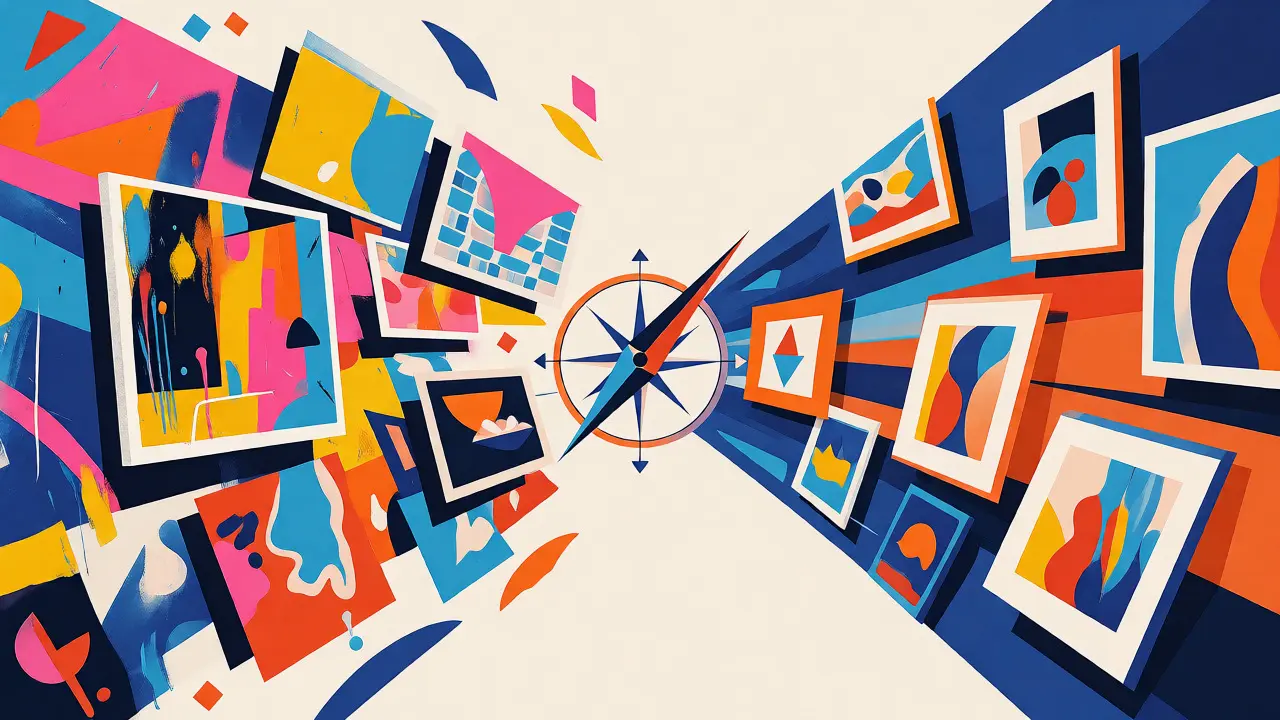
A vague mission leads to inconsistent branding. One week you’re selling abstract expressionism, the next you’re promoting minimalist prints. Collectors get confused. They don’t know what to expect when they visit your site or your physical space. A strong mission statement acts as a compass. It helps you make hard decisions. Should you take on this artist who is popular but doesn't fit your aesthetic? If your mission says you champion underrepresented voices in the Pacific Northwest, the answer is no, even if he pays well. This clarity saves you time and money by preventing you from chasing trends that don't align with your long-term vision.
The Anatomy of a Strong Gallery Mission
So, how do you write one without sounding like a robot? Forget the jargon. Write it as if you are explaining your passion to a friend over coffee. A good mission statement usually answers three questions: Who are we serving? What value do we provide? And why does it matter? For example, instead of saying "We aim to facilitate cultural exchange," try "We connect Portland collectors with indigenous artists preserving traditional weaving techniques." See the difference? The second version is concrete. It names the audience (Portland collectors), the subject (indigenous artists), and the action (preserving techniques).
Keep it short. If it takes more than thirty seconds to read, it’s too long. Aim for two to three sentences max. Here is a simple formula you can adapt:
- Who: Identify your primary audience or community.
- What: Describe the specific type of art or service you offer.
- Why: Explain the impact or emotional resonance you create.
Don't worry about perfection on the first draft. Your mission will evolve as your gallery grows. In the early stages, it’s okay to be narrow. You can always broaden later, but narrowing down initially builds authority. Once you have a draft, test it. Show it to five potential collectors. Ask them: "Based on this sentence, what kind of art do you think I sell?" If their answers vary wildly, rewrite it until the message lands consistently.
Translating Mission into Visual Brand Identity
Your mission is the soul; your brand identity is the face. These two must match perfectly. If your mission is about raw, unfiltered street art, but your logo is a delicate serif font with pastel colors, you have a disconnect. Collectors feel this dissonance subconsciously. It erodes trust. Your visual identity includes your logo, color palette, typography, and the way you photograph artworks. All these elements need to reinforce the feelings described in your mission.
Consider the psychology of color. Blue often conveys trust and calm, suitable for a gallery focusing on serene landscapes or classical portraits. Red or orange might work better for a gallery pushing energetic, contemporary pop art. Typography matters too. A bold, sans-serif font suggests modernity and accessibility. A script font implies elegance and tradition. Choose fonts that reflect the era or style of art you represent. If you sell vintage prints, a typewriter-style font might evoke nostalgia. If you sell digital NFTs, a sleek, minimal font feels more appropriate.
Photography style is another critical component. How you frame and light the artwork sets the tone. Do you use stark white backgrounds for a clinical, museum-like feel? Or do you shoot in natural settings to show how the piece looks in a home? Consistency here is key. Create a style guide for your team or freelancers. Specify lighting angles, background textures, and editing filters. This ensures that whether someone sees your work on Instagram, your website, or a printed catalog, it looks cohesive.
Building Authority Through Content Strategy
Once your mission and visuals are aligned, you need to spread the word. Content marketing is how you build authority in the art world. But stop posting random photos of artworks. Every piece of content should tie back to your mission. If your mission focuses on sustainability, write blog posts about eco-friendly framing options. Interview artists about their material choices. Host panels on green practices in the art industry.
Email newsletters remain one of the highest-converting channels for galleries. Unlike social media algorithms, you own your email list. Use it to tell stories. Don't just send a link to a new exhibition. Send a personal note from you, the founder. Explain why you chose those specific pieces. Share a behind-the-scenes look at the installation process. Make the collector feel like an insider. Personalization increases open rates and click-throughs. Segment your list if possible. Send different updates to serious collectors versus casual browsers. Serious collectors want market data and artist bios; casual browsers want inspiration and event invites.
Collaborations are another fast track to visibility. Partner with local businesses that share your values. If your gallery champions local craft, team up with a nearby ceramic studio or a boutique hotel. Cross-promote each other. This expands your reach without spending a fortune on ads. Remember, in the art world, reputation is currency. Aligning with reputable partners boosts your own credibility.
Navigating the Digital Landscape in 2026
The art market has shifted significantly. While physical sales still matter, especially for high-value pieces, discovery happens online. Your website needs to be more than a brochure. It should be an experience. Fast loading times, mobile optimization, and intuitive navigation are non-negotiable. If a user can't find the price or the artist's bio within two clicks, they leave.
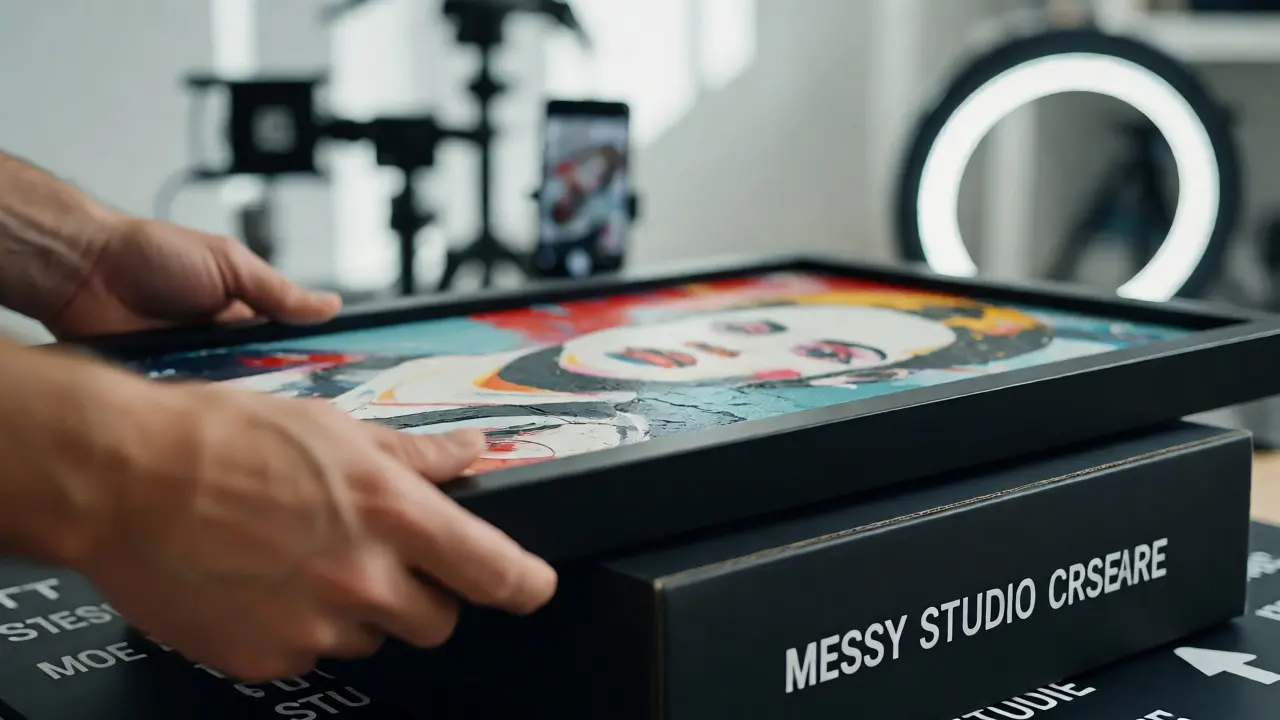
Social media platforms change rapidly. As of late 2026, short-form video remains dominant. Platforms like TikTok and Instagram Reels allow you to show the texture of paint, the scale of a sculpture, and the personality of the artist in ways static images cannot. Use these tools to humanize your brand. Show yourself packing orders. Let viewers see the messy studio floor. Authenticity wins over polished perfection every time. People buy from people, not logos.
| Strategy | Best For | Key Benefit | Potential Pitfall |
|---|---|---|---|
| Niche Specialization | New Galleries | High customer loyalty | Limited initial audience size |
| Broad Portfolio | Established Galleries | Wider revenue streams | Diluted brand identity |
| Artist-Centric Model | Emerging Artists | Strong community engagement | Dependence on few artists |
| Experience-Based | Urban Locations | High foot traffic | High operational costs |
Maintaining Consistency Over Time
Branding isn't a one-time project. It requires constant maintenance. Markets change. Trends fade. Your mission might need slight adjustments every few years. That’s normal. Just ensure any changes are communicated clearly to your audience. If you pivot from selling only paintings to including sculptures, update your website copy and social media profiles immediately. Don't let old information linger.
Audit your brand annually. Look at your last year of sales. Did you sell more of what matched your mission? If not, why? Maybe your mission was too restrictive, or maybe your execution was off. Talk to your customers. Ask them why they bought. Their answers might reveal insights you missed. Perhaps they love your curation but hate your shipping process. Fix the friction points. A strong brand promises consistency, so delivering on that promise is crucial for retention.
Finally, remember that your brand is your reputation. In the tight-knit art community, word travels fast. Treat every interaction, from the initial inquiry to the final delivery, as part of your brand experience. Good packaging, timely responses, and follow-up emails all contribute to how people perceive your gallery. Build a brand that people are proud to associate with. When a collector hangs your piece on their wall, they are displaying your brand in their home. Make sure it’s worth showing off.
How long should an art gallery mission statement be?
Ideally, keep it between 25 and 50 words. It needs to be concise enough to memorize but detailed enough to convey your unique value proposition. If it exceeds three sentences, consider trimming unnecessary adjectives or combining ideas.
Can my mission statement change as my gallery grows?
Yes, absolutely. Startups often begin with a very narrow focus to establish a foothold. As you gain stability and expand your artist roster, you may broaden your scope. However, core values should remain consistent to avoid confusing loyal customers.
Do I need a professional designer for my brand identity?
Not necessarily at the start. Many successful galleries begin with DIY branding using tools like Canva or Adobe Express. However, investing in a professional designer becomes crucial once you have steady revenue, as a polished identity signals professionalism to high-end collectors.
How does brand identity affect pricing?
A strong, consistent brand allows you to command higher prices. Collectors pay a premium for perceived value and trust. If your brand communicates exclusivity and quality through design and communication, buyers are more willing to invest in your artists' work compared to a generic marketplace listing.
Should I include my location in the mission statement?
If your gallery relies heavily on local tourism or community engagement, yes. Mentioning your city or region helps with local SEO and attracts nearby collectors. If you operate primarily online with global shipping, you might omit specific geographic references to appeal to a wider audience.