Contingency Plans for Art Fairs: Fair Cancellations and Force Majeure
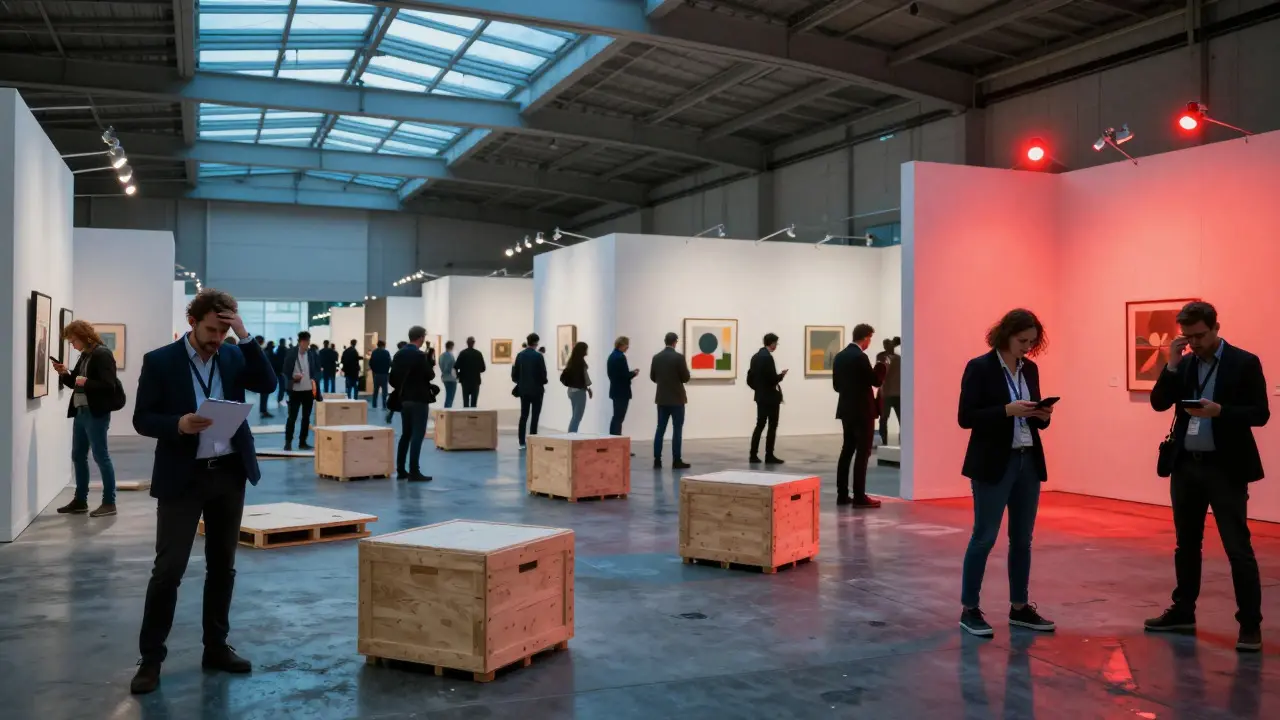
Imagine this: It’s Tuesday morning at a major international art fair. The pavilion is packed, the coffee is flowing, and suddenly, the organizer announces that due to an unexpected power grid failure, the show will close early on Thursday. Galleries are left scrambling. Some have contracts that cover this; others are out of pocket for shipping, staff, and booth space. This scenario highlights why contingency plans are not just bureaucratic paperwork-they are the safety net that keeps your business alive when the unexpected happens.
In the high-stakes world of art fairs, where margins can be thin and logistics complex, understanding the difference between a standard cancellation and a force majeure event is critical. Most artists and gallery owners treat these terms as interchangeable legal jargon. They are not. One triggers a refund or credit; the other often means you eat the cost unless your contract says otherwise. Let’s break down how to protect your investment before you pack your crates.
Understanding Force Majeure in Art Fair Contracts
Force Majeure is a contractual clause that excuses parties from fulfilling their obligations when an extraordinary event beyond their control prevents performance. In plain English, it covers events like natural disasters, wars, government mandates, or pandemics. If a hurricane hits Miami during Art Basel, and the city declares a state of emergency, that is a classic force majeure trigger. The key here is "beyond reasonable control." If the venue leaks because the roof was poorly maintained, that is negligence, not force majeure.
The biggest pitfall? Assuming force majeure automatically means a full refund. Many older contracts only require the organizer to reschedule the event. If they cancel entirely, do you get your deposit back? Or just a credit for next year? You need to read the fine print. Look for specific language about "termination" versus "postponement." A robust clause should specify that if the event is canceled due to force majeure, all fees paid by exhibitors are refunded pro-rata within 30 days. Without this, you might find yourself waiting months for a check while your cash flow dries up.
The Difference Between Organizer Cancellation and Gallery Withdrawal
There is a distinct line between the fair being canceled by the organizers and a gallery choosing to pull out. When organizers cancel, it is usually a collective issue affecting everyone. When a gallery withdraws, it is a personal decision. However, the financial impact differs significantly. If you withdraw, you typically forfeit your deposit unless the contract has a "cure period" allowing you to find a substitute exhibitor. Organizers hate empty booths, so many will allow you to swap your space for another gallery if you give 60 days’ notice. This flexibility is rare but valuable.
Conversely, if the organizer cancels, you shouldn’t have to negotiate. Your rights should be clear. But what if the organizer downsizes the fair? Say they cut the exhibition floor by 20% due to low ticket sales. Is that a cancellation? Usually, no. It’s a modification. Unless your contract guarantees a minimum square footage or a specific location (like a corner spot), you might end up with a smaller booth without compensation. Always verify that your booth size and location are locked in writing, not just verbally promised by a sales rep.
Building a Practical Contingency Plan Before Shipping
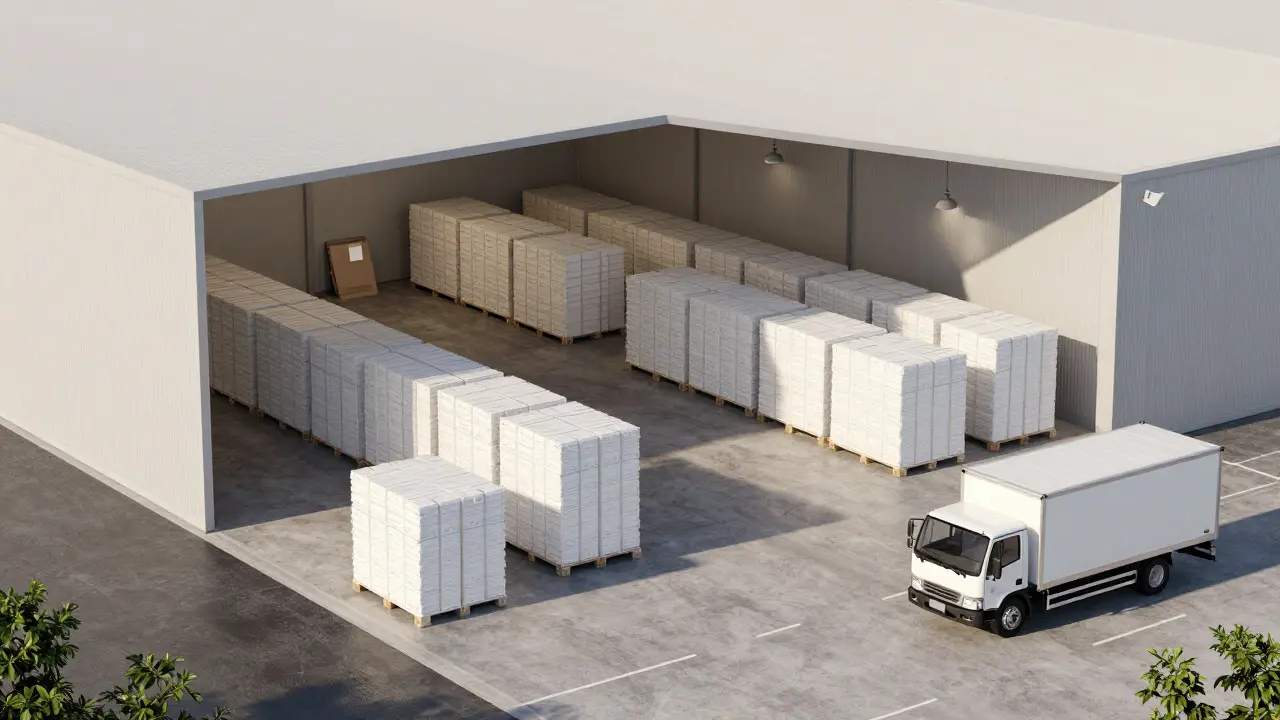
Your contingency plan starts long before the fair opens. It begins with your logistics strategy. Do you ship directly to the venue, or do you use a local warehouse? Direct shipping saves money but increases risk. If the flight is delayed, your art arrives late. Using a bonded warehouse in the host city adds a buffer. You can stage the work, inspect it, and install it calmly. Yes, it costs more upfront, but it reduces the stress of last-minute chaos. For galleries participating in multiple fairs in the same region, this model is often worth the premium.
Next, consider your staffing. Who installs the booth? Who handles the visitors? If you rely on a single installer who gets sick, do you have a backup? Create a contact list of reliable local installers in every major fair city you visit. Keep their rates and availability updated. Similarly, ensure your sales team has digital backups of your catalog. If the internet goes down at the fair, having offline access to artist bios and price lists ensures you can still make sales. Technology failures are increasingly common, and having a paper fallback is surprisingly effective.
Insurance Riders: The Hidden Safety Net
Standard fine art insurance covers damage and theft. It does not cover lost sales or non-performance. To protect against these risks, you need specific riders. One essential rider is "Non-Delivery Coverage." This protects you if your shipment is lost or damaged in transit, ensuring you are reimbursed for the value of the work plus the cost of replacing it. Another crucial one is "Event Cancellation Insurance." This is separate from your liability policy. It pays out if the fair is canceled due to covered perils like fire, flood, or even labor strikes. Not all insurers offer this, so shop around. Compare premiums based on the total value of inventory you plan to exhibit. A 1-2% premium on your total stock value is typical, but it can save your year if things go wrong.
| Risk Scenario | Contract Clause Impact | Recommended Action | Cost Implication |
|---|---|---|---|
| Natural Disaster (Hurricane) | Force Majeure triggered | Check refund vs. credit terms | Potential loss of deposit if clause is weak |
| Venue Fire | Force Majeure triggered | File claim with Event Cancellation Insurance | Out-of-pocket until insurance payout |
| Gallery Staff Illness | No contract impact | Use local backup installer/salesperson | Additional labor cost ($500-$1,500) |
| Shipment Delay | No contract impact | Utilize local warehouse staging | Warehouse fees ($200-$800/month) |
| Organizer Downsize | Modification, not cancellation | Negotiate reduced fee or better location | Potential ROI decrease if space shrinks |
Negotiating Better Terms with Organizers
Most fair contracts are take-it-or-leave-it, but large galleries have leverage. If you are a returning exhibitor with a strong track record, ask for a "most favored nation" clause. This ensures that if the organizer offers better terms to a new competitor, you get the same benefits. Also, push for a "clawback