Contemporary vs Traditional Art Collecting: A Strategic Guide for 2026
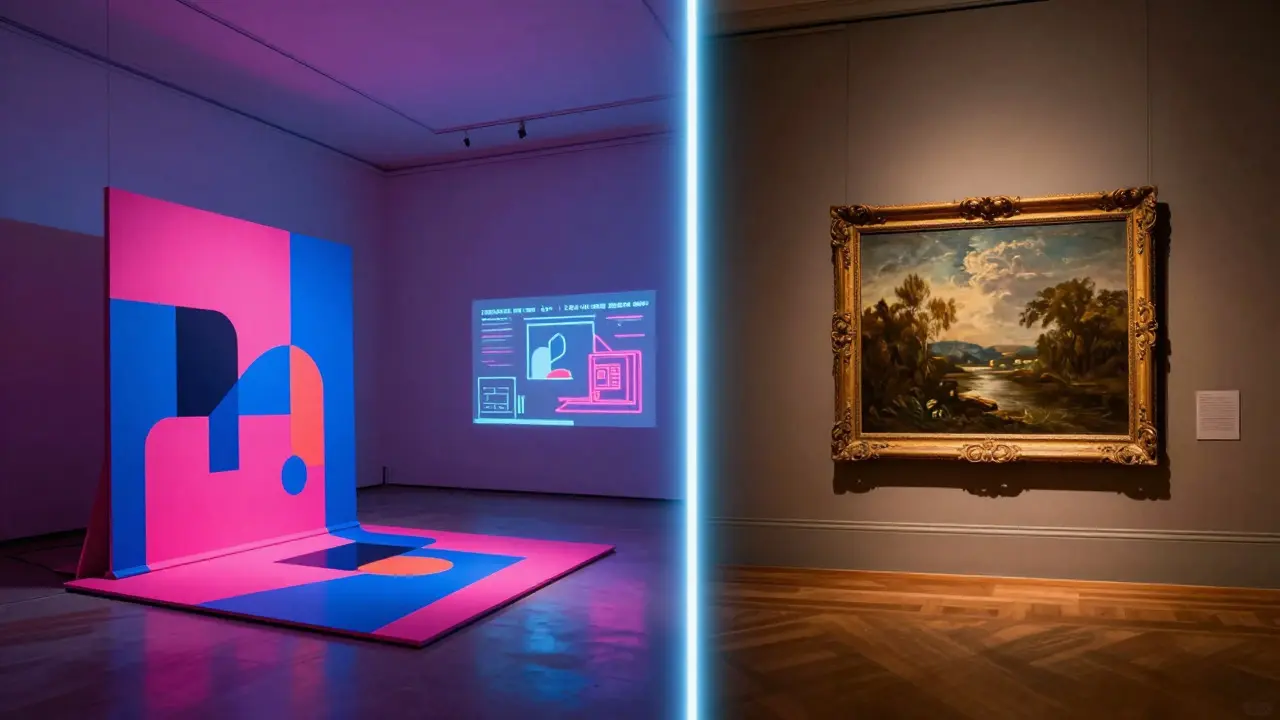
Walking into a gallery in Portland or scrolling through an online auction site, you face a fork in the road that defines your entire collecting journey. Do you chase the vibrant, experimental works of Contemporary Art is art created in the current cultural moment, typically from the 1970s to the present, characterized by diverse mediums and conceptual depth, or do you anchor your portfolio in the timeless stability of Traditional Art is classical works from established periods such as Impressionism, Modernism, or Old Master paintings, valued for historical significance and technical mastery? This decision isn't just about aesthetics; it's a financial and emotional bet on how value is constructed in the art market.
The stakes are high. In 2025, the global fine art market saw a shift where contemporary pieces accounted for over 60% of total sales volume, yet traditional blue-chip works still hold the record for single-item price highs. Understanding which path aligns with your goals-whether pure appreciation, long-term wealth preservation, or active trading-is crucial before you spend a single dollar.
Key Takeaways
- Contemporary Art offers higher volatility but greater potential for rapid appreciation if you identify rising stars early.
- Traditional Art provides stability and liquidity due to established historical narratives and broader buyer bases.
- Provenance (ownership history) is critical for both, but it carries different weight: for traditional art, it verifies authenticity; for contemporary art, it often determines the artist's career trajectory.
- Your risk tolerance dictates the mix: conservative collectors lean toward pre-1945 works, while aggressive investors favor post-1980 creations.
Defining the Two Worlds: What You're Actually Buying
To make a smart choice, you need to understand what drives value in each category. They operate under different economic and cultural laws.
Contemporary Art is dynamic. It includes everything from digital NFTs to large-scale installations and oil paintings made last year. The value here is speculative. You are buying into an artist's future reputation. If an artist like KAWS or Jenny Holzer gains institutional recognition, their prices skyrocket. But if the trend shifts, values can stagnate or drop. The medium matters less than the concept and the artist's visibility in major galleries like Gagosian or Hauser & Wirth.
Traditional Art, often referred to as "Old Masters" or "Modernist" works, is static in terms of creation but stable in terms of demand. Think of a Vermeer or a Picasso from his Blue Period. These works have survived decades of market cycles. Their value is derived from scarcity, historical importance, and technical skill. You aren't betting on whether the artist will be famous in five years; you are buying a piece of history that has already been validated by museums and critics.
| Attribute | Contemporary Art | Traditional Art |
|---|---|---|
| Timeframe | 1970s - Present | Pre-1970s (often Pre-1945) |
| Risk Level | High (Speculative) | Low to Medium (Stable) |
| Liquidity | Moderate (Niche buyers) | High (Broad collector base) |
| Primary Value Driver | Artist's Career Trajectory | Historical Significance & Scarcity |
| Entry Price Point | $5k - $5M+ | $50k - $100M+ |
The Financial Reality: Returns and Risk
Let's talk numbers, because art is an asset class, not just decoration. According to data from Meieox, the average annual return for top contemporary artists has hovered around 5-7% in recent years, but this masks extreme outliers. Some emerging artists see 200% jumps in a single year, while others see zero growth for a decade.
Traditional art, specifically pre-war European modernism, tends to track more closely with inflation plus a small premium. It acts as a hedge against currency devaluation. However, the entry barrier is significant. A genuine work by a Tier-1 traditional artist rarely dips below $100,000 at auction. For most mid-level collectors, "traditional" might mean purchasing high-quality prints or smaller oil studies from the 1920s or 30s, which offer better accessibility.
Consider the transaction costs. Both categories incur auction house fees (typically 15-25% buyer's premium) and dealer margins (often 40-50% above auction price). If you plan to hold for less than five years, these costs eat into any capital gains. Traditional art generally requires a longer holding period to justify the initial outlay, whereas contemporary art can sometimes be flipped faster if you catch a trending artist.
Provenance: The Paper Trail That Matters
In both worlds, Provenance is the documented chain of ownership of an artwork, which establishes its authenticity and legal title. But how it affects your purchase differs significantly.
For Traditional Art, provenance is a verification tool. You need to know that the painting wasn't stolen from a museum in 1940 or forged in the 1980s. A clear, unbroken chain of custody adds 10-20% to the final hammer price. If there are gaps, especially during WWII, the risk of restitution claims increases, making the piece harder to insure and sell later.
For Contemporary Art, provenance is a career marker. If a young artist's first show was at a prestigious gallery like David Zwirner, that fact becomes part of the artwork's biography. Collectors pay premiums for works that were early acquisitions by major institutions like MoMA or the Tate. Here, provenance isn't just about proving it's real; it's about proving it was important early on.
Building Your Collection: Strategy by Goal
Your approach should mirror your primary objective. There is no one-size-fits-all answer, but there are distinct strategies.
- If you want Wealth Preservation: Lean heavily toward Traditional Art. Buy works by deceased, established masters. Focus on condition reports and expert authentication. Avoid trendy contemporary pieces unless they are by legacy names like Basquiat or Warhol (who bridge both categories).
- If you want High-Growth Potential: Focus on Contemporary Art. Attend fairs like Art Basel or Frieze. Build relationships with gallerists who represent emerging talent. Be prepared for illiquidity-you might not find a buyer for three years.
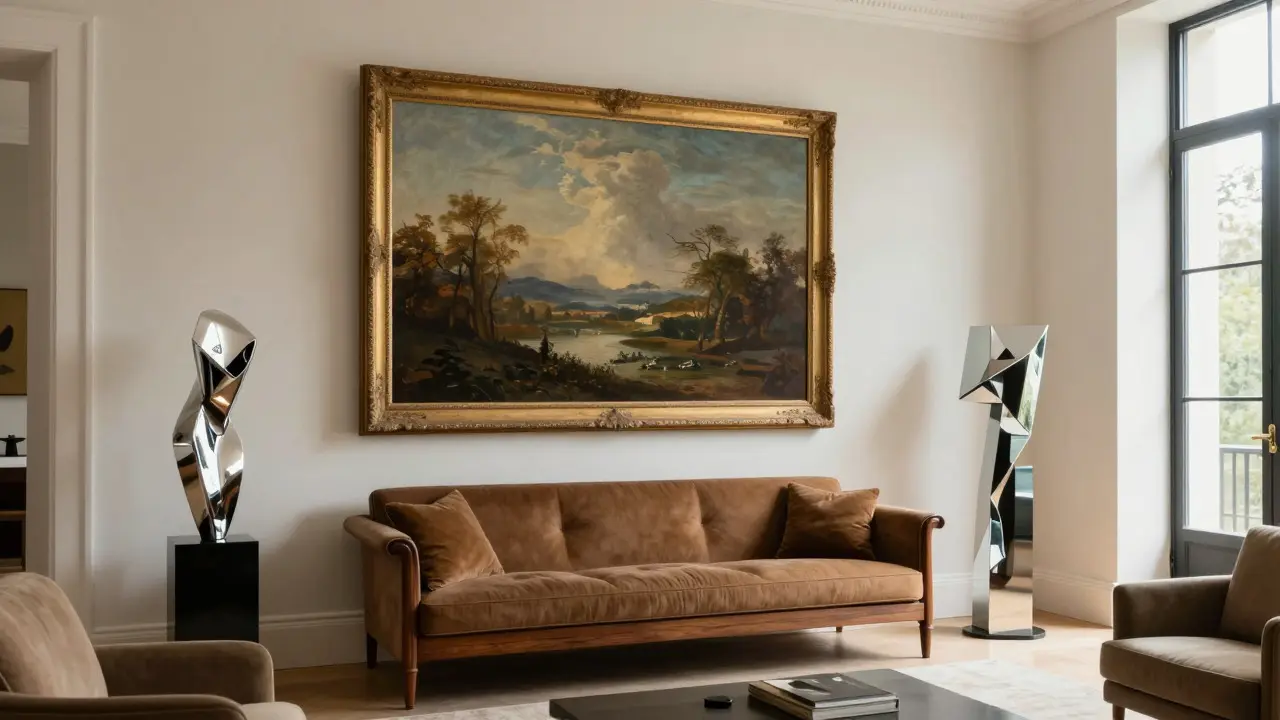
- If you want Personal Enjoyment: Mix them. Hang a beautiful 19th-century landscape in your living room for its calm aesthetic, and place a bold, abstract contemporary piece in your office to spark conversation. Let your taste guide the budget allocation.
Common Pitfalls to Avoid
Many new collectors lose money not because the art was bad, but because they ignored the mechanics of the market.
- Ignoring Condition Reports: A canvas with craquelure (cracking paint) or a frame with water damage loses value instantly. Always request a detailed condition report before bidding.
- Chasing Hype: Just because an artist is viral on social media doesn't mean their work will retain value. Wait for institutional validation (museum shows) before investing serious capital.
- Underestimating Insurance: Art insurance is expensive. For traditional works, valuations must be updated every few years. For contemporary works, valuations can change annually. Budget for this ongoing cost.
- Tax Blindness: In the US, collectibles are taxed at a maximum rate of 28% upon sale, higher than standard capital gains rates. Factor this into your net return calculations.
FAQ
Which is safer for a first-time investor?
Traditional art is generally safer due to its established market value and lower volatility. However, it requires a higher minimum budget. If your budget is under $50,000, consider high-quality prints or drawings from traditional artists rather than original canvases.
How long should I hold contemporary art?
The general rule of thumb is 5 to 7 years. This allows enough time for the artist's career to mature and for the market to stabilize. Selling too early often results in breaking even after fees and taxes.
Does location affect art value?
Yes. Works shown in major hubs like New York, London, or Paris tend to command higher prices due to greater exposure. However, regional scenes like Portland or Austin are growing, and local artists may offer better entry points for future appreciation.
What is the difference between 'Modern' and 'Contemporary' art?
Modern art refers to the period roughly between 1860 and 1970 (including Cubism, Surrealism, Abstract Expressionism). Contemporary art refers to art produced from the 1970s to today. Many collectors use 'Modern' to describe pre-1945 works and 'Contemporary' for post-1945, but definitions vary slightly among dealers.
Can I buy art directly from the artist?
Yes, and it is often the best way to get fair pricing. Buying direct saves you the dealer markup. However, you must ensure the artist is reputable and keep all documentation. Direct purchases lack the immediate resale network of gallery-backed works, so liquidity may be lower initially.