Conservation vs Restoration in Art: Key Differences Explained
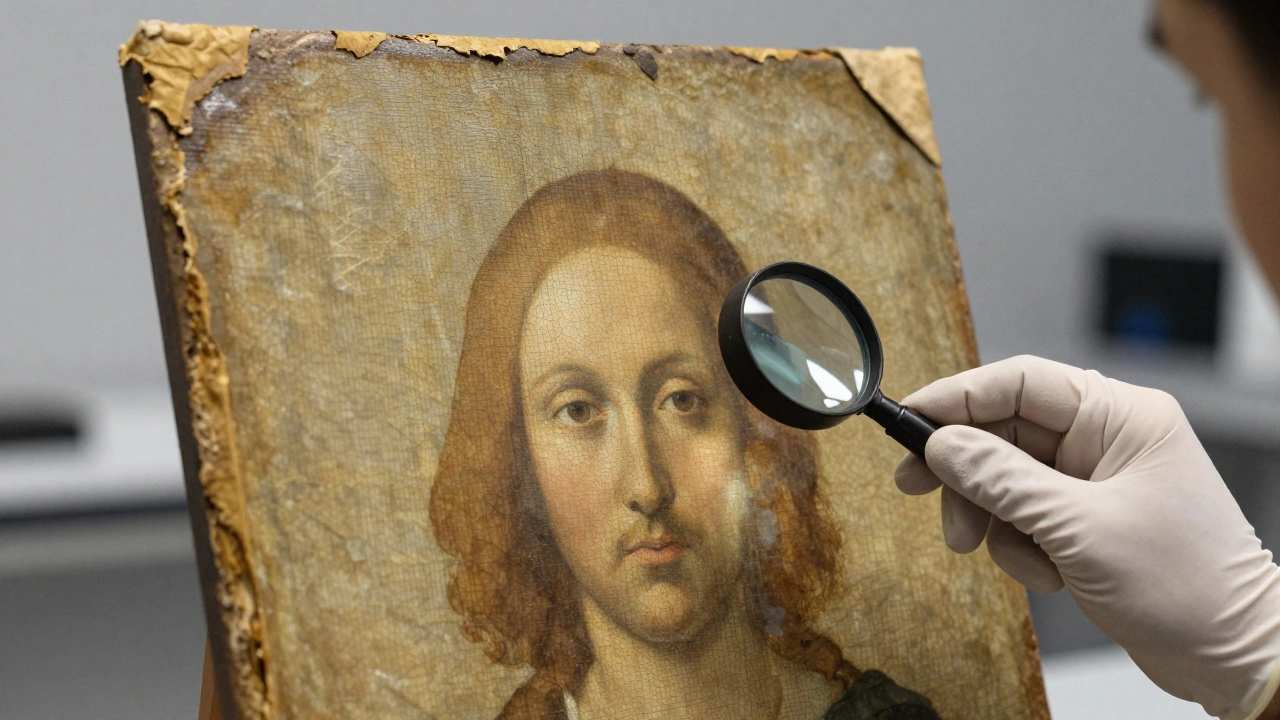
Imagine holding a Renaissance painting that has yellowed over three centuries. The varnish is cracked, the canvas is sagging, and the colors look muddy. You have two choices. You can stabilize the structure to stop it from falling apart, or you can strip away the yellowing to reveal the bright blues and reds the artist originally used. One path protects the object’s history; the other attempts to return it to its past glory. This is the core tension between art conservation and art restoration.
For decades, these terms were used interchangeably by collectors, museums, and even some professionals. Today, the distinction is sharp, legally defined, and ethically critical. Confusing them can lead to irreversible damage or legal trouble. Whether you are an artist protecting your own work, a collector managing a portfolio, or just someone curious about what happens behind museum velvet ropes, understanding this divide is essential.
The Core Philosophy: Preservation vs. Intervention
At its heart, conservation is the practice of stabilizing an artwork to prevent further deterioration without altering its current appearance. It is about slowing down time. The goal is not to make the object look new, but to ensure it survives for future generations. A conservator acts like a doctor performing life support. They treat symptoms-humidity, light exposure, structural weakness-to keep the patient alive.
Restoration, on the other hand, is the active process of returning an artwork to a hypothesized earlier state. It involves adding material, removing old layers, or reconstructing missing parts. A restorer acts like a surgeon performing cosmetic reconstruction. They aim to improve the aesthetic experience, often guessing how the piece looked when it was first created.
The key difference lies in intent. Conservation asks, "How do we keep this safe?" Restoration asks, "How do we make this look like it did in 1650?" Because restoration relies on interpretation, it carries higher risk. If a restorer guesses wrong about the original color palette, they have effectively altered the historical record. Conservation avoids this trap by prioritizing physical stability over visual perfection.
Key Differences in Practice
To see how these approaches diverge, let’s look at specific actions taken on a damaged oil painting. The table below highlights the practical distinctions between the two disciplines.
| Aspect | Conservation | Restoration |
|---|---|---|
| Primary Goal | Stabilize and prevent decay | Return to original appearance |
| Intervention Level | Minimal, reversible | Significant, sometimes irreversible |
| Material Addition | Only for structural support (e.g., lining) | Pigments, fillers, varnishes to match original |
| Visual Change | Little to none; respects aging | High; removes age-related changes |
| Ethical Focus | Authenticity of material | Aesthetic integrity |
Notice the emphasis on reversibility in conservation. Modern standards, largely established after World War II, dictate that any treatment must be undoable. If a conservator adds a new canvas backing, it should be possible to remove it later if better technology emerges. Restoration often lacks this luxury. When a restorer repaints a lost section of a fresco, that paint becomes part of the object’s permanent history. If their guess about the original design was wrong, correcting it may destroy the remaining original surface.
The Role of Science and Technology
You cannot separate these practices from modern science. Both fields rely heavily on analytical chemistry and non-invasive imaging techniques. However, they use these tools differently.
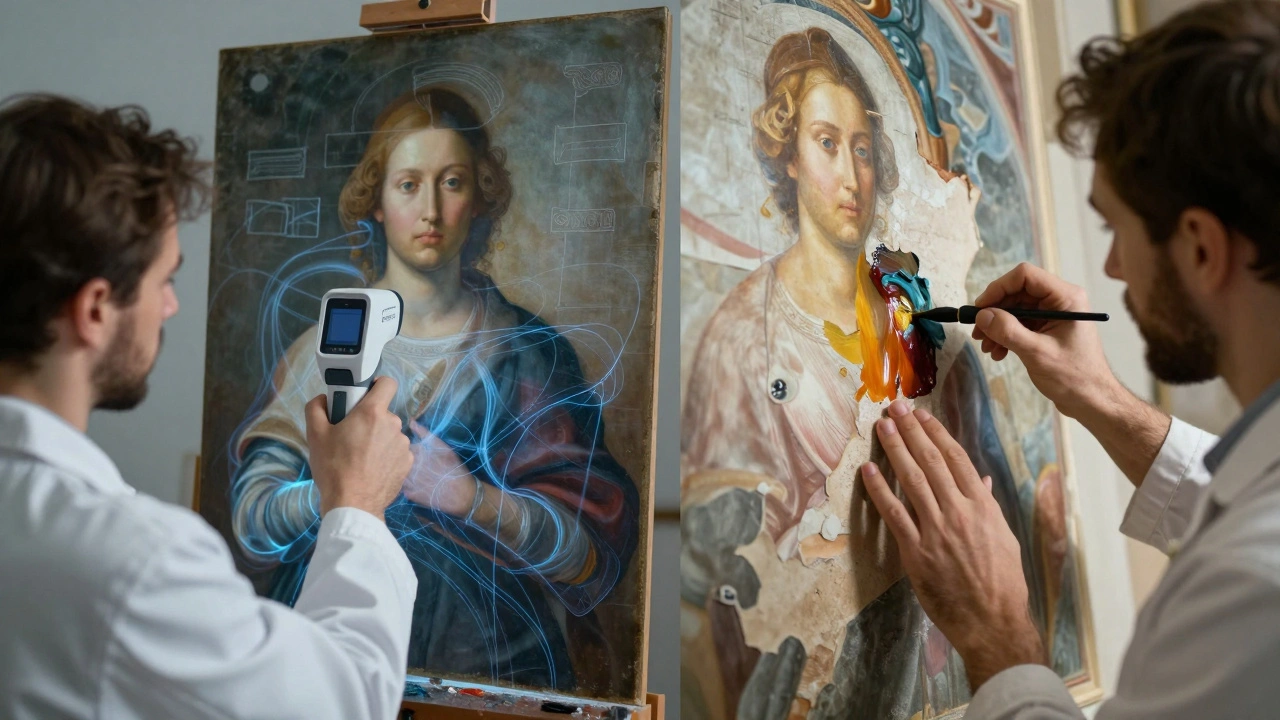
Conservators use X-ray fluorescence (XRF) and infrared reflectography to identify pigments and binders. Why? To choose cleaning agents that won’t dissolve the original paint. For example, if XRF reveals that a blue pigment is azurite, the conservator knows it is sensitive to acids. They will avoid acidic solvents. This data-driven approach ensures that the treatment supports the material’s longevity.
Restorers also use imaging, but often to uncover hidden layers. Infrared reflectography can reveal underdrawings-sketches made by the artist before applying paint. A restorer might use this information to guide the repainting of a damaged area, believing they are following the artist’s true intent. But here lies the danger. What if the artist changed their mind during creation? By revealing the underdrawing, the restorer might prioritize an abandoned idea over the final composition. Conservation ethics generally advise against acting on such speculative evidence unless it is clearly documented.
Preventive Conservation: The First Line of Defense
Before any hands-on treatment occurs, there is preventive conservation. This is the management of environmental conditions to slow degradation. It is the most important aspect of preserving cultural heritage, yet it receives the least public attention.
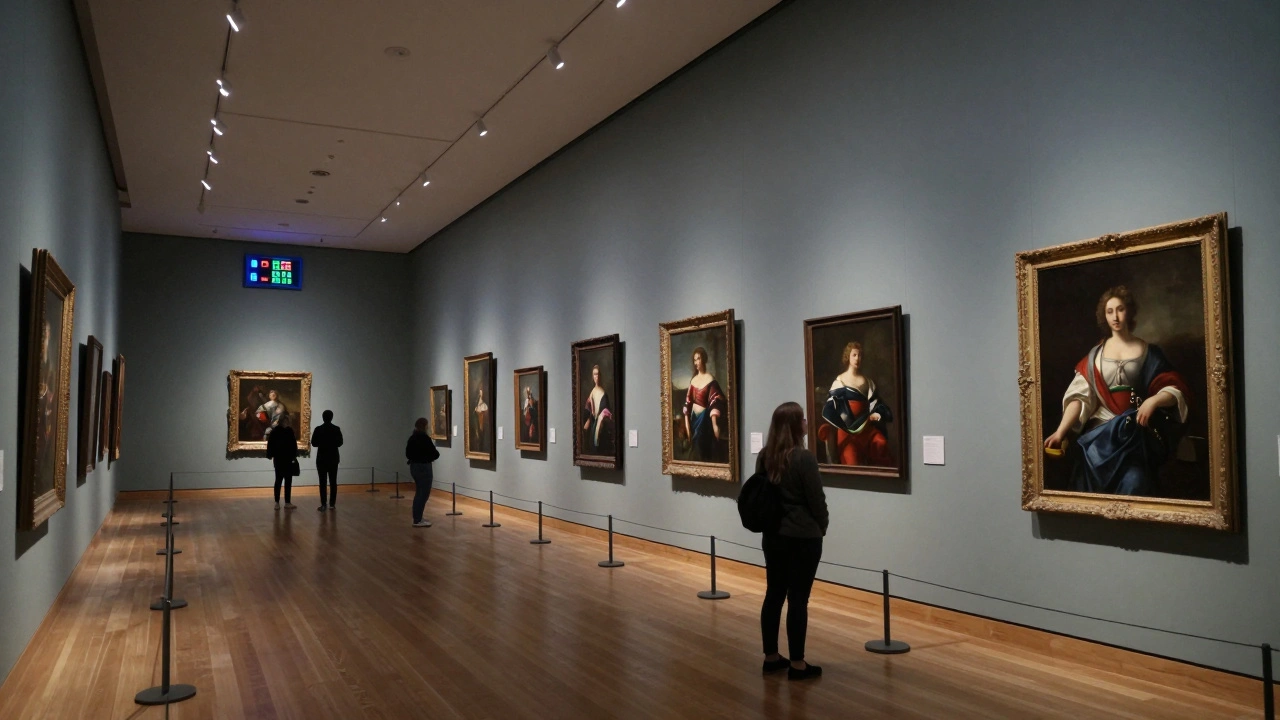
Think of preventive conservation as climate control for art. Museums maintain strict levels of relative humidity (usually 45-55%) and temperature (around 20°C or 68°F). Fluctuations cause materials to expand and contract. Wood cracks, canvas tears, and metal corrodes. Light is another enemy. Ultraviolet radiation fades pigments rapidly. That’s why you rarely see bright lights shining directly on paintings in galleries. Instead, low-level LED lighting minimizes damage while allowing visibility.
For private collectors, preventive conservation means more than buying a nice frame. It involves:
- Keeping artworks away from direct sunlight and heat sources like radiators.
- Using UV-filtering glass in frames.
- Maintaining stable indoor humidity with dehumidifiers or humidifiers.
- Avoiding handling artworks with bare hands, as skin oils transfer to surfaces.
If you ignore preventive measures, no amount of restoration will save the object long-term. A restored painting placed in a damp basement will mold within months. Prevention is proactive; restoration is reactive.
Ethical Guidelines and Professional Standards
The separation between conservation and restoration isn’t just technical; it’s moral. Major organizations like the American Institute for Conservation (AIC) and the International Council of Museums (ICOM) enforce strict codes of ethics. These codes emphasize transparency, documentation, and minimal intervention.
One controversial case illustrates why these rules matter. In the 1970s, a famous Italian altarpiece was aggressively cleaned, removing centuries of dark varnish. While the underlying colors were vibrant, many critics argued that the removal destroyed the patina-the accumulated layer of history-that viewers had associated with the work for generations. The debate highlighted a shift in philosophy: aging is not a defect to be erased, but a characteristic to be respected.
Today, professional conservators document every step of their work. They take photographs before, during, and after treatment. They write detailed reports describing materials used and methods applied. This documentation creates a permanent record, allowing future experts to understand what was done and why. Restoration projects, especially those done by unqualified individuals, often lack this rigor. DIY restoration kits sold online frequently encourage stripping varnishes with harsh chemicals, which can permanently dull original pigments.
When Does Restoration Become Necessary?
If conservation is preferred, why restore at all? There are valid reasons for restoration, provided it is done by qualified professionals.
First, severe damage may obscure the artwork entirely. If a fire burns half a canvas, leaving only charred edges, stabilization alone leaves a blackened ruin. Reconstruction allows the viewer to engage with the composition. Second, previous poor restorations may need correction. A well-meaning amateur might have painted over a signature or added incorrect details. Removing these additions is a form of restoration that serves conservation goals by restoring authenticity.
Third, certain materials degrade so severely that they threaten the object’s existence. Bronze statues suffer from "bronze disease," a corrosion cycle that eats through metal. Without active chemical treatment and reconstruction of lost fragments, the statue disintegrates. Here, restoration saves the object from total loss.
The decision always hinges on balance. Professionals ask: Does the intervention add value? Is it reversible? Is it based on solid evidence? If the answer to any of these is no, the project stops.
Common Pitfalls for Collectors and Owners
Many people unknowingly commit "restoration crimes" on their own property. Cleaning a watercolor with a wet cloth, for instance, can wash away pigments. Polishing silver jewelry with abrasive paste can remove microscopic layers of metal. These actions stem from good intentions but lack technical knowledge.
If you own valuable art, resist the urge to fix it yourself. Even small interventions can reduce market value significantly. Auction houses and insurers require proof of professional care. A receipt from a certified conservator adds credibility; a note saying "I cleaned it myself" raises red flags.
Also, beware of "miracle" products advertised online. Solvents labeled as "safe for all paints" are rarely safe for everything. Different pigments react differently to chemicals. What works on acrylic might dissolve oil. Always consult a professional before applying any substance to an artwork.
Can I clean my own painting at home?
Generally, no. Dusting with a soft, dry brush is acceptable for sturdy frames, but never apply liquids, solvents, or cloths to the painted surface. Home cleaning often removes original varnish or damages delicate pigments. For anything beyond dusting, hire a professional conservator.
Is restoration bad for art value?
Not necessarily. Professional restoration that follows ethical guidelines can increase value by improving condition and clarity. However, amateur restoration or aggressive cleaning that alters the original surface usually decreases value. Documentation of professional work is crucial for maintaining market confidence.
What is the difference between a conservator and a restorer?
A conservator focuses on stabilizing the object and preventing further decay using minimal, reversible methods. A restorer focuses on returning the object to an earlier aesthetic state, often adding materials or removing aged layers. Many modern professionals are trained in both, but they distinguish the roles in their practice.
How do museums decide whether to conserve or restore?
Museums follow strict ethical codes that prioritize conservation. Restoration is only considered if the artwork is severely damaged, if previous restorations were harmful, or if scientific evidence strongly supports a specific original appearance. The decision is made by a team including curators, conservators, and scientists.
Why is reversibility important in conservation?
Reversibility ensures that future generations can undo current treatments if better technologies emerge. It prevents permanent alteration of the original artifact. Since our understanding of materials and history evolves, treatments must not lock the object into a single interpretation forever.