Conservation Costs: How to Budget for Art Restoration in 2026
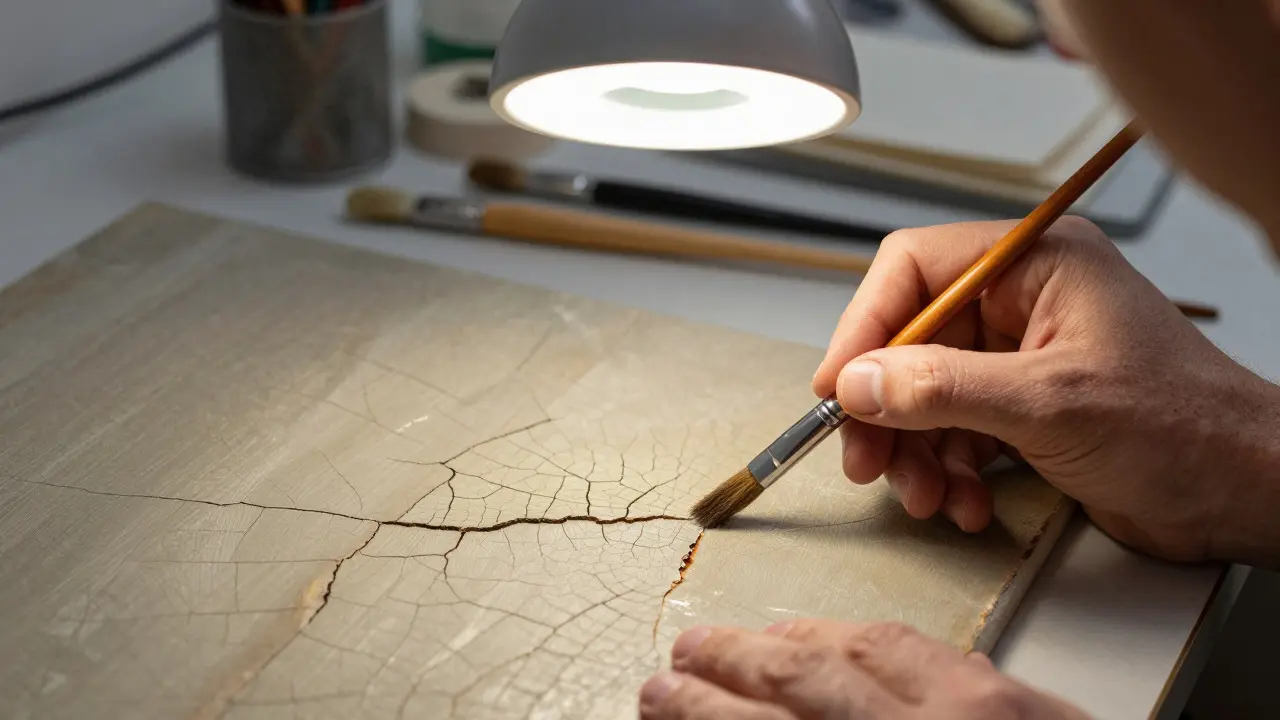
Restoring a damaged oil painting or stabilizing a crumbling manuscript can feel like opening a black hole in your wallet. One minute you are looking at a beautiful piece of history, and the next, a conservator hands you an estimate that makes you wince. The truth is, conservation costs vary wildly based on materials, condition, and urgency, but with the right planning, you can avoid surprise bills while keeping your collection safe.
Whether you are a private collector, a small gallery owner, or a municipal librarian, understanding where the money goes is the first step to protecting your assets. In this guide, we break down the real numbers behind restoration work, the factors that drive prices up, and how to build a budget that doesn't leave you stranded halfway through a project.
Key Takeaways
- Conservation costs typically range from $50 to $500 per hour for professional labor, depending on location and expertise.
- Material stabilization often accounts for 30-40% of the total budget, especially for water-damaged paper or flaking paint.
- Preventive conservation (climate control, proper storage) reduces emergency repair bills by up to 60% over five years.
- Always request a phased estimate: assessment, treatment, and final finishing have distinct cost structures.
- Hidden costs like insurance premiums and temporary deaccessioning can add 15-20% to the visible invoice.
Understanding the Core Components of Restoration Expenses
When you ask for a quote, you aren't just paying for brushes and glue. You are paying for specialized knowledge, time, and risk management. A standard conservation project breaks down into three main financial buckets: assessment, treatment, and preventive care.
The assessment phase usually costs between $100 and $300 for a single object. This involves the conservator examining the piece under raking light, ultraviolet light, and sometimes infrared reflectography. For complex works like large-scale murals or mixed-media installations, this diagnostic stage can exceed $1,000. Think of it as the medical check-up before surgery; skipping it often leads to higher costs later because underlying issues go undetected.
Treatment is where the bulk of the labor hours occur. If a canvas is torn, the conservator must clean the edges, align the tear, and apply a new support. This is meticulous work. A simple varnish removal might take 8-12 hours, but if the paint layer is delaminating (lifting off the ground), it could take weeks. Labor rates in major cities like New York or London often sit between $150 and $250 per hour, while regional studios in places like Portland or Denver might charge $80 to $120 per hour. The difference isn't just geography; it reflects the overhead costs of maintaining climate-controlled labs and purchasing archival-grade supplies.
Factors That Significantly Impact Your Bill
Not all damaged artworks are created equal. Several variables act as multipliers on your base rate. Understanding these helps you predict whether a project will stay within budget or balloon unexpectedly.
- Condition Severity: Surface dirt is cheap to clean. Structural failure is expensive. A painting with a stable craquelure pattern costs less than one with active cracking and pigment loss.
- Material Complexity: Oil on linen is standard. But what about egg tempera on wood panels? Or a digital print on aluminum composite? Exotic materials require specific solvents and tools that increase material costs.
- Urgency: Emergency calls after a flood or fire command a premium. Conservators often charge 1.5x to 2x their normal rate for rush jobs because they have to rearrange their schedule.
- Documentation Requirements: Museums and grant-funded projects require extensive photo documentation and written reports. This adds administrative hours that don't involve touching the object but are billable.
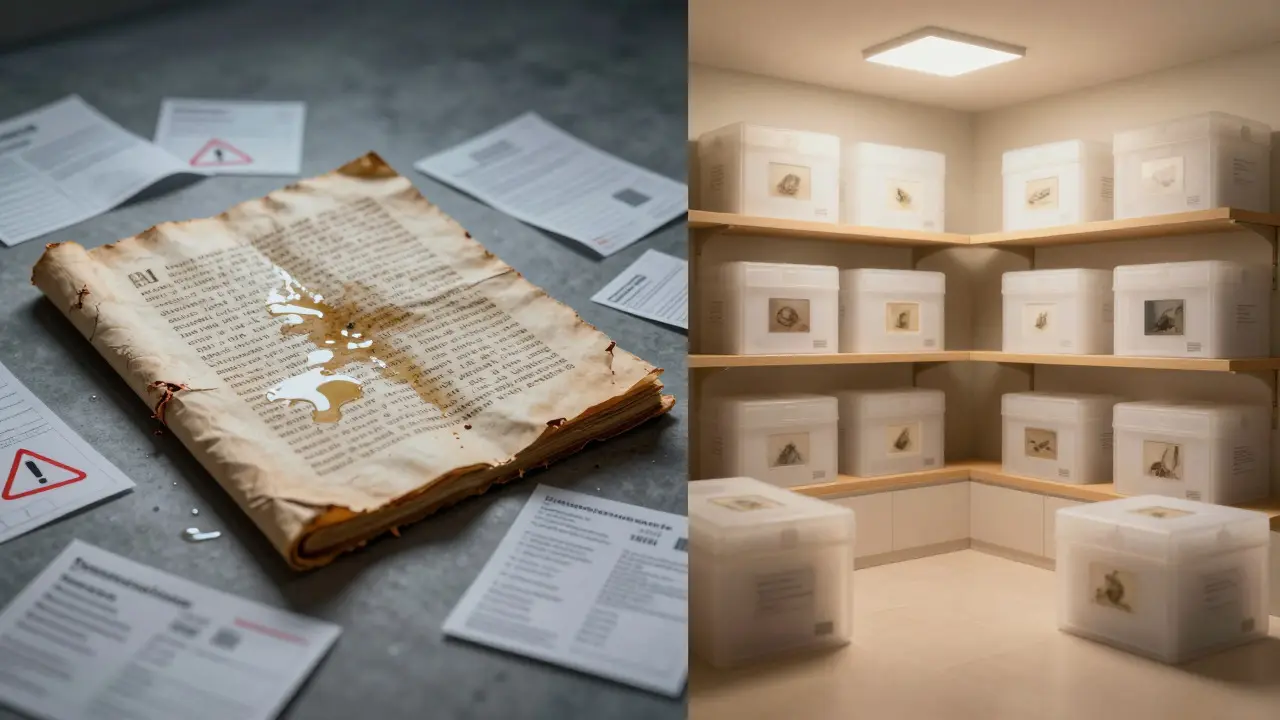
For example, restoring a 19th-century family portrait might cost $2,000 if it's just dusty. But if the same portrait has suffered water damage, causing the paper to cockle and the ink to bleed, the cost can jump to $8,000 or more due to the need for humidification chambers and custom-made supports.
Budgeting Strategies for Different Types of Collectors
Your approach to budgeting should match your scale. A private collector with ten paintings needs a different strategy than a public museum managing thousands of artifacts.
For Private Collectors and Small Galleries
Create a "Conservation Reserve Fund." Aim to set aside 2-5% of the value of your collection annually. If your collection is worth $100,000, that's $2,000 to $5,000 a year. This fund covers routine cleaning, minor repairs, and unexpected emergencies. It prevents you from having to sell a piece to pay for its own rescue.
Also, negotiate package deals. If you have multiple items needing similar work (like a series of watercolors), ask for a discounted hourly rate or a fixed project fee. Conservators appreciate steady work and may offer better terms for batch processing.
For Institutions and Public Collections
Institutions should prioritize preventive conservation in their annual budgets. Spending on HVAC systems, UV-filtering window films, and acid-free storage boxes is cheaper than fixing damage caused by neglect. According to data from the American Institute for Conservation, institutions that invest in environmental monitoring see a 40% reduction in emergency treatment requests over a decade.
Use grants strategically. Many national endowments cover 50-75% of treatment costs if you can demonstrate public benefit. However, grant deadlines are tight. Build your budget with a 3-month lead time to allow for proposal writing and approval processes.
Comparing Cost Structures: Treatment vs. Prevention
It’s easy to focus only on the visible repair, but the most savvy collectors look at the long-term financial health of their objects. Here is a comparison of typical expenses for a mid-sized oil painting (24x30 inches) over a 5-year period.
| Cost Category | Reactive Approach (Fix when broken) | Preventive Approach (Maintain proactively) |
|---|---|---|
| Annual Inspection | $0 (ignored until damage occurs) | $150 - $300 |
| Climate Control/HVAC | $0 (standard room temp) | $500 - $1,000 (upgrade/maintenance) |
| Average Major Repair (Year 3) | $3,500 (canvas tear + relining) | $0 (no structural failure) | Surface Cleaning (Year 5) | $800 (heavy grime removal) | $200 (light dusting) |
| Total 5-Year Cost | $4,300+ | $2,150 - $2,700 |
As you can see, the preventive model saves money even before factoring in the stress and potential value loss during emergency repairs. A painting that suffers a major tear loses market value; a painting that is well-maintained retains or increases its value.
Navigating Hidden Costs and Insurance Implications
The invoice from the conservator is only part of the story. There are secondary costs that often catch people off guard.
Insurance Premiums: When an object is out of your possession for treatment, your insurer may require it to be covered in transit and at the lab. Some policies exclude coverage for objects undergoing treatment unless specific conditions are met. Always read your fine print. If you need to increase your coverage limit during the project, expect a temporary premium spike.
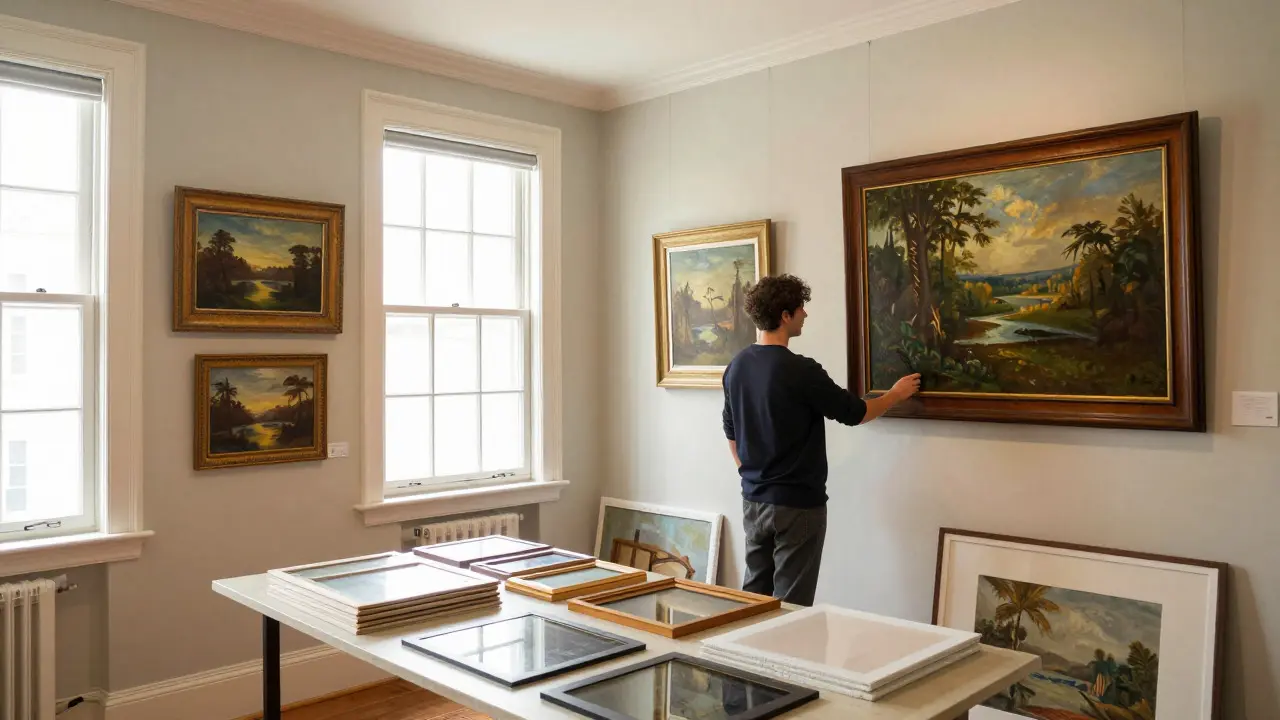
Deaccessioning and Rehousing: If a piece is too fragile to display, you might need to create a custom mount or case. These fabrication costs can range from $500 for a simple plexiglass box to several thousand dollars for a custom climate-controlled vitrine.
Shipping and Handling: Local pickup might be free, but if you send a piece to a specialist in another state, shipping can cost $300 to $1,000 each way, plus packing materials. Use professional packers; DIY boxing is a risky gamble that can void insurance claims.
How to Get Accurate Estimates Without Overpaying
You don't need to accept the first number you're given. Here is a practical checklist to ensure you get fair pricing.
- Get Three Quotes: Contact at least three accredited conservators. Look for members of the American Institute for Conservation (AIC) or equivalent bodies in your region. Compare not just the total price, but the scope of work included.
- Ask for Itemized Hours: Request a breakdown of estimated hours for cleaning, structural repair, and retouching. This helps you identify where the bulk of the cost lies.
- Clarify Material Costs: Ask if materials are billed at cost or with a markup. Standard practice is to bill at cost with a receipt, but some studios add a 10-15% handling fee.
- Define the Scope Limit: Agree on a maximum budget cap. If the conservator discovers hidden damage, they should pause work and consult with you before exceeding the cap.
Remember, the cheapest bid isn't always the best. A low hourly rate might come with high material markups or limited warranty coverage. Look for a conservator who communicates clearly and provides detailed photographic documentation at every stage.
Frequently Asked Questions
How much does it cost to restore a small oil painting?
For a small oil painting (under 18x24 inches) with moderate damage, expect to pay between $1,500 and $4,000. This includes cleaning, varnish removal, and minor inpainting. Severe structural issues can push this over $6,000.
Is art conservation tax deductible?
For businesses and non-profits, conservation costs are often deductible as business expenses or charitable contributions if donated to a qualified institution. For individuals, it depends on whether the artwork is held for investment or personal use. Consult a tax advisor familiar with arts law for specific advice.
What is the difference between restoration and conservation?
Conservation focuses on preserving the object in its current state using reversible methods. Restoration aims to return the object to a previous state, which may involve adding new material. Modern professionals prefer the term conservation because it emphasizes stability over aesthetic reconstruction.
How long does a typical restoration project take?
Simple surface cleaning takes 1-2 weeks. Complex structural repairs can take 3-6 months. Drying times for adhesives and varnishes dictate the pace. Rush jobs are possible but cost significantly more and carry higher risks.
Should I insure my art before sending it for restoration?
Yes. Ensure your policy covers "in transit" and "at third-party premises." Verify that the conservator carries liability insurance. If the value of the piece exceeds your current policy limit, consider a temporary rider to cover the gap during the project.