Community Partnerships for Art Galleries: Cross-Promotion Tactics
You have a beautiful space. The lighting is perfect, the walls are pristine, and the current exhibition features work that genuinely moves people. Yet, on opening night, you’re shaking hands with the same twelve faces. You know them by name, but they don’t bring new friends. This is the silent killer of independent art galleries in 2026: isolation.
The era of waiting for foot traffic to wander in from the street is over. To survive and thrive, you need to borrow audiences. Community partnerships aren't just about charity or goodwill; they are strategic growth engines. When you align your brand with complementary local businesses, you tap into their established trust and customer base. But most galleries do this wrong. They hand out flyers at coffee shops and hope for the best. That’s not partnership; that’s begging.
Why Your Gallery Needs External Allies Now
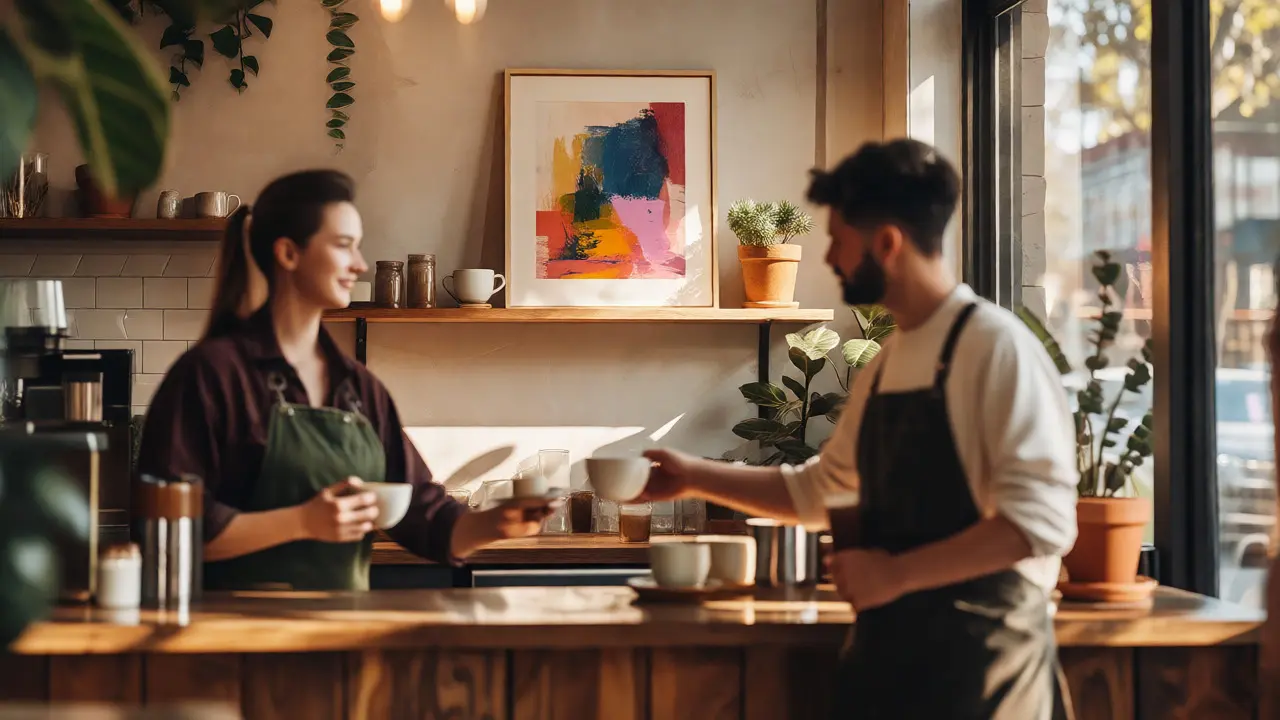
Think about the last time you visited a boutique hotel. Did you see an ad for a nearby museum? Probably. Why? Because the hotel wants to offer value to its guests beyond the bed. You can flip this script. A coffee shop has hundreds of daily customers who are already in a leisurely, creative mindset. A yoga studio has members seeking mindfulness. A high-end restaurant has diners looking for post-meal experiences.
These entities share a critical trait: their customers are local, affluent enough to buy art (or at least appreciate it), and currently disconnected from your specific niche. By partnering, you reduce your Customer Acquisition Cost (CAC). Instead of spending $50 on Facebook ads to reach a stranger, you spend zero dollars to reach a warm lead introduced by a trusted friend-the barista, the yoga instructor, or the chef.
This isn't theoretical. In Portland, where I live, we’ve seen small ceramics studios double their retail sales simply by placing their pieces in three local cafes. The cafes get free inventory refreshes; the artists get exposure. It’s a symbiotic loop. If you’re running a gallery, you have cultural capital. Use it as currency.
Identifying the Right Partners for Your Brand
Not every business is a fit. If you sell avant-garde digital art, partnering with a traditional antique furniture store might confuse both audiences. You need alignment in values and aesthetics. Start by mapping your current visitor demographics. Are they young professionals? Families? Collectors?
Once you know who walks through your door, look for businesses that serve the same demographic but solve a different problem. Here is a quick heuristic for finding high-potential partners:
- Lifestyle Alignment: Does the partner’s brand feel like a natural extension of your gallery’s vibe? A minimalist gallery fits well with a Scandinavian furniture showroom or a modern architecture firm.
- Foot Traffic Quality: Avoid places with high volume but low dwell time (like fast food). Look for places where people linger-bookstores, wine bars, spas.
- Audience Overlap: Do their customers have disposable income and an interest in culture? A luxury car dealership might seem odd, but their clients often buy art for status and home decor.
Be specific. Don’t just say "local businesses." Target independent bookstores, boutique hotels, and creative co-working spaces. These entities naturally attract people who value creativity and design.
Tactical Cross-Promotion Strategies That Actually Work
Handing out brochures is passive. Active cross-promotion requires integration. Here are four tactics that move the needle.
The "Passport" Program
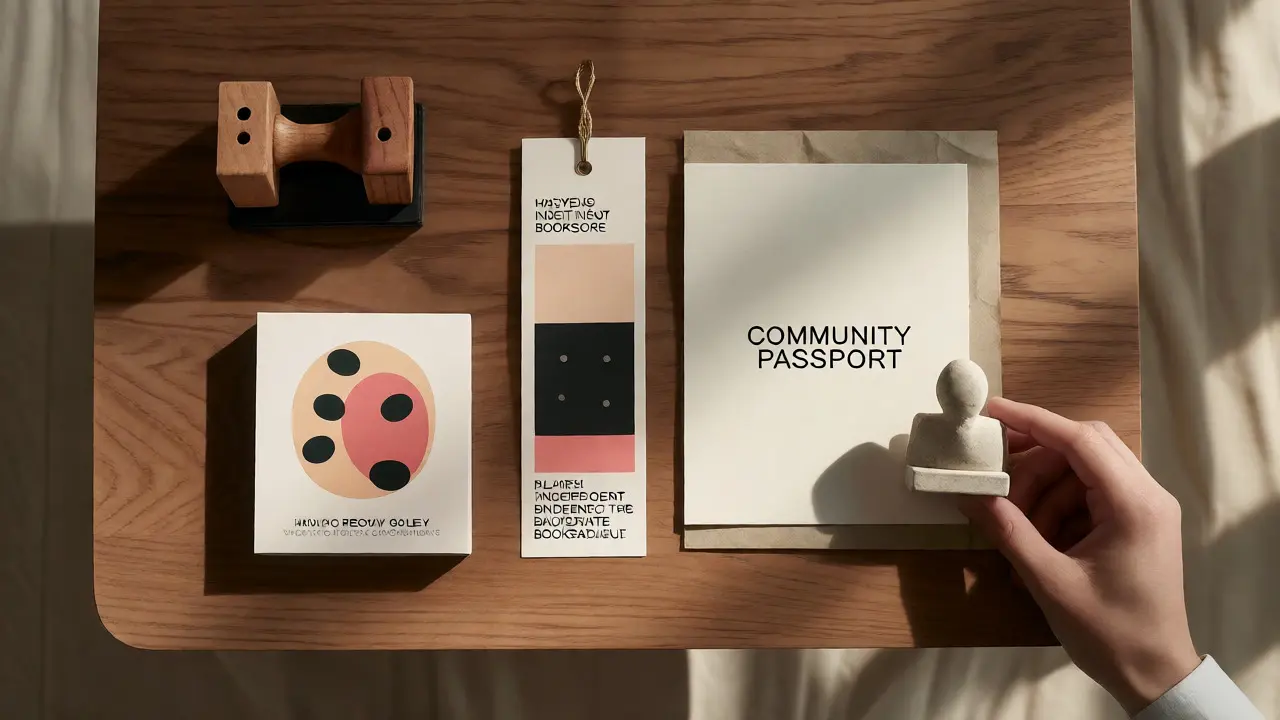
Create a physical or digital passport. Customers collect stamps from three partner locations (e.g., a cafe, a bookstore, and your gallery) to unlock a perk. For the gallery, the perk could be a private viewing hour or a 10% discount on prints. For the partners, it drives traffic to their location because customers must visit all three spots. This turns a one-off visit into a multi-stop event.
Curated Shelf Collaborations
Ask a partner to dedicate a shelf or corner to your artists. A wine bar could display small sculptures next to their bottles. A clothing boutique could hang framed photography in their fitting rooms. Crucially, include a QR code that leads directly to the artist’s portfolio or your online shop. This keeps the conversation going after the customer leaves the physical space.
Joint Events
Stop hosting openings only for other artists. Host a "Wine and Watercolor" night with a local sommelier. Host a "Reading and Relief" event with a poetry collective. The partner brings their audience; you provide the venue and the visual anchor. Split the costs for catering or marketing. This lowers the risk for both parties while doubling the potential attendance.
Content Swaps
Agree to feature each other on social media once a month. Not a repost, but a genuine story. Have the bakery owner explain why they chose a specific painting for their wall. Have your curator explain which song inspired the current exhibition, recommending a track from a local record store partner. Authenticity sells better than advertising.
Structuring the Partnership Agreement
Friendship doesn’t scale; agreements do. You don’t need a lawyer for every handshake deal, but you do need clarity. Ambiguity breeds resentment. Before launching any campaign, define these four elements:
- Goals: What does success look like? Is it 50 new email signups? Five print sales? Ten Instagram follows? Set a number.
- Assets: Who provides what? Will you provide the artwork frames? Will they provide the table space? Be explicit.
- Timeline: How long does the promotion run? Two weeks? One month? Indefinite? Set an end date to prevent clutter.
- Tracking: How will you measure results? Use unique promo codes (e.g., "CAFE10") or dedicated landing pages. If you can’t track it, you can’t improve it.
Keep it simple. A one-page memo signed by both owners is sufficient for most local collaborations. It signals professionalism and ensures both sides take the commitment seriously.

Measuring ROI and Iterating
After the first month, sit down with your data. Did the wine bar bring in buyers, or just browsers? Did the bookstore partnership result in sales, or just likes?
Here is a comparison of common partnership types and their typical outcomes for galleries:
| Partner Type | Audience Quality | Conversion Rate | Ease of Setup |
|---|---|---|---|
| Cafes/Bakeries | High Volume, Low Intent | Low (Impression-based) | Very High |
| Boutique Hotels | Medium Volume, High Intent | Medium-High | Medium |
| Fashion Boutiques | Medium Volume, High Spend | High | Medium |
| Real Estate Agents | Low Volume, Very High Spend | Very High | Low |
Notice that Real Estate Agents have the lowest ease of setup but potentially the highest return. Why? Because when someone buys a house, they need art. Pitch yourself to local agents as a staging resource. Offer them a commission if their client buys a piece. It’s a direct sales channel.
If a partnership isn’t working, cut it gracefully. Thank them, remove the materials, and try a different angle. Maybe the coffee shop was too busy for people to notice the art. Try a quiet yoga studio instead. Experimentation is key.
Pitfalls to Avoid in Community Collaborations
I’ve seen galleries burn bridges by being transactional rather than relational. If you treat your partners solely as billboards, they’ll sense it. Attend their events. Buy their products. Write positive reviews. Make the relationship two-way before you ask for anything.
Another common mistake is inconsistent branding. If your gallery is sleek and modern, but you put up a poorly printed flyer on a corkboard, you dilute your brand equity. Invest in high-quality collateral. If you can’t afford custom prints, use clean, professional templates. Visual consistency matters more than volume.
Finally, don’t ignore the digital footprint. Ensure your partners tag you correctly on social media. Check their captions. If they misspell your gallery’s name or link to the wrong page, gently correct them. Small details signal attention to quality-a trait collectors expect.
How many partners should a small gallery start with?
Start with three. This number is manageable to track and maintain relationships with, yet large enough to create a network effect. Once you establish a rhythm with three, you can expand to five or six. Scaling too quickly often leads to neglected partnerships.
Do I need to pay my partners for promoting my gallery?
Usually, no. Most local businesses prefer non-monetary exchanges, such as offering them exclusive access to exhibitions, discounts on art purchases, or featuring their products in your gallery events. However, for high-volume placements (like permanent installations in a hotel lobby), a revenue-share model or a small rental fee might be appropriate. Always discuss expectations upfront.
What if a partner goes out of business?
This happens frequently in local economies. Keep your agreement flexible regarding termination. If a partner closes, retrieve your assets immediately to avoid confusion. Use the opportunity to reassess whether that type of business was actually effective for your goals. Often, losing a weak partner frees up energy for stronger ones.
How do I approach a business that seems too big for me?
Don’t pitch "partnership" initially. Pitch value. Walk into a large boutique with a specific idea: "I think this specific artist’s work would complement your autumn collection perfectly. Can I leave three pieces for a week? No strings attached." Prove your concept works on a micro-scale. If it generates buzz or sales, they’ll be open to a formal arrangement.
Can online-only galleries benefit from physical partnerships?
Absolutely. Online galleries lack tactile experience. Partnering with a physical space (like a co-working lounge or a hotel lobby) allows potential buyers to see and touch the art. Use these locations as "showrooms" where customers can scan a QR code to purchase online. This hybrid model builds trust that pure e-commerce often struggles to achieve.