Community Integration: How Galleries Build Neighborhood Relationships
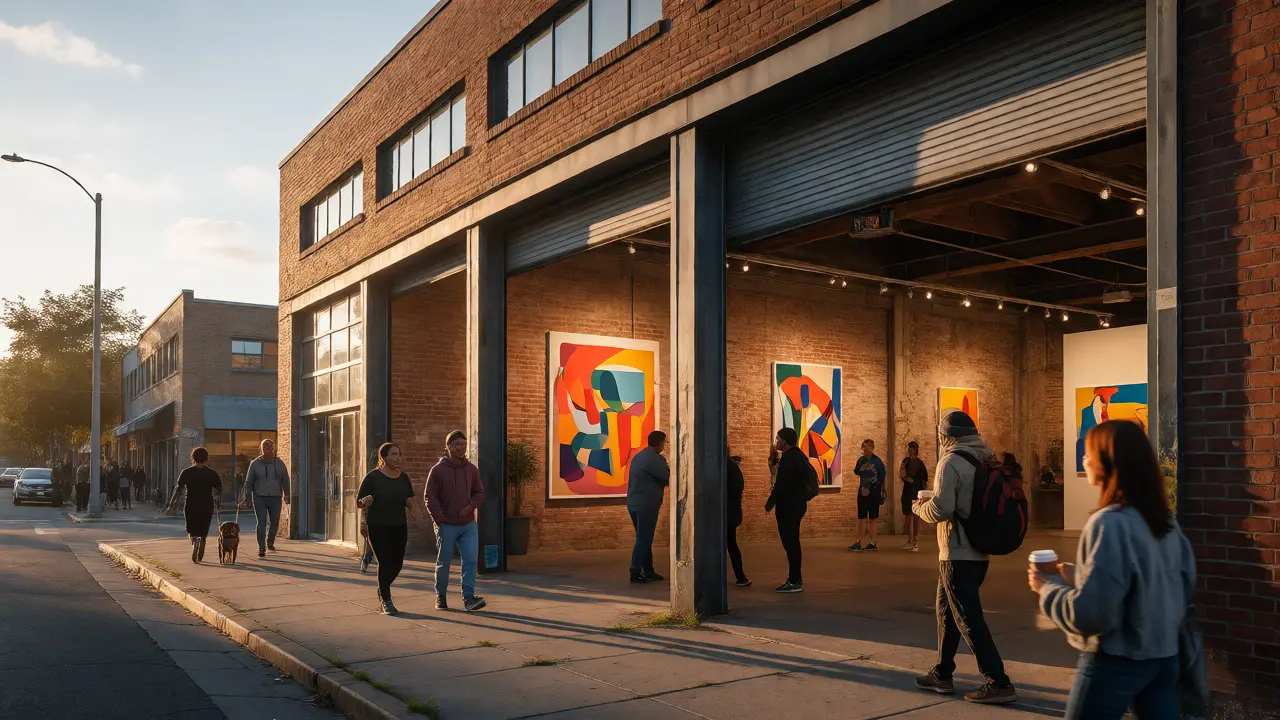
You open a gallery. You pick the perfect spot-maybe a converted warehouse in Portland’s Central Eastside or a storefront in Brooklyn’s Bushwick. The rent is reasonable, the light is good, and you have a solid roster of artists. Then six months pass, and you realize something terrifying: your neighbors don’t know you exist. They walk past your window every day to grab coffee, but they never come in. You’re invisible.
This isn’t just an annoyance; it’s a business risk. In gallery real estate, location is everything, but context is survival. A gallery doesn’t operate in a vacuum. It exists within a living, breathing ecosystem of residents, local businesses, and city planners. If you ignore that ecosystem, you’re fighting for attention alone. If you integrate, you build a fortress of support that can weather economic downturns and shifting art trends.
The Myth of the Ivory Tower
For decades, the traditional model of art galleries positioned themselves as exclusive sanctuaries. Think white walls, hushed tones, and velvet ropes. This approach worked when art was primarily a luxury commodity for a small elite. But today’s market has shifted. Collectors are younger, more diverse, and often local. They want authenticity. They want connection. They don’t want to feel like intruders in their own neighborhood.
Community integration is the strategic process of embedding a gallery into the social and economic fabric of its surrounding area. It’s not about lowering standards or turning your space into a café (though some do both). It’s about becoming a useful neighbor. When a gallery is integrated, it stops being a mystery box and starts being a landmark. Residents see it as part of their identity. Local businesses refer clients to you. City officials view you as a cultural asset rather than a noise nuisance.
Why Physical Presence Still Matters in a Digital World
You might ask, "Why bother with physical relationships when I can sell art on Instagram?" That’s a fair question. Online sales are convenient, but they lack friction-and friction creates value. When someone walks into your space, they spend time with the work. They talk to staff. They meet other visitors. These interactions create emotional stakes. A digital follower might scroll past a painting in two seconds. A neighbor who attends your opening night remembers your name for years.
Consider the economics. Acquiring a new online customer costs money in ads and data tracking. Retaining a local neighbor costs almost nothing once the relationship is built. Word-of-mouth within a three-block radius is powerful. If Mrs. Higgins down the street loves your latest exhibition, she tells her book club. Her book club tells their spouses. Suddenly, you have a steady stream of foot traffic that didn’t cost you a dime in ad spend. This is the hidden ROI of community integration.
Strategies for Building Genuine Connections
So, how do you actually do this without feeling forced? Here are four concrete strategies that work in real-world scenarios.
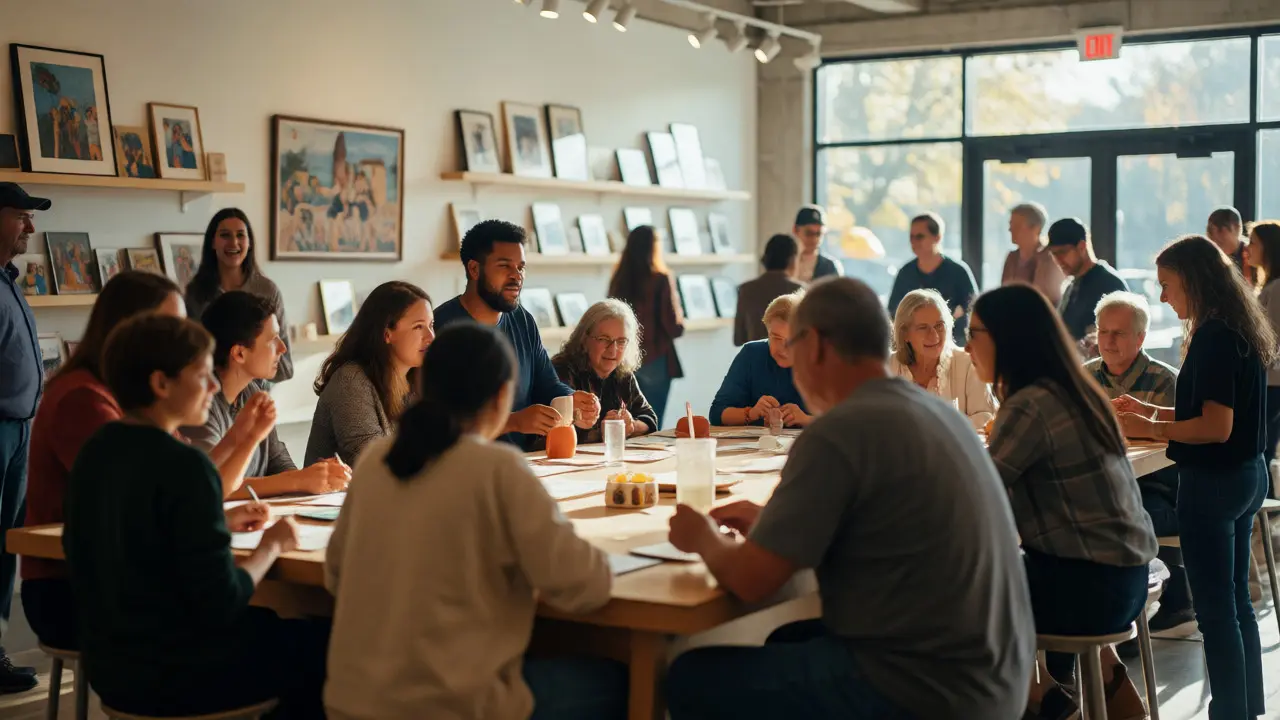
- Host Neighborhood-First Events: Don’t just wait for openings. Host workshops, lectures, or casual mixers specifically targeted at locals. Make them free or low-cost. For example, if you’re near a school district, host a teen art workshop on Saturday mornings. If you’re near a tech hub, offer a "Art for Engineers" talk series. Tailor the content to who lives around you.
- Collaborate with Local Businesses: Partner with nearby cafes, boutiques, or co-working spaces. Offer to display their products in your gallery window in exchange for flyers on their counters. Cross-promotion expands your reach instantly. A local bakery might sponsor your opening night refreshments, gaining exposure to your collector base while providing you with high-quality food at a discount.
- Open Your Doors During Off-Hours: Traditional gallery hours (10 AM - 6 PM) exclude working people. Consider extending hours on Thursday evenings or hosting early morning yoga classes in the main hall. By making your space accessible when people are actually free, you remove barriers to entry.
- Engage in Civic Dialogue: Attend local chamber of commerce meetings or neighborhood association gatherings. Introduce yourself not just as a business owner, but as a stakeholder. Listen to concerns about gentrification or traffic. Show that you care about the neighborhood’s well-being, not just your bottom line.
Navigating the Gentrification Tension
We need to address the elephant in the room: galleries are often seen as harbingers of gentrification. When a gallery moves in, rents rise, and long-time residents may feel displaced. Ignoring this dynamic is a mistake. Modern community integration requires acknowledging your role in urban change.
Be transparent. If you’re raising rents in the building, communicate why. Support affordable housing initiatives in your area. Hire locally. Source materials from nearby suppliers. Show that your success contributes to the local economy, not just extracts from it. Some galleries now dedicate a portion of their space to community-led projects or rotating exhibitions by local amateur artists. This signals humility and respect. It says, "We are guests here, and we want to contribute."
| Strategy | Effort Level | Impact on Foot Traffic | Long-Term Value |
|---|---|---|---|
| Social Media Ads | Low | Medium (Online) | Low (Transactional) |
| Local Business Partnerships | Medium | High (Referral) | High (Network Effect) |
| Community Workshops | High | Medium (Direct) | Very High (Loyalty) |
| Civic Participation | Medium | Low (Immediate) | High (Reputation) |
Measuring Success Beyond Sales
How do you know if your integration efforts are working? Sales figures are lagging indicators. By the time sales drop, the community connection is already broken. Look at leading indicators instead.
Track repeat visits from non-collectors. Are people coming back just to look? Count the number of local partnerships active at any given time. Monitor mentions in local neighborhood blogs or Nextdoor posts. Ask attendees at events, "How did you hear about us?" If the answer is "My neighbor told me," you’re winning. If everyone says "Instagram," you’re still isolated.
Also, watch for organic advocacy. Do locals defend your gallery when there’s a dispute with a landlord or a zoning issue? Do they attend your events even when it’s raining? These behaviors signal deep-rooted belonging. They transform customers into ambassadors.
The Role of Architecture and Design
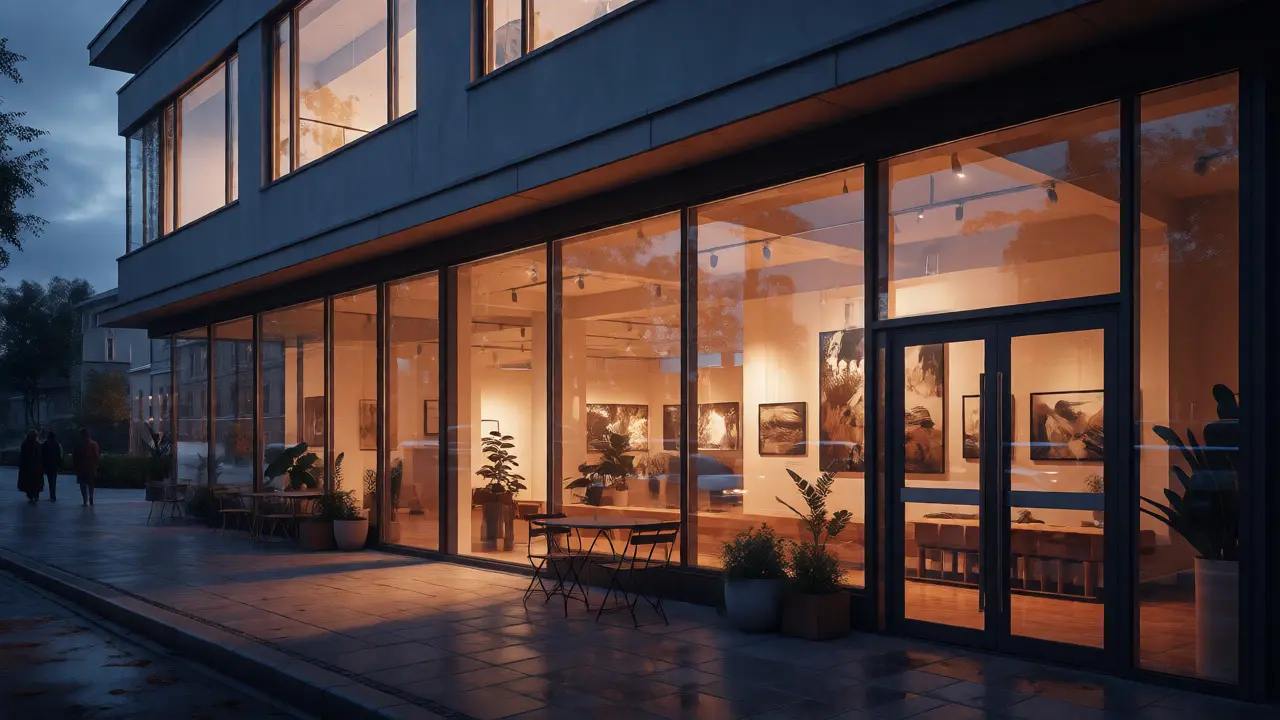
Your physical design plays a huge role in integration. A facade that is too imposing keeps people out. Large windows invite curiosity. Seating outside encourages lingering. Lighting that spills onto the sidewalk makes the space feel safe and welcoming at night.
In Portland, for instance, many successful galleries use industrial elements-exposed brick, large garage doors-that blend with the neighborhood’s history while signaling openness. Contrast this with a sleek, glass-box gallery in a historic district; it might feel alienating unless carefully contextualized. Design should bridge the gap between the art inside and the street outside.
Future-Proofing Through Community
The art market is volatile. Trends shift. Collectors disappear. But neighborhoods endure. A gallery deeply embedded in its community has resilience. It survives because it serves a purpose beyond selling objects. It becomes a cultural anchor. People rely on it for inspiration, education, and social gathering.
If you’re looking at gallery real estate options right now, don’t just look at square footage and lease terms. Talk to the shop owners next door. Walk the streets at different times of day. See if there’s a pulse. A vibrant neighborhood provides free energy. A dead one drains yours. Choose wisely, and then invest heavily in the human connections that make the location worth having.
Does community integration reduce the perceived exclusivity of a gallery?
Not necessarily. Exclusivity can be maintained through curation and service quality, while accessibility is achieved through programming and atmosphere. Many high-end galleries successfully balance prestige with approachability by offering distinct tiers of engagement, such as VIP previews for collectors and open studios for the public.
How much time should I allocate to community building activities?
Start with 5-10% of your operational time. This includes attending local meetings, coordinating with partners, and planning events. As your network grows, this percentage may decrease slightly as relationships become self-sustaining, but consistency is key. Sporadic effort yields sporadic results.
What if my neighborhood is resistant to new businesses?
Resistance often stems from fear of change or displacement. Address this by listening first. Hold informal conversations rather than formal presentations. Highlight how your presence adds value (e.g., safety, vibrancy, jobs) without displacing existing culture. Patience and genuine interest go a long way in skeptical communities.
Can online galleries benefit from local community integration?
Yes, especially if they have a physical pop-up or studio space. Even purely online entities can leverage local branding by sourcing packaging from local artisans or sponsoring neighborhood clean-ups. However, physical presence amplifies the impact significantly by allowing face-to-face interaction.
How do I handle noise complaints from neighbors?
Proactive communication is best. Invite neighbors to preview events so they know what to expect. Soundproofing investments pay off quickly. Also, consider limiting amplified music during late-night hours or using directional speakers. Showing respect for their peace builds goodwill that outweighs occasional minor disruptions.