Commercial Real Estate for Art Galleries: Finding the Perfect Space
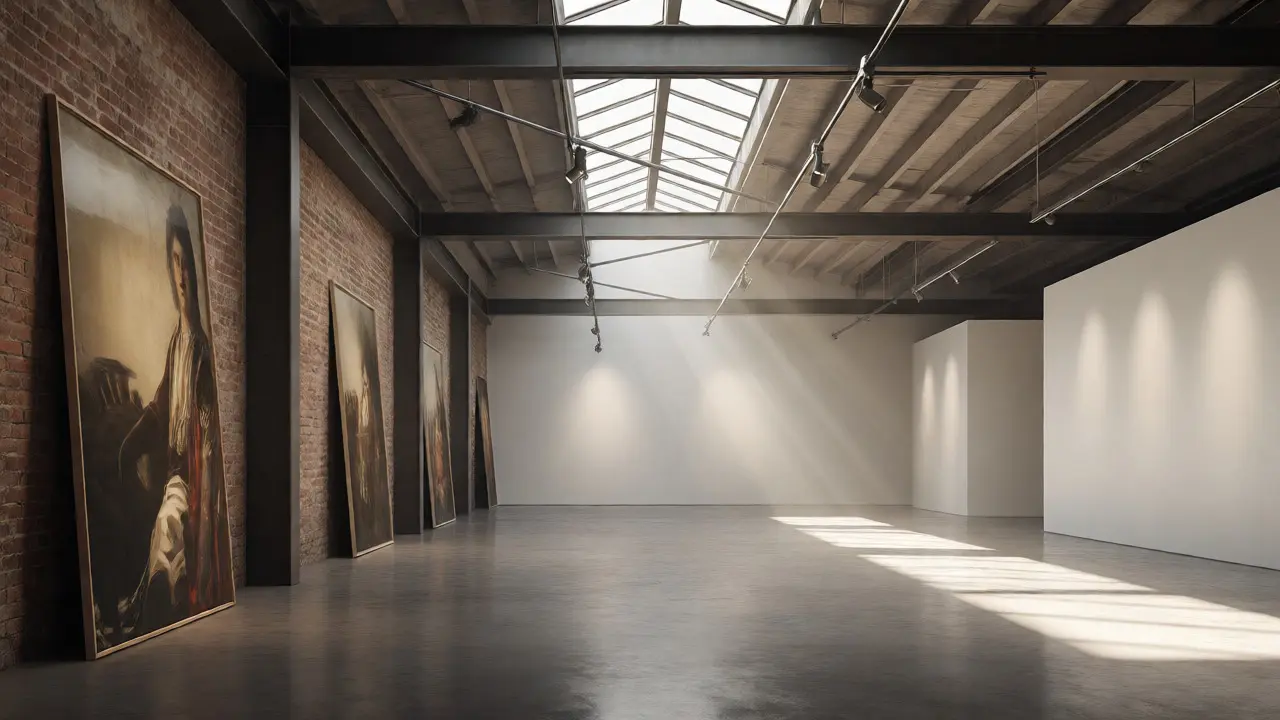
You just signed with a new artist. The paintings are ready. The press release is drafted. But where exactly are you going to hang them? If you think any empty storefront will do, you’re about to make a six-figure mistake. Commercial real estate for art galleries isn't just about square footage; it's a complex puzzle of lighting, load-bearing walls, and legal zoning that can make or break your business before you sell a single print.
Most people assume finding a gallery space is like finding an apartment: you look at photos, check the rent, and sign the lease. Wrong. A gallery is a hybrid creature-it’s part retail store, part museum, part warehouse, and part social club. Your landlord might love the aesthetic but hate the traffic patterns. Your city might love the culture but hate the noise. This guide breaks down exactly what you need to look for, how to negotiate, and which spaces actually work in today’s market.
The Physical Demands of Displaying Art
Let’s start with the basics, because this is where most first-time gallery owners get burned. You aren’t just storing inventory; you’re displaying fragile, high-value objects that require specific environmental conditions. Standard office buildings rarely cut it here.
Lighting is the first major hurdle. Natural light sounds romantic, but direct sunlight is UV radiation’s best friend and your artwork’s worst enemy. It fades pigments and warps wood frames within months. You need spaces with controlled exposure-think north-facing windows (in the Northern Hemisphere) or heavy-duty UV-filtering glass. More importantly, you need a ceiling structure capable of supporting track lighting systems. Can the drywall hold the weight of professional fixtures? Or will you need to install steel beams? That’s a $5,000 to $15,000 renovation cost if you didn’t plan for it.
Then there’s wall integrity. Drywall nails won’t hold a 50-pound mixed-media piece securely. You want spaces with solid plaster, brick, or concrete block walls. If you’re leasing a shell, ask explicitly about anchor points. If the landlord says "we'll let you drill," get that in writing. Many leases prohibit permanent alterations, which means you’ll be stuck using adhesive strips that fail under weight, leading to fallen art and angry collectors.
Climate control is non-negotiable. Paper, canvas, and wood expand and contract with humidity changes. If your HVAC system swings wildly between day and night, your artworks will crack. Look for buildings with dedicated HVAC zones or older buildings with thick masonry walls that naturally buffer temperature shifts. In Portland, where I live, the damp winters mean mold risk is real. Ensure the building has proper vapor barriers and no history of water intrusion.
Zoning Laws and Permitted Uses
You found a gorgeous loft in a trendy district. The rent is reasonable. The vibe is perfect. Then you call the city planning department and find out you can’t legally run a retail business there. Welcome to the world of zoning codes.
Galleries often fall into a gray area. Are they retail? Arts and entertainment? Assembly? Most cities have specific use codes for each. If your space is zoned strictly residential or office, you might not be allowed to have customers walking in off the street. You might be limited to "by appointment only" sales, which kills foot traffic and impulse buys.
Before signing anything, pull the property’s Certificate of Occupancy (CO). Check the permitted uses. If it doesn’t say "Retail Sales" or "Art Gallery," you need a variance or a conditional use permit. This process can take three to six months and costs thousands in fees. Don’t let a broker tell you "it’s easy to change." In dense urban areas like New York or San Francisco, changing zoning is nearly impossible without community board approval.
| Zoning Type | Typical Restrictions | Suitability for Galleries |
|---|---|---|
| Retail (C-1/C-2) | High foot traffic, signage limits | Excellent for high-volume sales |
| Industrial (M-1/M-2) | No public access, loading dock required | Good for studios, poor for retail |
| Mixed Use | Varies by floor, noise ordinances | Great for urban integration |
| Residential | Home occupation permits only | Poor for commercial operations |
Retail vs. Industrial Spaces: The Trade-Offs
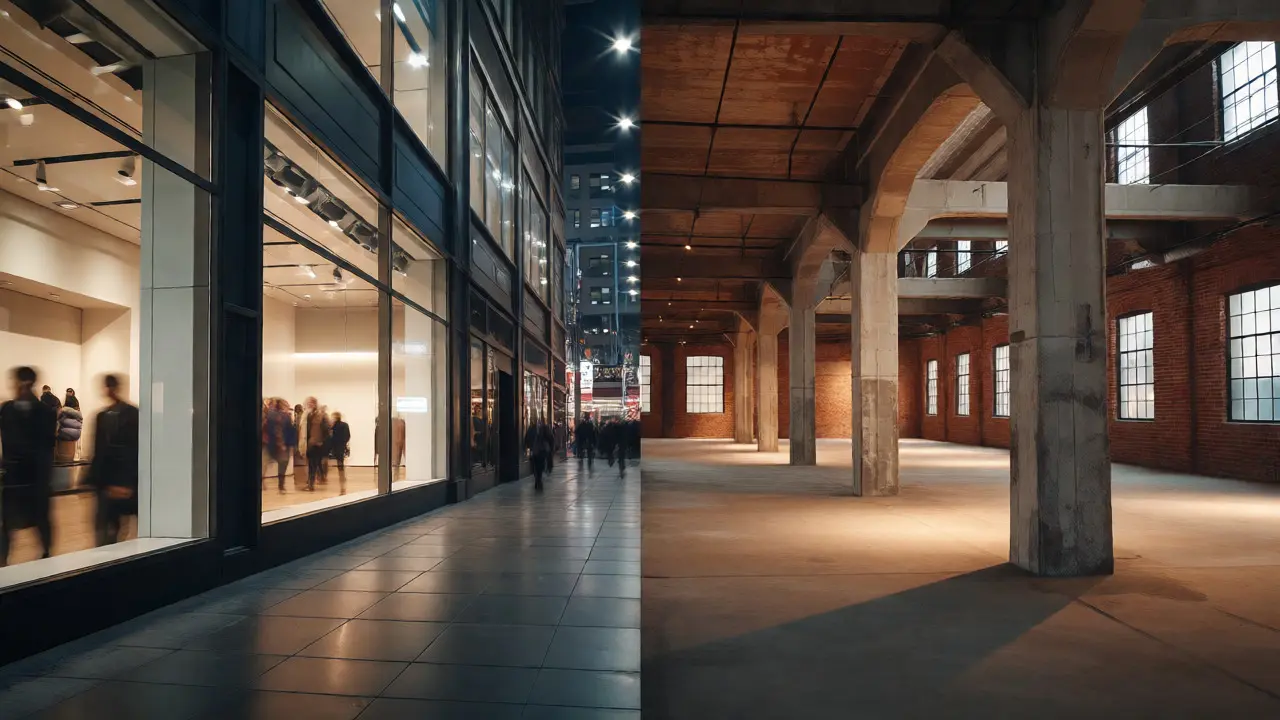
This is the biggest decision you’ll face. Do you pay a premium for visibility in a shopping district, or do you save money in a converted warehouse?
Retail spaces in high-traffic areas offer built-in customer flow. People are already walking by. They see your window display. They walk in on a whim. This is crucial for selling lower-priced prints, jewelry, or emerging artists. However, retail rents are skyrocketing. In many major cities, prime retail space costs two to three times more than industrial space per square foot. Plus, retail leases often come with strict hours of operation and CAM (Common Area Maintenance) charges that include security and cleaning for shared lobbies.
Industrial spaces, particularly converted lofts or warehouses, offer massive ceilings, open floors, and character. Exposed brick and concrete floors are trendy and cheap to maintain. You get more square footage for your dollar. But you lose organic foot traffic. You become a destination. Customers must know you exist and plan to visit. This works well for established galleries with a strong online presence or collector base. It fails miserably for startups trying to build brand awareness from scratch.
Consider the "hybrid" model. Some neighborhoods allow ground-floor retail with upper-floor studio space. This lets you capture street-level attention while keeping your operational costs down by housing your storage and framing shop upstairs. This configuration is highly desirable and often commands a higher resale value if you ever decide to flip the lease.
Negotiating the Lease: Hidden Costs
A low monthly rent is misleading if the hidden costs eat your margin. Commercial leases are rarely "all-inclusive." You need to understand who pays for what.
Triple Net Leases (NNN) are common in commercial real estate. This means you pay rent plus your share of property taxes, insurance, and maintenance. For a gallery, maintenance can be tricky. Who fixes the roof when it leaks onto your artwork? Who maintains the parking lot? Clarify these responsibilities upfront. In some cases, landlords push all maintenance onto tenants, including structural repairs. That’s a red flag.
Look closely at the "improvement allowance." Landlords often offer a credit to help you customize the space. But this credit usually comes with strings attached. They might require you to use their approved contractor, who charges inflated rates. Or they might give you $20 per square foot, which barely covers painting and carpet removal. Negotiate for a higher allowance or a longer rent abatement period (free rent) during construction. Three to six months of free rent is standard for significant renovations.
Also, check the exclusivity clause. Does the lease prevent other art-related businesses from opening in the same building or nearby? If you’re the only gallery in a plaza, that’s great. If another gallery opens next door and steals your clients, you might wish you had protection. Conversely, being near other cultural institutions can drive traffic. Being isolated can hurt you.
Location Strategy: Where Buyers Actually Go
There’s a myth that galleries must be in the "arts district." Not true anymore. While districts like Chelsea in NYC or the Pearl District in Portland still matter, digital marketing has changed the game. Collectors now discover artists on Instagram and visit studios by appointment. This means you don’t always need the most expensive corner spot.
However, proximity matters for credibility. Being near museums, auction houses, or other respected galleries signals quality. It creates a "cluster effect." When buyers go out to see art, they hit multiple stops in one trip. If you’re ten miles away from the nearest gallery, you’re asking them to make a special trip. That’s a harder sell.
Consider accessibility. Is there parking? Public transit? Bike racks? If your target audience includes older collectors, they likely drive. Lack of parking can kill sales. If you’re targeting younger, urban professionals, walkability and coffee shops nearby matter more. Analyze your demographic. Match the location to the buyer’s lifestyle, not just the art’s price point.
Infrastructure and Logistics
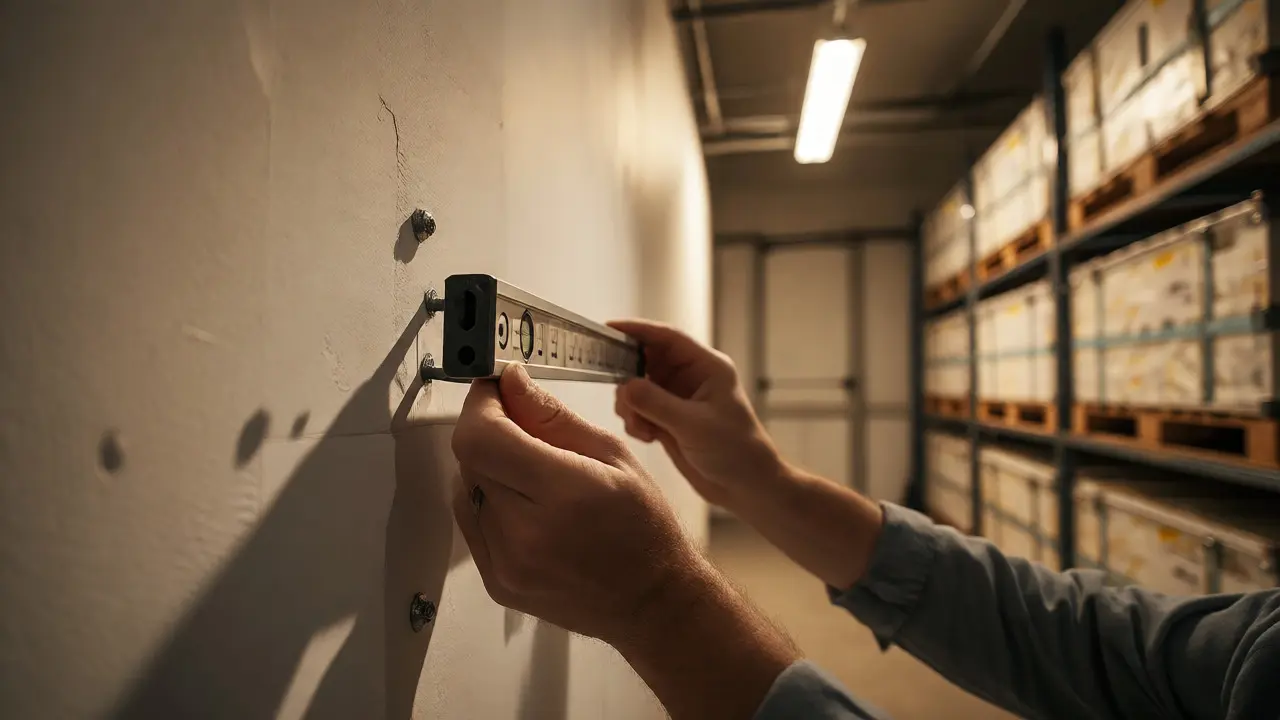
Finally, think about the unglamorous side: shipping and storage. Art is bulky and awkward. You need freight elevator access. If your gallery is on the third floor of a historic building with a tiny passenger elevator, moving a large sculpture becomes a nightmare. You might need to hoist pieces through the window, which requires permits and specialized rigging crews.
Storage is another critical factor. You can’t display everything. You need secure, climate-controlled storage on-site or very close by. Renting off-site storage adds logistical friction. Every time you want to swap a show, you’re paying movers and risking damage in transit. On-site storage allows for quick rotations and better inventory management.
Security is paramount. High-value art attracts theft. Look for spaces with existing alarm systems, motion sensors, and camera infrastructure. Upgrading security in an old building can be costly due to wiring challenges. Also, consider insurance. Standard commercial liability policies often exclude fine art. You’ll need a separate policy covering transit, display, and storage. Confirm your landlord’s insurance covers the building structure, not your contents.
Frequently Asked Questions
Can I operate an art gallery in a residential zone?
It depends on local laws, but generally, yes, with restrictions. Many cities allow "home occupation" permits for small galleries, but they limit signage, employee count, and customer visits. You typically cannot have frequent public traffic or delivery trucks. For a serious commercial operation, residential zoning is usually insufficient unless you convert the property, which requires rezoning.
What is the average size needed for a starting gallery?
A viable starting gallery typically ranges from 800 to 1,500 square feet. This allows space for 15-20 large works, a reception area, and minimal storage. Anything smaller feels cramped and discourages browsing; anything larger increases overhead significantly without guaranteeing more sales. Start small and expand as your collector base grows.
How much does it cost to outfit a gallery space?
Outfitting costs vary widely based on condition, but budget $50 to $100 per square foot for basic renovations. This includes painting, lighting installation, flooring refinishing, and security systems. High-end finishes, custom millwork, and advanced climate control can push this to $150+ per square foot. Always keep a 20% contingency fund for unexpected structural issues.
Do I need a freight elevator for my gallery?
If you plan to handle large sculptures or oversized canvases regularly, yes. Passenger elevators are often too small and fragile for art crates. Without a freight elevator, you’ll rely on stairwells or external hoists, which increase shipping costs and damage risks. For small works on paper, a passenger elevator may suffice, but check the weight and dimension limits first.
Is natural light good for an art gallery?
Controlled natural light is excellent for ambiance and energy savings, but direct sunlight is harmful. UV rays fade colors and degrade materials. Use UV-filtering film on windows and motorized blinds to manage intensity. North-facing light is ideal because it’s consistent and indirect. South and west-facing windows require heavy shading solutions to protect artwork.