Certificates of Authenticity for Art: Reliability, Limits, and How to Verify
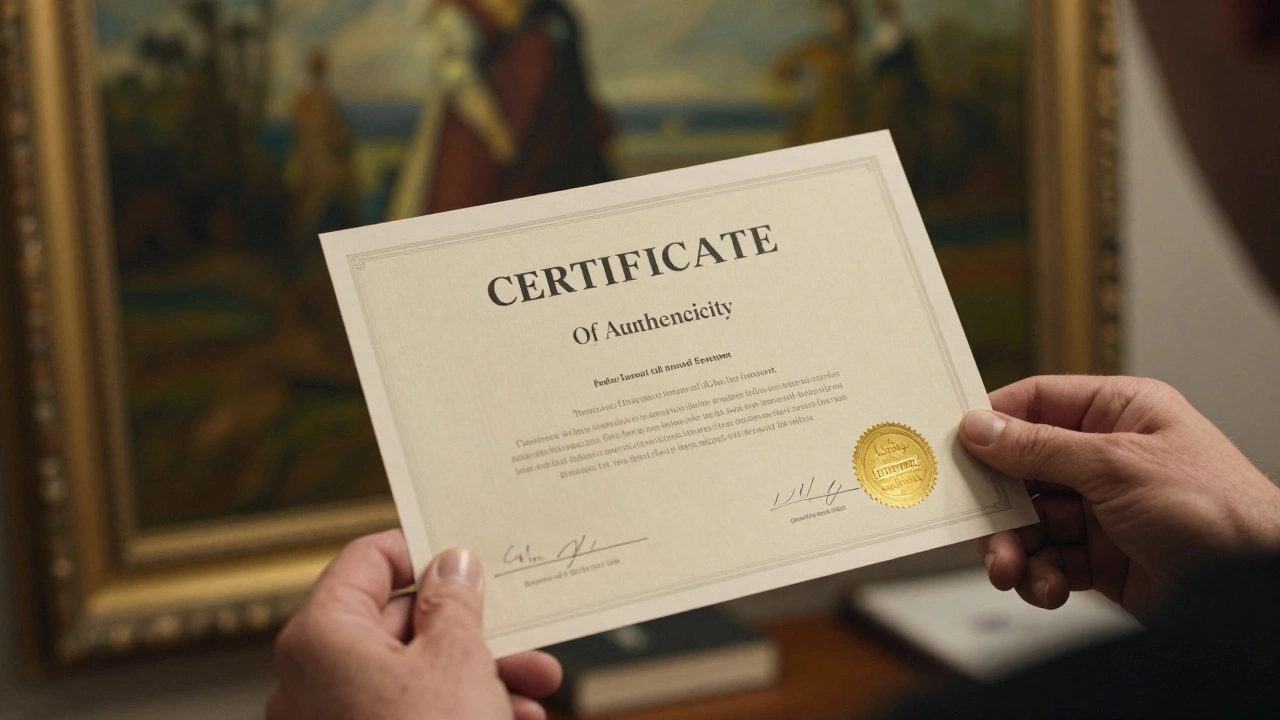
You just found a stunning painting at an estate sale. It looks like the real deal. The seller hands you a crisp piece of paper with a gold seal that says Certificate of Authenticity is a document verifying the origin and genuineness of an artwork.. Your heart races. You think you’ve struck gold. But before you hand over your credit card, stop. That paper might be worth more than the painting itself-or it might be nothing but expensive stationery.
In the world of art collecting, a Certificate of Authenticity (COA) is supposed to be the ultimate trust signal. It’s meant to tell you, “Yes, this was made by the artist you think it was.” But here’s the hard truth: a COA is only as reliable as the person who signed it. And in many cases, that person has a very strong financial incentive to lie.
The Anatomy of a Legitimate COA
Not all certificates are created equal. A high-quality COA isn’t just a statement; it’s a detailed record. When you look at a genuine certificate from a reputable source, it includes specific data points that link the artwork to its creator.
- Artist Information: Full name, birth/death dates, and sometimes biographical details.
- Work Details: Title, date of creation, medium (oil on canvas, acrylic, etc.), and dimensions.
- Provenance Chain: A history of ownership, listing previous owners or galleries.
- Issuer Credentials: The name and contact information of the authenticator, which could be the artist, their estate, or a recognized foundation.
- Unique Identifiers: Serial numbers, holograms, or QR codes that can be cross-referenced with a database.
If the certificate is vague-if it says “Authentic Work” without specifying the medium or date-be skeptical. Specificity is the hallmark of legitimacy. Vague language is often used to cover up uncertainty or fraud.
Who Can Issue a COA? The Hierarchy of Trust
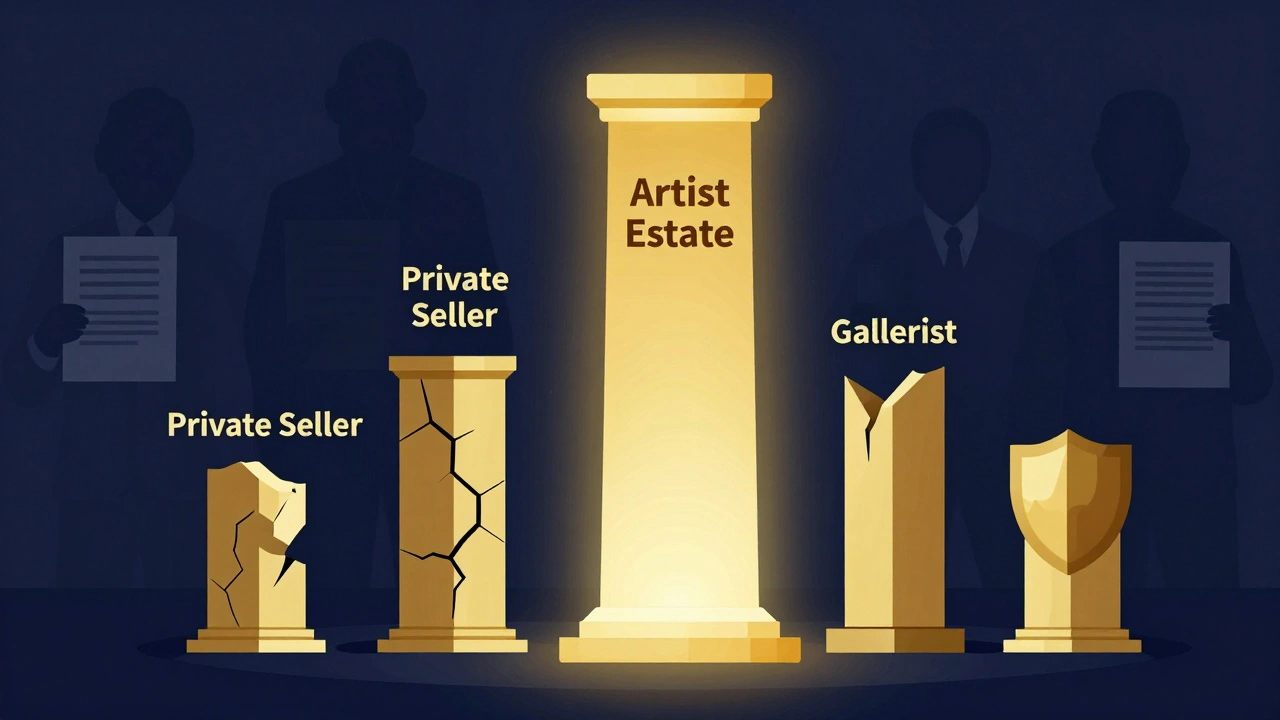
This is where things get tricky. There is no single global authority that regulates who can issue these documents. The reliability of a COA depends entirely on who signed it. Think of it as a hierarchy of trust.
| Issuer Type | Reliability Level | Risk Factors |
|---|---|---|
| Living Artist | High | Artist may sell multiple versions or change their mind later. |
| Artist Estate/Foundation | Very High | Estate administrators may have conflicts of interest or lack expertise. |
| Recognized Expert/Scholar | High | Experts can make mistakes; opinions can vary between scholars. |
| Gallerist/Dealer | Moderate | Financial conflict of interest; reputation varies wildly. |
| Previous Owner/Private Seller | Low | No expertise; high potential for fraud or honest error. |
A COA from a living artist is generally trustworthy, but even then, artists have been known to create “studio works” or assistees’ pieces that they sign off on, blurring the line between original and copy. A COA from a private seller who bought the piece at a flea market carries almost no weight unless backed by expert analysis.
The Dark Side: Forgery and Fraud
The art market is estimated to be worth hundreds of billions of dollars annually. With that much money flowing through unregulated channels, fraud is inevitable. Counterfeiters don’t just fake the art; they fake the paperwork too.
One common scam involves creating a fake COA that mimics the style of a legitimate foundation. Forgers study the letterhead, font, and signature of a real estate office and replicate it perfectly. They then attach this fake certificate to a reproduction. To the untrained eye, it looks legit. Even some dealers fall for it if they aren’t doing due diligence.
Another tactic is the “self-certification” loophole. An artist might sign a COA for a work they didn’t actually paint, perhaps because they were paid to do so, or because they’re trying to boost the value of a piece they sold years ago. Without independent verification, there’s no way to know.
Technological Solutions: Blockchain and Digital Provenance
Technology is starting to change the game. Traditional paper COAs are easy to lose, damage, or forge. Newer systems use digital ledgers to create tamper-proof records.
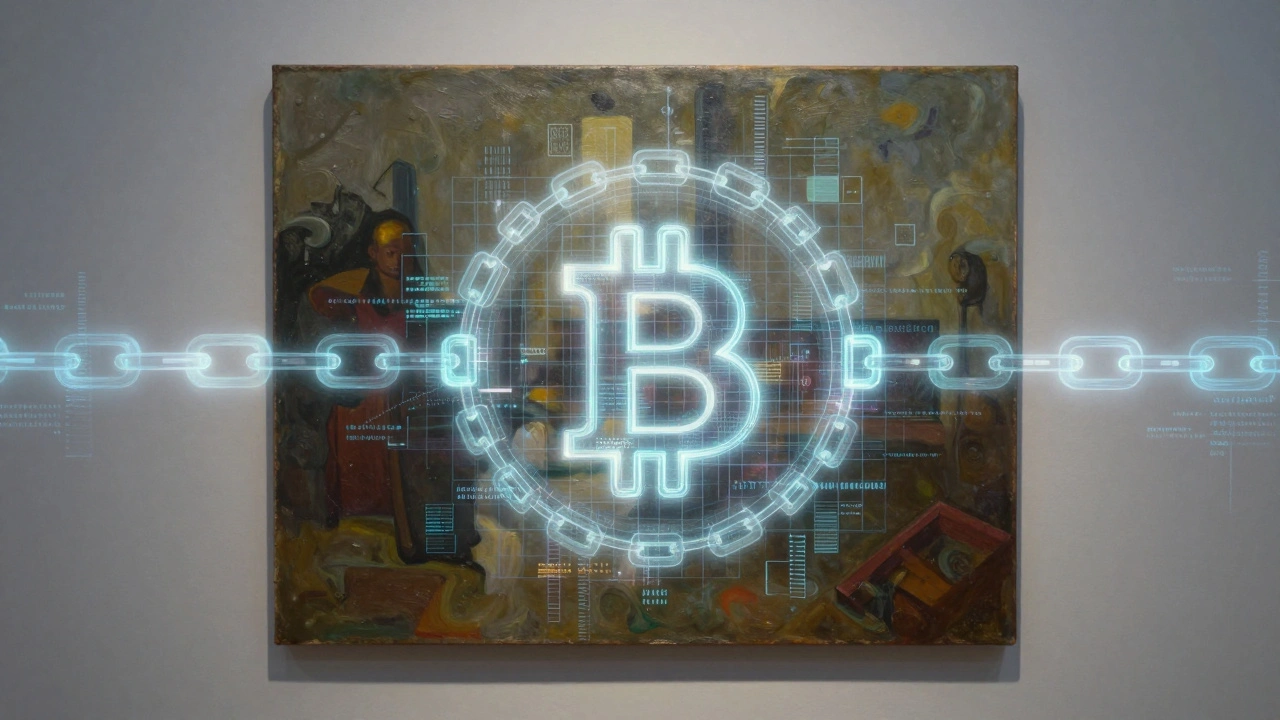
Blockchain technology is a decentralized digital ledger that records transactions securely and transparently. In the art world, this means every time a piece changes hands, the transaction is recorded on a blockchain. This creates an immutable chain of custody. Some platforms now issue digital twins or NFTs (Non-Fungible Tokens) linked to physical artworks, providing a verifiable proof of ownership and authenticity.
While not yet universal, this shift toward digital provenance is reducing reliance on paper certificates. If you’re buying contemporary art, ask if the piece comes with a digital record. It’s a stronger safeguard than a printed sheet of paper.
How to Verify a COA Before You Buy
Don’t take a certificate at face value. Treat it as one piece of evidence, not the final verdict. Here’s a practical checklist to protect yourself:
- Contact the Issuer Directly: Find the official phone number or email for the artist’s estate or foundation from their website-not the contact info on the COA itself. Call them and provide the serial number or details of the work.
- Check for Consistency: Does the description on the COA match the artwork? Check the dimensions, medium, and title. Discrepancies are red flags.
- Research the Expert: If the COA is signed by an independent scholar, look up their credentials. Have they published on this artist? Are they recognized by major museums?
- Look for Red Flags: Poor grammar, misspellings, or low-quality printing on the certificate suggest a fake. Legitimate estates invest in professional documentation.
- Get a Second Opinion: For high-value purchases, hire an independent art appraiser or conservator. They can examine the materials and techniques used to see if they match the artist’s known period.
When a COA Is Not Enough
Sometimes, the artwork itself tells the truth. A COA can be forged, but the physical properties of the painting are harder to fake. Paint chemistry, canvas weave, and brushstroke patterns leave forensic traces.
For example, if a COA claims a painting was made in 1950, but scientific testing reveals the presence of titanium white pigment-which wasn’t widely available until the 1920s but had specific chemical compositions that changed over time-an expert might spot inconsistencies. Similarly, ultraviolet light can reveal modern varnishes on supposedly old paintings.
Physical examination should always accompany documentary evidence. Never rely solely on the paper trail.
The Role of Auction Houses
If you’re buying through a major auction house like Christie’s or Sotheby’s, the level of scrutiny is higher. These institutions have dedicated departments of experts who examine lots before they go to auction. Their catalogs serve as a form of authentication.
However, even auction houses make mistakes. They often include disclaimers stating that attributions are based on current knowledge and can be revised. If a work is later proven to be a forgery, auction houses typically offer refunds, but the process can be lengthy and contentious. Smaller regional auctions may not have the same resources for verification, so exercise extra caution there.
Protecting Yourself as a Collector
The best defense against fraud is education. Learn about the artist you’re interested in. Understand their typical styles, materials, and periods. Join collector associations or forums where members share experiences and warnings.
Also, consider insurance. Many art insurance policies require professional authentication and regular condition reports. Getting your collection properly documented and insured forces you to go through rigorous verification steps, which protects your investment.
Finally, trust your instincts. If a deal feels too good to be true, it probably is. A rare masterpiece won’t appear at a garage sale with a flimsy certificate. Take your time, do your research, and never rush into a purchase based on emotion alone.
What happens if I buy a fake with a fake COA?
Your options depend on where you bought the piece. If purchased from a reputable dealer or auction house, you may be able to return it for a refund, especially if they guaranteed authenticity. If bought privately, you may have limited legal recourse unless you can prove fraud. Always keep records of the transaction and the certificate.
Can an artist revoke a Certificate of Authenticity?
Yes, living artists can withdraw authentication if they believe a work was misattributed or if circumstances change. Estates can also revoke COAs if new evidence emerges. This highlights the importance of checking the status of a certificate directly with the issuer before purchasing.
Is a COA legally binding?
Generally, no. A COA is a statement of opinion, not a legal guarantee. However, if the issuer knowingly provides false information, it could constitute fraud. In commercial transactions, warranties provided by dealers carry more legal weight than a standalone COA.
How much does professional authentication cost?
Costs vary widely. An independent expert might charge $500 to $2,000 for a visual inspection. Scientific testing, such as carbon dating or pigment analysis, can cost several thousand dollars. For high-value works, this expense is a small fraction of the potential loss from buying a fake.
Are digital COAs more secure than paper ones?
Yes, digital COAs stored on blockchains are significantly harder to forge. They provide a timestamped, immutable record of ownership and authenticity. However, the security depends on the platform issuing the digital certificate. Choose established, reputable platforms.