Case Studies: How First-Time Art Collectors Succeeded
You just walked out of a gallery or clicked "Buy Now" on an online platform, and now you own a piece of art. It’s exciting, sure, but it’s also terrifying. Did you overpay? Is it going to appreciate? Or worse, is it just expensive wallpaper? You’re not alone in this anxiety. The art market is notoriously opaque, and for beginners, the fear of making a rookie mistake often leads to paralysis.
But here’s the thing: most successful collectors didn’t start with million-dollar masterpieces. They started with curiosity, a modest budget, and a willingness to learn from others. We looked at real-world scenarios-people who navigated the murky waters of contemporary art, emerging artists, and secondary markets-to see what actually worked. These aren’t theoretical ideals; these are practical lessons from people who turned their passion into a tangible asset class.
The "Buy What You Love" Trap (And Why It Works)
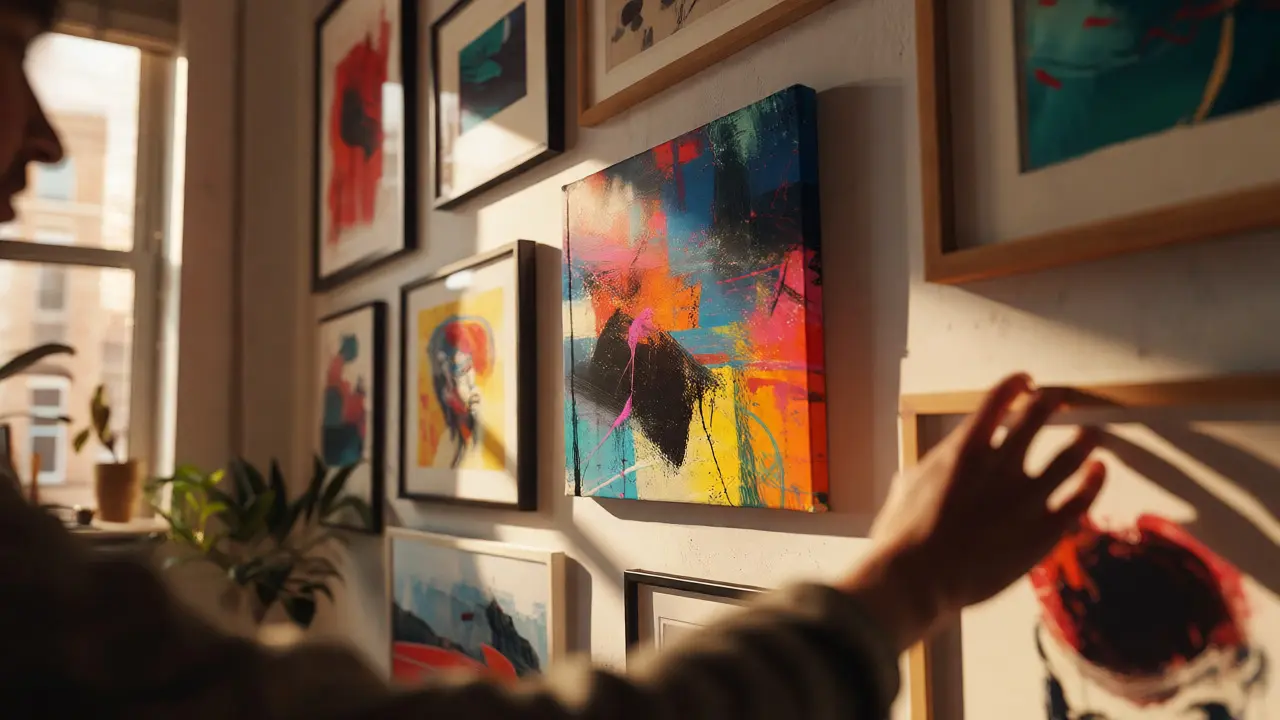
We’ve all heard the advice: "Buy what you love." Critics roll their eyes at it because it sounds like financial suicide. But look at Sarah, a graphic designer from Austin. She didn’t buy art as an investment vehicle initially. She bought a small, vibrant abstract canvas by an emerging local artist because it made her feel something every time she walked past it. That emotional connection kept her engaged when the market dipped.
Sarah’s strategy wasn’t about flipping the piece for profit in six months. It was about building a collection that reflected her identity. Over five years, she acquired twelve pieces under $1,500 each. Because she lived with them, she learned to spot quality. She noticed which artists had consistent technique and which were riding a trend. When one of those early artists got picked up by a mid-tier gallery in New York, the value of her initial purchase tripled. Not because she guessed right, but because she paid attention.
Key Takeaway: Emotional resonance keeps you invested in the learning process. If you hate looking at your art, you won’t research its background, and you’ll miss the signals that indicate long-term value.
Navigating the Emerging Artist Market
Buying established names is safe but expensive. Buying unknowns is risky but potentially rewarding. This is where many first-timers get burned. They see a flashy Instagram post and drop $5,000 on a piece without knowing the artist’s trajectory. Compare this to Mark, a software engineer in Seattle. He used a different approach: he tracked artists through their educational backgrounds and exhibition history before spending a dime.
Mark focused on artists who had graduated from reputable programs like RISD or CalArts and had participated in group shows at recognized non-profit spaces. He wasn’t buying fame; he was buying potential. He allocated his budget across three artists rather than betting big on one. Two of those artists remained steady, but the third landed a solo show in London. The appreciation wasn’t overnight-it took four years-but the risk was mitigated by diversification.
| Factor | Emerging Artists | Established Artists |
|---|---|---|
| Entry Price | $500 - $5,000 | $10,000+ |
| Liquidity | Low (harder to resell quickly) | Medium-High (active secondary market) |
| Growth Potential | High (if career accelerates) | Steady (mature growth) |
| Risk Factor | Career stagnation | Market correction |
Mark’s lesson? Do your homework on the artist’s CV. Look for consistency in output and critical reception, not just social media likes.
The Power of Online Platforms and Data
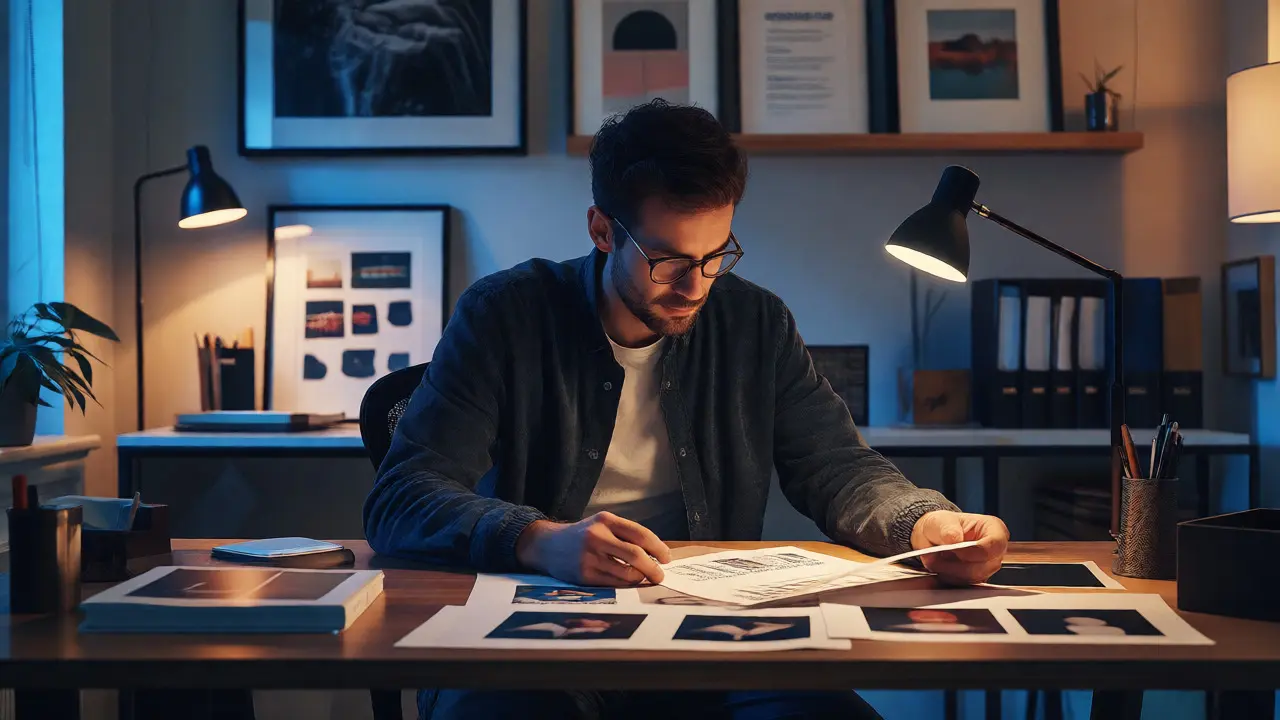
Gone are the days when you had to be invited to a private viewing to know what was selling. Today, data is democratized. Elena, a teacher from Chicago, used platforms like Artsy and Artnet to track auction results before buying anything. She set alerts for specific artists and watched how their prices moved over two years.
Elena avoided the hype cycle. When a particular style became viral on TikTok, prices spiked artificially. She waited for the dust to settle. By observing the secondary market-where works are resold-she identified artists whose demand remained stable even after the initial buzz faded. She bought prints and smaller works during these cooling periods. Her collection isn’t flashy, but it’s financially sound. She treats art acquisition like stock picking: analyze the fundamentals, ignore the noise.
If you’re starting out, spend more time reading auction reports than browsing Instagram. Understand what a hammer price means versus an estimate. Know the difference between a primary market sale (gallery) and a secondary market sale (auction). This knowledge protects you from overpaying for inflated valuations.
Budgeting Realistically: Hidden Costs Matter
A common pitfall for new collectors is forgetting the total cost of ownership. You don’t just pay for the canvas. You pay for shipping, insurance, framing, and storage. Consider David, a lawyer from Boston, who underestimated these costs. He bought a large sculpture online for $8,000. Shipping alone cost $1,200, and professional installation added another $500. His "$8,000" piece effectively cost him nearly $10,000.
David adjusted his strategy for future purchases. He began negotiating shipping costs upfront and factoring in a 15-20% buffer for ancillary expenses. He also learned to ask galleries about provenance documentation. Without proper paperwork, resale becomes a nightmare. A missing certificate of authenticity can slash the resale value by half.
- Shipping: Always get quotes before committing. International shipping involves customs duties.
- Framing: Proper archival framing preserves the work. Cheap framing damages it.
- Insurance: Homeowner policies often have caps on single-item coverage. Check your limits.
- Storage: Climate-controlled storage is essential if you live in humid or extreme temperature regions.

Building Relationships with Galleries
Art is a relationship business. Even if you’re buying online, reaching out to gallerists can open doors. Jessica, a marketing director in Denver, attended every opening night within a 5-mile radius of her home, regardless of whether she could afford the art. She introduced herself, asked questions, and listened.
After two years of consistent presence, she wasn’t just a customer; she was a known entity. When a highly sought-after piece came into a gallery she frequented, she got the first call. She didn’t wait for the public release. This access allowed her to acquire works before they hit the broader market, often at better terms. You don’t need to be rich to build relationships. You need to be present and polite.
Diversifying Your Collection Strategy
Don’t put all your eggs in one basket-or one artist. Successful first-time collectors often spread their risk. Some focus on photography, which tends to have a more transparent pricing structure. Others lean into works on paper, which are cheaper to store and insure. Mix mediums. Buy one blue-chip print, two emerging paintings, and one photograph. This mix ensures that if one sector dips, your entire portfolio doesn’t crash.
Remember, art collecting is a marathon, not a sprint. The people who succeed aren’t always the ones with the deepest pockets; they’re the ones who stay curious, do their due diligence, and treat every purchase as a learning opportunity. Start small, think long-term, and let your taste evolve alongside your collection.
How much should I spend on my first art piece?
There is no fixed rule, but most experts suggest starting with an amount you can comfortably afford to lose emotionally and financially. For many beginners, this falls between $500 and $2,000. This range allows you to access works by emerging artists or limited-edition prints without significant financial strain. The goal is to learn the mechanics of buying, shipping, and caring for art without high stakes.
Is art really a good investment compared to stocks?
Art is generally less liquid than stocks, meaning it takes longer to sell and convert to cash. However, it offers diversification benefits as its value often moves independently of traditional financial markets. While top-tier art has historically appreciated faster than inflation, emerging art carries higher risk. Treat art as a long-term hold (5-10+ years) rather than a short-term trading vehicle.
What documents do I need when buying art?
Always request a Certificate of Authenticity (COA), especially for limited editions or signed works. Keep receipts detailing the date of purchase, seller name, and price. For valuable pieces, consider a condition report documenting any existing damage. These documents are crucial for insurance claims and future resale.
Should I buy art primarily for decoration or investment?
For first-time collectors, decoration usually comes first. If you don't enjoy living with the piece, you're unlikely to research its market value or maintain it properly. Investment-grade art requires rigorous due diligence. A hybrid approach works best: buy things you love, but ensure the artist has a credible career trajectory so the piece holds value.
How do I know if an artist is "emerging" or just hobbyist?
Look for external validation. Has the artist been shown in reputable galleries, museums, or art fairs? Do they have reviews in art publications? An emerging artist typically has a consistent body of work, a clear conceptual framework, and some level of institutional recognition. Hobbyists may produce beautiful work but lack the professional infrastructure and critical engagement that drives market value.