Case Studies: High-Impact Gallery Event Programs

Most gallery owners think a successful opening night is measured by the number of people who show up. But if you look closely at the data from top-performing spaces, attendance is just vanity metrics. The real win? Sales conversion rates and long-term collector retention. A packed room that leaves with empty wallets and no email address is a missed opportunity. A smaller, curated crowd that spends three times longer looking at pieces and signs up for the newsletter? That’s a high-impact program.
If you are running an art gallery, you know the struggle. You spend thousands on champagne, lighting, and PR, hoping to spark interest. Yet, many events feel like polite gatherings where nobody buys anything. This guide breaks down real-world scenarios-case studies-that show how specific event structures drive actual revenue and community loyalty. We aren’t talking about vague theories. We’re looking at what worked, what failed, and how you can replicate those wins in your own space.
The Problem With Traditional Openings
Let’s be honest: the standard "open bar" opening has become predictable. Visitors arrive, grab a drink, chat with friends they already know, glance at the art for ten seconds, and leave. It’s social, sure, but it rarely converts casual browsers into serious buyers. Why? Because there is no friction, no narrative, and no reason to stay engaged beyond the free alcohol.
High-impact programs flip this model. They treat the event as a product itself, not just a backdrop for selling art. When you design an experience that requires active participation, visitors stop being passive observers. They start asking questions. And when they ask questions, sales conversations begin naturally. The shift isn’t about spending more money; it’s about spending attention better.
Case Study 1: The Interactive Workshop Model
Consider the strategy used by mid-sized contemporary galleries in urban hubs like Portland or Austin. Instead of a static viewing, they paired their spring exhibition launch with a live demonstration series. The central entity here is the Interactive Workshop. This is a type of event program where attendees actively participate in the creative process alongside the artist.
In one specific instance, a gallery hosting a ceramicist’s solo show replaced the usual speech with a two-hour wheel-throwing demo followed by a Q&A. Here’s why it worked:
- Dwell Time Increased: Average visit duration jumped from 15 minutes to 45 minutes. People stayed to watch the process, which humanized the work.
- Perceived Value Rose: Seeing the effort behind the craft justified higher price points. Visitors understood the labor involved.
- Data Capture: Registration for the workshop required an email sign-up. The gallery built a list of 300 highly qualified leads before doors even opened for the general public.
The takeaway? Give people a reason to slow down. If they understand the technique, they respect the price tag. Don’t just hang art; explain its birth.
Case Study 2: The Collector’s Preview Strategy
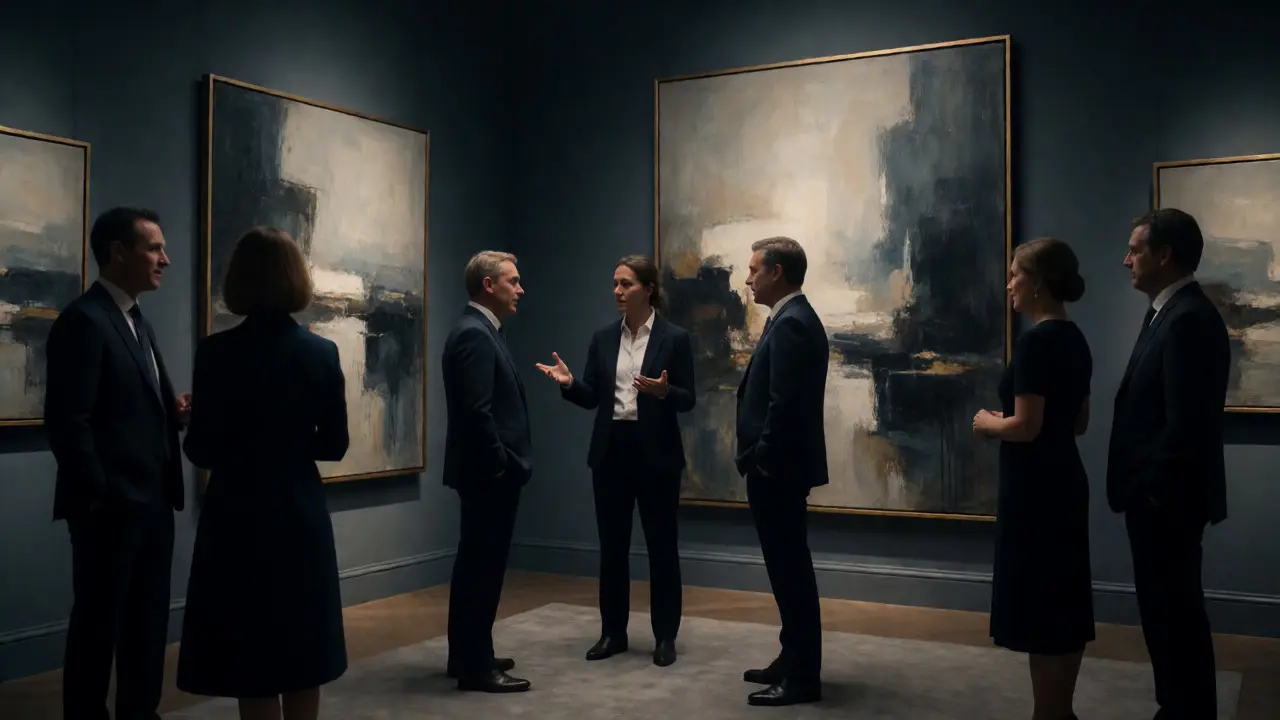
Not every event needs to be mass-market. For high-end fine art galleries, exclusivity drives value. One prominent East Coast gallery implemented a tiered entry system. They called it the "First Look," but it was essentially a structured networking event for existing collectors and new prospects alike.
This approach relies on the concept of Scarcity Marketing. This is a psychological principle where limited availability increases perceived value and urgency. By limiting the preview to 50 guests, the gallery created a sense of privilege. But the key wasn’t just the limit; it was the curation.
| Feature | General Opening | Collector Preview |
|---|---|---|
| Audience Size | 200+ people | 30-50 people |
| Primary Goal | Awareness & Social Proof | Sales & Relationship Building |
| Staff Ratio | 1 staff per 20 guests | 1 staff per 5 guests |
| Conversion Rate | 2-5% | 15-20% |
Because the ratio of staff to guests was so low, curators could have deep, uninterrupted conversations. They didn’t have to shout over loud music. They discussed provenance, investment potential, and placement in the buyer’s home. The result? A single evening generated 40% of the month’s total sales volume. If you sell works above $5,000, stop trying to pack the room. Start curating the guest list.
Case Study 3: Community-Led Storytelling
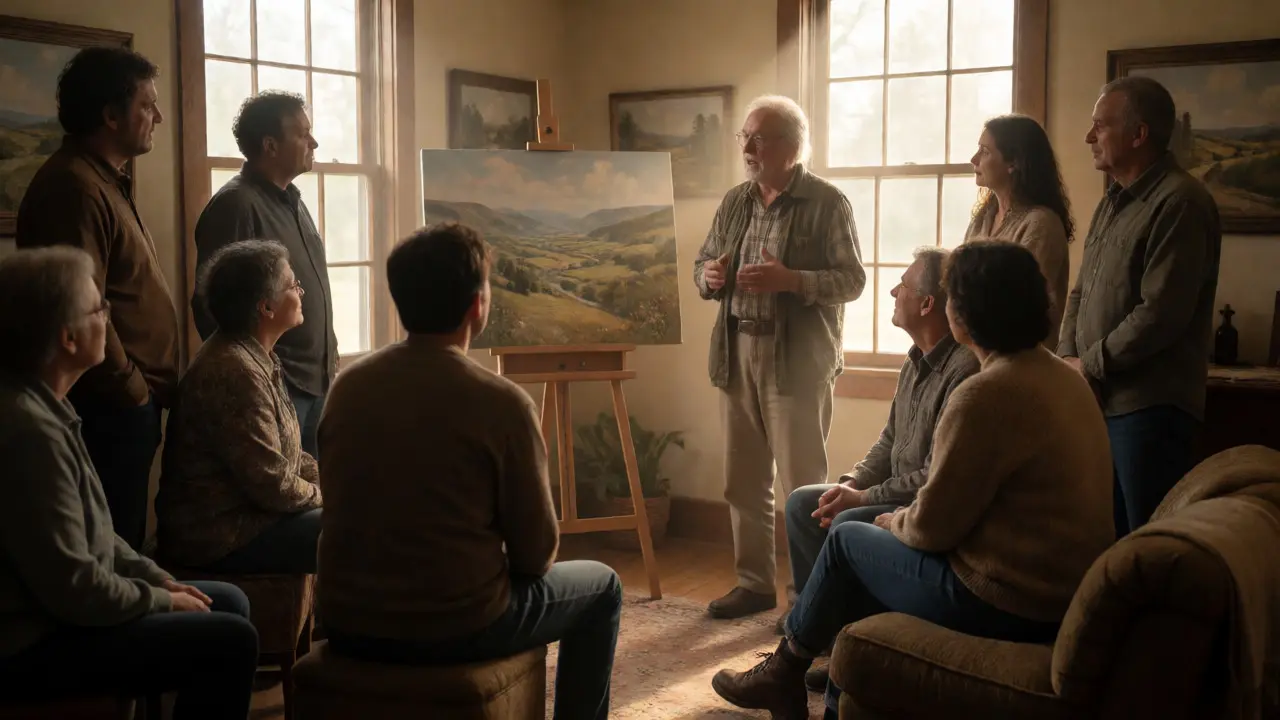
What if you don’t have big-name artists yet? How do you build impact without massive budgets? Look at community-focused galleries in smaller towns. One case study from a rural gallery in Oregon shifted their focus from "selling art" to "sharing stories." They launched a program called "Art in Context," where local historians gave short talks linking the artwork to regional history.
This leverages Narrative Engagement. This is a marketing strategy that uses storytelling to create emotional connections between consumers and products. Visitors weren’t just looking at a landscape painting; they were hearing about the specific valley depicted and why it mattered to the community.
The outcomes were surprising:
- Repeat Visits: Attendees returned within 30 days to see other pieces linked to similar themes.
- Local Partnerships: Historical societies began promoting the gallery, expanding reach without ad spend.
- Emotional Investment: Buyers felt they were preserving local heritage, not just decorating walls.
You don’t need expensive tech or celebrities. You need context. Make the art relevant to the viewer’s life or location. When people feel connected to the story, they buy the piece to keep the memory alive.
Key Metrics That Actually Matter
If you track only foot traffic, you’re flying blind. To measure the success of your gallery event programs, you need to look at behavioral data. Here are the three metrics that separate high-impact events from forgettable ones.
- Lead Quality Score: Not just how many emails you collected, but how many opened your follow-up email within 48 hours. High open rates indicate genuine interest.
- Time-on-Piece: Use simple observation or heat maps. If people linger on a specific work for more than two minutes, flag it. That’s your best seller candidate.
- Post-Event Conversion Window: Track sales made in the week following the event. Often, the decision happens after the excitement fades. If you have zero sales post-event, your closing techniques during the party likely failed.
Don’t guess. Ask your staff to log interactions. Did the conversation move from "Nice colors" to "How much is this?" If not, the program didn’t do its job.
Common Pitfalls to Avoid
Even well-intentioned programs fail if they ignore basic logistics. Here are the most common mistakes I’ve seen in the industry.
Overcrowding the Space: Art needs breathing room. If guests can’t stand back to view a piece properly, they won’t engage. Limit capacity strictly. It feels exclusive and ensures visibility.
Ignoring the Follow-Up: The event ends, and silence follows. Big mistake. Send a personalized thank-you note within 24 hours. Include images of the art they looked at longest. Reference their specific comments. This personal touch doubles your chances of a sale compared to a generic blast.
Undertraining Staff: Your servers and interns should know the basics of the exhibition. If a guest asks, "Why is this blue?" and the server shrugs, you lose credibility. Brief everyone beforehand. Empower them to direct guests to the curator for deeper answers.
Building Your Own Program
Ready to revamp your next launch? Start small. Pick one element from these case studies and test it. Maybe try a shorter, more intimate preview. Maybe add a five-minute artist talk. Measure the difference. High-impact programs aren’t about grand gestures; they’re about intentional design.
Remember, your gallery is a hub for connection. Every event is a chance to turn a stranger into a supporter, and a supporter into a collector. Focus on depth, not width. Curate the experience, not just the wall.
How far in advance should I promote a gallery event?
Start promoting four to six weeks out. Use save-the-dates for collectors early on, then ramp up social media activity two weeks prior. Last-minute pushes often result in lower quality leads because people haven't had time to plan their schedules around the event.
Is it worth charging admission for gallery openings?
Generally, no, unless the event offers significant added value like a workshop or dinner. Free entry lowers barriers for new audiences. However, you can charge for premium experiences like private tours or artist dinners while keeping the main viewing free. This hybrid model maximizes reach while monetizing deep engagement.
How do I handle shy visitors who don't want to talk to staff?
Create non-intrusive engagement tools. QR codes next to artworks can link to audio guides or artist bios. Provide comfortable seating areas away from the flow of traffic. Sometimes, simply offering a glass of water or a catalog allows a shy visitor to feel welcome without feeling pressured to speak immediately.
What is the ideal length for a gallery opening event?
Two to three hours is usually optimal. Less than two hours feels rushed; more than three hours leads to fatigue and declining attention spans. Structure the peak activity (like speeches or demos) in the middle hour to ensure maximum attendance during the core content.
Should I hire professional photographers for every event?
Yes, especially for openings. High-quality images serve two purposes: immediate social media content to drive FOMO (fear of missing out) among those who couldn't attend, and long-term archival material for press kits. Ensure the photographer captures candid interactions, not just posed shots, to showcase the atmosphere.