Building Long-Term Artist Relationships: The Power of Trust and Communication
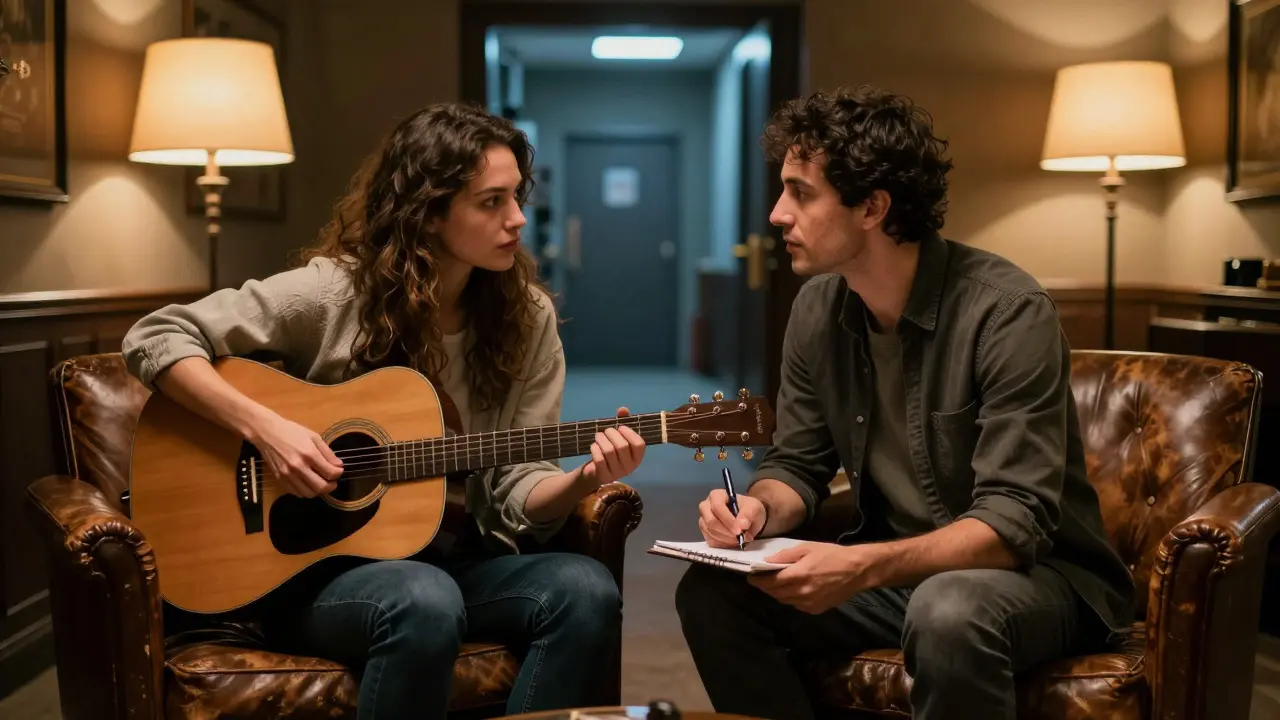
Most artist partnerships fail not because of a lack of talent or market opportunity, but because the human element was ignored. You can have the best marketing plan in the industry, but if the artist feels unheard or undervalued, the collaboration will crumble under pressure. Long-term artist relationships are built on two non-negotiable pillars: consistent, transparent communication and mutual trust that withstands the inevitable ups and downs of the creative industry. These aren't just soft skills; they are operational necessities that determine whether an artist stays with you for five years or leaves after one bad tour.
In this guide, we break down how to move beyond transactional interactions and create a partnership where both sides feel secure. We’ll look at practical ways to establish Trust Building is the process of proving reliability through consistent actions over time, reducing anxiety about future uncertainties. and how to structure Communication Strategies that define clear channels, frequencies, and expectations for information sharing between managers and artists. so that silence never becomes a source of conflict.
The Foundation: Why Trust Matters More Than Contracts
A contract tells you what happens when things go wrong. Trust tells you how you handle things before they go wrong. In the early days of managing an artist, it’s easy to rely heavily on legal documents. But as the relationship matures, the contract becomes less relevant than the daily reality of working together. If an artist doesn’t trust your judgment, they will second-guess every booking decision, every financial report, and every strategic pivot.
Trust is earned through consistency. It’s not about being perfect; it’s about being predictable in your integrity. When you say you’ll send a report by Friday, send it by Friday. When you promise to fight for a better deal, show them the email trail where you did exactly that. This transparency builds a reservoir of goodwill. When a crisis hits-like a last-minute venue cancellation or a PR issue-the artist looks at you and thinks, "They’ve got my back," rather than "I need to call my lawyer."
Consider the difference between a manager who hides bad news until it explodes and one who delivers it immediately with a proposed solution. The latter approach signals respect. It shows that you value the artist’s autonomy enough to let them participate in the problem-solving process. Over time, this creates a psychological safety net where both parties feel comfortable admitting mistakes without fear of retribution.
Structuring Effective Communication Channels
"We talk all the time" is often a myth in high-stress environments. Without structure, communication becomes reactive and fragmented. You might find yourself answering questions via text at 2 AM while the artist is mid-flight, leading to misinterpretations and burnout. To fix this, you need defined channels for different types of information.
Here is a simple framework that works for most teams:
- Urgent Operational Issues: Phone calls only. Use texts or emails for anything that can wait 24 hours. This prevents minor issues from feeling like emergencies.
- Strategic Updates: A weekly 15-minute video call or detailed email summary. Cover bookings, finances, and upcoming goals. Keep it concise.
- Creative Feedback: Scheduled sessions. Never critique art or performance in passing. Set aside specific time to discuss creative direction so feedback feels intentional, not random.
- Administrative Details: Shared digital dashboard. Put contracts, invoices, and schedules in one place (like Asana or Monday.com) so everyone has access to the same data without asking.
The key is consistency. If you switch between WhatsApp, Instagram DMs, and email randomly, you lose context. Pick your tools and stick to them. This reduces cognitive load for both you and the artist, allowing them to focus on their craft while you handle the logistics.
Navigating Creative Differences Without Conflict
Disagreements are inevitable. An artist wants to release a single that you think is too risky. You want to sign a brand deal they find aesthetically unappealing. How you handle these moments defines the longevity of the relationship. The goal isn’t to win the argument; it’s to align on the ultimate objective: the artist’s career growth and financial stability.
Use data to bridge the gap. Instead of saying, "You're wrong, the fans don't want this," present the metrics. Show streaming trends, social media engagement, or comparative case studies. When decisions are based on shared evidence rather than personal opinion, they feel less like battles and more like collaborative research. However, remember that creativity isn't always logical. Sometimes, the "risky" choice is the one that defines an artist's legacy. Your job is to manage the risk, not eliminate it.
Also, practice active listening. Often, artists don't just want approval; they want validation. Acknowledge their perspective before presenting yours. Say, "I see why this track excites you, and here is what I’m concerned about regarding radio play." This validates their emotion while introducing your professional concern. It keeps the dialogue open instead of shutting it down.

The Role of Financial Transparency
Money is the number one cause of friction in artist management. Artists often feel out of the loop regarding their earnings, expenses, and profit margins. To build trust, you must demystify the finances. Don’t just send a PDF statement once a quarter. Explain the numbers.
Hold a monthly finance review. Walk through the income sources, deduct expenses, and highlight any pending payments. If there’s a large expense, explain why it was necessary. For example, if you spent extra on sound engineering for a live set, show how it improved audience reception. When artists understand the "why" behind the numbers, they stop viewing expenses as hidden costs and start seeing them as investments.
This transparency also protects you. If an artist sees that you’re spending wisely, they are less likely to question your authority on other matters. It creates a cycle of respect. They trust your judgment on money, which extends to your judgment on marketing, touring, and branding.
Handling Burnout and Life Changes
Artists are human. They get sick, they fall in love, they hit creative blocks, and they burn out. A long-term relationship requires flexibility. If you treat the artist like a machine that needs to output content on schedule, you will eventually break something. Build in buffer times. Allow for rest periods without guilt. When an artist feels supported during their low points, their loyalty deepens significantly.
Check in on their well-being, not just their productivity. Ask how they’re feeling about the pace. Are they enjoying the work? Do they need a change of scenery? These conversations seem small, but they signal that you care about the person, not just the product. This emotional connection is what keeps artists with you through dry spells and market shifts.

Measuring Relationship Health
You can’t manage what you don’t measure. While hard to quantify, you can assess the health of your relationship using a few key indicators:
| Indicator | Sign of Good Health | Warning Sign |
|---|---|---|
| Response Time | Prompt replies to important messages | Days of silence on urgent matters |
| Initiative | Artist shares ideas unprompted | Artist waits for all instructions |
| Conflict Resolution | Issues resolved within 48 hours | Resentment builds over weeks |
| Transparency | Open discussion of failures | Hiding bad news |
If you notice warning signs, address them immediately. Schedule a "state of the union" meeting. Discuss what’s working and what isn’t. Be honest. Most conflicts stem from assumptions. Breaking those assumptions early saves years of potential damage.
Frequently Asked Questions
How often should a manager communicate with an artist?
There is no one-size-fits-all answer, but a baseline of weekly check-ins for strategy and immediate contact for urgent issues is standard. Adjust frequency based on the project phase. During heavy touring or album releases, daily briefs may be necessary. During quieter periods, bi-weekly updates might suffice. The key is consistency, not volume.
What is the biggest mistake managers make in communication?
The biggest mistake is assuming the artist knows what you know. Managers often operate with internal jargon or context that the artist doesn’t have. Always explain the "why" behind decisions. Avoid acronyms and assume zero prior knowledge on complex topics. Clarity beats brevity in critical discussions.
How do you handle an artist who is difficult to reach?
First, distinguish between busyness and avoidance. If they are busy, adjust your channel (e.g., use a shorter format). If they are avoiding, schedule a face-to-face or video meeting to discuss the disconnect directly. Often, unreachable artists are overwhelmed or anxious. Reducing the pressure of constant communication can sometimes help them engage more effectively.
Is it better to be a friend or a professional?
Aim for a professional friendship. You need the warmth and trust of a friend but the boundaries of a professional. Being too close can blur lines when tough decisions need to be made. Being too distant can make the artist feel like a commodity. Strike a balance where you share life outside work but keep business decisions separate and structured.
How do you rebuild trust after a major disagreement?
Rebuilding trust takes action, not words. Identify the root cause of the disagreement. Apologize sincerely if you were wrong. Create a new protocol to prevent recurrence. Then, follow up consistently. Trust is rebuilt through repeated positive experiences. Give it time, but remain proactive in showing reliability.