Building Collector Communities Around Your Gallery

You’ve got the inventory. You’ve got the white walls and the perfect lighting. But do you have the people who actually buy it? Most gallery owners mistake a mailing list for a community. They blast out an email every time they hang new work, hope for the best, and wonder why their top clients are buying from Instagram instead of them. The truth is, selling art isn’t about transactions; it’s about relationships. And in 2026, those relationships live in communities.
If you’re running a gallery-whether it’s a physical space in Portland or a hybrid online model-you need to stop thinking like a retailer and start thinking like a host. Your job isn’t just to sell pieces; it’s to curate a tribe of collectors who feel seen, educated, and exclusive. Here is how you build that ecosystem using smart CRM practices and genuine human connection.
Why Community Beats Cold Outreach
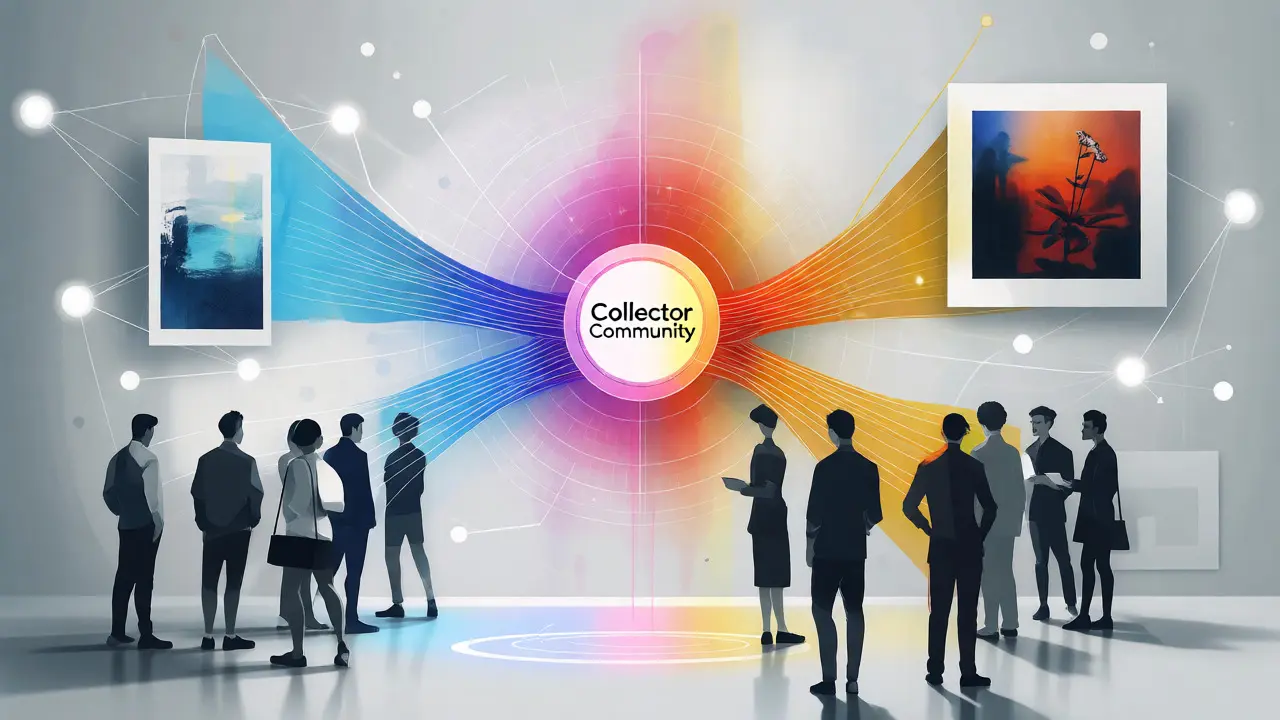
Think about your own life. Do you buy things from strangers on the internet more than you buy from friends? Probably not. Art is emotional. It’s personal. A collector doesn’t just want a painting; they want to feel like part of the story behind it. When you build a Collector Community a group of engaged individuals who share a passion for specific art genres and interact regularly with the gallery and each other, you create trust. Trust reduces friction. Friction kills sales.
A strong community turns one-time buyers into repeat patrons. It also turns those patrons into ambassadors. If five people love your artist, they’ll tell twenty others. That’s organic growth you can’t buy with ads. But here’s the catch: you can’t manage these relationships in your head. You need a system. This is where your Customer Relationship Management (CRM) software used to track interactions, preferences, and purchase history to personalize client engagement becomes your best friend.
The Three Pillars of a Thriving Gallery Community
Before you send another email, ask yourself: what value am I providing? A community needs three things to survive: exclusivity, education, and interaction. Without these, you’re just noise in someone’s inbox.
- Exclusivity: Make your core collectors feel like insiders. Early access to new works, invitations to private studio visits, or limited-edition prints only available to members.
- Education: Teach them something. Not just "buy this," but "why this matters." Share the artist’s process, market trends, or collection tips.
- Interaction: Get them talking to each other, not just to you. Host events where collectors meet other collectors. Create forums or social groups around specific interests.
When you combine these, you move from being a vendor to being a curator of culture. People pay for curation. They pay for the feeling of belonging.
Leveraging CRM to Personalize Engagement
Here’s where most galleries fail. They treat all clients the same. You wouldn’t invite a first-time buyer to a VIP dinner with a $50,000 piece on display. You’d overwhelm them. You need to segment your audience based on behavior, not just budget. Your CRM Data structured information collected about client interactions, including purchase history, communication preferences, and engagement metrics should tell you exactly who wants what.
Let’s say you have two collectors: Sarah, who buys small abstracts under $2,000, and Mark, who collects large-scale photography over $10,000. If you send Mark a newsletter about affordable prints, he ignores it. If you send Sarah a high-pressure email about a six-figure installation, she feels alienated. Use your CRM tags to segment lists by interest, budget range, and engagement level. Then, tailor your message.
For example, if Sarah clicks on a blog post about emerging artists, tag her as "Interested in Emerging Talent." Next time you get a new piece from an up-and-coming creator, email her directly. Mention that you remembered her interest. That tiny touchpoint builds massive loyalty.
Creating Value Beyond the Sale
Selling is the result of relationship-building, not the goal. To keep your community active, you need to provide content that keeps them engaged between purchases. This doesn’t mean writing a novel every week. It means sharing insights that make your collectors smarter.
Consider starting a monthly digital zine or a curated video series. Interview your artists. Show behind-the-scenes clips of framing or shipping. Explain how to care for a canvas. These small bits of value position you as an expert, not just a seller. When a collector trusts your expertise, they trust your pricing.
| Strategy | Traditional Approach | Community-Led Approach |
|---|---|---|
| Communication | Blast emails to entire list | Segmented messages based on interest |
| Events | Public opening nights | Private dinners, workshops, virtual Q&As |
| Content | Promotional images of stock | Artist stories, educational tips, market news |
| Goal | Immediate sale | Long-term loyalty and referrals |

Hosting Events That Actually Connect People
Physical events are powerful, but only if they’re designed for connection, not just consumption. A standard gallery opening often feels like a cocktail party where everyone talks to the waiter because they don’t know anyone else. Flip the script. Design events that force interaction among collectors.
Try hosting a "Collector’s Roundtable." Invite five to ten key clients to discuss a specific trend, like sustainable materials in sculpture. Provide wine, keep it casual, and let them talk. You facilitate, but you don’t dominate. Afterward, follow up with each attendee individually. Ask what they learned. Did they connect with someone? This creates a web of relationships that binds them to your gallery.
Can’t do physical events? Go digital. Host a live Instagram or Zoom session where an artist answers questions from the chat. Keep it short-30 minutes max. Promote it exclusively to your segmented list. Scarcity drives attendance. If only 50 people get the invite, they’ll show up.
Turning Buyers Into Advocates
The ultimate win in building a collector community is when your clients start doing your marketing for you. This happens when you give them tools to share their passion. Don’t just ship the artwork and send a receipt. Send a handwritten note. Include a certificate of authenticity with a QR code linking to a private video of the artist thanking them. Small gestures matter.
Encourage user-generated content. If a collector posts their new piece on social media, reshare it with a comment. Tag them. Make them feel famous. When people feel proud to be associated with your gallery, they’ll recommend you to friends without you asking. Track these referrals in your CRM. Reward them. Maybe offer a discount on their next print purchase or priority access to a waiting list.
Remember, a community isn’t built overnight. It takes consistency. You might send ten emails before someone replies. You might host three events before anyone brings a friend. But once the momentum starts, it compounds. Your gallery becomes less about inventory turnover and more about cultural stewardship. And that’s a business model that lasts.
What is the best way to segment my collector list?
The most effective segmentation combines three factors: purchase history (budget and frequency), expressed interests (genres or mediums), and engagement level (email open rates or event attendance). Start with broad categories like 'High Net Worth' vs. 'Emerging Buyer,' then refine by medium, such as 'Photography Collectors' or 'Abstract Painting Enthusiasts.' Use your CRM to automate tags based on these behaviors so your data stays current without manual entry.
How often should I communicate with my collectors?
Frequency depends on the segment. For high-engagement VIPs, monthly personalized touches are appropriate. For broader audiences, a bi-weekly newsletter with valuable content (not just sales pitches) works well. Avoid daily blasts, which lead to unsubscribes. Always prioritize quality over quantity. One thoughtful email that references a past conversation beats ten generic promotional blasts.
Do I need expensive software to build a collector community?
No. While dedicated art CRMs like Artlogic or Artsy offer specialized features, you can start with robust general-purpose tools like HubSpot or Salesforce, combined with a simple email platform like Mailchimp. The key is discipline in data entry and tagging, not the price of the tool. Many successful galleries use spreadsheets and basic email automation until they reach a scale that requires advanced integration.
How do I handle inactive collectors?
Don’t delete them immediately. Instead, run a re-engagement campaign. Send a personal email asking if their tastes have changed or if they’re looking for something specific. Offer a low-barrier invitation, like a free virtual tour or a curated selection of new arrivals. If they remain unresponsive after three attempts, move them to a quarterly digest list to stay on their radar without cluttering their inbox.
Can online-only galleries build real communities?
Absolutely. Digital communities thrive on shared experiences. Use platforms like Discord or private Facebook groups for collectors to discuss acquisitions. Host live virtual studio tours or AMAs (Ask Me Anything) with artists. The lack of physical presence allows for global participation, which can actually broaden your community beyond local geographic limits. Focus on consistent, high-value digital interactions to maintain engagement.