Budgeting for Exhibitions: Line Items and Cost Control
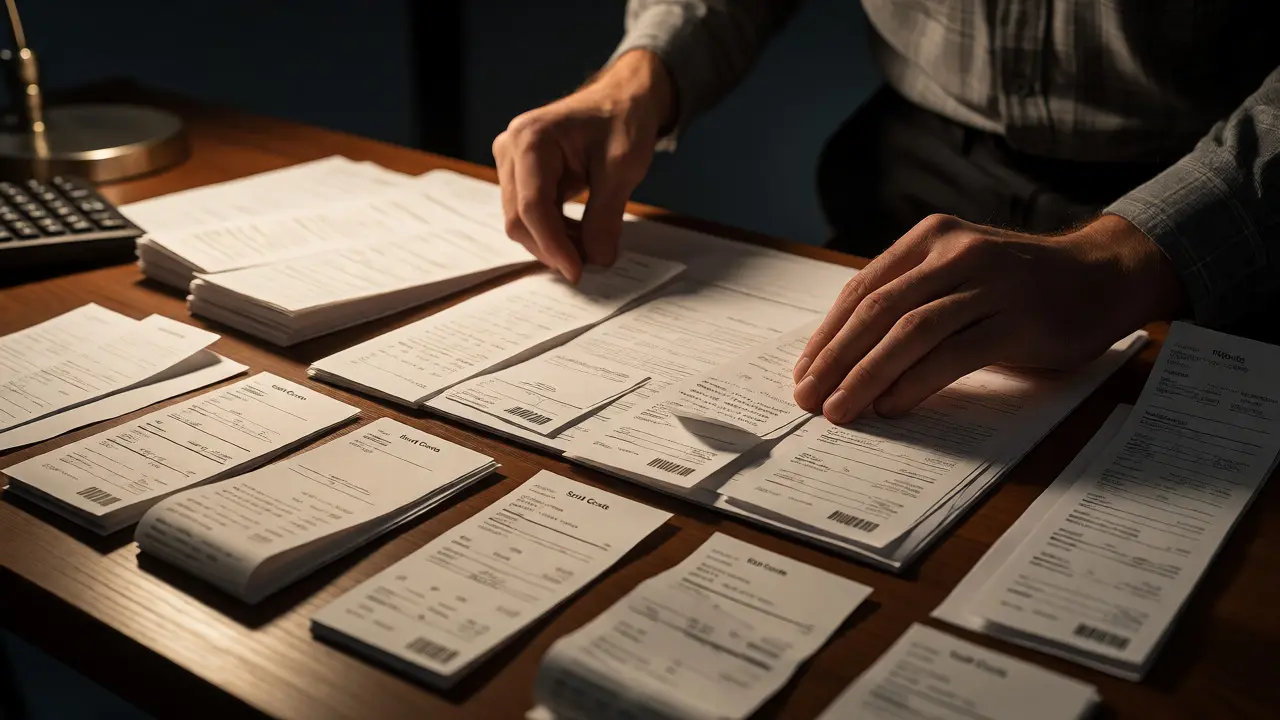
You have a brilliant concept. The artifacts are secured, the narrative is tight, and your team is buzzing with energy. Then you open the spreadsheet. Suddenly, that $50,000 estimate looks suspiciously like a fantasy. Exhibition budgets are notorious for swallowing projects whole if you don’t build them with surgical precision. It’s not just about adding up numbers; it’s about predicting the unpredictable nature of physical space, logistics, and human error.
Most curators underestimate two things: shipping costs and contingency funds. If you’re treating these as afterthoughts, you’re already behind. This guide breaks down exactly how to structure your line items so you can sleep at night before opening night. We aren’t talking about vague "miscellaneous" buckets. We’re talking about specific, actionable categories that keep your project from going red.
The Core Structure: Hard Costs vs. Soft Costs
Before you type a single number, split your budget into two distinct piles. Mixing them creates confusion when you try to reconcile invoices later.
Hard costs are tangible, one-time expenses directly tied to the exhibition's creation and execution. Think installation materials, printing, freight, and insurance. These are non-negotiable. You cannot cut them without changing the show itself.
Soft costs cover labor, overhead, marketing, and administrative time. While you can't eliminate staff salaries, you can manage how many hours they spend on specific tasks. For example, if your graphic designer spends 40 hours tweaking wall text instead of 10, that’s a soft cost overrun that hits your bottom line immediately.
| Category Type | Typical Examples | Control Mechanism |
|---|---|---|
| Hard Costs | Freight, Insurance, Fabrication, AV Equipment Rental | Fixed quotes, bulk purchasing, local sourcing |
| Soft Costs | Staff Hours, Marketing Agency Fees, Software Licenses | Time tracking, scope definition, internal vs. external staffing |
| Contingency | Emergency repairs, last-minute shipping changes, weather delays | Strict percentage allocation (10-15%) |
Shipping and Logistics: The Budget Killer
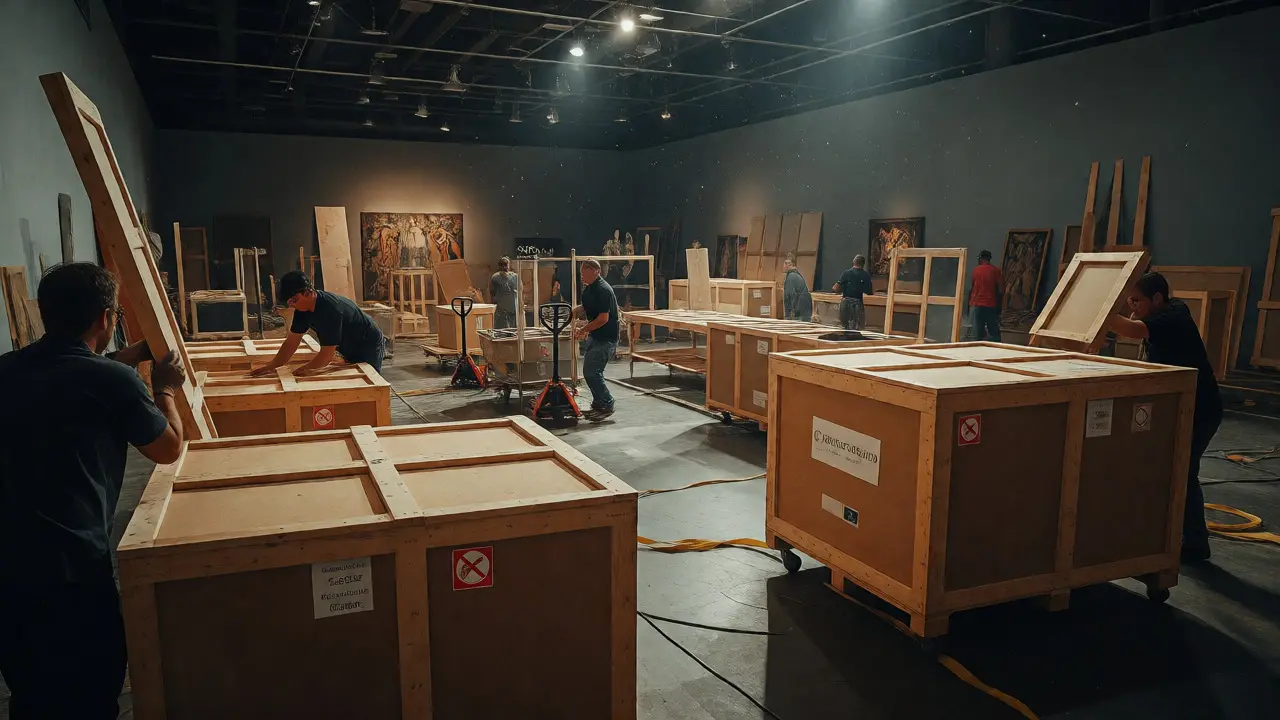
If there is one area where budgets explode, it’s logistics. Art doesn’t move cheaply, and it certainly doesn’t move quickly. When you budget for shipping, you aren’t just paying for gas. You’re paying for crating, climate-controlled trucks, specialized handling crews, and customs brokerage if you’re crossing borders.
Here’s a rule of thumb: always get three quotes. But more importantly, ask those vendors what isn’t included. Does the quote cover door-to-door delivery? Or do you need to hire a separate local courier for the last mile? In Portland, for instance, navigating narrow streets with large art crates often requires smaller vehicles or manual labor, which adds hidden fees.
- Crating: Custom wooden crates cost significantly more than reusable plastic ones. Factor in storage costs for empty crates post-installation.
- Insurance: Standard property insurance rarely covers transit damage. You need fine arts transit insurance. Calculate this as a percentage of the object’s insured value, usually between 0.5% and 1.5% depending on risk.
- Condition Reporting: This isn’t just paperwork; it’s a labor cost. Hire conservators or registrars specifically for condition checks upon arrival and departure.
Fabrication and Installation Materials
People often forget that an exhibition is essentially a construction project inside a building. You need walls, pedestals, lighting rigs, and mounting hardware. Fabrication is where creativity meets physics, and physics charges by the pound.
Don’t assume your existing gallery infrastructure will handle everything. If you’re hanging heavy sculptures, you might need to reinforce ceiling grids. That’s a hard cost. If you’re using glass cases, who cleans them? Who replaces them if they crack during install? Include a replacement fund.
A common mistake is underestimating small consumables. Gaffer tape, acid-free tissue paper, nitrile gloves, and zip ties seem trivial until you realize you’ve spent $2,000 on supplies alone. Create a dedicated "consumables" line item. Track it weekly. If you blow through half your supply budget in week one, you know something is wrong with your installation process.
Marketing and Audience Engagement
An empty room is expensive. Whether you charge admission or rely on grants, foot traffic matters. Your marketing budget should start accruing months before the doors open. Social media ads are cheap, but high-quality photography and videography are not.
Allocate funds for professional documentation. You need images for press kits, social media, and future grant applications. Do not rely on interns with iPhones unless you have no other choice. Bad photos hurt your brand more than good photos help it.
Consider paid advertising strategically. Instead of blasting Facebook ads to everyone, target local art enthusiasts within a 10-mile radius. Use platforms like Instagram and TikTok, which drive higher engagement for visual content. Set aside 10-15% of your total budget for promotion. If you skip this, you’ll struggle to meet visitor targets, which impacts revenue and donor satisfaction.
The Contingency Fund: Your Safety Net
Things break. Loans fall through. Lighting fixtures fail. A pipe bursts in the ceiling. Without a contingency fund, these events become emergencies that drain resources from planned activities.
Standard practice is to allocate 10% to 15% of the total budget as contingency. Some institutions go as high as 20% for complex international loans. This money is not for "nice-to-haves." It’s for fixing problems that arise despite your best planning.
How do you protect this fund? Require written approval for any expenditure over $500 drawn from contingency. If a curator wants to add an extra interactive screen because it “looks cool,” that comes out of their discretionary budget, not the emergency fund. Keep the discipline strict. Once you tap into contingency for non-emergencies, you lose your safety net.
Cost Control Strategies During Execution
Budgeting isn’t a one-time task. It’s a living document. Review your actuals against your projections every two weeks. Variance analysis-comparing what you spent versus what you planned-should be part of your regular team meetings.
Use software tools rather than just spreadsheets if possible. Platforms like QuickBooks or specialized museum management systems allow real-time tracking. Assign a specific person to own the budget. Not the director, not the curator, but someone whose job is to watch the pennies.
One effective tactic is the "freeze date." Six weeks before opening, lock all major vendor contracts. No new fabrication orders. No new marketing campaigns. Any changes after this point must come from the contingency fund. This forces the team to make decisions early and prevents last-minute scope creep.
Common Pitfalls to Avoid
Even experienced professionals trip over these issues:
- Ignoring Hidden Labor: Did you account for the time it takes to unpack 50 crates? That’s 20 hours of staff time. Multiply by hourly rate. Add it to the budget.
- Underestimating De-installation: Taking an exhibition apart costs almost as much as putting it together. Shipping back, repacking, and cleaning the space are often forgotten in initial estimates.
- Vague Vendor Contracts: Ensure contracts specify penalties for late delivery. If a crate arrives three days late, delaying installation, does the shipper pay for the overtime crew? Make sure yes.
By structuring your budget around clear entities-hard costs, soft costs, logistics, and contingency-you transform finance from a barrier into a tool. You gain control. You predict outcomes. And most importantly, you deliver the exhibition you envisioned without burning out your team or your bank account.
What percentage of an exhibition budget should go to shipping?
Shipping typically consumes 15-25% of the total budget for international exhibitions and 10-15% for domestic shows. Factors like object size, fragility, and distance heavily influence this figure. Always request detailed breakdowns from freight forwarders to avoid surprise surcharges for fuel or customs.
How much contingency should I include in my exhibition budget?
A standard recommendation is 10-15% of the total budget. For high-risk projects involving fragile objects, international travel, or complex installations, increase this to 20%. This fund covers unexpected repairs, emergency labor, or last-minute logistical changes.
Are marketing costs considered hard or soft costs?
Marketing is generally classified as a soft cost because it involves services and labor rather than physical goods. However, printed materials like brochures and banners are hard costs. Separating digital ad spend (soft) from print production (hard) helps in tracking variable versus fixed expenses.
Do I need separate insurance for exhibition transit?
Yes. Standard institutional property insurance usually excludes transit risks. You need specific fine arts transit insurance that covers damage from the moment the object leaves its origin until it returns. This typically costs 0.5-1.5% of the insured value per shipment.
How do I track small expenses like supplies?
Create a dedicated "Consumables" line item with a monthly cap. Use petty cash cards or expense reimbursement apps for small purchases. Review these expenses weekly to prevent minor overspending from accumulating into significant budget variances.