Artwork Wall Mounting Systems: Hardware and Installation Guide
Ever stood in front of a blank wall with a heavy canvas and felt completely lost? You are not alone. The difference between a professional-looking gallery display and a crooked, sagging mess often comes down to one thing: the right artwork mounting system. It is not just about nailing something up; it is about understanding weight distribution, wall composition, and the specific needs of the piece you are displaying.
Whether you are an artist preparing for a show, a homeowner trying to arrange your living room, or a facility manager setting up an office lobby, the hardware you choose dictates how safe and secure your art will be. Let’s break down exactly what works, what fails, and how to install it without breaking your back or your drywall.
Understanding the Core Components of Hanging Hardware
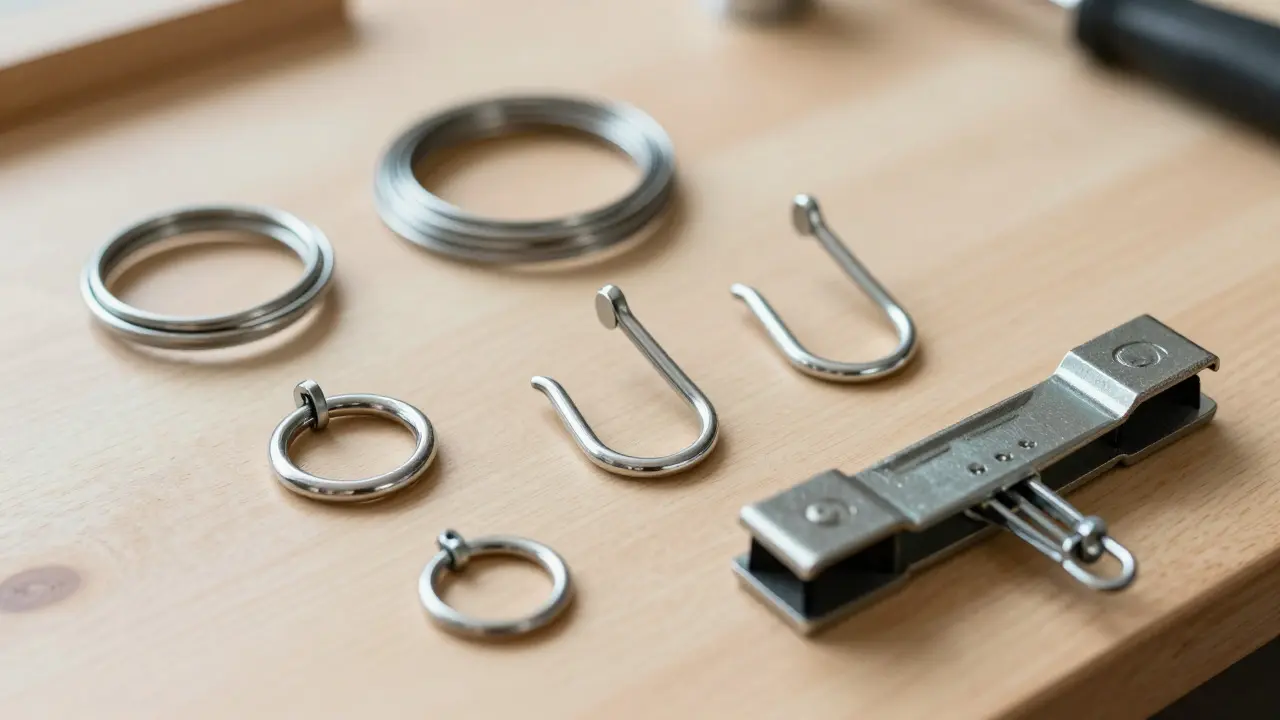
Before you buy anything, you need to know what parts make up a standard hanging system. Most systems fall into two categories: fixed points (like D-rings) and adjustable points (like picture wire). Each has its place, and mixing them up can lead to headaches later.
- D-Rings are metal brackets shaped like the letter D that screw directly into the back of a frame. They provide a rigid connection point. If you use D-rings, the angle of the frame is fixed relative to the wall unless you add additional hardware.
- Picture Wire is a steel cable threaded through D-rings to create a triangular support structure. This allows you to adjust the tilt of the frame by tightening or loosening the wire. It is the most common method for framed prints and canvases.
- French Hooks are curved metal hooks designed to slide over a nail or screw head. They offer easy adjustment but less security than D-rings because they can slip if bumped hard.
- Museum Clamps are heavy-duty aluminum or steel clamps that grip the top edge of a frame or panel. These are ideal for unframed works, panels, or pieces where you cannot drill holes into the back.
The choice depends on the artwork itself. A thin print in a light frame? Picture wire is fine. A large, heavy oil painting? You might need reinforced D-rings or even French cleats. An unframed wood panel? Museum clamps are your best friend.
Choosing the Right Anchor for Your Wall Type
This is where most people go wrong. They assume every wall is the same. It isn’t. The material behind the surface determines which anchor holds the weight safely.
| Wall Material | Recommended Anchor | Max Weight Capacity (Approx.) | Best For |
|---|---|---|---|
| Drywall (Standard) | Plastic Toggle Bolt or Steel Screw-in Anchor | 20-50 lbs | Framed prints, small canvases |
| Drywall (Heavy Load) | French Cleat System or Heavy-Duty Drywall Anchor | 100+ lbs | Large paintings, mirrors |
| Brick or Stone | Concrete Wedge Anchor or Hammer Drill Bit + Sleeve | 300+ lbs | Outdoor displays, very heavy sculptures |
| Plywood or Hardboard | Wood Screw or Hook Plate | Varies by thickness | Temporary installations, studios |
If you are renting, avoid masonry anchors that require drilling deep into brick. Instead, look into adhesive-based solutions for lighter items, but always check the lease agreement first. For permanent installations in homes, finding the stud is the safest bet. A stud finder is a cheap tool that saves you from expensive repairs when your anchor pulls out of soft drywall.
Step-by-Step Installation Process
Installation seems simple until you realize you need to measure twice. Here is a reliable workflow that ensures your art hangs level and secure.
- Measure the Art: Determine the width, height, and weight. Don’t guess the weight-lift it or check the shipping label. If it feels heavier than 20 lbs, plan for stronger hardware.
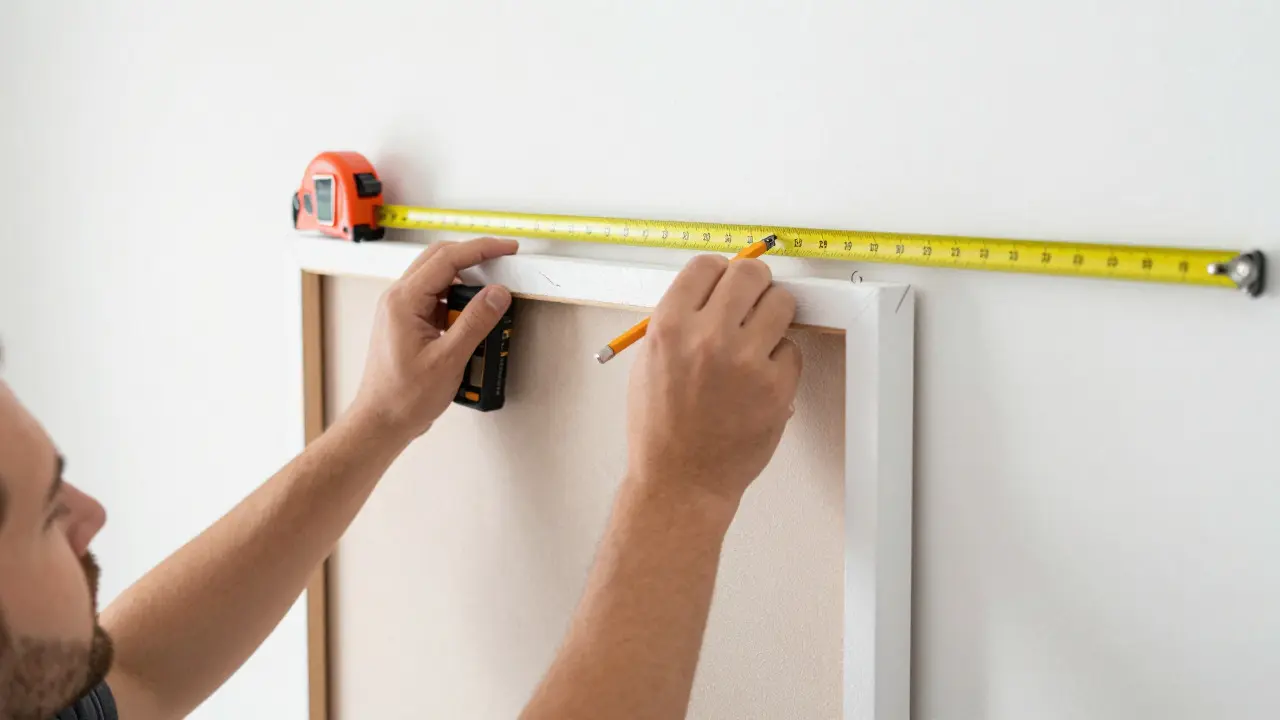
- Select the Hanging Height: The center of the artwork should be at eye level. For most adults, this is around 57 to 60 inches from the floor. In rooms with high ceilings, aim for 57 inches. In lower-ceiling rooms, 60 inches works better.
- Mark the Nail Position: Measure from the top of the frame to the hanging point (the wire or hook). Transfer this measurement to your wall mark. Use a pencil, not a pen.
- Install the Anchor: If using a stud, drive a nail or screw directly into the wood. If using drywall, insert the plastic anchor and then screw in the hook. Make sure the hook sits flush against the wall so the wire doesn’t snag.
- Hang and Level: Place the art on the hook. Use a bubble level app on your phone or a physical level to check if it is straight. Adjust the wire tension if needed to tilt the bottom corners up or down slightly for optical correction.
Pro tip: When hanging multiple pieces, lay them out on the floor first. Take a photo, tape it to the wall, and trace the outline. This prevents you from having to move heavy frames up and down repeatedly while trying to align them.
Special Cases: Unframed Works and Large Panels
Not all art comes in a frame. Unframed canvases, wood panels, and mixed-media pieces present unique challenges. Drilling into the back of a delicate work is risky. That’s where specialized hardware shines.
French Cleats are two interlocking strips of wood or metal, one mounted to the back of the art and one to the wall. They allow for easy sliding adjustments and distribute weight evenly across the entire length of the piece. This is the gold standard for heavy, unframed works. The friction between the two strips keeps the art securely in place, yet you can slide it horizontally to adjust the position without removing it from the wall entirely.
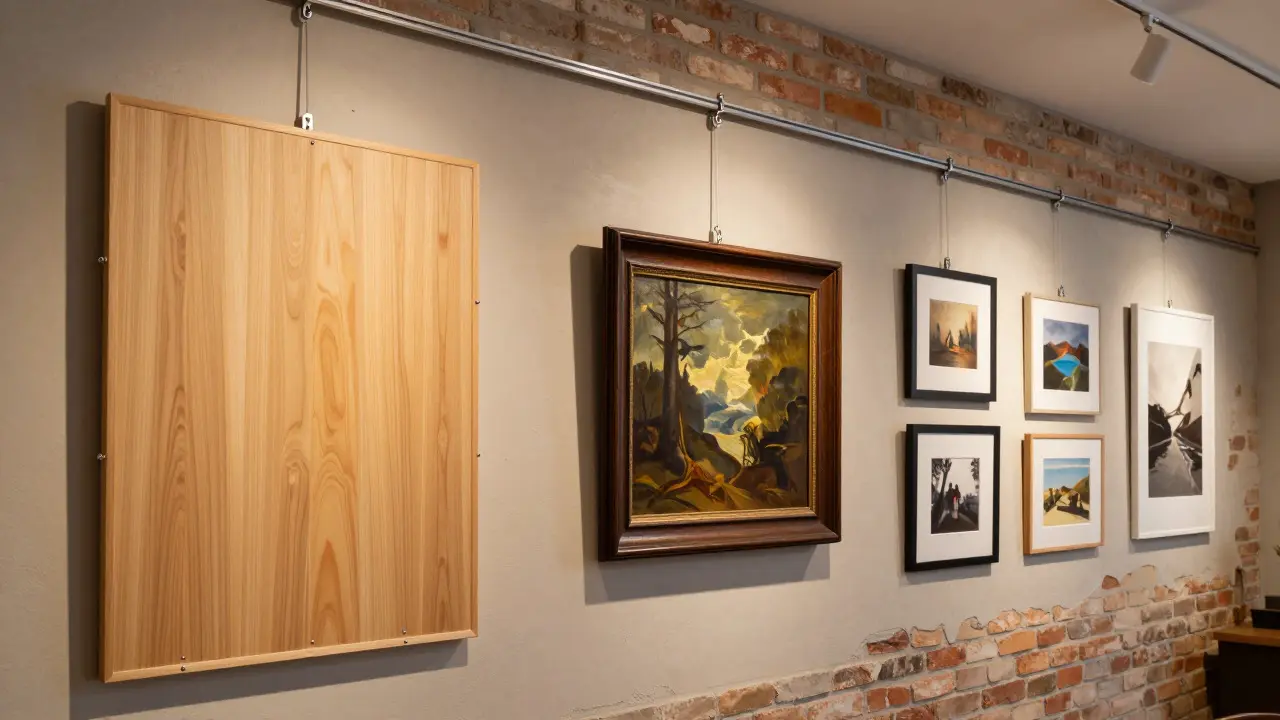
For thinner panels, Gallery Track Systems are aluminum rails mounted to the wall with movable hangers that clip onto the back of the frame. This system is popular in museums and galleries because it allows for quick changes in layout. However, it requires more upfront cost and precise installation. The track must be perfectly level, or every piece hanging from it will be crooked.
Common Mistakes to Avoid
Even experienced decorators make these errors. Knowing them helps you save time and money.
- Ignoring Frame Depth: Some frames have deep recesses. If you mount D-rings too close to the edge, the wire might not reach the hook properly. Always test-fit the hardware before drilling.
- Using the Wrong Wire Gauge: Thin wire stretches over time, causing the art to sag. Use at least 18-gauge stainless steel wire for anything over 10 lbs. Thicker wire (16-gauge) is better for heavy pieces.
- Skipping the Level Check: A slight tilt looks terrible once the art is up. Always verify with a level after hanging, especially for wide pieces where a small error becomes visually obvious.
- Overlooking Environmental Factors: Humidity can cause wood frames to expand and contract. Leave a small gap between the frame and the wall to allow for air circulation. This prevents mold growth behind the art.
Maintenance and Long-Term Care
Hanging art is not a one-time task. Over time, dust accumulates, wires loosen, and walls shift. Inspect your hanging hardware every six months. Tighten any loose screws and clean the hooks to prevent rust. If you live in a humid climate like Portland, Oregon, pay extra attention to moisture buildup behind frames. A dehumidifier in the room can help preserve both the art and the wall integrity.
When moving or rearranging, remove the art carefully. Support the bottom of the frame with one hand while releasing the hook with the other. This prevents sudden drops that could damage the glass or canvas. Store removed hardware in labeled bags to avoid losing small screws and washers.
Frequently Asked Questions
What is the best way to hang a very heavy painting?
Use a French cleat system mounted to wall studs. This distributes the weight across the entire width of the painting and provides a secure, removable connection. Avoid relying on a single nail or hook for pieces over 50 lbs.
Can I hang art on drywall without hitting a stud?
Yes, if the art is under 20 lbs, use a steel screw-in drywall anchor. For heavier items, use a toggle bolt or consider a French cleat attached to multiple studs. Always test the anchor by pulling gently before hanging the full weight.
How do I hang unframed canvas without damaging it?
Use museum clamps or a French cleat system. Museum clamps grip the edges without requiring holes. If using a cleat, attach it to the back of the canvas with strong adhesive or minimal screws placed in non-critical areas.
What height should artwork be hung on the wall?
The center of the artwork should be at 57 to 60 inches from the floor. This aligns with average eye level. In rooms with furniture below, ensure there is a 6 to 8 inch gap between the top of the furniture and the bottom of the art.
Is picture wire necessary for all frames?
No. If you want a fixed, flat appearance, use D-rings with a solid bracket or a single hook. Picture wire is only needed if you want the ability to adjust the tilt of the frame. For very lightweight frames, a single French hook may suffice.