Artists of Color in the Market: Diversity and Demand Trends
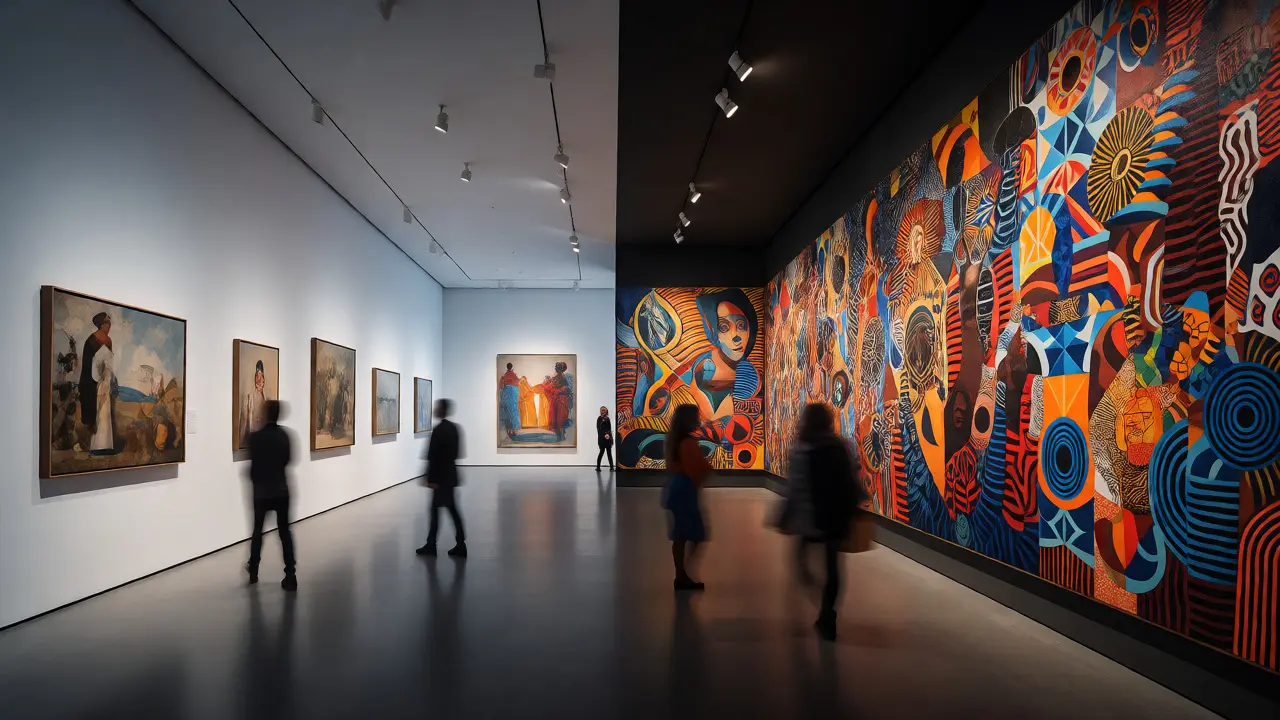
You walk into a high-end gallery in New York or London. The walls are lined with bold strokes, vibrant colors, and narratives that challenge the status quo. But if you look closely at who is hanging on those walls, the picture changes fast. For decades, the art market has struggled with a glaring imbalance: the underrepresentation of artists of color despite their growing cultural influence and collector demand. This isn't just a social justice issue; it's a massive economic blind spot. If you're a collector, investor, or even an artist trying to break through, understanding this dynamic is crucial for navigating the current landscape.
The conversation around diversity in the arts used to feel like a side note. Now, it’s front-page news. Why? Because the data doesn't lie. While the general public consumes diverse culture daily-from music to film-the fine art sector has been slower to adapt. But the tide is turning. Recent shifts in auction results, gallery rosters, and institutional acquisitions suggest that ignoring artists of color is no longer just ethically questionable-it’s financially risky. Let’s unpack what’s actually happening in the market right now, beyond the headlines.
The Data Behind the Disconnect
Let’s look at the numbers. A widely cited report by Artnet and Artsy highlighted that while artists of color make up a significant portion of working artists, they account for less than 10% of total sales value in major galleries. That gap is staggering. It suggests a disconnect between supply (who is making art) and demand (who is buying it).
But here’s where it gets interesting. The demand isn't static. Over the last five years, we’ve seen a surge in interest from younger collectors, particularly Millennials and Gen Z, who prioritize identity and narrative over traditional blue-chip prestige. These buyers aren't just looking for decoration; they’re looking for connection. They want art that reflects their own experiences or challenges their worldview. This shift has created a new tier of demand that traditional market structures haven’t fully caught up with.
| Metric | Traditional Benchmark (2015) | Current Trend (2026) | Implication |
|---|---|---|---|
| Gallery Representation | <5% Artists of Color | ~12-15% Artists of Color | Growing but still low relative to population |
| Auction Sales Volume | Minimal secondary market presence | Increasing mid-tier records | Liquidity is improving for established names |
| Collector Demographics | Primarily older, white males | Diverse age, gender, ethnicity | New money drives new tastes |
| Institutional Acquisitions | Slow adoption | Aggressive DEI initiatives | Museums are validating market value |
Why Galleries Are Finally Listening
For a long time, galleries operated on a simple heuristic: stick to what sells. And historically, "what sells" was often European or American modernism dominated by white male artists. But risk aversion has its limits. When you ignore 40% of the potential buyer pool, you leave money on the table.
We’re seeing a strategic pivot. Major commercial galleries are actively scouting talent from Latin America, Africa, and Asia. It’s not just charity; it’s arbitrage. Many talented artists of color remain undervalued compared to their peers. Buying early means capturing appreciation before the broader market catches on. Take, for example, the recent rise in prices for Afrofuturist works. Ten years ago, these pieces were niche. Today, they command six-figure sums at major houses like Sotheby’s and Christie’s.
This shift is also driven by curators. Museums are under pressure to decolonize their collections. When a major institution like the Tate Modern or the MoMA acquires work by an artist of color, it sends a powerful signal to the market. Institutional validation acts as a stamp of quality, reducing perceived risk for private collectors. It creates a feedback loop: museums buy, prices rise, galleries sign more artists, and collectors follow suit.
The Collector’s Dilemma: Ethics vs. Investment
If you’re building a collection today, you face a unique choice. Do you buy the safe bet-a known name with steady appreciation-or do you take a chance on an emerging artist from an underrepresented background?
Here’s the reality: the "safe bet" is becoming less safe. Markets saturate. Blue-chip art often hits price ceilings. Meanwhile, the segment of artists of color offers growth potential that hasn’t been fully priced in. However, this comes with higher volatility. Emerging markets are unpredictable. You might see a 300% jump in one year and a flat line for the next three.
Smart collectors are diversifying. They’re allocating a portion of their budget to speculative buys within this demographic. It’s about balancing portfolio risk with cultural relevance. Plus, there’s the intangible return. Collecting art that speaks to your values feels good. It aligns your financial assets with your personal identity. In a world where consumers increasingly vote with their wallets, this alignment matters.
Barriers Still Standing Tall
Don’t get too optimistic just yet. Progress is uneven. While top-tier auctions show improvement, the middle market remains tough. Many mid-career artists of color struggle to secure consistent gallery representation. Without a gallery backing them, they lack access to international fairs like Art Basel or Frieze. This visibility gap keeps their prices suppressed.
There’s also the issue of gatekeeping. Who decides what is "good" art? Historically, critics and curators have favored certain aesthetics-often minimalist or abstract expressions associated with Western traditions. Works that rely heavily on figurative storytelling, political commentary, or non-Western materials sometimes get dismissed as "anthropological" rather than "fine art." This bias persists, even if subtly.
Furthermore, funding disparities exist. Artists from marginalized communities often have less access to studio space, marketing budgets, and networks. An artist in Lagos or Bogotá might produce work equal in quality to someone in Brooklyn, but without the same infrastructure, they can’t compete on the global stage. Solving this requires more than just buying art; it requires investing in ecosystems.
How to Navigate This Shift
So, how do you act on this trend? Whether you’re starting out or expanding a collection, here are practical steps:
- Follow the Curators: Pay attention to which artists are being featured in biennials and museum retrospectives. Curatorial choices often precede market spikes by 2-3 years.
- Diversify Your Sources: Don’t just rely on local galleries. Use online platforms like Artsy or Saatchi Art to discover talent globally. Attend virtual openings to gauge international interest.
- Ask Questions: When talking to dealers, ask about their roster diversity. If a gallery claims to be progressive but only represents white men, walk away. Their actions matter more than their words.
- Support Non-Profits: Organizations like the Studio Museum in Harlem or the Contemporary Arts Center in Cincinnati play vital roles in nurturing talent. Supporting them helps build the pipeline.
Remember, the goal isn’t to buy art solely because of the artist’s identity. It’s to recognize that identity shapes perspective, and perspective creates value. Great art resonates across boundaries. By broadening your lens, you’re likely to find more compelling, innovative work.
The Future Outlook
Looking ahead to 2027 and beyond, the trajectory seems clear. The monopoly of traditional Western canon is breaking. We’ll see more hybrid identities represented-artists who blend cultures, mediums, and histories. Digital art and NFTs, though cooling down, played a role in democratizing access, allowing artists from anywhere to reach global audiences directly.
However, sustainability is key. Token gestures won’t cut it. The market needs structural change: equitable contracts, transparent pricing, and genuine mentorship programs. Until these elements are standard, the disparity will linger.
Ultimately, the rise of artists of color in the market is inevitable. Culture flows downhill. As society becomes more interconnected and aware, the art market must reflect that reality. Those who adapt early will benefit both culturally and financially. Those who wait may find themselves left behind, watching valuable opportunities pass by.
Are artists of color currently undervalued?
Generally, yes. Many analysts argue that artists of color are undervalued compared to their white counterparts with similar credentials and critical acclaim. This discrepancy presents a potential investment opportunity, as prices may catch up to intrinsic artistic merit over time.
Does buying art by artists of color guarantee financial return?
No. Like all art investments, returns depend on various factors including the artist's career trajectory, gallery support, and broader economic conditions. While the segment shows strong growth potential, it also carries higher volatility than established blue-chip works.
How do museums influence the market for these artists?
Museums provide critical validation. When a prestigious institution acquires a piece, it signals historical significance and quality to collectors. This often leads to increased demand and higher prices in the secondary market, effectively boosting the artist's market value.
What are common barriers facing these artists?
Key barriers include limited access to influential galleries, biased critical reception favoring Western aesthetics, and fewer resources for marketing and studio space. Additionally, geographic isolation can hinder participation in major international art fairs.
Is this trend temporary or permanent?
Most experts view this as a permanent structural shift rather than a temporary fad. Demographic changes among collectors and societal demands for inclusivity ensure that diverse voices will remain central to the art market's future.