Artist Market Management: Supply, Editions, and Burns
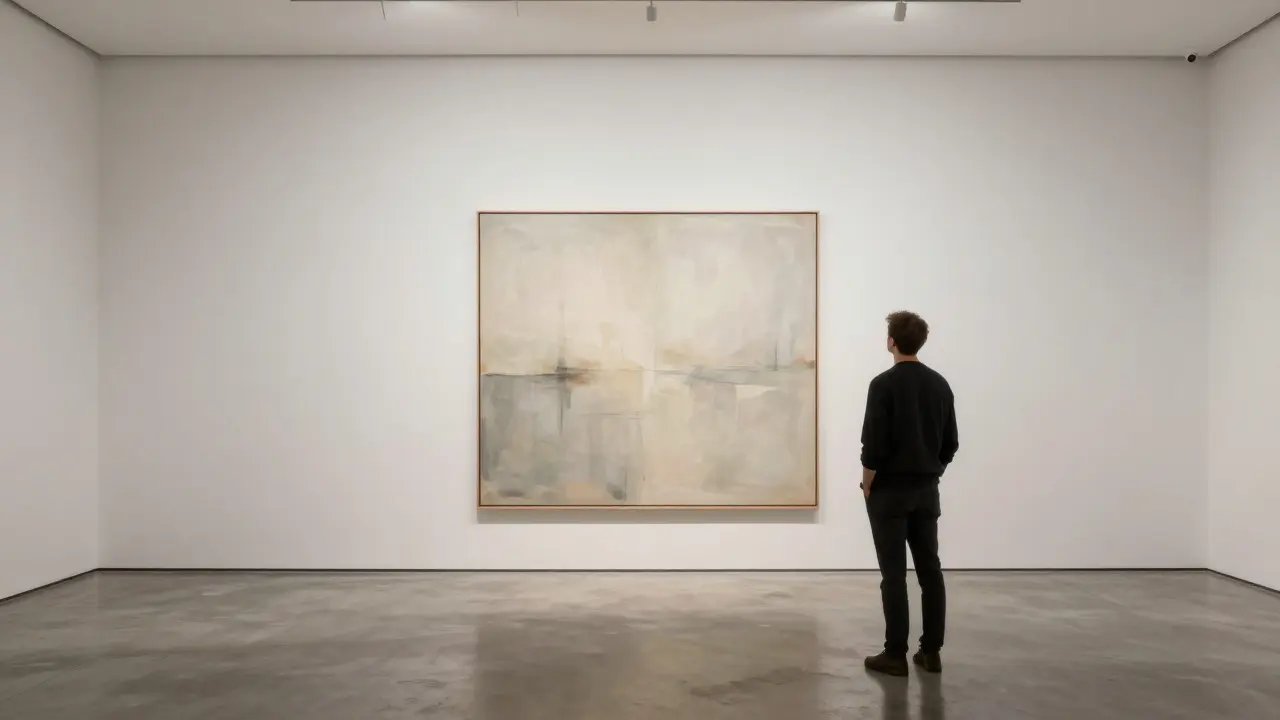
There is a specific kind of panic that sets in when an artist sees their work sell out instantly, only to be undercut by a secondary market listing three months later. It feels like betrayal, but it is usually just bad math. Artist Market Management is the strategic process of controlling the flow of artworks into the market to maintain price stability and collector confidence. It isn't about hoarding; it is about rhythm. If you dump fifty canvases on a small gallery wall at once, you signal scarcity is gone. If you release nothing for two years, collectors forget you exist. The sweet spot lies in understanding how Supply Control interacts with Edition Sizes and the occasional, necessary Artist Burn.
The Psychology of Scarcity in the Primary Market
Collectors buy emotion first, logic second. But the logic has to hold up when they check the resale value. This is where Primary Market dynamics come into play. The primary market is where the artist sells directly to the buyer, usually through a gallery or studio sale. Here, the artist holds all the power. You set the price, you choose the buyer, and you dictate the terms. However, this power evaporates the moment the work hits the Secondary Market, which is the open auction house or peer-to-peer platform where works change hands without the artist's direct involvement.
To keep the primary market strong, you must manage the perceived availability of your work. This doesn't mean hiding art in a warehouse forever. It means releasing work in batches that match your current capacity and audience size. A mid-career artist selling $5,000 pieces shouldn't release 100 works at a single show. That floods the local pool of serious collectors. Instead, releasing 15 to 20 high-quality pieces creates a sense of urgency without overwhelming the infrastructure of your own sales team or gallery partners.
Determining the Right Edition Size
For printmakers, photographers, and digital artists, the question is never "how many can I make?" It is "how many should I make?" Edition Size refers to the total number of identical copies of an artwork produced by the artist. There is no universal rule, but there are reliable heuristics based on price point and medium.
- High-End Fine Art Prints: For works priced between $2,000 and $10,000, editions of 25 to 50 are standard. This keeps the work exclusive enough to feel special but accessible enough to build a base of repeat buyers.
- Commercial or Open Editions: For works under $500, such as posters or limited-run zines, you might go open edition or cap it at 100+. The goal here is volume and brand awareness, not investment value.
- One-of-a-Kinds (Originals): Technically an edition of one. These anchor your reputation. If your originals sell well, your prints will follow. If your originals stagnate, no amount of print marketing will save your market position.
A common mistake is starting with a large edition because it feels safe. If you make 100 prints and only sell 40, you have 60 unsold units sitting in storage. They don't disappear, but they do create a psychological ceiling. When new collectors see those remaining prints listed online later, they assume the demand wasn't real. Starting smaller, say 30, allows you to gauge interest. If those 30 sell quickly, you can announce a "second edition" or a new series, which often commands a higher price due to proven demand.
When to Use an Artist Burn
An Artist Burn is the deliberate destruction of unsold artworks to reduce market supply and increase the rarity of remaining pieces. It sounds extreme, and it is. Burning a painting is dramatic. Destroying a stack of unclaimed prints is practical. But why would anyone destroy their own inventory?
Because oversupply kills momentum. Imagine you launched a series of 50 etchings. Two years later, 45 are sold, but 5 remain. Those five are now aging in a box. If you list them today, they look like leftovers. Collectors know this. They wait for discounts. By destroying those final five, you turn the remaining 45 into a complete, closed edition. The narrative changes from "unsold stock" to "a finished chapter." This often triggers a price increase for any future works in that style, because the previous series is now officially complete and unavailable.
Burns are most effective when timed correctly. Do not burn immediately after a slow launch. Wait until the market has digested the initial wave. Then, if a few stragglers remain, destroy them publicly. Document the burn. Post the video. Send the news to your email list. Transparency turns a loss into a marketing event. It shows confidence. It says, "We value quality over quantity, even if it costs us money."
Managing the Secondary Market Leak
Even with perfect supply control, some works will end up on eBay or Saatchi Art without your permission. This is the Secondary Market leak. It happens because collectors resell. It is legal, unless you have a strict contract. So, how do you handle it?
First, track your sales meticulously. Know exactly who bought what and at what price. When you see a resale listing, compare the price. If it is above your original retail price, let it ride. It validates your brand. If it is significantly below, you have a problem. A low resale price signals to new buyers that your work is a poor investment. In these cases, contact the seller. Sometimes, a polite reminder that you offer a buy-back guarantee for a percentage of the original price can remove the item from the open market. You take the work back, store it, and either re-sell it privately or add it to a future burn pile. This keeps the public perception of your pricing intact.
Practical Framework for Your Next Release
You don't need a complex algorithm to manage your market. You need a simple checklist before every new drop. Here is a framework that balances risk and reward.
- Assess Current Inventory: How many unsold works do you have from the last 12 months? If more than 20% remain, pause new releases.
- Define the Narrative: Is this a new series, a continuation, or a special commission? The story dictates the edition size.
- Set the Cap: Choose an edition size that feels slightly restrictive. Better to run out than to have leftovers.
- Price Anchor: Ensure the entry-level price is consistent with your historical average. Sudden drops devalue past purchases.
- Plan the Exit: Decide in advance what you will do with unsold items after 18 months. Will you discount them? Bundle them? Or burn them?
This proactive approach removes the emotional stress of decision-making later. You aren't reacting to a slump; you are executing a plan.
| Strategy | Emerging Artist | Established Artist | Blue-Chip Artist |
|---|---|---|---|
| Edition Size | Small (10-25) to test demand | Moderate (30-50) for stability | Variable, often strictly limited (1-10) |
| Use of Burns | Rare; focus on moving stock | Selective; used to close series | Frequent; used to create exclusivity |
| Secondary Market | Monitor loosely | Active monitoring and buy-backs | Strictly controlled via foundation |
| Primary Goal | Build collector base | Maintain price consistency | Maximize legacy value |

Common Pitfalls to Avoid
Many artists fall into the trap of thinking that more visibility equals more sales. They flood social media with new work, ignoring the fact that their previous batch is still sitting in the gallery. This creates a mismatch between hype and availability. When a potential buyer asks to purchase the piece they saw on Instagram, and you tell them it has been available for six months, the magic fades.
Another pitfall is inconsistent pricing. If you sell a similar piece for $3,000 in January and $2,500 in March because you needed cash, you train your collectors to wait for discounts. Consistency builds trust. If you need liquidity, consider offering a payment plan rather than lowering the sticker price. The perceived value remains high, and the cash flow improves without damaging the market signal.
Building Long-Term Value Through Discipline
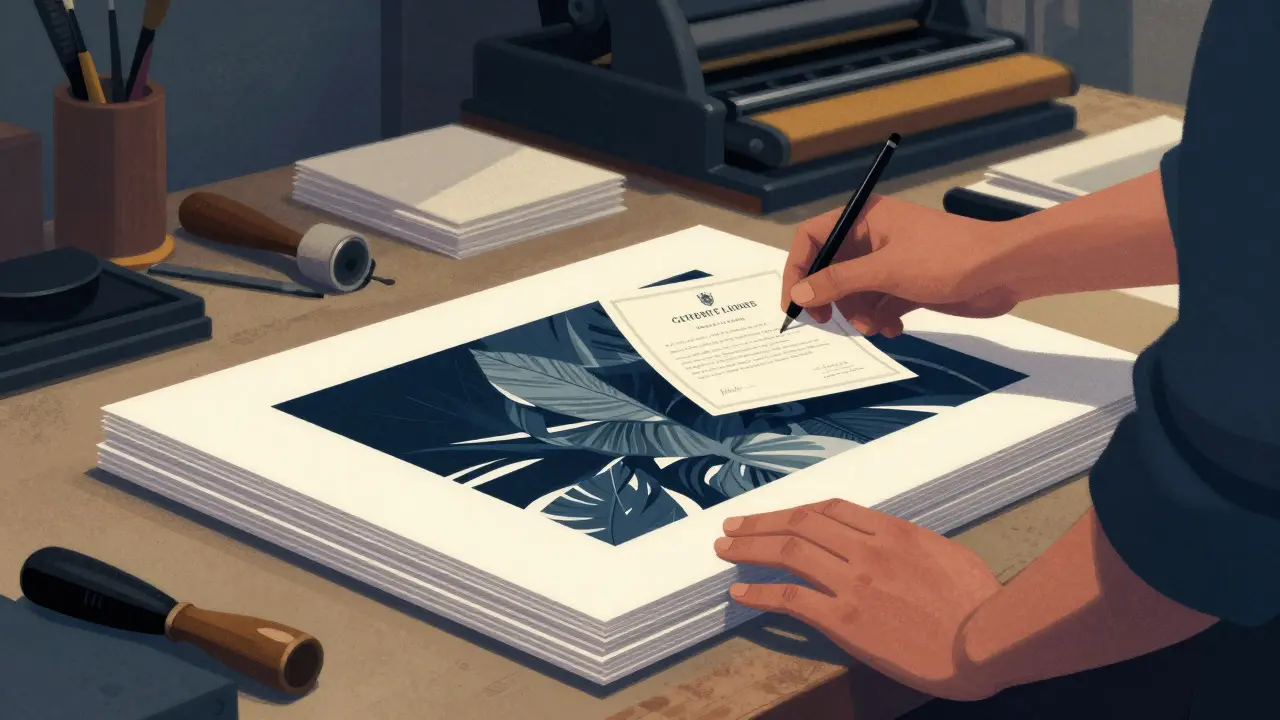
Market management is not a one-time task. It is a habit. Every time you sign a certificate of authenticity, you are making a promise to the future. You are promising that this object will retain its significance. That promise is kept not by marketing buzz, but by disciplined supply. By respecting the edition size, timing your releases, and being willing to cut losses through burns when necessary, you transform your practice from a hobby into a sustainable asset class. The market rewards patience. It punishes greed. Stay disciplined, and the value will follow.
What is the ideal edition size for a new print series?
For emerging artists, start with 10 to 25 copies. This allows you to test demand without creating excessive inventory. If the series sells out, you can always release a second edition. For established artists, 30 to 50 is a safer range that balances accessibility with exclusivity.
Should I destroy unsold artworks?
Yes, if the unsold items are dragging down the perception of your entire series. An artist burn closes the chapter on a specific body of work, turning remaining pieces into a complete collection. It is a powerful marketing tool that signals confidence and curation.
How do I stop collectors from underselling my work?
You cannot legally stop most private sales, but you can influence behavior. Maintain a transparent price history, offer buy-back guarantees for a percentage of the original cost, and monitor secondary platforms regularly. When you see a significant dip, reach out to the seller directly.
Does supply control apply to digital art?
Absolutely. Digital art faces the same issues of oversaturation. Whether using NFTs or physical prints of digital files, limiting the number of authorized copies maintains scarcity. The technology changes, but the economic principle of supply and demand remains identical.
How often should I release new work?
Aim for a consistent cadence, such as quarterly or bi-annually. Irregular releases confuse collectors and make it hard to predict availability. Consistency helps galleries plan exhibitions and allows collectors to budget for acquisitions.