Artist-in-Residence Programs at Galleries: Public Components
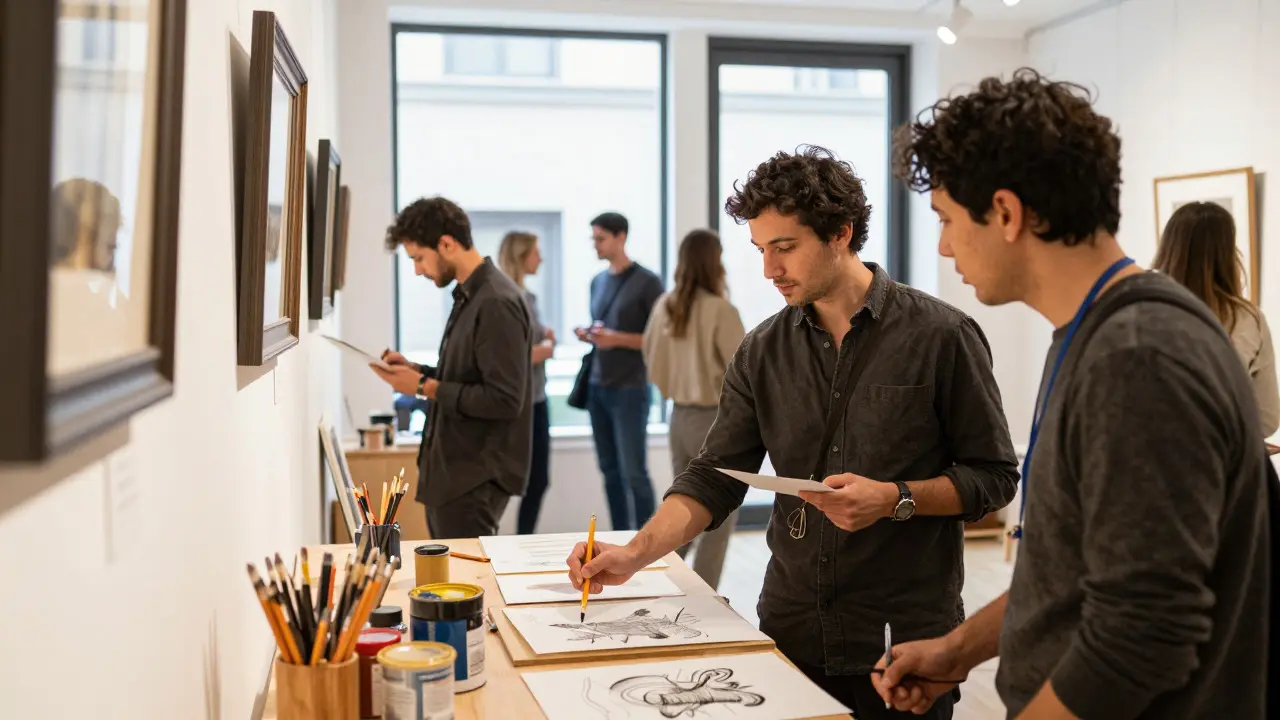
Walk into a typical commercial gallery on a Tuesday afternoon, and you might see polished frames, quiet staff, and empty floors. But step into a space running an Artist-in-Residence program, and the vibe shifts instantly. You hear sketching pencils scratching paper, smell turpentine or coffee, and watch a visitor ask an artist about their process while the artist is mid-brushstroke. This isn't just a perk for the creator; it’s a strategic engine for audience growth. When done right, the public components of these residencies transform passive viewers into active participants, driving foot traffic and deepening local ties.
Why the Public Component Matters More Than the Art Itself
Many institutions view residencies primarily as a production tool: give an artist time and space, get new work, hang it, sell it. While that’s valid, it misses the biggest ROI opportunity: the human element. Audiences don’t always buy art because they like the style; they buy it because they feel connected to the story behind it. A residency makes that story visible in real-time.
Consider the psychology of a potential buyer. Seeing a finished piece on a wall feels distant. Watching that same piece come to life over six weeks creates emotional investment. The public component bridges the gap between the object and the observer. It turns a transactional relationship into a relational one. For galleries in competitive markets like Portland or New York, this connection is often the difference between a one-time sale and a loyal collector who returns every quarter.
The Core Pillars of Public Engagement
Effective public programming isn't random. It relies on three consistent pillars that keep audiences engaged throughout the residency cycle.
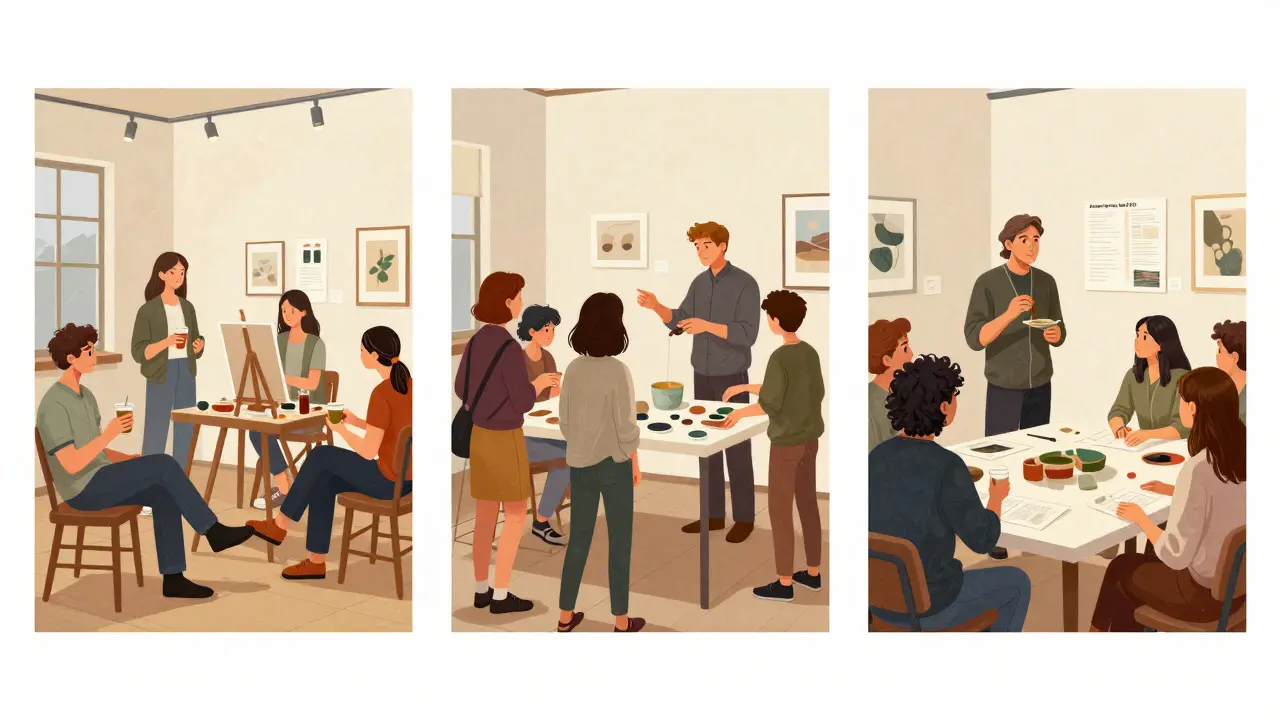
- Open Studios: These are low-barrier entry points. They happen weekly or bi-weekly, allowing casual visitors to drop in without appointment. The goal here is accessibility, not sales. Keep the atmosphere relaxed, offer free refreshments, and let conversations flow naturally.
- Process Demonstrations: Scheduled live sessions where the artist demonstrates a specific technique-glazing, etching, or digital rendering. These should be short (30-45 minutes) and interactive. Ask the audience questions. Let them touch materials if safe. This demystifies the creative process and builds respect for the labor involved.
- Narrative Workshops: Deeper dives where the artist discusses their inspiration, influences, and conceptual framework. These work best when tied to a specific theme or milestone in the residency. They appeal to serious collectors and students alike, positioning the gallery as an educational hub.
Structuring the Timeline for Maximum Impact
A common mistake is treating the residency as a single event rather than a sustained campaign. The public impact peaks during the middle months, but the groundwork must be laid from day one. Here’s how to structure the timeline effectively:
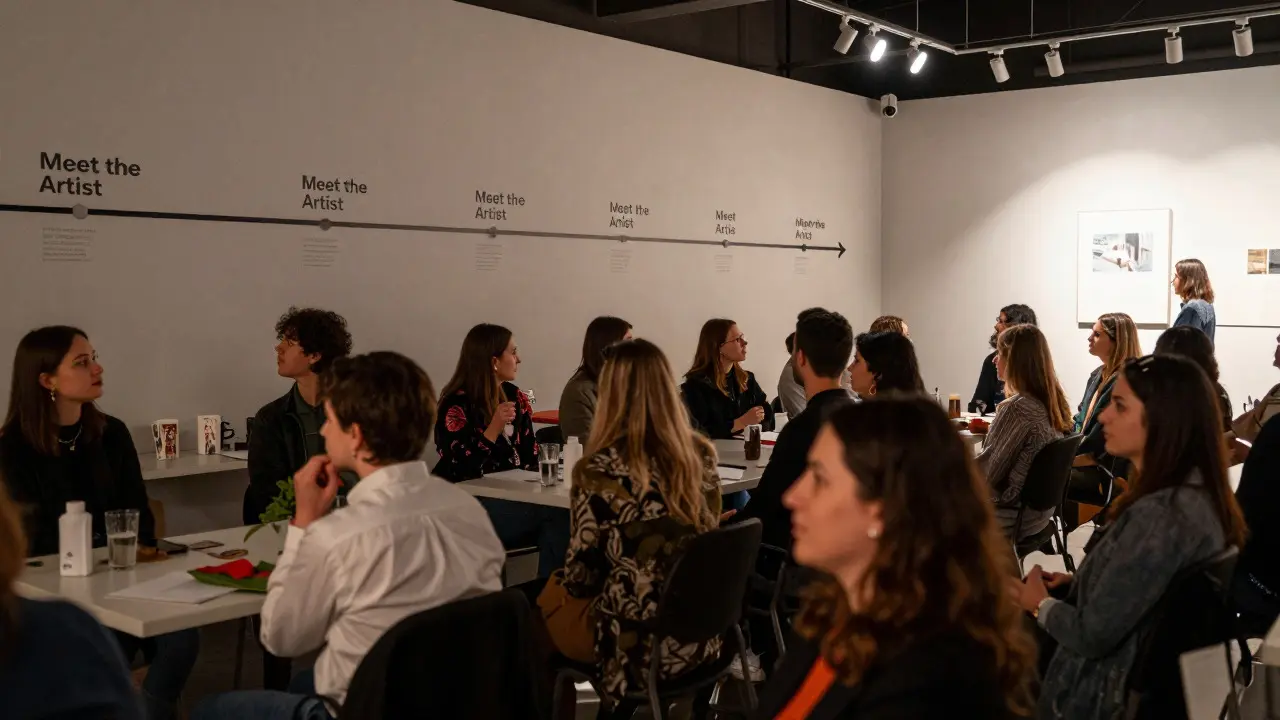
- Weeks 1-2: The Announcement. Launch with a soft opening or a "Meet the Artist" evening. Send personalized emails to your existing client list. Post high-quality teaser content on social media showing the artist setting up their workspace. The focus is curiosity, not completion.
- Weeks 3-8: The Rhythm. Establish your regular cadence of open studios and demonstrations. Consistency is key. If you promise a Thursday Open Studio, make sure it happens every Thursday. This builds habit among local visitors.
- Weeks 9-12: The Build-Up. As the final works take shape, increase the frequency of updates. Share progress photos. Invite press for a mid-residency interview. This creates anticipation for the final show.
- Final Week: The Unveiling. The culminating exhibition should feel like a natural conclusion to the journey, not a sudden appearance. The audience has already met the artist and seen the work evolve, so the opening night becomes a celebration of shared experience.
Measuring Success Beyond Sales
If you only track revenue, you’ll underestimate the value of public components. Residencies build brand equity that pays off long after the final piece is sold. To measure true impact, look at these metrics:
| Metric | Description | Target Benchmark |
|---|---|---|
| New Visitor Acquisition | Number of first-time attendees during residency events | 30% increase vs. non-residency periods |
| Email List Growth | New subscribers captured via event sign-ups | 15-20% monthly growth rate |
| Social Engagement Rate | Likes, shares, and comments on residency posts | 2x higher than standard post average |
| Client Retention | Percentage of past buyers returning during residency | 40%+ return visit rate |
Notice that none of these are direct sales figures. That’s intentional. The money follows the relationships. A visitor who attends two open studios is far more likely to purchase later than someone who sees an ad online. The cost per acquired customer drops significantly when you leverage the inherent interest of the residency.
Pitfalls to Avoid
Even well-funded programs can fail if they ignore basic human dynamics. Watch out for these common traps:
- Over-Scheduling the Artist: If the artist spends 80% of their time hosting events, they won’t finish the work. Balance is critical. Protect their studio time fiercely. The public should see the *result* of focused work, not burnout.
- Inconsistent Communication: If you announce an event and then forget to promote it for a week, attendance will suffer. Use automated email sequences and calendar reminders. Make it easy for people to remember why they should care.
- Ignoring Local Context: A residency in a university town requires different messaging than one in a corporate district. Tailor your language and event types to your immediate neighborhood. Speak to the people who actually walk past your door.
Building Long-Term Community Ties
The ultimate goal of public components is to embed the gallery into the local cultural fabric. When a residency ends, the connections shouldn’t evaporate. Use the momentum to launch follow-up initiatives. Perhaps the artist collaborates with a local school group next semester. Maybe the themes explored lead to a community workshop series. By extending the lifecycle of the residency beyond the physical presence of the artist, you create a lasting imprint on your audience. They stop seeing you as a shop and start seeing you as a neighbor, a resource, and a cultural anchor. That shift in perception is worth more than any single quarter’s profit margin.
How long should an artist-in-residence program last?
Most successful gallery residencies run between 6 to 12 weeks. Shorter durations (4 weeks) allow for quick turnarounds but limit depth of engagement. Longer durations (3+ months) risk audience fatigue unless carefully structured with distinct phases. Six weeks is generally the sweet spot for balancing production time with public interaction opportunities.
Do I need to charge for public events during a residency?
No. Keep open studios and general demonstrations free to maximize attendance and lower barriers to entry. Paid events can be reserved for exclusive workshops, intimate dinners, or special lectures where capacity is limited. Free access builds goodwill and broadens your reach, which often leads to organic sales later.
What if the artist is shy or doesn't like public speaking?
This is common. Structure events around observation rather than performance. Instead of asking the artist to give a speech, have them demonstrate a technique while answering simple questions. Or, pair them with a curator or host who can facilitate conversation. The goal is authenticity, not eloquence. Shy artists often connect deeply through quiet, focused interactions.
How do I promote a residency to a local audience?
Focus on hyper-local channels. Partner with nearby cafes, bookstores, or co-working spaces for cross-promotion. Use Instagram geotags and local hashtags. Email your existing database with personal notes from the artist. Word-of-mouth is powerful in tight-knit communities, so encourage your staff to share personal stories about the artist’s work in progress.
Can small galleries afford to host resident artists?
Yes, but redefine the compensation model. Instead of a large cash stipend, offer reduced rent, material costs covered, and marketing support. Many emerging artists value visibility and space over immediate salary. Negotiate a fair exchange that benefits both parties, ensuring the artist feels valued while keeping overhead manageable for the gallery.